



How New York handles shipping container homes: the 2025 Uniform Code, NYC ancillary dwelling units, container laws in Buffalo, Sweden and Coxsackie, Adirondack Park review, septic and modular approval.
Refrigerated Container (Reefer)
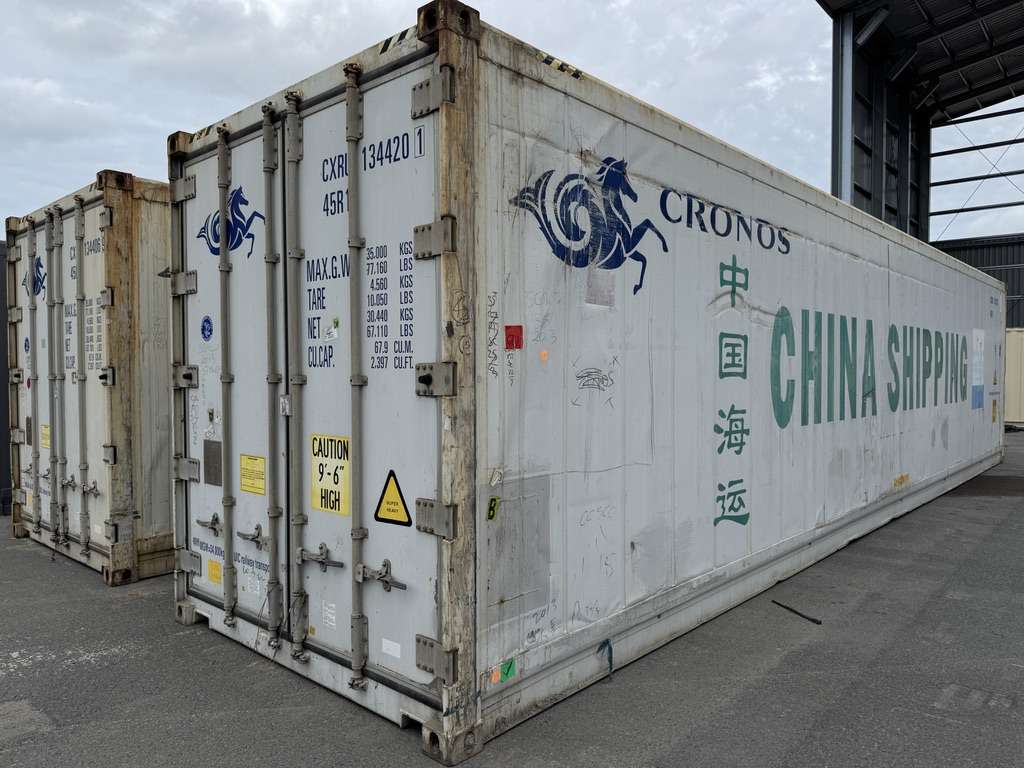
A refrigerated container, or reefer, is an insulated shipping container with a built-in refrigeration unit that holds a set temperature, from frozen to chilled. On land it becomes movable walk-in cold storage for farms, restaurants and events, and as an insulated box it is a great base for offices and tiny homes. Compare quotes from vetted local suppliers across the US.
Find Your Perfect ContainerOperating and Insulated Options Available
Features + specs
Insulated, cold and movable
Reefer container dimensions
40ft high cube reefer: external 40ft x 8ft x 9ft 6in (12.19 x 2.44 x 2.90 m), internal about 37ft 11in x 7ft 6in x 8ft 4in (11.56 x 2.29 x 2.55 m), roughly 2,370 cubic feet (67 m³). 20ft reefer: internal about 17ft 11in x 7ft 5in x 7ft 5in (5.45 x 2.29 x 2.26 m), roughly 1,000 cubic feet (28 m³).
Temperature and power
- Most marine reefer units hold a set point between about -22°F and +86°F (-30°C to +30°C).
- They run on 3-phase power, typically 460V. Confirm the unit’s voltage and your site supply with an electrician.
Operating or insulated
Operating reefers come with a working refrigeration unit. Non-operating reefers are insulated boxes without working machinery and cost much less.
Use Cases
What can a refrigerated container be used for?
1. Cold storage for food and produce
Why:
Walk-in cold storage for farms, orchards, butchers and grocers at a fraction of the cost of a building.
Customization:
Add shelving, a ramp, strip curtains and a remote temperature alarm.
2. Restaurants, breweries and catering
Why:
Extra cooler or freezer space for busy seasons, events and commissary kitchens.
Customization:
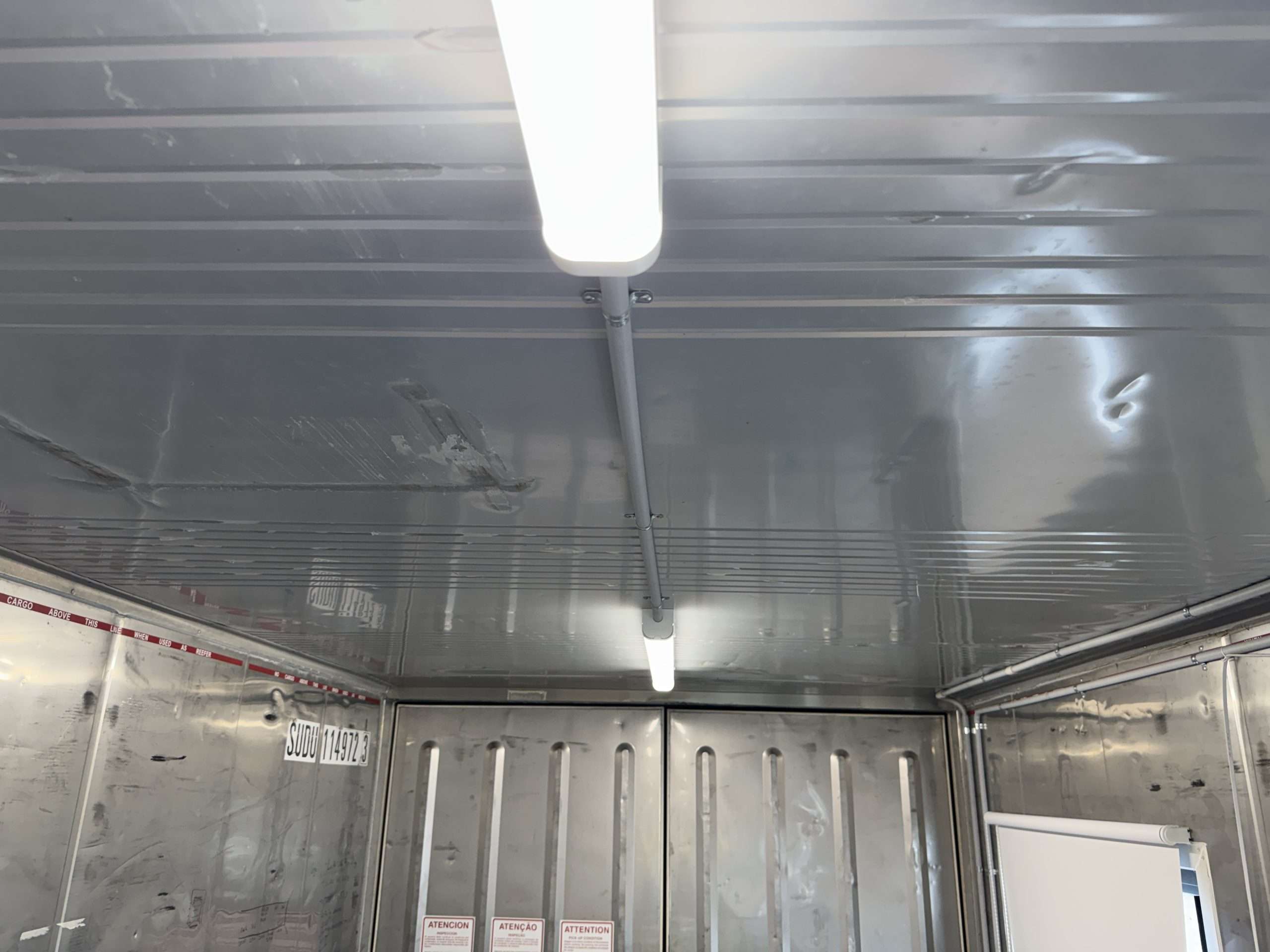
Add lighting, outlets, shelving and a personnel door for daily access.
3. Insulated offices and studios
Why:
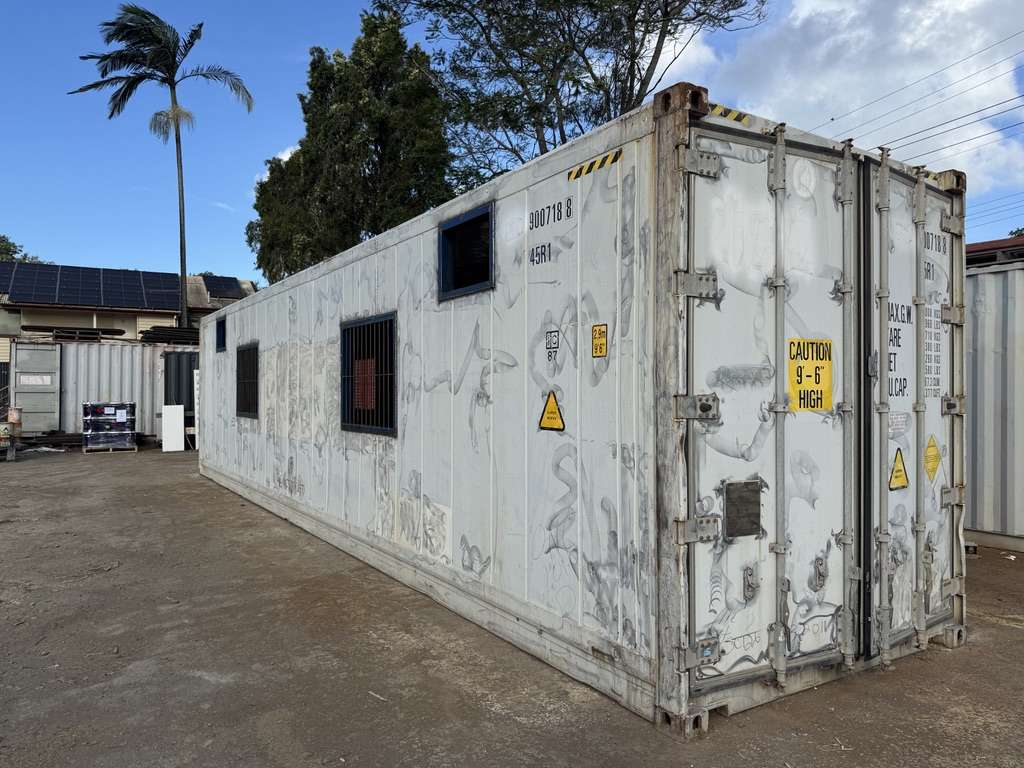
A non-operating reefer is already insulated and lined, so it makes a quiet, comfortable office.
Customization:
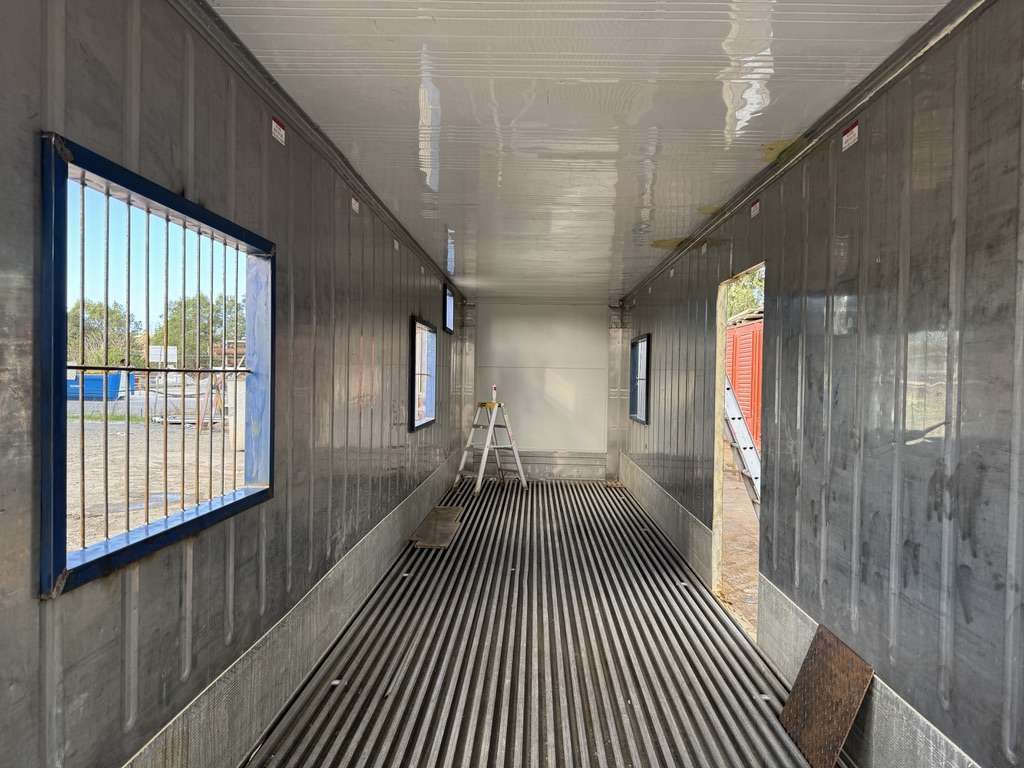
Add windows, a personnel door, HVAC and power.
4. Tiny homes and workshops
Why:
Insulated walls and a washable stainless steel interior give you a head start on a living or working space.
Customization:
Add windows, plumbing, electrical and solar.
Operating or insulated
Operating reefer or insulated box: which do you need?
US-Wide Supplier Network
Cold storage
Operating reefer

Working refrigeration unit for chilled or frozen goods.
Needs 3-phase power, typically 460V.
Ideal for food, produce, beverages and events.
Ask for a recent pre-trip inspection (PTI) report.
Budget pick
Non-operating reefer (insulated)
Insulated box without a working refrigeration unit.
Costs much less than an operating reefer.
Great base for offices, studios and tiny homes.
Stainless steel interior that is easy to clean.
No Fees No Obligation
About refrigerated containers
How a reefer container works
A reefer looks like a standard container from the outside, but the walls, roof, floor and doors are filled with polyurethane foam insulation and lined with stainless steel. A refrigeration unit built into the front wall pushes chilled air through a T-bar floor, so air circulates evenly around the load from bottom to top.
That design makes a reefer the simplest way to add walk-in cold storage on your property. Because the insulation takes up space, a reefer has less room inside than a standard container of the same size. Compare the numbers in our shipping container dimensions guide, and if you need maximum space rather than temperature control, a 40ft high cube container gives you more volume for less money.
Operating vs non-operating reefers
- Operating reefer: A working refrigeration unit for cooling or freezing. Ask the supplier for a recent pre-trip inspection (PTI) report, which confirms the unit holds temperature.
- Non-operating reefer (NOR): An insulated box whose refrigeration unit is broken or removed. It costs far less and is popular for offices, studios and tiny homes.
- Power: Operating units need 3-phase power, typically 460V. Running costs depend on the set point, the climate and how often the doors are opened.
- Delivery: A 40ft reefer is delivered like any 40ft shipping container. Plan firm, level ground and keep the machinery end accessible for service.
Why choose a refrigerated container?
- Fast to set up: Place it on level ground, connect power and it is ready, with no construction project.
- Movable: Take your cold storage with you when the season or the site changes.
- Tough and secure: Steel shell, lockable doors and an easy-to-clean interior.
- Available across the US: Connect with vetted local suppliers who quote operating and insulated reefers delivered to your site.
Got questions? Let's chat.

Hi, I’m Andy. 15+ years in containers. How can I help?
We are here to make container buying simple.
Talk to a real expert, get advice, and find your perfect fit, fast.
Blog
Want to know more about specialty containers?
Buyer guides, sizing tips and market insights for the US.
Shipping Container Homes in California: Codes, ADUs and City Rules
How California handles shipping container homes: the 2025 state codes, the LADBS conversion bulletin, San Diego rules, state ADU law, HCD approval for factory-built units and counties that allow containers only for storage.
Shipping Container Homes in Washington: Codes, ADUs and L&I Rules
How Washington handles shipping container homes: the 2021 state codes, Pierce, King and Ferndale container rules, the two-ADU state law, the energy code wall U-factor and the L&I factory-assembled program.
FAQs
Refrigerated containers: frequently asked questions
All you need to know about reefer containers.
01
A reefer is a refrigerated shipping container: an insulated steel container with a built-in refrigeration unit. It is designed to keep cargo at a set temperature, from frozen to chilled, and on land it works as movable walk-in cold storage.
02
Most marine reefer units are designed to hold a set point between about -22°F and +86°F (-30°C to +30°C). Some specialty units go colder. The exact range depends on the make and model of the refrigeration unit, so check it with your supplier.
03
Most reefer units run on 3-phase power, typically 460V, and some dual voltage units also accept 230V. A standard household outlet is not enough. Have a licensed electrician check your site supply before delivery, or ask your supplier about generator options.
04
A non-operating reefer, or NOR, is a refrigerated container whose refrigeration unit no longer works or has been removed. You get the insulated walls and stainless steel interior without the cooling, at a much lower price. NORs are popular for offices, studios, workshops and tiny homes.
05
A 40ft high cube reefer measures about 37ft 11in long, 7ft 6in wide and 8ft 4in high inside (11.56 x 2.29 x 2.55 m), roughly 2,370 cubic feet. The insulation makes it narrower and shorter inside than a standard 40ft high cube.
06
An operating reefer costs considerably more than a standard container of the same size, while a non-operating reefer costs much less than a working one. Price depends on age, the condition of the refrigeration unit and your region. See shipping container prices for standard ranges, then request quotes for a reefer delivered to your ZIP code.
07
As a container platform, we connect you with vetted local suppliers. Some only sell containers, others also offer leasing and rental. Renting can make sense for short-term use, while buying often suits longer-term or customized projects. Because pricing and availability vary by region and supplier, submit your requirements to receive options tailored to your situation.