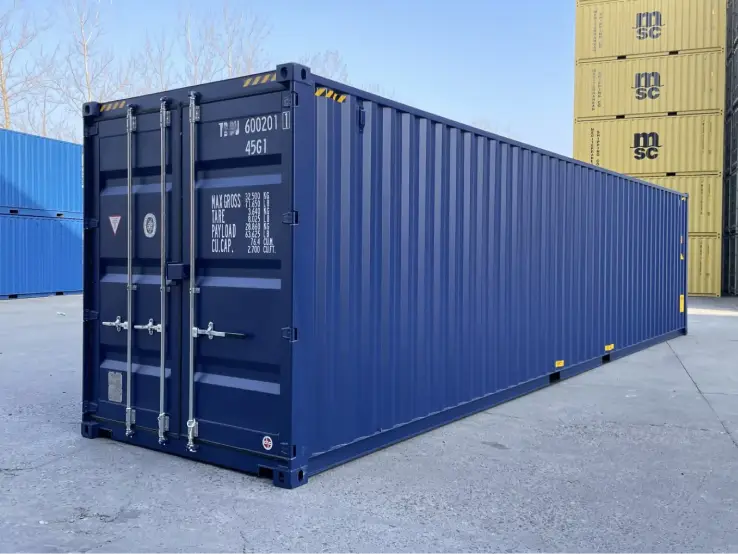
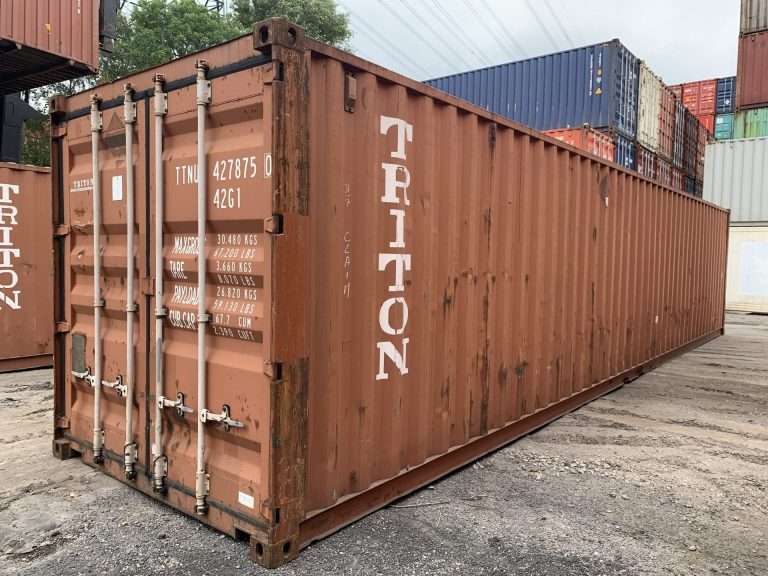
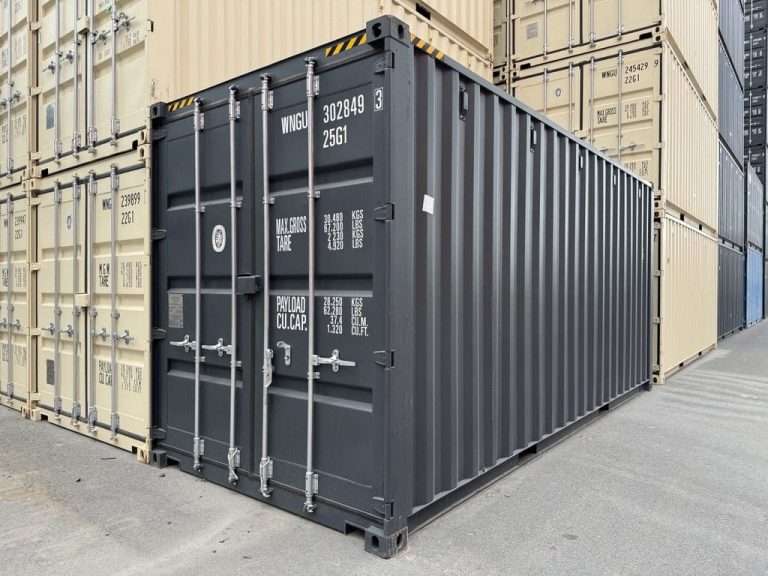
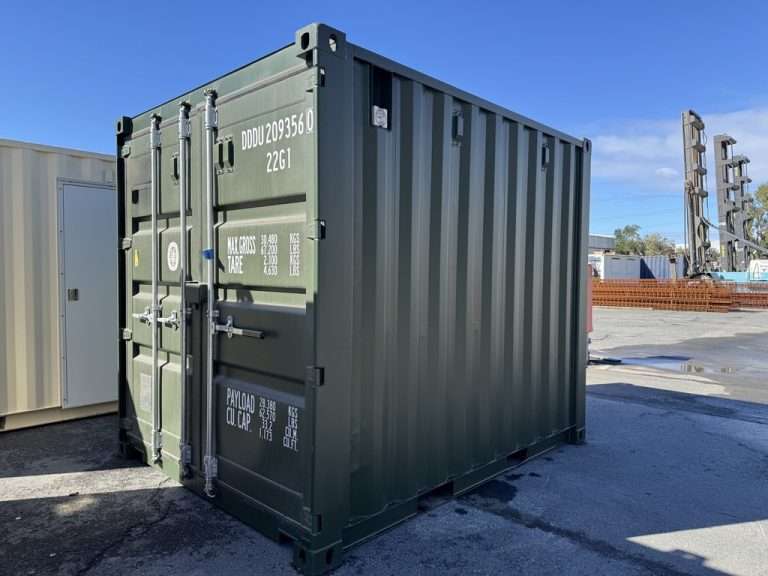
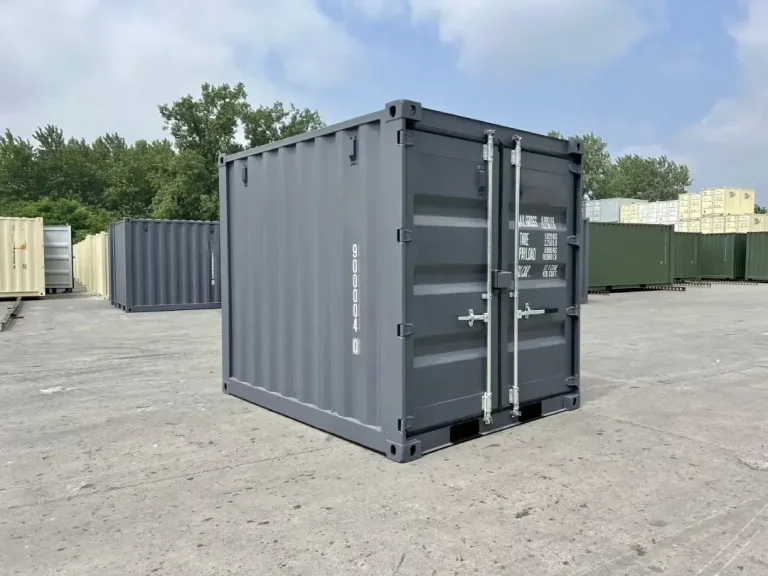
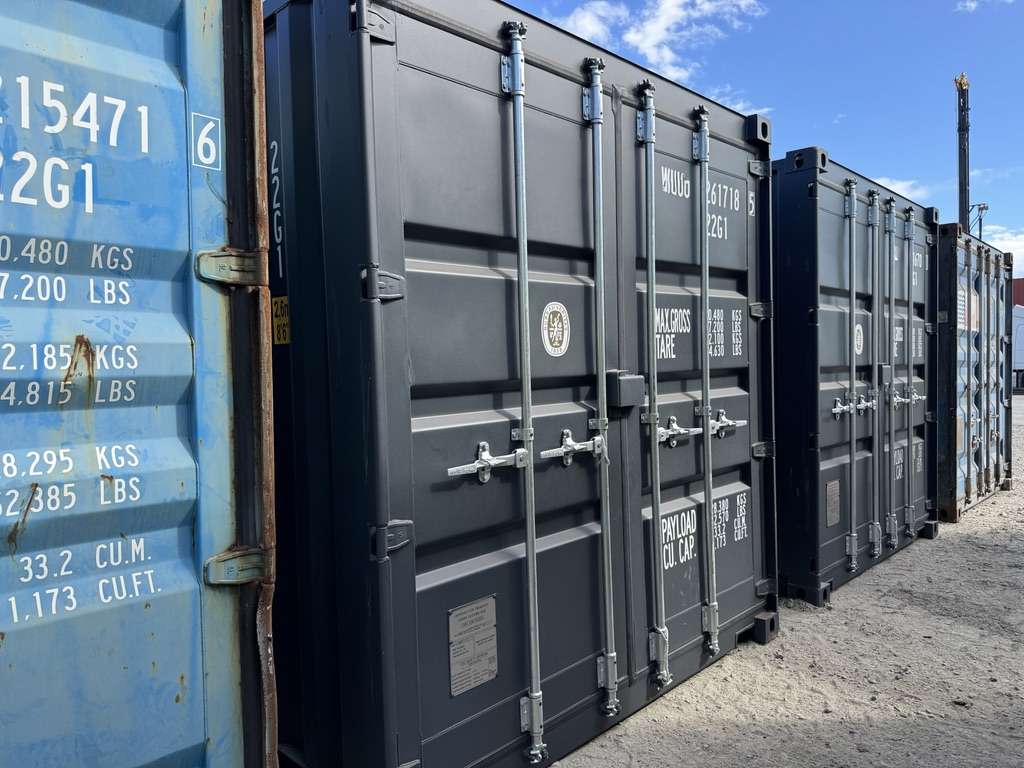
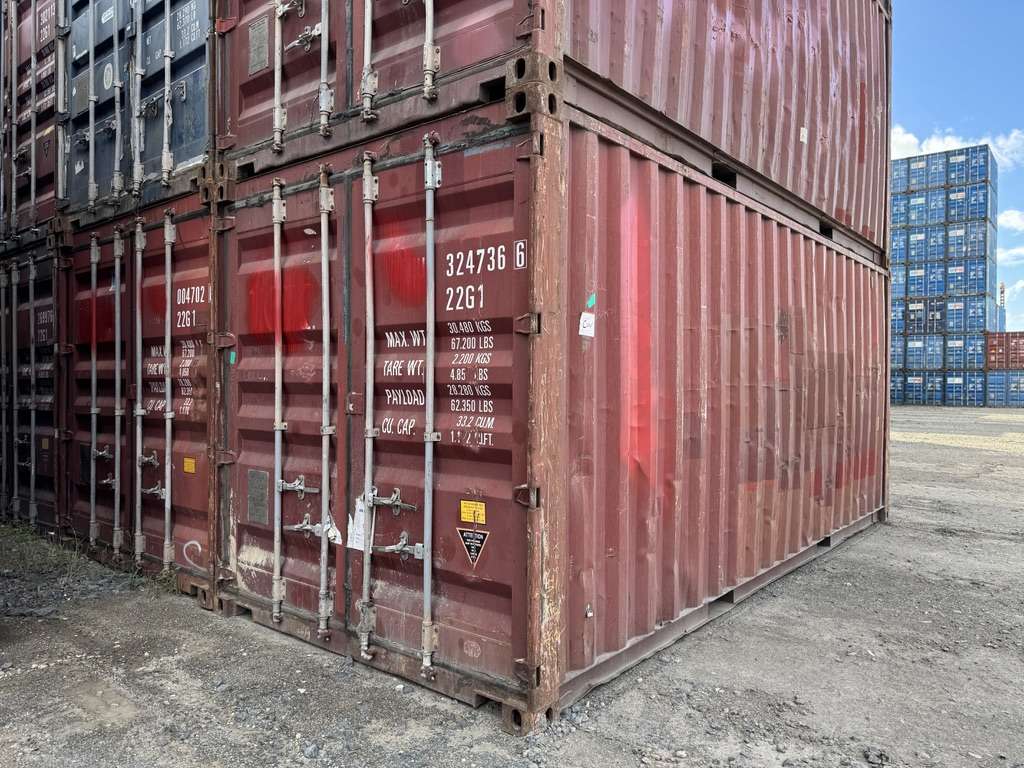
Compare new and used shipping containers for sale across the USA with current depot prices. 20ft from $1,045, 40ft high cube from $1,495. One request brings delivered quotes from vetted local suppliers.
Browse new and used containers with current starting prices at US depots. Pick the one that fits, tell us your ZIP code and vetted local suppliers send you delivered quotes. One request, multiple quotes, no fees.
Prices are starting prices at the depot, based on current inventory at major US container depots. Delivery, sales tax and local fees are extra and depend on your ZIP code. Availability changes daily, and your supplier confirms the final price in your quote.
1Pick a containerChoose size, condition and type from the listings.
2Enter your ZIP codeTell us where it goes and when you need it.
3Compare delivered quotesVetted local suppliers reply with their best price. No fees.
Prices near you
Shipping container prices by metro area
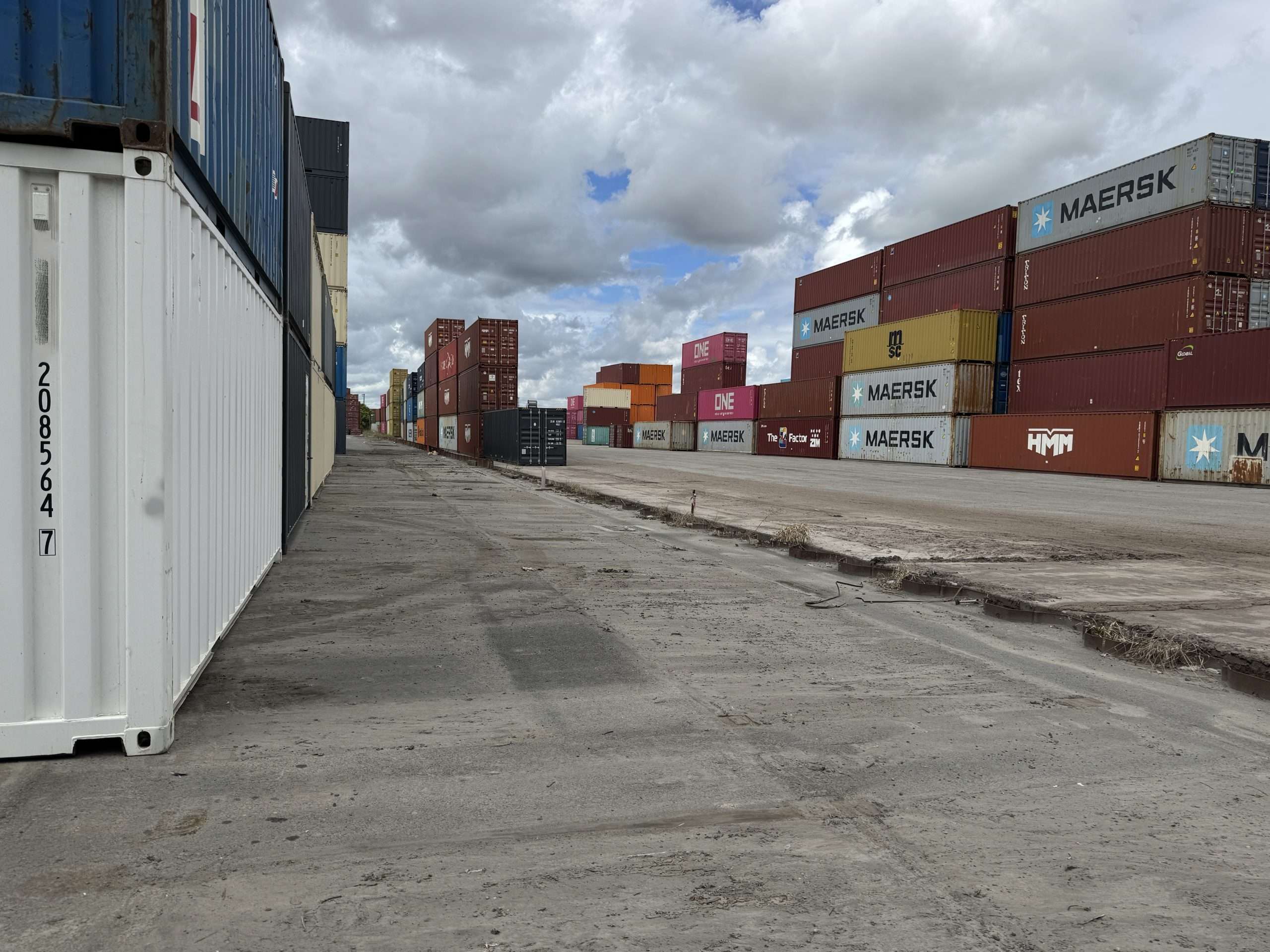
Container prices depend on where the depot is. Port cities and rail hubs usually have the most stock and the lowest prices. These are current starting prices at depots in 30 US metro areas.
Market prices for 38 metro areas, based on public prices from dozens of sellers, are in our monthly shipping container price index. Not on the list? Suppliers deliver well beyond these depots. Request quotes for your ZIP code and compare delivered prices.
About the host Andy is a container industry professional with 15+ years of experience and the creator of Andy knows Containers, an independent YouTube channel focused on helping buyers make informed container decisions. The channel serves a global English-speaking audience, with the majority of viewers based in the United States.
The US market for shipping containers for sale is one of the largest and most active worldwide,
with thousands of units available at any given time across ports, inland depots, and regional supplier networks.
For buyers, the challenge is rarely availability. It is identifying the right container specification,
condition, and supplier for a specific use case and location.
This page provides a structured overview of the options commonly available in the United States,
the factors that determine pricing, and the process for requesting quotes from suppliers in your region.
Three categories account for the majority of shipping container sales in the United States. Not sure which length you need? Our guide to shipping container sizes compares them by use. If you only need a container for a few months, compare buying with shipping container rental.
20ft shipping containers
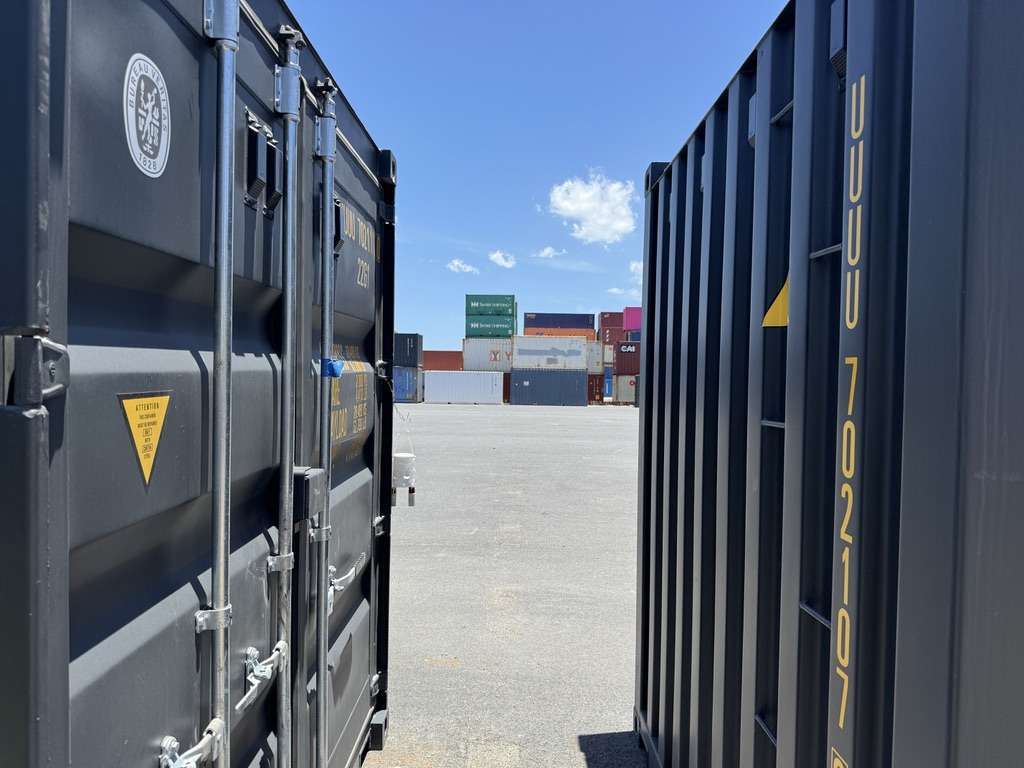
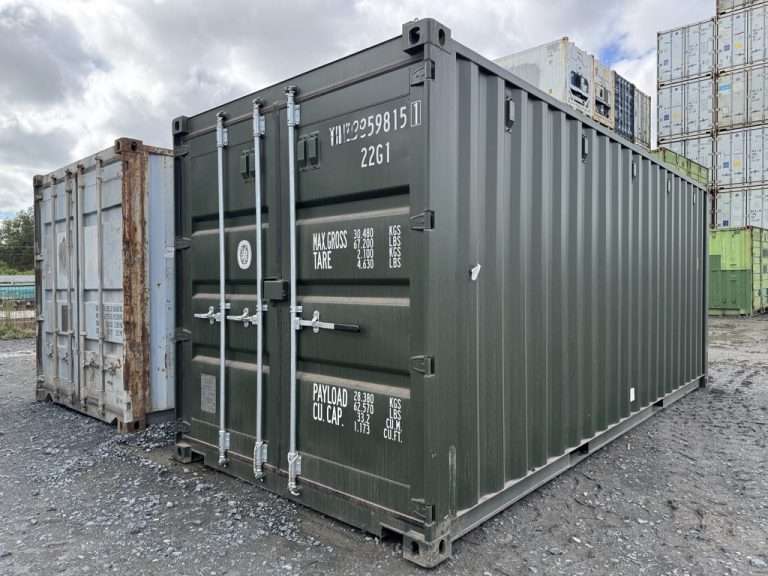
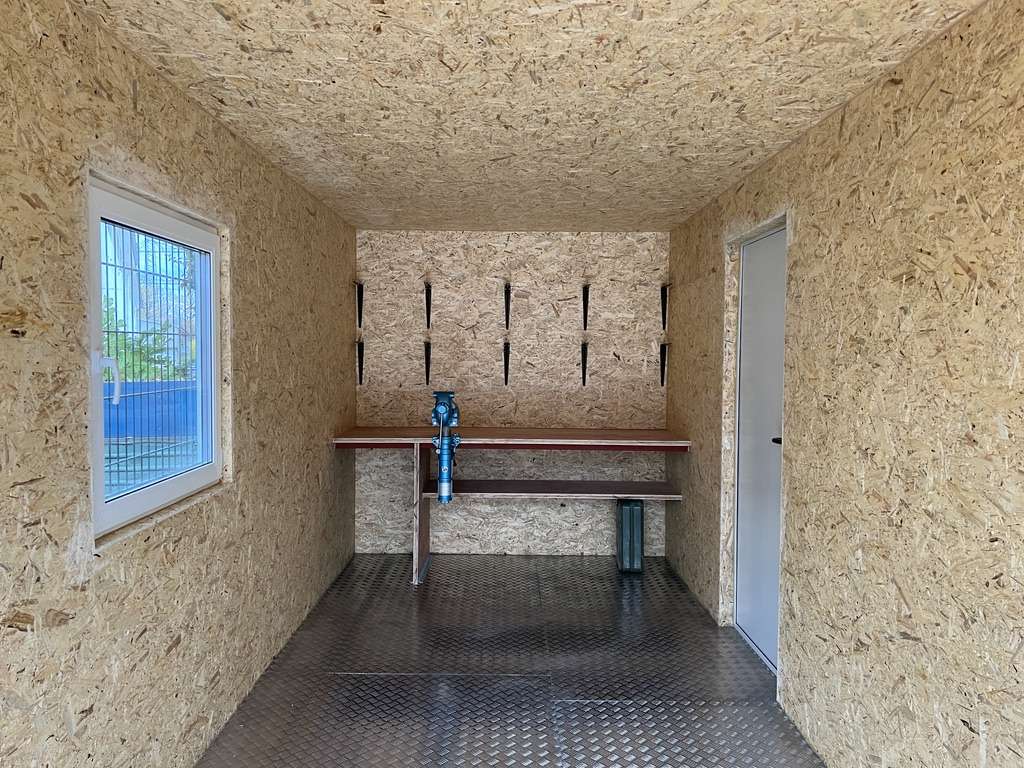
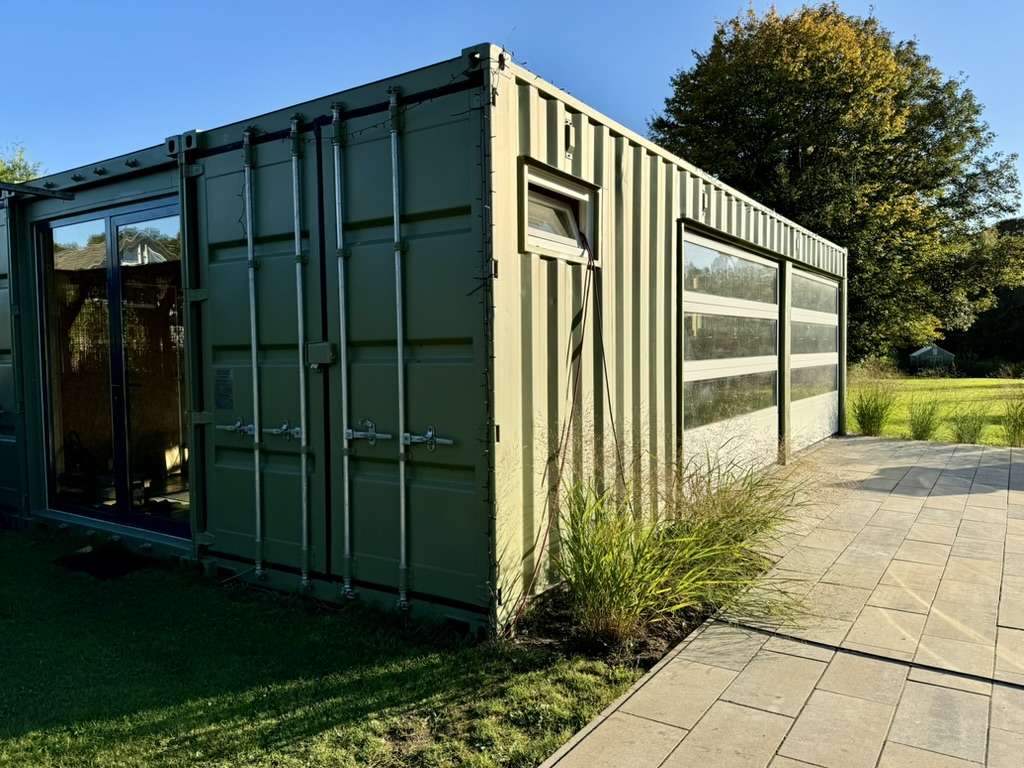
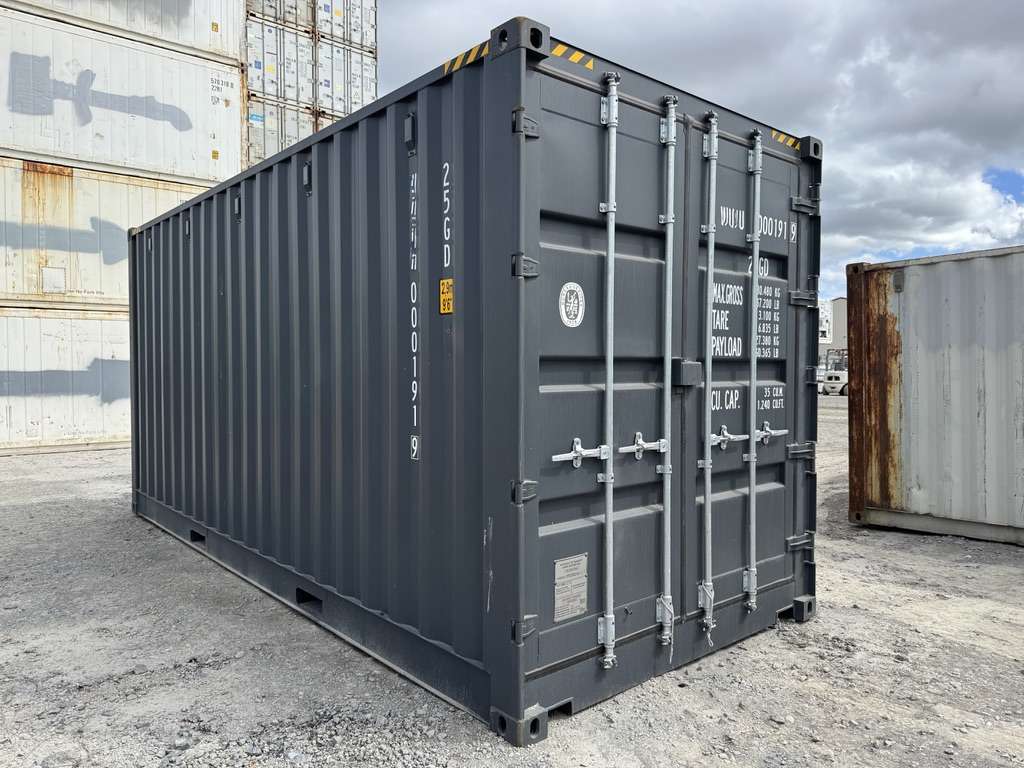
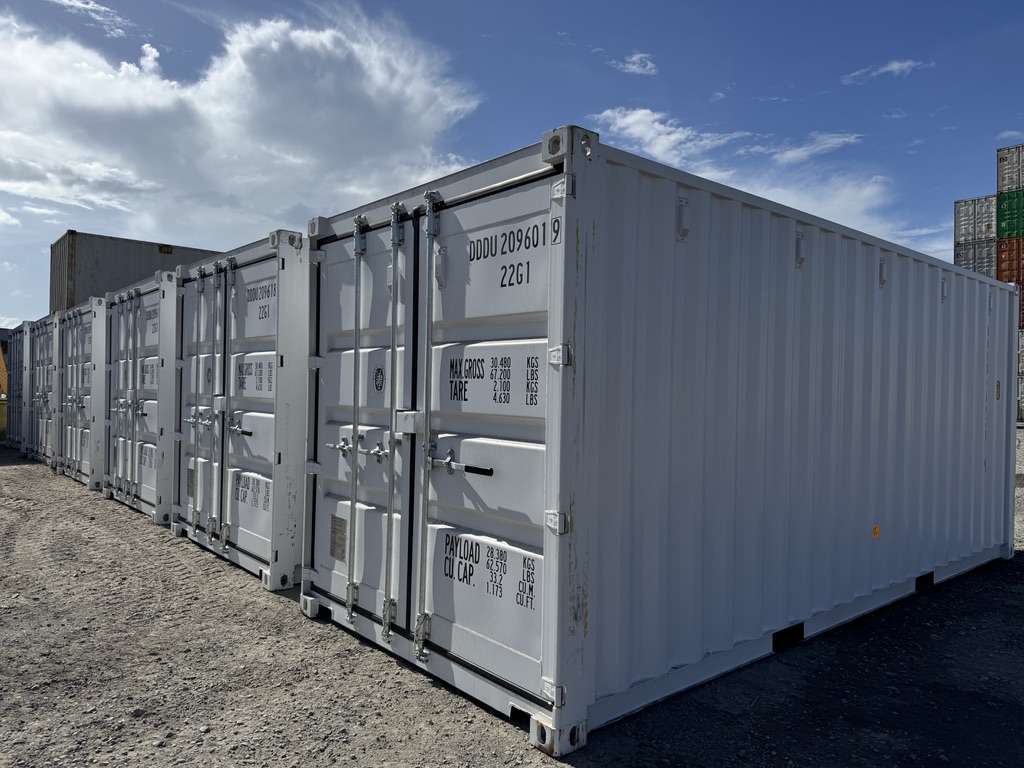
The 20ft shipping container is the most widely purchased size in the US market. It offers approximately 160 square feet of internal floor area, straightforward placement on most sites, and lower transport costs than larger units. Typical applications include on-site storage, workshops, a shipping container garage, jobsite offices, and smaller modification projects such as a shipping container pool. See full specs, dimensions, and pricing for 20ft shipping containers for sale.
40ft shipping containers
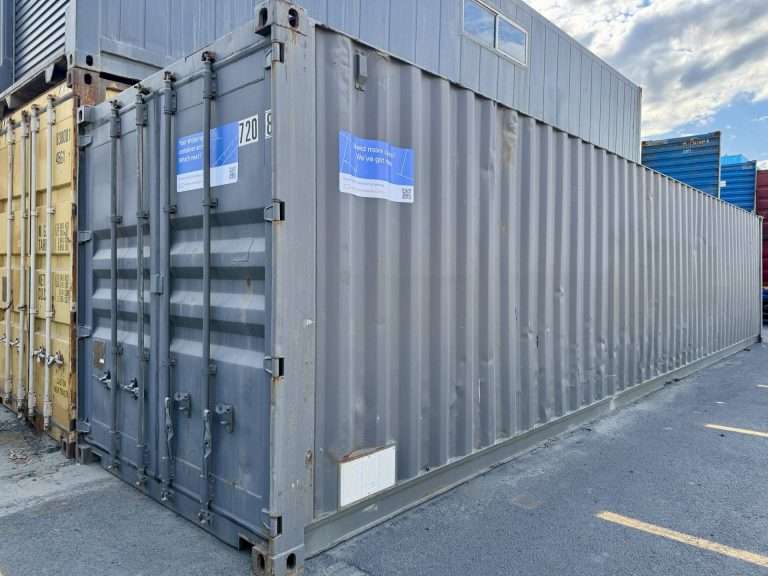
The 40ft shipping container provides nearly double the floor area of a 20ft unit at a price premium typically 30 to 60 percent higher, making it the preferred choice where storage volume or usable floor space is the primary requirement. The 40ft size is also standard for shipping container homes and larger commercial modifications, with both standard height and high cube versions available. See full specs, dimensions, and pricing for 40ft shipping containers for sale.
Used shipping containers
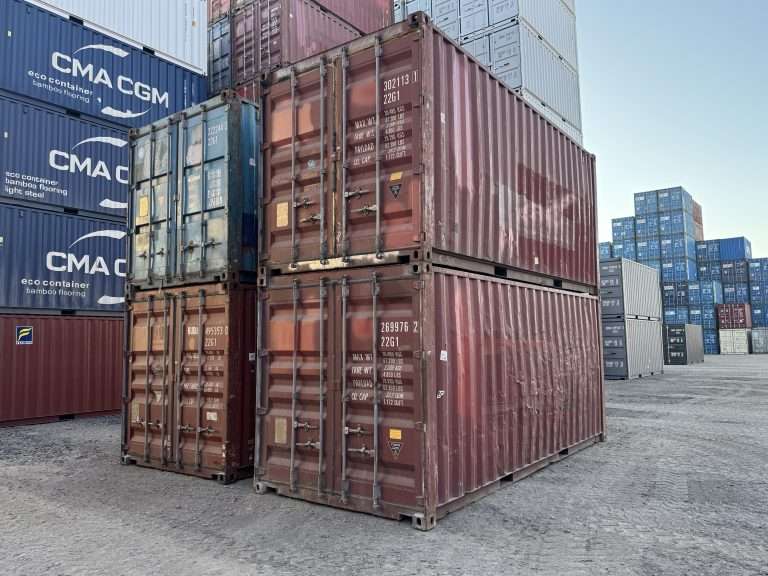
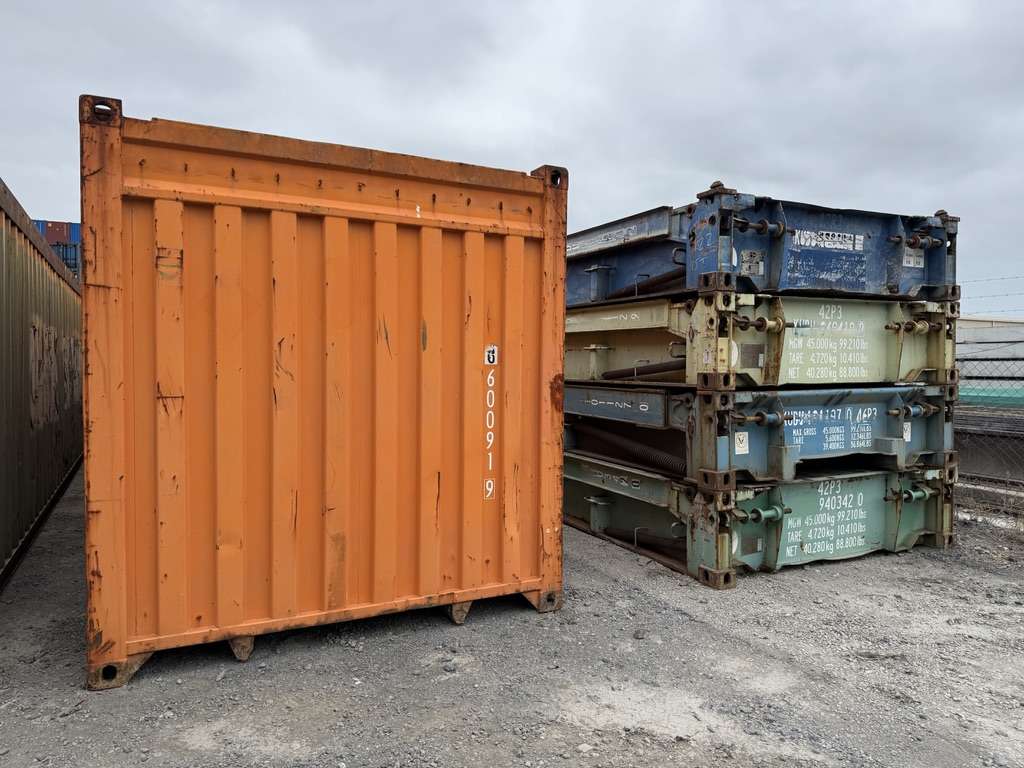
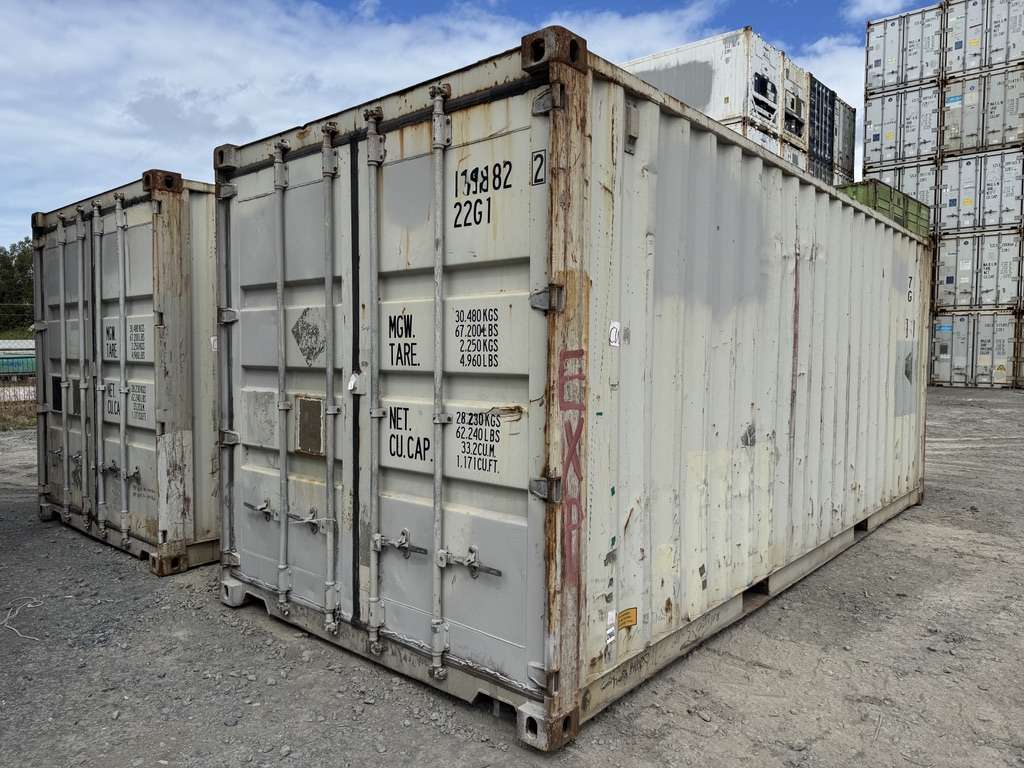
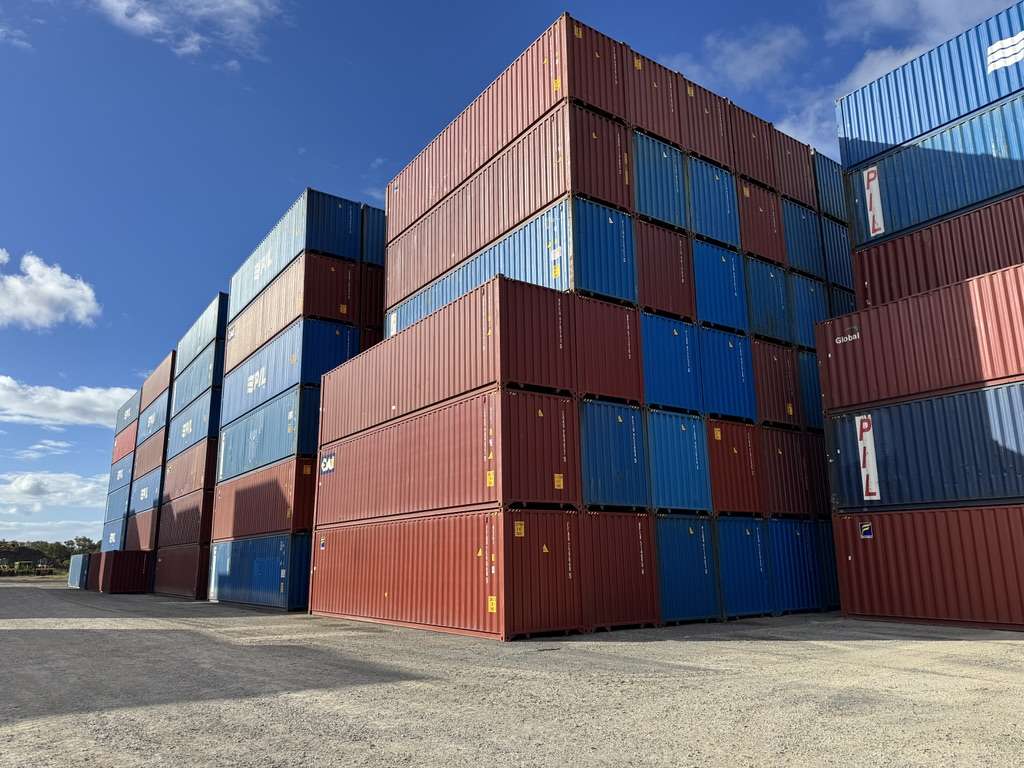
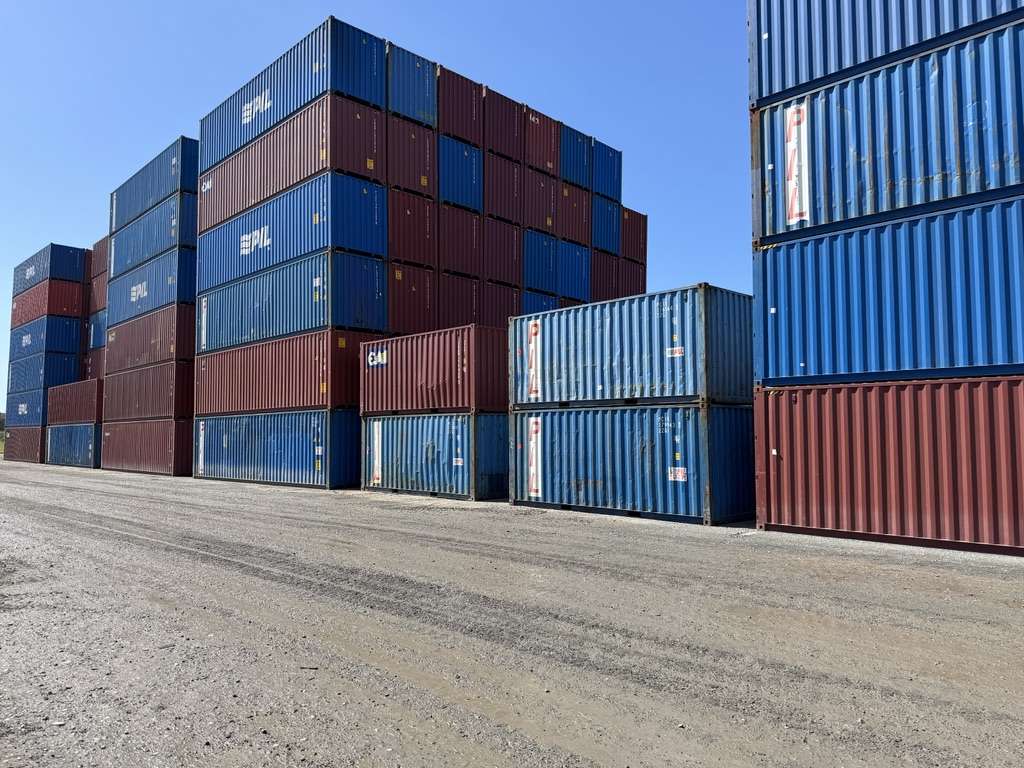
Used shipping containers represent the largest share of the US market by transaction volume. Inventory is graded by condition, most commonly Wind and Water Tight (WWT) or Cargo Worthy (CW) and pricing reflects both the grade and regional depot availability. See grades, pricing, and what to look for when buying used shipping containers for sale.
Pricing for shipping containers for sale in the USA is driven by four primary variables. Understanding these helps buyers compare quotes accurately and avoid surprises at delivery.
1. Size: 20ft versus 40ft, and standard height versus high cube 2. Condition: one-trip, Cargo Worthy, or Wind and Water Tight 3. Depot proximity: buyers near major port markets such as Houston, Los Angeles, Newark, Miami, Savannah, and Seattle generally benefit from broader supplier coverage and lower delivery costs 4. Delivery distance: transport is quoted separately and can represent a significant portion of the total delivered price
The most meaningful figure for comparison is the total delivered cost, which combines the container price, transport, and any site-preparation requirements. Base prices alone can be misleading when delivery terms vary materially between suppliers.
A significant portion of US buyers search using the term “conex box” rather than “shipping container.” In commercial practice, both terms refer to the same ISO-standard steel container. “Conex” originated as US military terminology, short for “container express” and dates back to the 1950s. It remains common in construction, storage, and logistics contexts across the United States. Learn more and find conex boxes for sale near you.
The global standard for transporting goods
What is a shipping container?
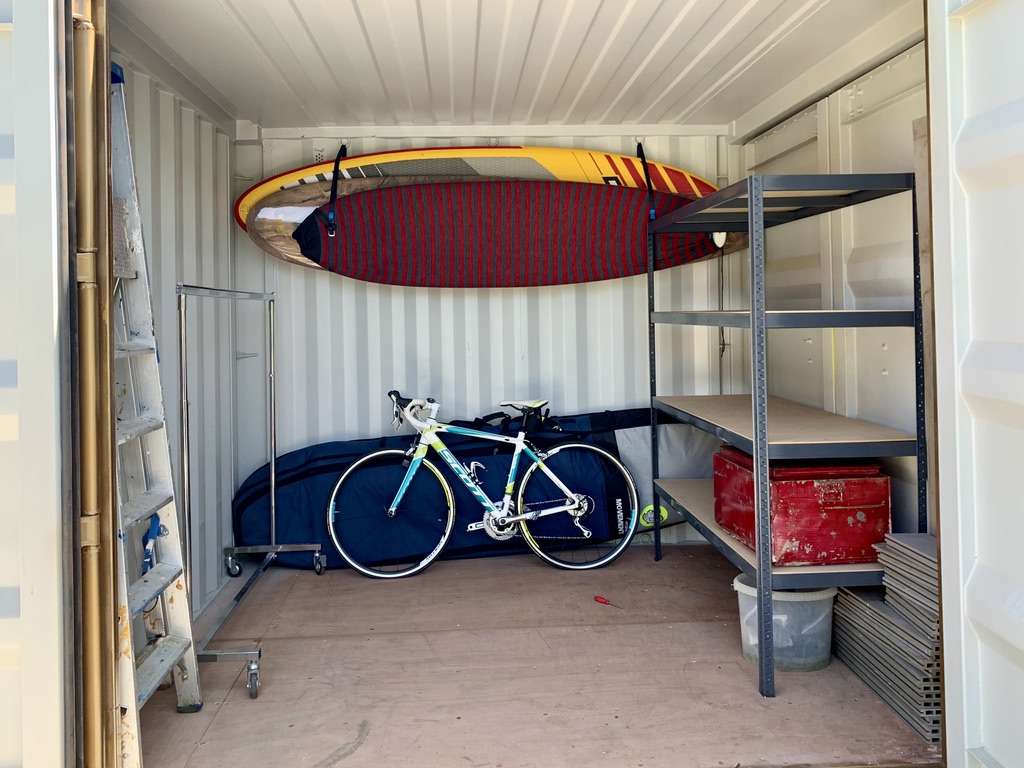
Shipping containers are the primary means of transport for goods across global trade networks. These ISO-standardized containers come in several sizes. 20ft and 40ft are the most common, with 10ft, 8ft, and 45ft available as specialized options. Beyond freight, shipping containers are widely used on land in the USA. Strong, weatherproof, portable, and fully customizable, they serve as storage on construction sites, commercial premises, and residential properties. They can also be converted into garages, workshops, offices, retail spaces, and container homes.
Why choose a shipping container?
Why US buyers choose shipping containers
Strong and secure. Corten steel construction with weathertight seals and optional lockboxes
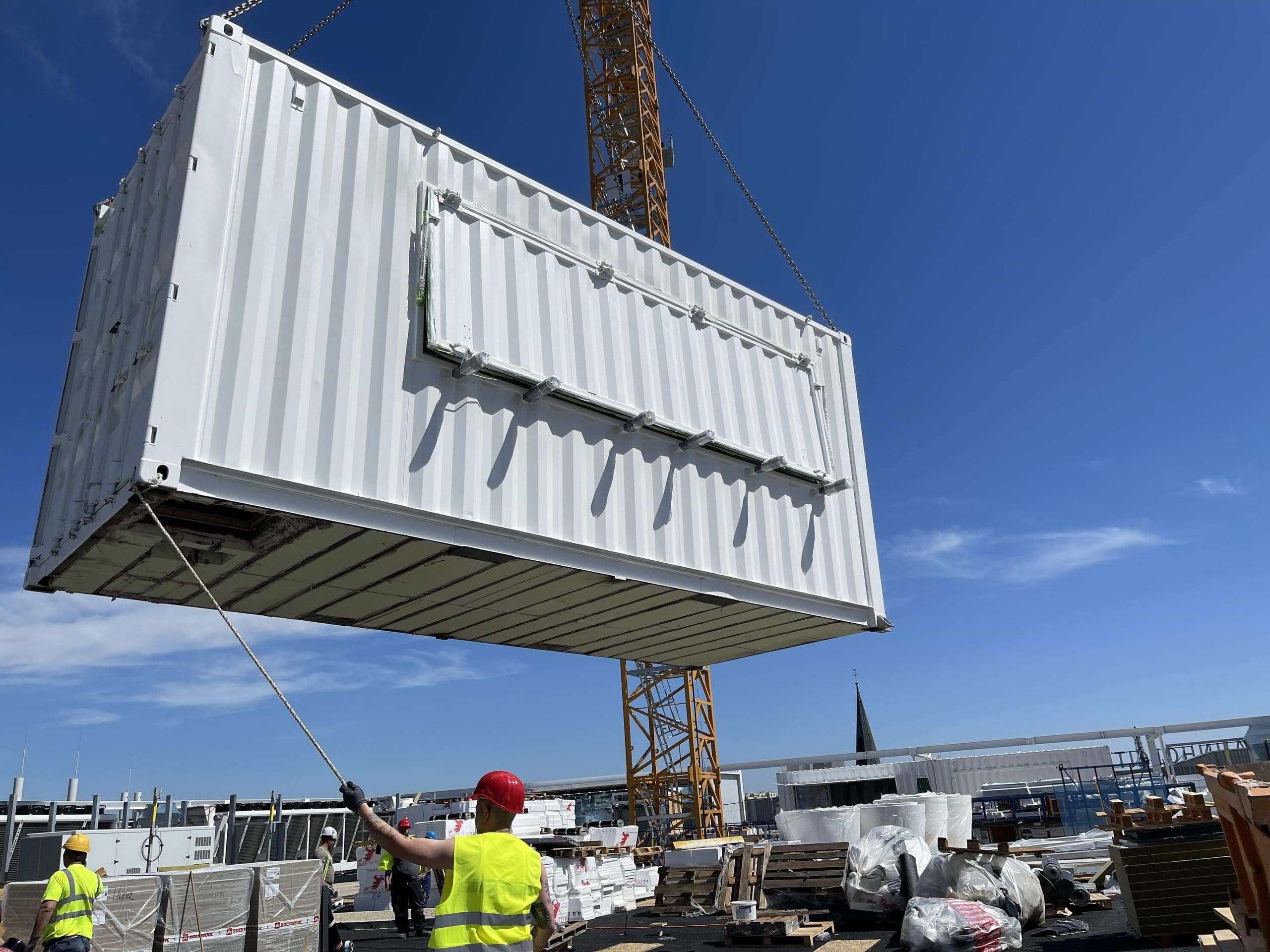
Highly modifiable. Add insulation, windows, doors, plumbing, and electrical to transform into usable space
Available nationwide. Supplier network covers all 50 states, with stronger coverage near major ports
Flexible placement. Position on driveways, jobsites, commercial lots, or rural properties
Got questions? Let’s chat.
Hello! I’m Andy – Container Specialist, how can I help you?
Whether you’re sizing up for storage, planning a modification, or comparing
20ft against 40ft for your project. Get direct guidance from someone who’s
worked with containers for 15+ years.
Shipping container tips, buyer guides, and market insights from the US market.
Shipping Container Homes in New York: Codes, NYC ADUs and Local Bans
How New York handles shipping container homes: the 2025 Uniform Code, NYC ancillary dwelling units, container laws in Buffalo, Sweden and Coxsackie, Adirondack Park review, septic and modular approval.
Shipping Container Homes in California: Codes, ADUs and City Rules
How California handles shipping container homes: the 2025 state codes, the LADBS conversion bulletin, San Diego rules, state ADU law, HCD approval for factory-built units and counties that allow containers only for storage.
Shipping Container Homes in Washington: Codes, ADUs and L&I Rules
How Washington handles shipping container homes: the 2021 state codes, Pierce, King and Ferndale container rules, the two-ADU state law, the energy code wall U-factor and the L&I factory-assembled program.
Buying online? Andy shows the warning signs of container scams and what to check before you pay a deposit.
Free monthly email
Andy’s Container Report
Container prices for your city, rule changes in your state, Andy’s newest videos and stock deals when we have them. One email a month, unsubscribe any time.
FAQs
You’ve got questions, we’ve got answers
Everything you need to know about shipping containers in the US market.
01
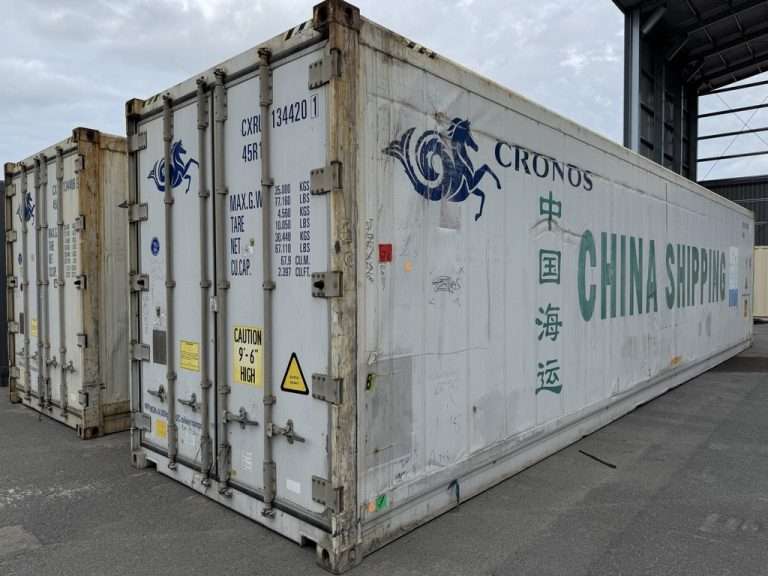
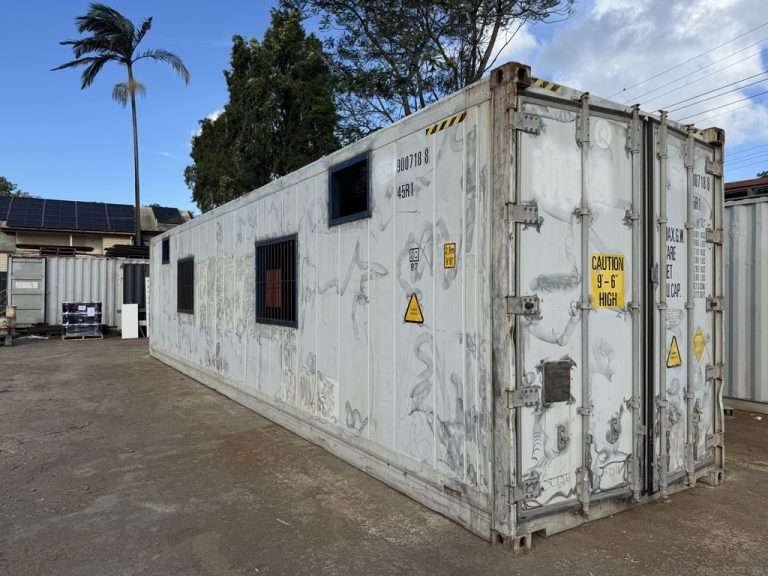
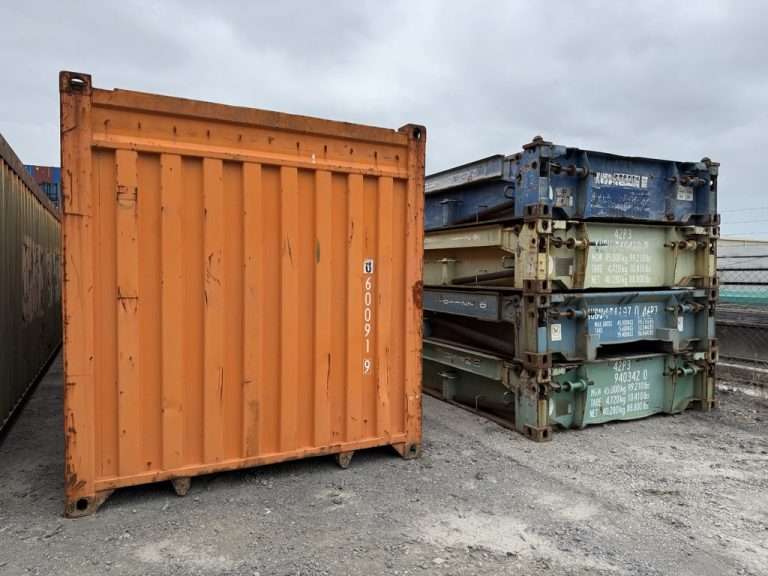
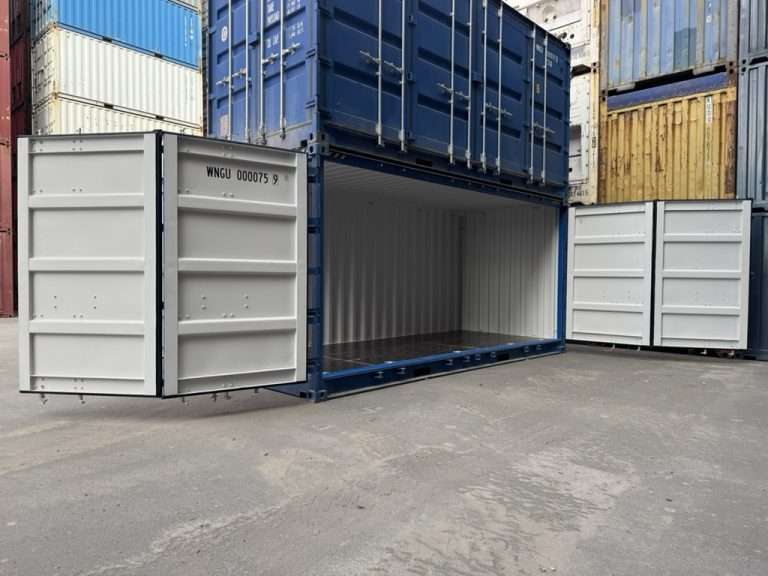
Standard ISO shipping containers share a uniform width of 8ft (2.44m) and height of 8ft 6in (2.59m), which makes them stackable and transportable across sea, rail, and road. In terms of length, 20ft (6.06m) and 40ft (12.19m) containers are by far the most common in the US market, with 10ft units also widely available. Specialized options include 8ft, 45ft, high cube (9ft 6in height), side-opening, refrigerated (reefer), open-top, flat rack, and containers rated for dangerous goods transport.
02
Start with the use case. Transport, storage, workshop, modification project, or container home. That determines the right size, condition grade, and any modifications you’ll need. Then factor in your site: placement space, ground conditions, and delivery access. Budget is the final variable. A quality used Cargo Worthy unit is cost-effective for most storage applications, while one-trip containers are typically specified for visible or customer-facing projects and habitable conversions.
03
Container availability varies by region. Buyers near major port markets like Houston, Los Angeles, Newark, Miami, Seattle, Savannah generally benefit from broader supplier coverage and lower delivery costs. To receive comparable offers from qualified local suppliers, provide your ZIP code, required size, preferred condition, and intended use. Suppliers with relevant stock will respond with quotes for review.
04
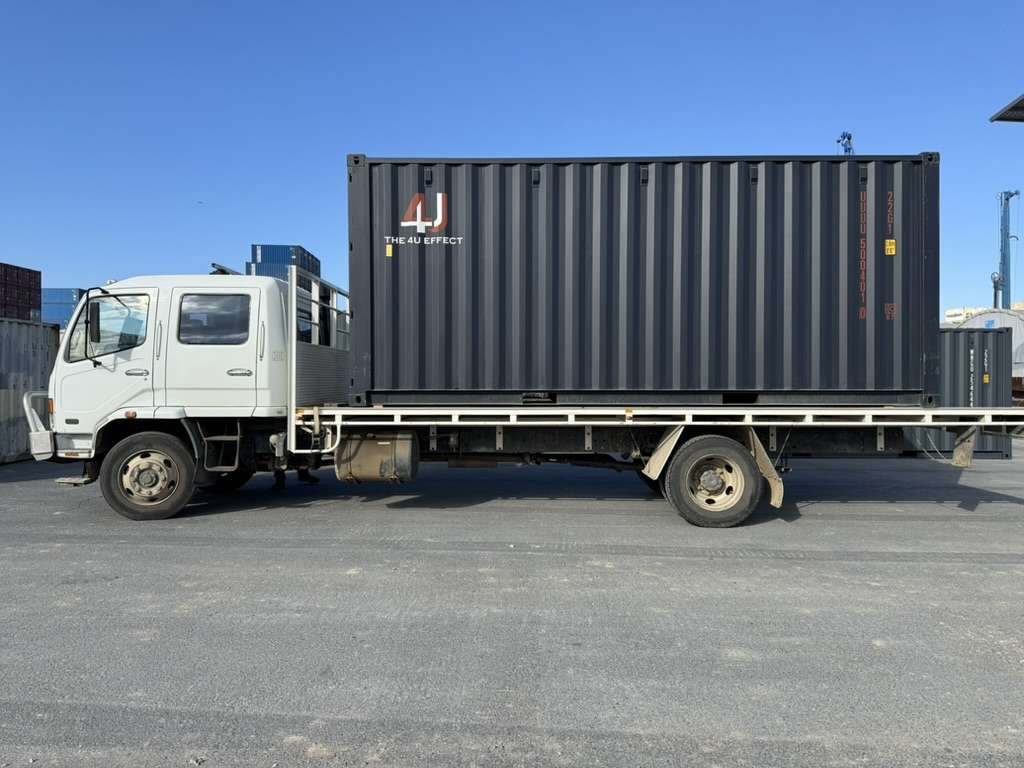
Yes. Shipping containers are intermodal. They can be transported by truck, rail, and sea, so delivery is possible across the continental USA, including rural and remote sites. Delivery distance and site access are the primary cost factors: longer distances from a supplier depot increase transport cost, and sites with limited access may require a tilt-bed truck or crane placement. Suppliers will confirm site access requirements as part of the quote.
05
Many suppliers in the network offer rental and lease-to-own options alongside outright purchase. Renting can be a better fit for short-term storage, event use, or temporary jobsite deployments, while purchasing is typically more economical for long-term or customized applications. Because pricing and availability vary by region and supplier, submit your requirements to see rental, lease, and purchase quotes side by side.
06
“Conex box” is US military terminology short for “container express” that dates to the 1950s. In commercial usage today, “conex box” and “shipping container” refer to the same ISO-standard steel container. The term remains common in construction, logistics, storage, and defense contexts across the United States.
See it full size on your property
Use your phone camera to place the container on your property at its real size. You see how much room it takes and how it sits before you buy.
Size
Grade and color
Scan with your phoneThis page opens straight on your phone.
On your phone, tap “View full size”.
Move the phone slowly over the ground until it picks up the surface.
The container appears about 10 ft in front of you, doors facing you, so you see all of it straight away.
Drag with one finger to bring it closer or move it. Twist with two fingers to turn it. You can also walk around it.
Full-size view is not available on this device. Turn the 3D model above with your finger to see it from every side.
Works on iPhone 6s or newer with iOS 12 or later and on most Android phones from 2018 on with Google Play Services for AR. On other devices you can turn the 3D model above and look at it from every side.
External size 20ft: 20 ft × 8 ft × 8 ft 6 in (6.06 × 2.44 × 2.59 m), length × width × height
"*" indicates required fields
Read the latest posts
Shipping Container Homes in New York: Codes, NYC ADUs and Local Bans
How New York handles shipping container homes: the 2025 Uniform Code, NYC ancillary dwelling units, container laws in Buffalo, Sweden and Coxsackie, Adirondack Park review, septic and modular approval.
Shipping Container Homes in California: Codes, ADUs and City Rules
How California handles shipping container homes: the 2025 state codes, the LADBS conversion bulletin, San Diego rules, state ADU law, HCD approval for factory-built units and counties that allow containers only for storage.
Shipping Container Homes in Washington: Codes, ADUs and L&I Rules
How Washington handles shipping container homes: the 2021 state codes, Pierce, King and Ferndale container rules, the two-ADU state law, the energy code wall U-factor and the L&I factory-assembled program.