How Much Does a Shipping Container Cost? 7 Factors That Affect Your Price
The price you see quoted is rarely the full cost. This guide breaks down the seven factors that drive what you actually pay for a shipping container in the US market, plus the hidden costs most buyers do not budget for.
About the host Andy is a container industry professional with 15+ years of experience and the creator of Andy knows Containers, an independent YouTube channel focused on helping buyers make informed container decisions.
Starting points
What buyers start from today
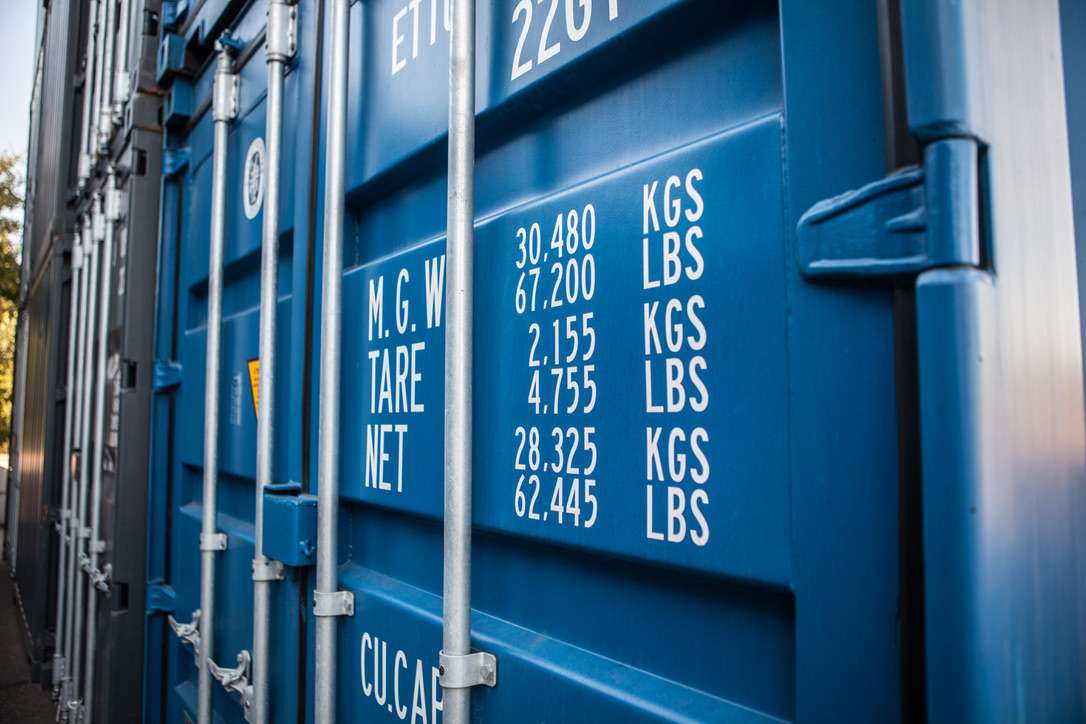
Before delivery, grade and modifications are added, these are the depot starting points for the three containers buyers ask about most. The factors below explain how the final number comes together.
Starting prices at the depot, based on current inventory at major US container depots. Delivery, sales tax and local fees are extra and depend on your ZIP code. Your supplier confirms the final price in your quote.
Container pricing is rarely as simple as the number on the supplier website. The base price covers the unit at the depot in a specific condition. Several costs sit beside that number: delivery to your site, site preparation if the ground is not ready, any modifications you need, and in many jurisdictions, a permit fee before the unit can stay long-term.
This page walks through the seven factors that actually move the total you pay. For the actual price ranges by size and grade, see the 2026 shipping container price guide.
For buyers planning a project, the most useful exercise is to map all seven factors against your specific situation before requesting quotes. That tells you whether a $2,500 container quote is realistic or whether $4,500 is closer to the truth once everything is added up.
These are the seven variables that move the final price up or down. The first three apply to every purchase. The last four apply when your project goes beyond plain storage on flat ground.
1. Container grade and condition
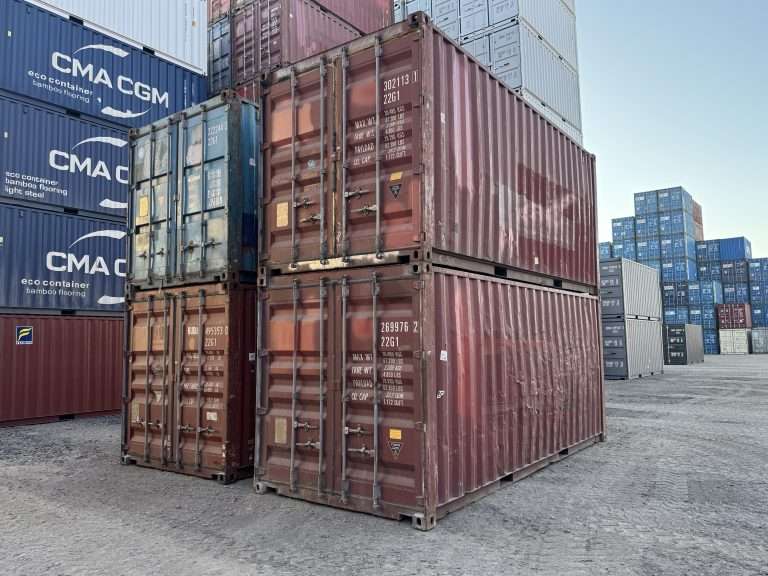
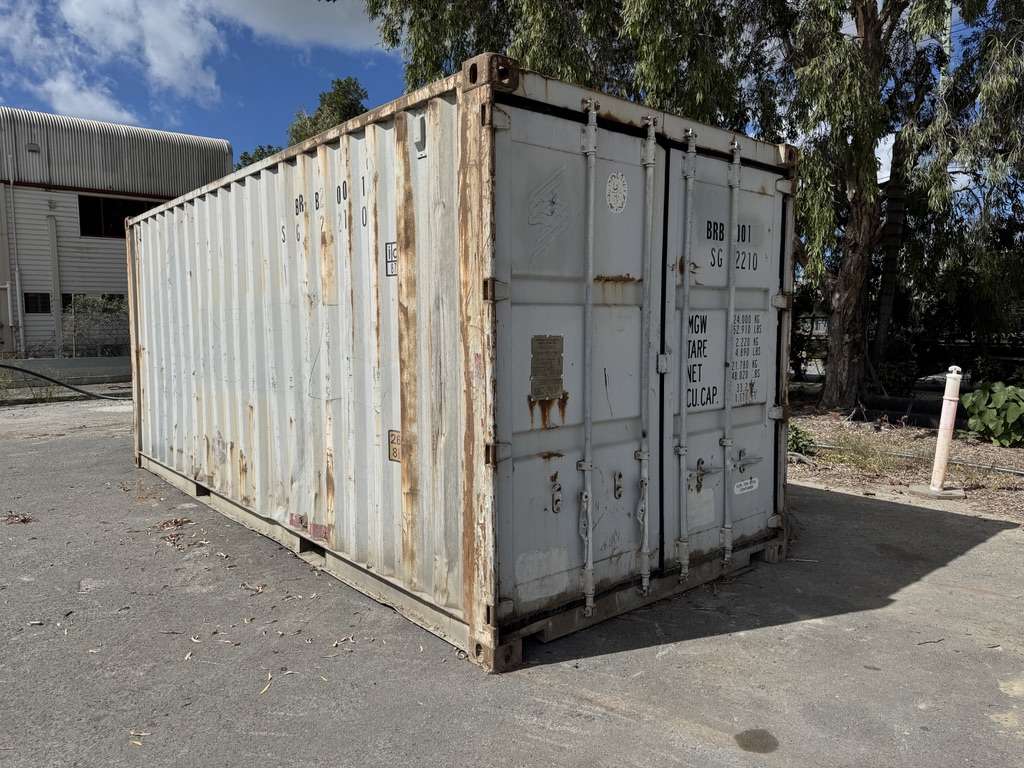
Grade is the single largest variable on a typical purchase. The same 20ft container can carry three different prices depending on whether it grades out as WWT (Wind and Water Tight), CW (Cargo Worthy), or One-Trip (near new). The gap between WWT and CW is typically $500 to $750 on a 20ft. The gap between CW and One-Trip is roughly the same size again.
The right grade depends on the actual use case, not on what looks best in the photo. Site storage, farm storage, and most construction yard work runs perfectly well on WWT. Export shipping, container modifications, and customer-facing applications usually justify the step up to CW or One-Trip. Buying a One-Trip for backyard tool storage is paying for cosmetics you will not benefit from.
2. Container size and type
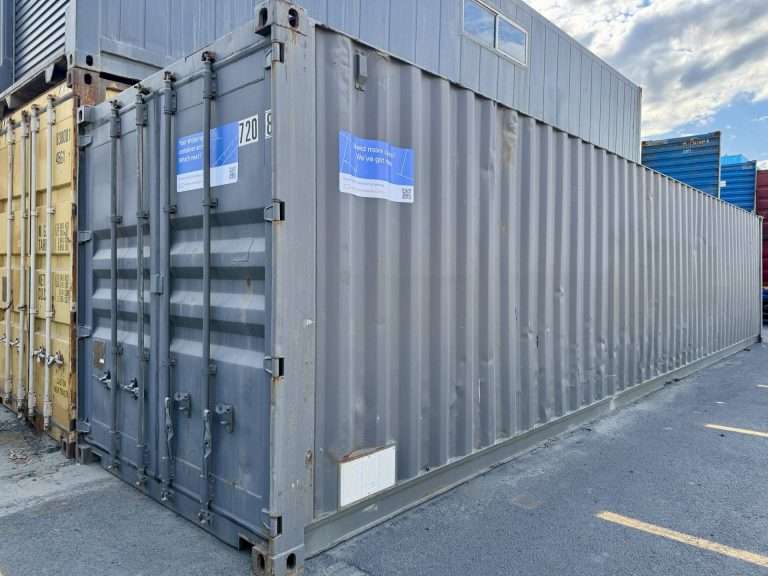
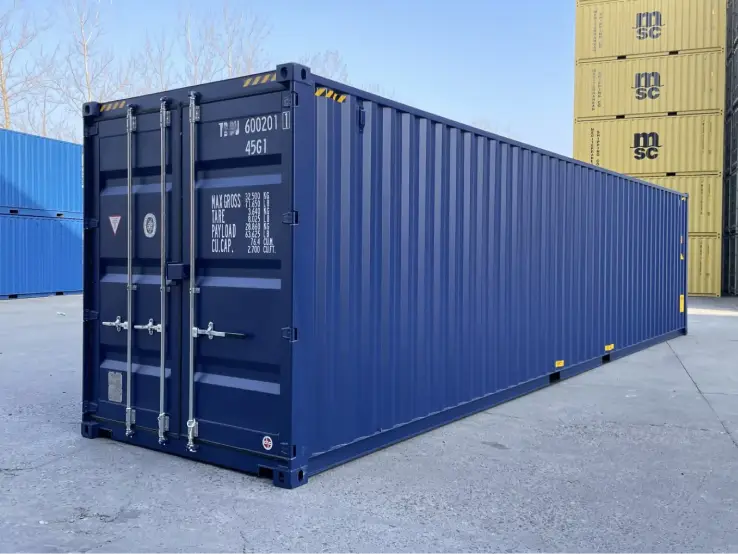
Larger containers cost more in absolute dollars, but less per cubic foot. A 40ft container has roughly double the floor area of a 20ft and costs only 30 to 60 percent more at the same grade. For buyers who can fit a 40ft on site, it is almost always the better economics per dollar of storage.
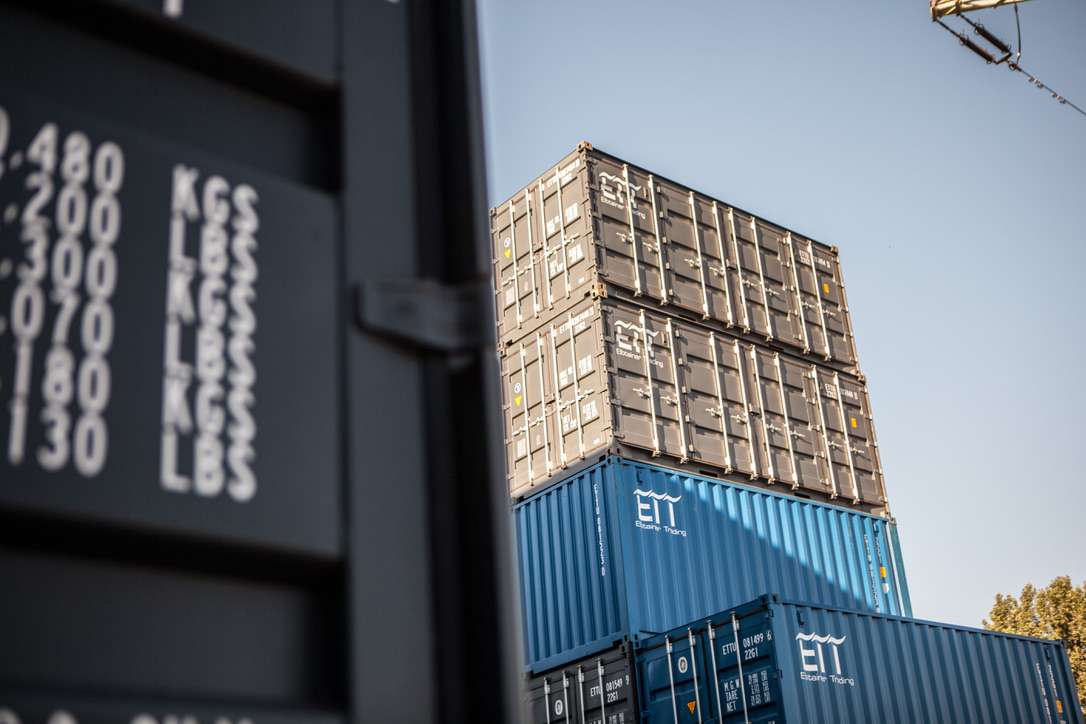
Specialized container types carry significant cost premiums over standard dry vans. Refrigerated (reefer) units cost 3 to 5 times the price of a dry container of the same size, because of the integrated Carrier or ThermoKing cooling unit. Flat racks and open tops run 2 to 4 times more, because they are produced in smaller volumes and serve niche cargo. If your project does not require the specialized feature, a standard dry van is always the better value.
3. Delivery distance from the depot
Delivery is quoted separately from the container price by most suppliers. The line item that catches first-time buyers off guard is not the depot price, it is the truck leg from depot to site. Coastal buyers near major ports usually pay the smallest delivery component. Inland buyers in the Mountain West, the rural Midwest, and remote Pacific Northwest can see delivery alone match the cost of the container itself.
For delivery prices by distance, per-mile rates and extra fees, see our guide to shipping container transport cost. Current depot prices are in the 2026 price guide, and market prices for every metro area are in our shipping container price index. The principle is simple: always compare total delivered prices, not depot prices.
4. Site preparation
A shipping container needs a level, stable surface. Concrete, sealed soil, compacted gravel, or railroad ties all work. Soft or uneven ground causes door alignment problems and long-term structural stress as the container shifts.
Site prep cost depends on what you already have and what the container will be doing. Indicative ranges:
Railroad ties for short-term placement: $100 to $300
Compacted gravel pad for long-term placement: $300 to $800
Concrete piers or footings: $500 to $1,500
Full concrete slab for permanent or residential use: $3,000 to $8,000
For flat backyard sites with stable soil, site prep is often a few hours of work and minimal material cost. For sloped, soft, or waterlogged sites, the prep can easily cost more than the container.
5. Modifications and accessories
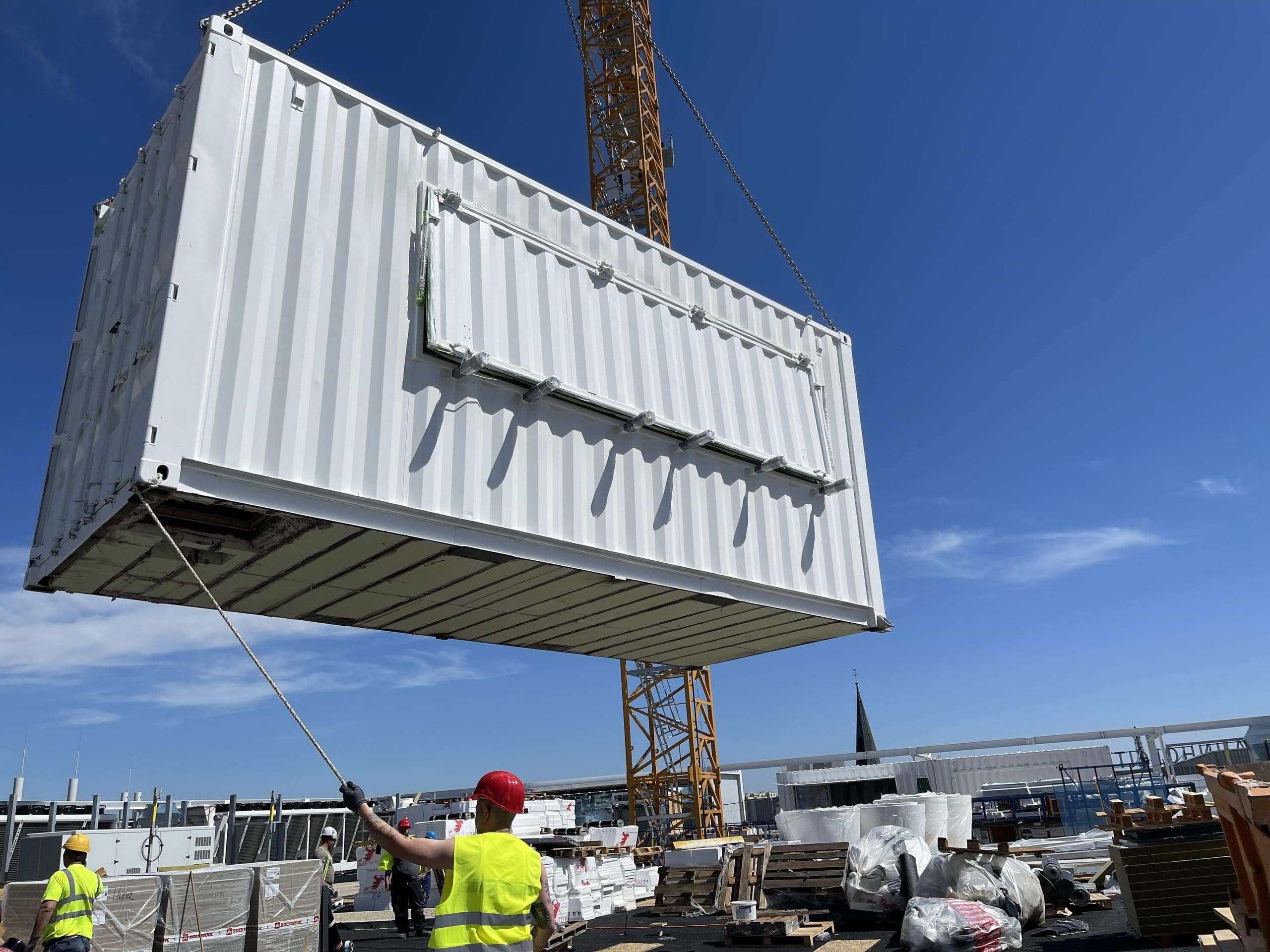
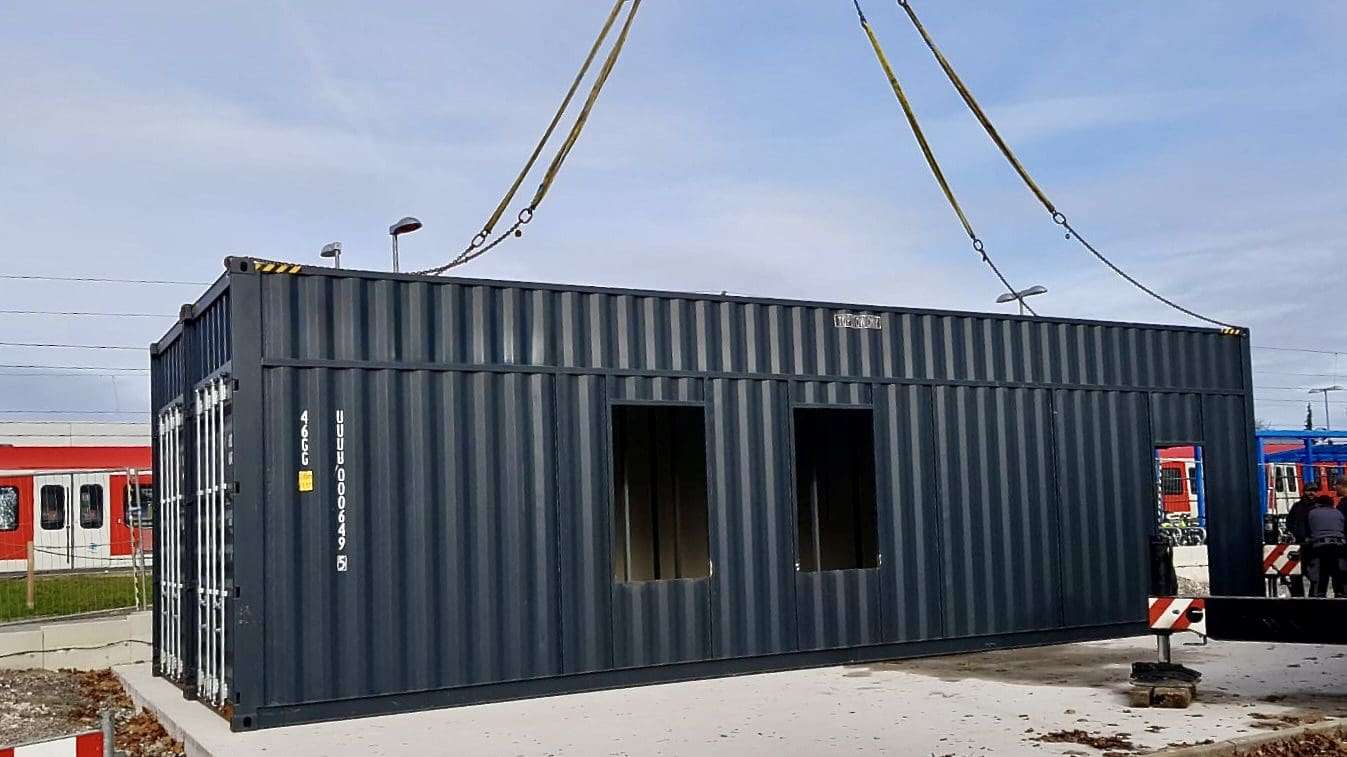
A container delivered as-is is fine for storage. Anything beyond storage usually involves modifications, and those add to the total cost. Common modification ranges in the 2026 US market:
Roll-up door installation: $1,500 to $3,500
Personnel door or window cut-out: $500 to $2,000 per opening
Insulation (spray foam or rigid panel): $1,500 to $4,500 for a 20ft container
Electrical wiring and panel: $1,500 to $4,000
HVAC or mini-split installation: $1,500 to $4,500
Interior finishing (drywall, flooring, paint): $2,000 to $8,000
Exterior repaint: $650 for a 20ft, $1,050 for a 40ft
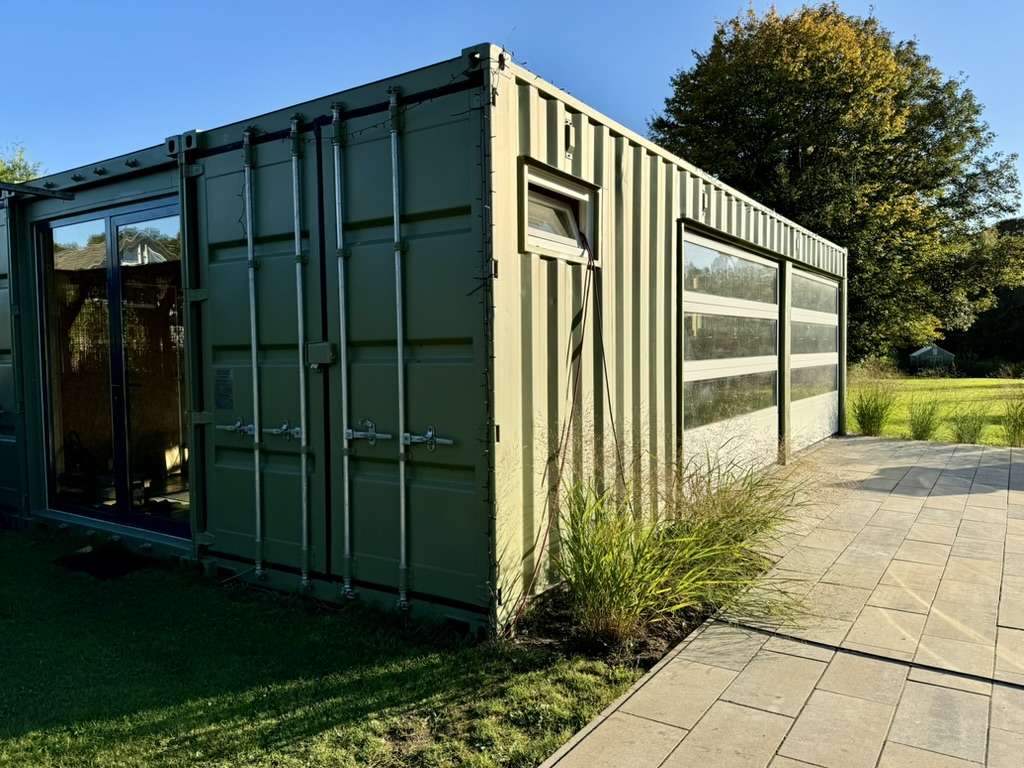
A basic site-office build (door, two windows, insulation, electrics, paint) typically lands at $10,000 to $20,000 in modification cost on top of the container itself. A full residential conversion can run $25,000 to $60,000 or more, before utility connections.
6. Permits and local regulations
Permit requirements vary significantly by jurisdiction. As a general guide:
Temporary storage containers on private land are often permit-exempt, though some HOAs and municipalities restrict placement or require screening from view
Permanent placement, particularly for containers used as buildings, offices, or homes, almost always requires a building permit and may need to satisfy local zoning
Shipping container homes are subject to full residential building codes, which vary by state
Permit costs typically range from $50 for a simple storage notification to several thousand dollars for a residential conversion that requires engineered plans and inspections. Setbacks from property lines run 5 to 25 feet depending on the zone. The cost surprise most buyers hit is not the permit fee itself, it is the time and engineering work needed to get the permit approved.
Always check with your local planning department before ordering a container intended for long-term or modified use. Some agricultural zones allow containers with minimal oversight. Some residential zones prohibit them entirely.
7. Market timing and steel prices
Container prices follow global steel markets, container production in China, and the balance of import and export container flows through US ports. During the 2021 to 2022 supply chain crunch, new container prices nearly doubled. By 2025 and into 2026, prices normalized as global trade rebalanced and the surplus of empty containers in the US grew.
The current 2026 market is one of the better buying windows in recent years. Used inventory in Cargo Worthy and WWT condition is plentiful at most US ports. Whether that holds for the rest of the year depends on steel prices, trade policy, and shipping volumes, all of which can move the market within weeks.
For non-urgent purchases, monitoring prices over a 4 to 8 week window can save several hundred dollars on a single unit. For urgent purchases, current pricing is what you pay.
Total delivered cost: the number that matters
The most useful number for budgeting and comparison is the total delivered cost: container base price, plus delivery, plus any site preparation, plus any modifications. Comparing base prices alone across suppliers gives a misleading picture, because two suppliers can show identical container prices and then differ by $1,500 once delivery and prep are added.
Before committing to a purchase, it helps to see how container ownership compares to the most common alternatives. Indicative 2026 economics over a 24-month horizon:
Option
Upfront cost
Monthly cost
24-month total
Asset at end
Used WWT 20ft (buy)
$2,600 delivered
$0
$2,600
Yes, resale ~$1,800
Container rental
$0
$175
$4,200
No
Self-storage unit
$0
$150
$3,600
No
Timber shed
$4,500 build
$0
$4,500
Yes, depreciating
The math consistently favors ownership for any storage need beyond 12 to 18 months. Current rental rates and fees are in our guide to shipping container rental. Buying a used WWT 20ft for $2,600 delivered breaks even against a $175 per month rental at around 15 months, and the container still has a resale value of $1,500 to $2,200 at the end of 24 months.
For storage needs under 6 months, rental or self-storage usually wins on flexibility. For anything longer, ownership delivers better total economics, and the container can be relocated or sold when the project ends.
Shipping container tips, buyer guides, and market insights from the US market.
Shipping Container Homes in New York: Codes, NYC ADUs and Local Bans
How New York handles shipping container homes: the 2025 Uniform Code, NYC ancillary dwelling units, container laws in Buffalo, Sweden and Coxsackie, Adirondack Park review, septic and modular approval.
Shipping Container Homes in California: Codes, ADUs and City Rules
How California handles shipping container homes: the 2025 state codes, the LADBS conversion bulletin, San Diego rules, state ADU law, HCD approval for factory-built units and counties that allow containers only for storage.
Shipping Container Homes in Washington: Codes, ADUs and L&I Rules
How Washington handles shipping container homes: the 2021 state codes, Pierce, King and Ferndale container rules, the two-ADU state law, the energy code wall U-factor and the L&I factory-assembled program.
Container prices for your city, rule changes in your state, Andy’s newest videos and stock deals when we have them. One email a month, unsubscribe any time.
The base container price covers the unit at the depot. Most quotes do not include delivery to your site, site preparation work, modifications, or permits in jurisdictions that require them. The order of magnitude varies: delivery typically runs $350 to $2,000 depending on distance, site prep $100 to $1,500 for storage projects, and permits $50 to several thousand depending on use case. Always ask the supplier for a complete delivered figure including everything you need.
02
Modification costs depend on what you add. A roll-up door is $1,500 to $3,500 installed. Insulation for a 20ft container runs $1,500 to $4,500. Full electrical with panel and outlets is $1,500 to $4,000. A basic site-office build with door, windows, insulation, electrics, and paint typically lands at $10,000 to $20,000 in modification cost on top of the container. A residential conversion runs $25,000 to $60,000 or more.
03
It depends on jurisdiction and use case. Temporary storage containers on private land are often permit-exempt, especially in rural and agricultural zones. Permanent placement, modified containers, and containers used as offices or homes almost always require a building permit. Permit costs range from $50 for simple storage notification to several thousand dollars for residential conversions with engineered plans. Always check with your local building department before ordering for long-term or modified use.
04
Site prep depends on what is already there. Railroad ties for short-term placement run $100 to $300. A compacted gravel pad for long-term storage is $300 to $800. Concrete piers or footings cost $500 to $1,500. A full concrete slab for permanent or residential use runs $3,000 to $8,000. For flat backyard sites with stable soil, site prep is often minimal. Sloped, soft, or waterlogged sites can cost more in prep than the container itself.
05
Yes. Most US retailers offer financing through providers like Clicklease or Affirm, typically with terms of 24 to 60 months. Monthly payments on a financed 20ft container usually run $75 to $155 depending on the grade and term length. For buyers with a need beyond 12 months, financing a used container at $80 to $100 per month is often cheaper than the equivalent monthly rental, and you own the asset at the end.
06
Container maintenance is minimal compared to most outbuildings. Indicative annual costs: spot rust treatment under $100 in materials if done yourself, door seal replacement $30 to $80 every few years, lithium grease for hinges around $10. A full repaint with marine-grade paint every 5 to 10 years extends lifespan in coastal or high-humidity climates. Adding ventilation if condensation becomes an issue costs $80 to $120 per vent. Total annual maintenance for a well-placed container is typically under $200.
07
A container placed on your property typically falls under your homeowner or commercial property insurance once declared. Some policies require an endorsement for external structures, which usually adds a modest premium. Speak to your insurer before delivery to confirm coverage. The cost surprise to watch for is that a container being used as a workshop, office, or dwelling may need a different class of coverage than one being used purely for storage.
08
For storage needs beyond 12 to 18 months, ownership delivers better total economics than renting or self-storage. A used WWT 20ft purchased for $2,600 delivered breaks even against a $175 per month rental in roughly 15 months. After that point you own the asset, with a resale value of $1,500 to $2,200 typical after 24 months. Containers are built for 25+ years of service, so the second-hand market for older but functional units remains active across the US.
Related container information
Shipping container prices
Real 2026 price ranges by size and grade, from 10ft to 53ft. See the price matrix, size-by-size breakdown, and delivery cost guide.
Need help calculating your total project cost? Lets talk.
Whether you are pricing a backyard storage build, comparing a modification project against alternatives, or trying to figure out what permits apply to your address, get direct guidance from someone who has worked in the container market for 15+ years.
Shipping Container Homes in New York: Codes, NYC ADUs and Local Bans
How New York handles shipping container homes: the 2025 Uniform Code, NYC ancillary dwelling units, container laws in Buffalo, Sweden and Coxsackie, Adirondack Park review, septic and modular approval.
Shipping Container Homes in California: Codes, ADUs and City Rules
How California handles shipping container homes: the 2025 state codes, the LADBS conversion bulletin, San Diego rules, state ADU law, HCD approval for factory-built units and counties that allow containers only for storage.
Shipping Container Homes in Washington: Codes, ADUs and L&I Rules
How Washington handles shipping container homes: the 2021 state codes, Pierce, King and Ferndale container rules, the two-ADU state law, the energy code wall U-factor and the L&I factory-assembled program.