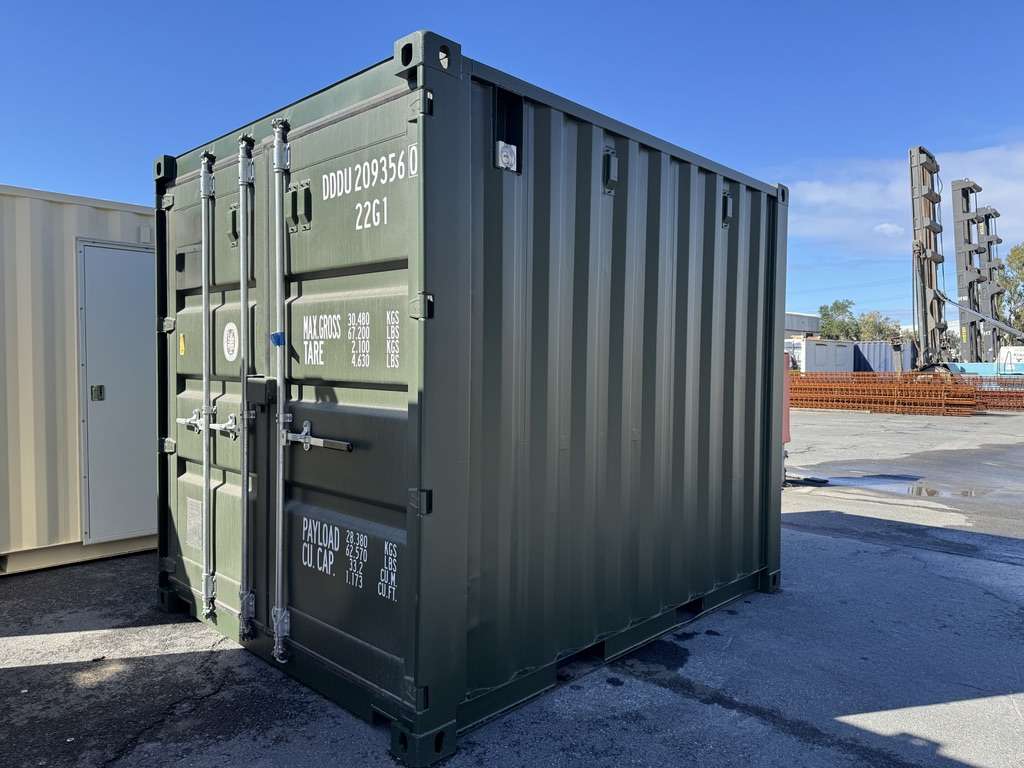
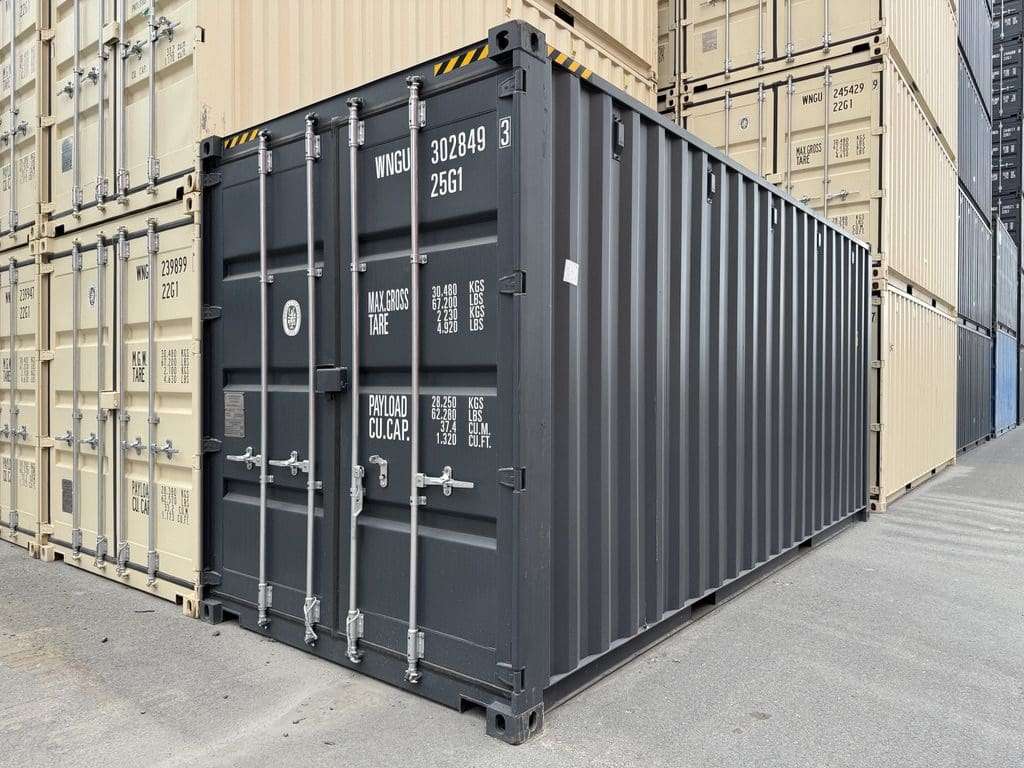
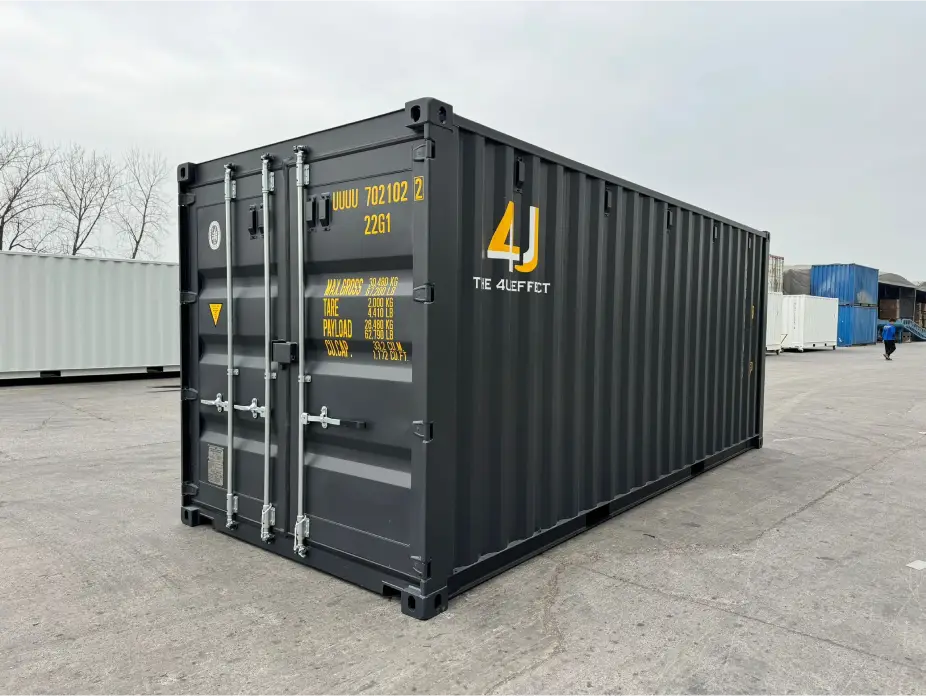
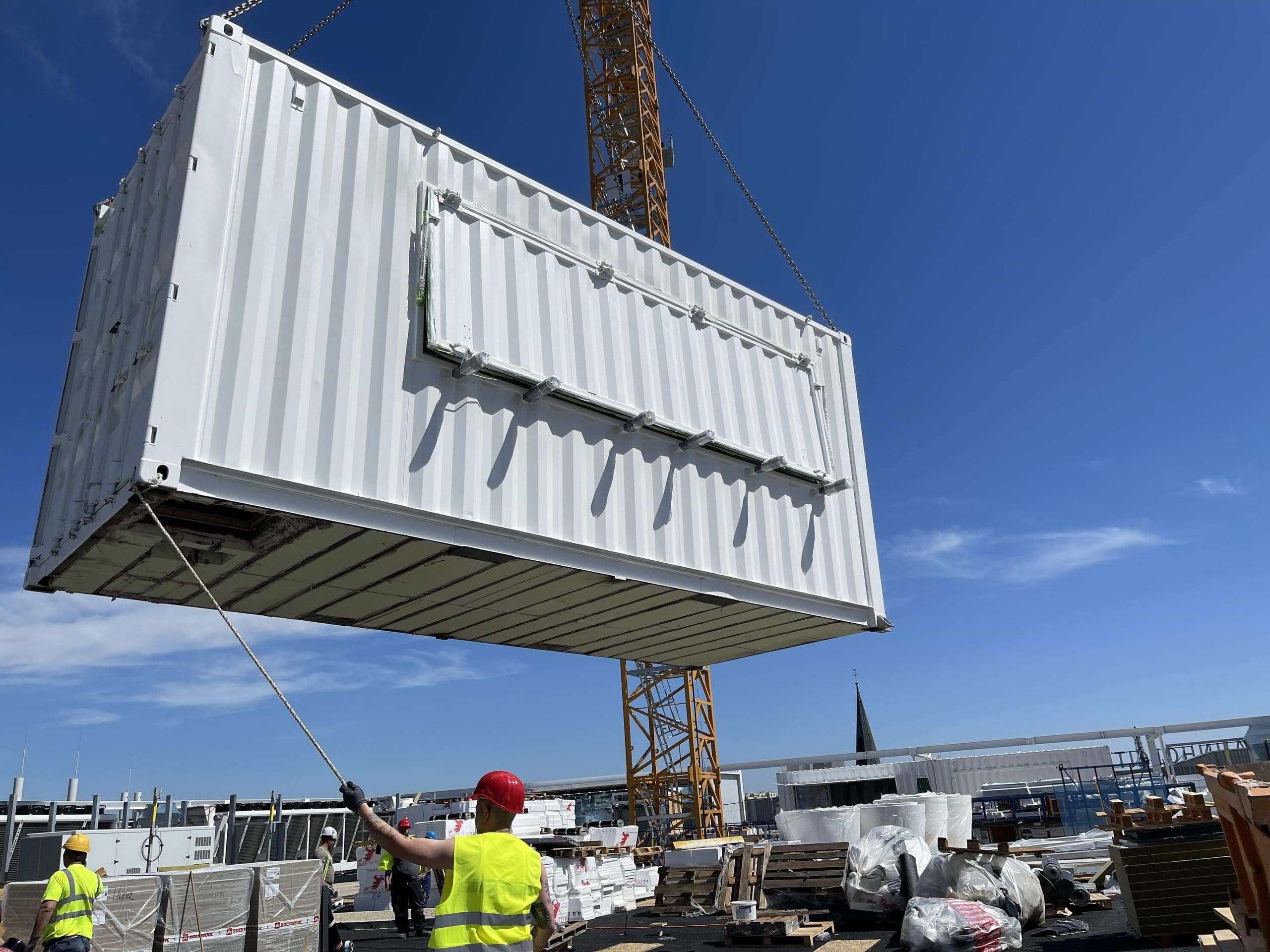
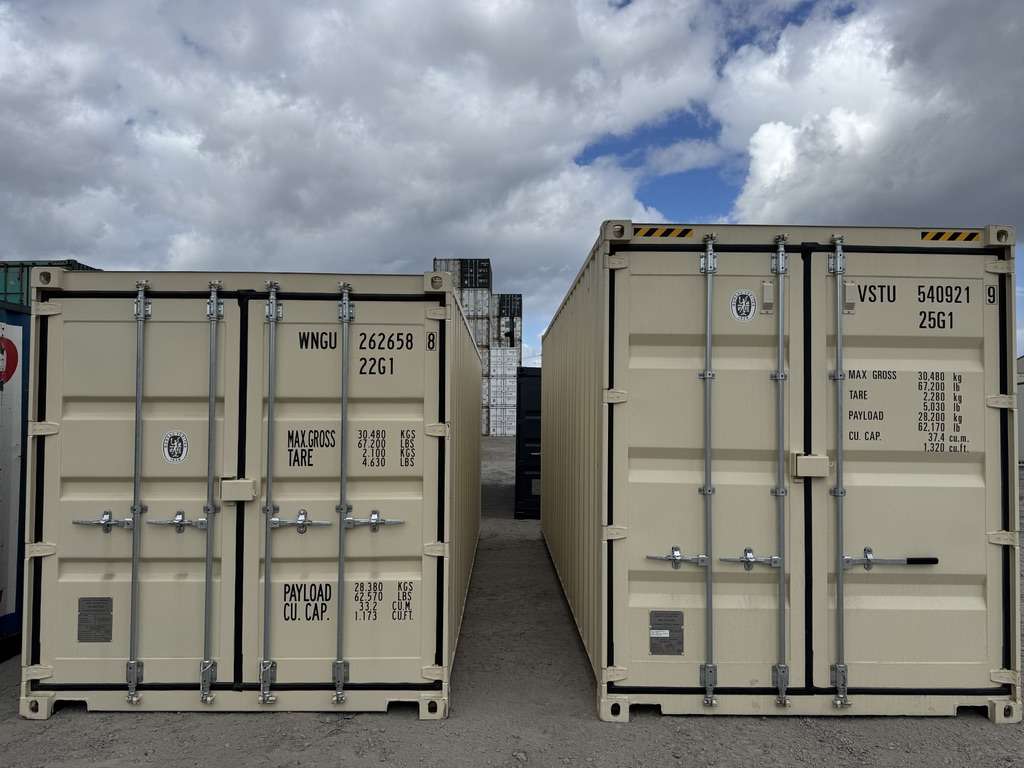
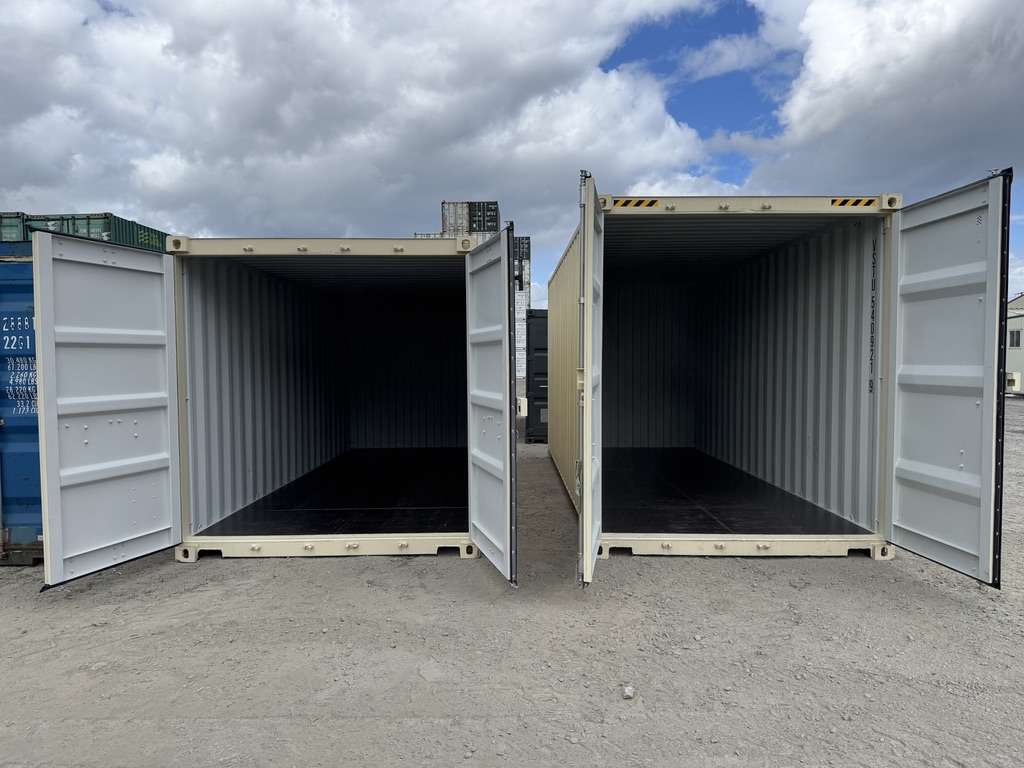
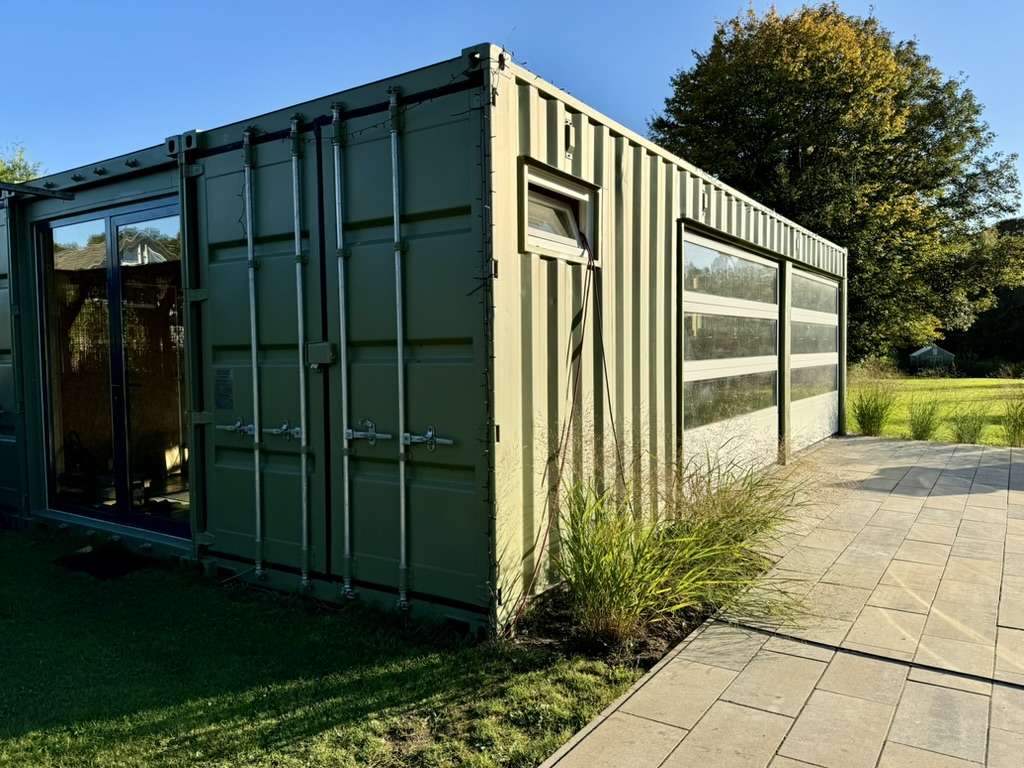
Standard and high cube containers differ mainly in height, not in length or footprint.
Standard containers are cheaper, widely available, and ideal where height is restricted.
High cube containers offer extra internal height, making them better for living spaces, workshops, and bulky items.
For non-shipping uses, the extra height of a high cube often improves comfort, storage, and flexibility.
Pricing is usually similar, so the right choice depends more on use case, site restrictions, and availability than on cost.
A standard shipping container, but taller: the premise behind ‘high cube’ units might be simple, but it makes this type of container particularly well suited to a range of applications.
In this guide we’ll take a deep dive into high cube containers: what they are, how they differ from standard, and why you might choose to invest in one.
What is a standard container?
First, to understand how high cube containers differ from standard, we need to get to know the standard.
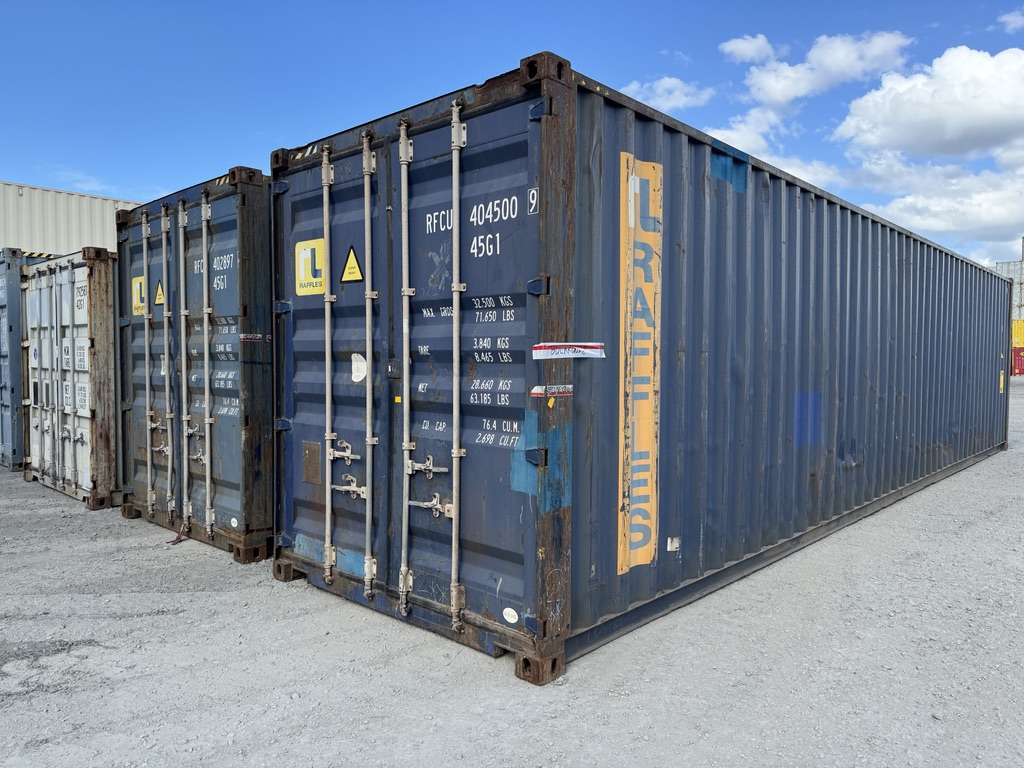
20ft and 40ft general purpose shipping containers account for the overwhelming majority of all containers in use.
Standard container specifications
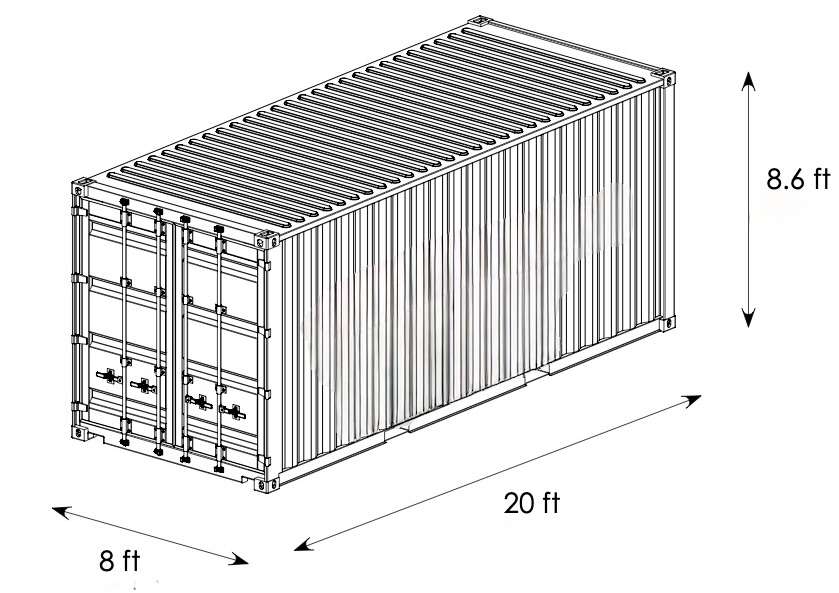
External dimensions: 20ft 20’0″ / 40ft 40’0″ (6.06m / 12.19m) L x 8’0″ (2.44m) W x 8’6″ (2.59m) H
Internal dimensions: 20ft 19’4″ / 40ft 39’5″ (5.90m / 12.03m) L x 7’8″ (2.35m) W x 7’10” (2.39m) H
Door opening: 7’8″ (2.34m) W x 7’6″ (2.28m) H
Internal floor area: 20ft ~150 sq ft (13.9 m²) / 40ft ~305 sq ft (28.3 m²)
Internal volume: 20ft ~1,170 cu ft (33.1 m³) / 40ft ~2,390 cu ft (67.7 m³)
Advantages of standard containers
Lower cost: Lower purchase price and potentially lower transport and delivery costs.
Readily available: A wide range of new and used options is typically available.
More placement options: Can be positioned beneath structures and in height-restricted areas.
What is a high cube container?
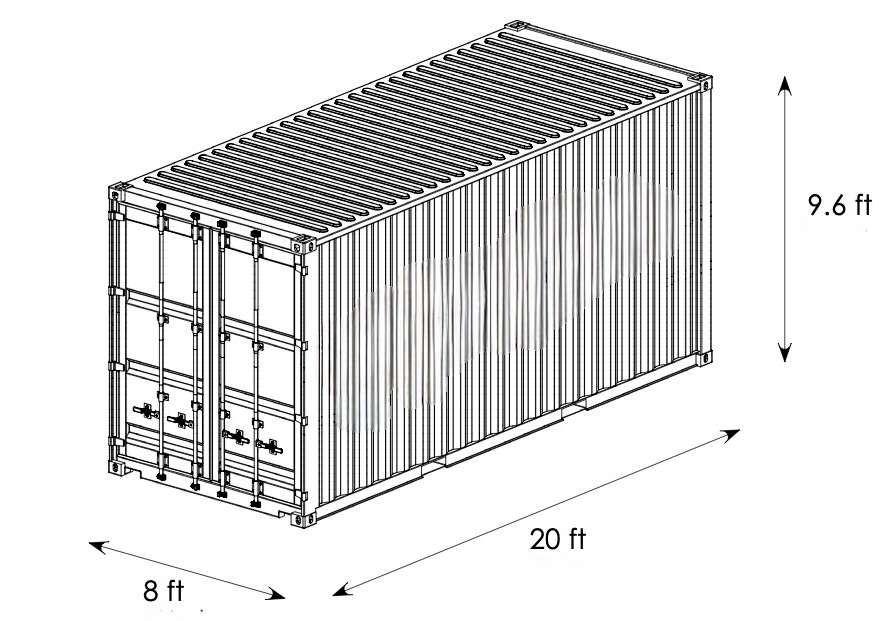
An extra foot of height (12 inches / 305mm): that is the only difference between a high cube container and a standard container.
High cube container specifications
While the length, width and footprint stay the same, high cube containers differ from standard in:
External height: 9’6″ (2.90m)
Internal height: 8’10” (2.69m)
Door opening height: 8’5″ (2.59m)
Internal volume: 20ft HC ~1,320 cu ft (37.4 m³) / 40ft HC ~2,700 cu ft (76.4 m³)
High cube containers are popular in the shipping industry for a few reasons:
Capacity for taller items: High cube containers hold taller goods, and the greater cubic capacity allows more efficient cargo stacking.
Lower cost per unit shipped: Shipping costs are driven more by container slots than by volume. Fitting more goods into the same slot reduces the cost per cubic foot of cargo.
Ideal for high-volume, low-density cargo: As trade has shifted from dense raw materials to lower-density consumer goods like furniture and electronics, volume has become a bigger constraint than weight, which favors high cube units.
For end users looking to utilize a container for non-shipping purposes, the extra height offers a number of other benefits:
Extra storage space: More vertical room for stacking and shelving.
Extra headroom: A luxurious high ceiling look for office and living space conversions.
Extra depth: For container pool or underground storage and bunker conversions.
Use case comparison
In which situations should you choose a standard container, and where is a high cube better?
Storage use cases
Standard container: Good for dense, densely packed items like pallets, tools, equipment, vehicles and raw materials.
High cube container: Ideal for tall items, racking systems and stackable, low-density goods.
Living space use cases
Standard container: Cost-effective and readily available, but once insulation and a new floor go in, the ceiling ends up close to 7 feet.
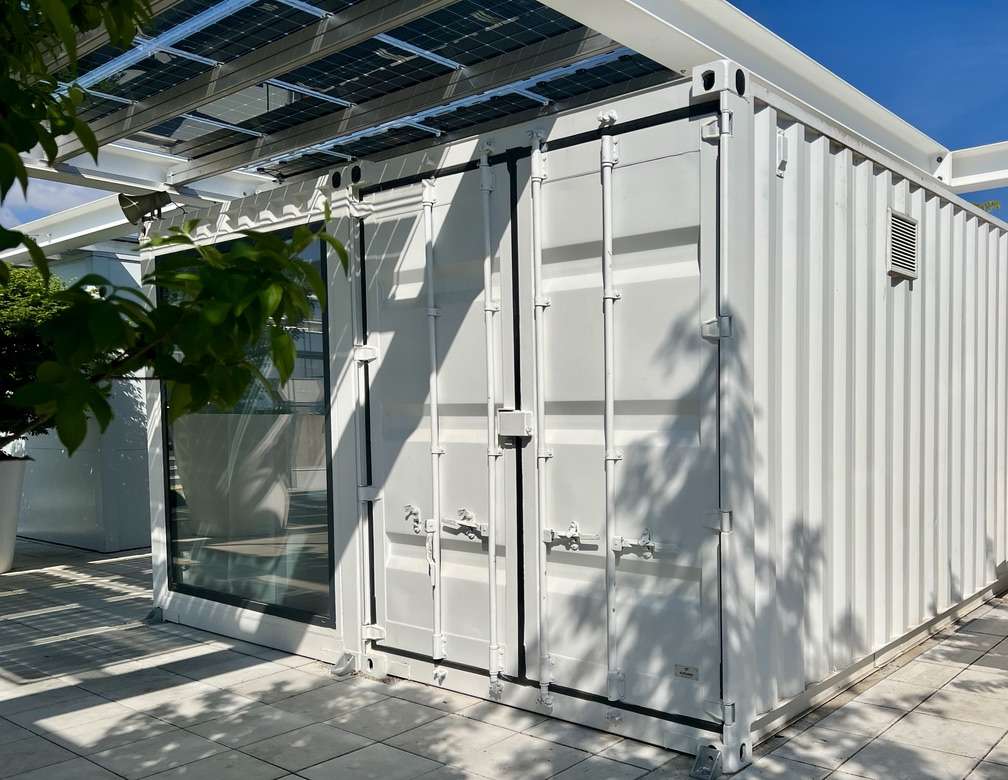
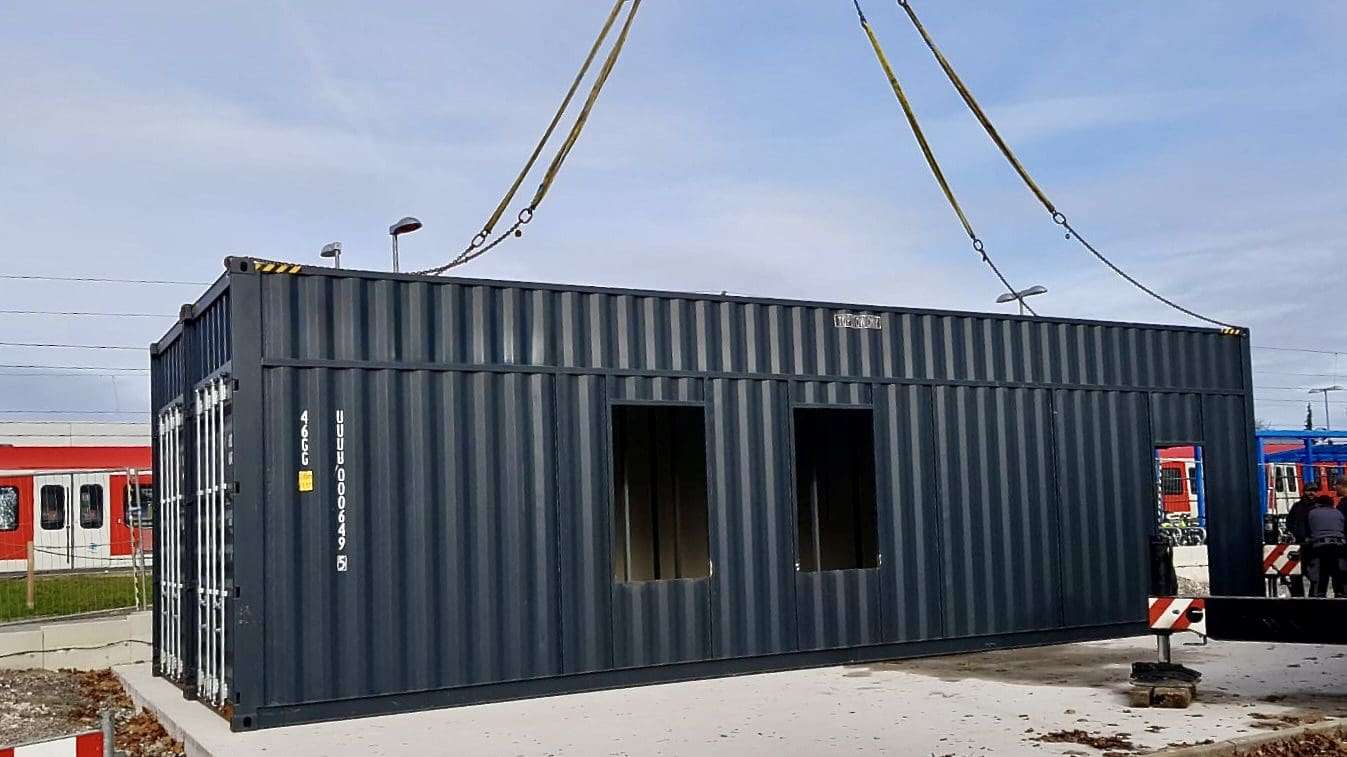
High cube container: About a foot more height, which leaves room for insulation, lighting and a comfortable ceiling. Most shipping container homes are built from high cubes.
Workspace use cases
Standard container: Great for site offices, backyard workshops and home studios.
High cube container: Better for workspaces with bulky equipment or larger storage needs.
Cost and availability considerations
How do standard and high cube containers compare on price? Short answer: there usually is not a significant difference.
20ft standard container (new): roughly $3,500 to $6,000
20ft high cube container (new): roughly $4,000 to $6,500
Ranges vary by region, condition and supplier. For current figures by size and condition, see our shipping container prices guide.
Transport and delivery costs generally do not differ between the two container types, though this is worth confirming with the delivery provider.
The main practical difference is availability. While standard containers are common in most markets, high cube units can be slightly rarer, particularly if you are holding out for a specific size, condition or price.
Which should you choose?
Before making the final call on container height, weigh the points below. If you are still choosing the length as well, our guide to shipping container sizes helps.
Your budget
Your intended use
The availability of your preferred container
Local planning and zoning rules
Height restrictions and overhead obstacles
Impact on neighbors and the surrounding area
Whichever container you choose, our nationwide network of vetted suppliers lets you compare quotes and secure the right unit in a matter of days.
Quiz
Find the right container for your project
Let us help. Our smart form guides you step-by-step to the best container option based on your use case and location.
Container prices for your city, rule changes in your state, Andy’s newest videos and stock deals when we have them. One email a month, unsubscribe any time.
Andreas Atrott is the founder of CUBX - shipping-containers.com and its sister sites shipping-containers.com.au in Australia and containerbasis.de in Germany. He has spent more than 15 years in the container industry, across sales, modifications, and custom builds, and shares what he has learned on his YouTube channel, Andy Knows Containers. That practical experience shapes how the platform helps US buyers match the right container to their project.
A shipping container is the ultimate blank canvas. The design is clever, but at its core a container is a big steel box you can adapt almost any way you...
A standard shipping container, but taller: the premise behind ‘high cube’ units might be simple, but it makes this type of container particularly well suited to a range of applications....
Shipping containers are good for far more than moving freight across oceans. With the right accessories, you can turn a plain steel box into a storage unit, a site office,...
February 17, 2026
About Us
shipping-containers.com is an independent platform that makes buying a shipping container simple and transparent. Tell us what you need once, and vetted local suppliers across the US send you their quotes. One request, multiple quotes, no fees.
Got questions? Let’s chat.
We are here to make container buying simple. Talk to a real expert, get advice, and find your perfect fit, fast.
Hi, I'm Andy. 15+ years in containers. How can I help?
Shipping Container Homes in New York: Codes, NYC ADUs and Local Bans
How New York handles shipping container homes: the 2025 Uniform Code, NYC ancillary dwelling units, container laws in Buffalo, Sweden and Coxsackie, Adirondack Park review, septic and modular approval.
Shipping Container Homes in California: Codes, ADUs and City Rules
How California handles shipping container homes: the 2025 state codes, the LADBS conversion bulletin, San Diego rules, state ADU law, HCD approval for factory-built units and counties that allow containers only for storage.
Shipping Container Homes in Washington: Codes, ADUs and L&I Rules
How Washington handles shipping container homes: the 2021 state codes, Pierce, King and Ferndale container rules, the two-ADU state law, the energy code wall U-factor and the L&I factory-assembled program.