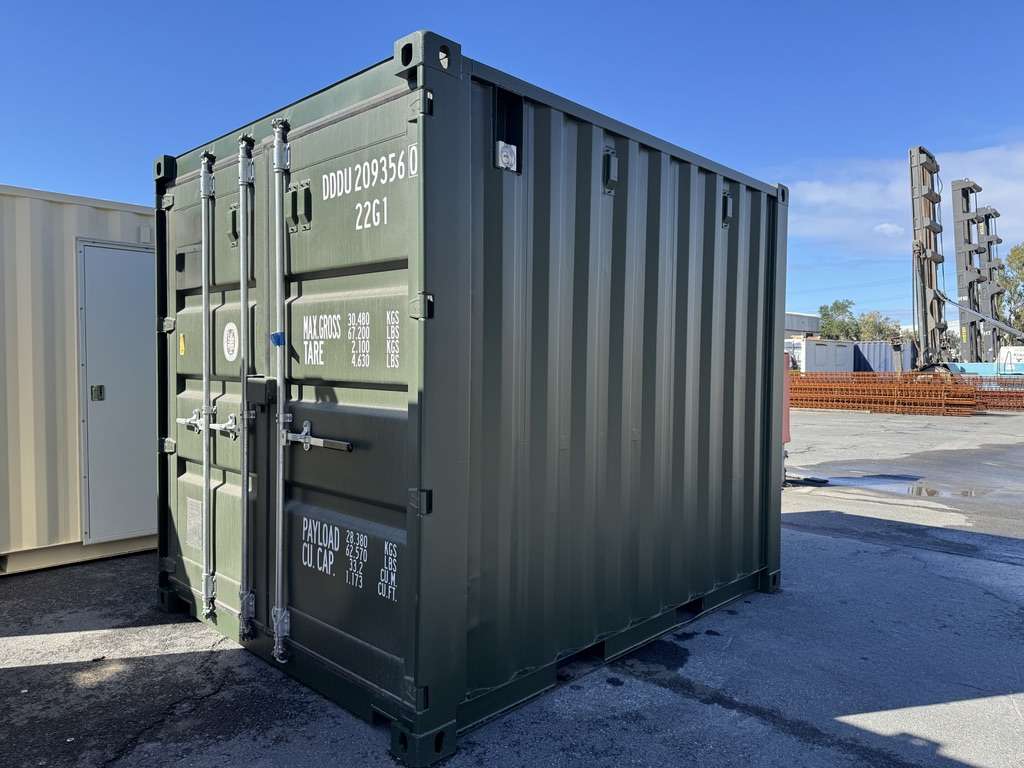
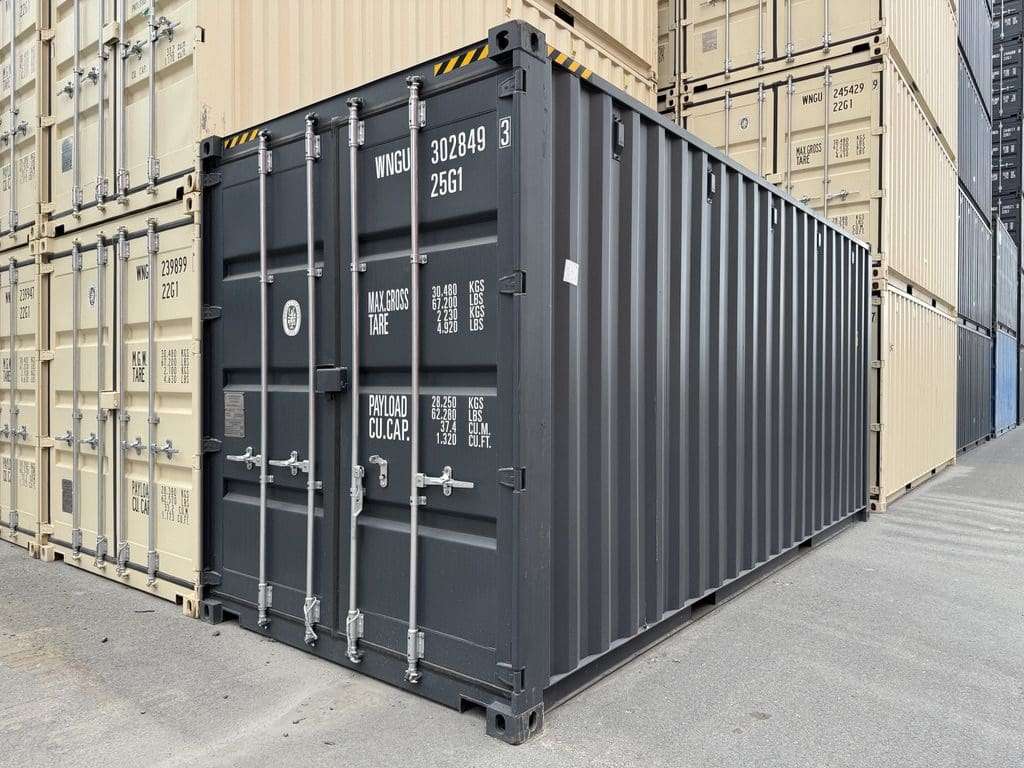
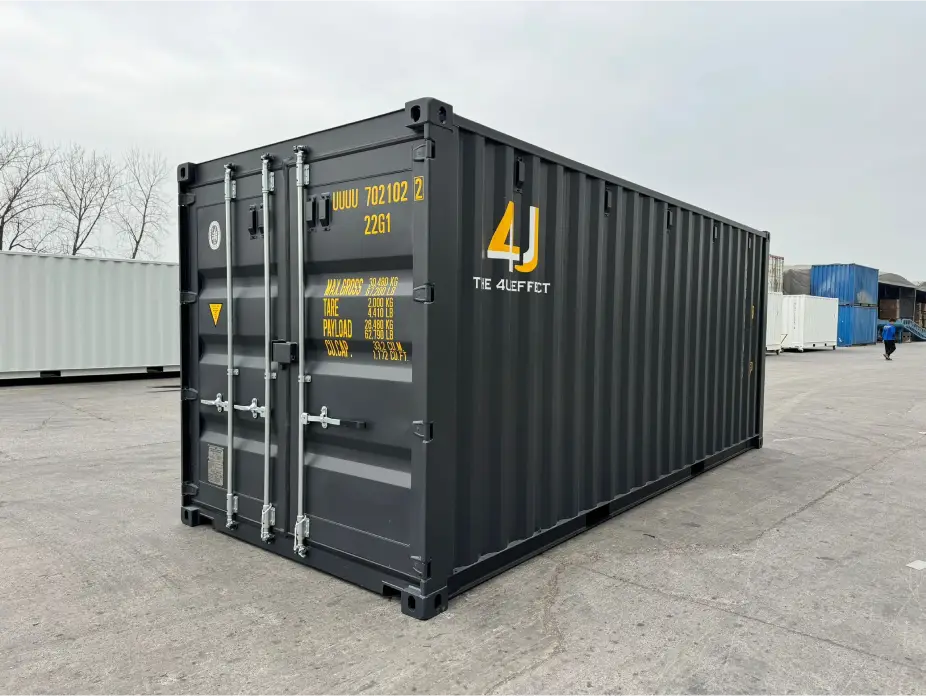
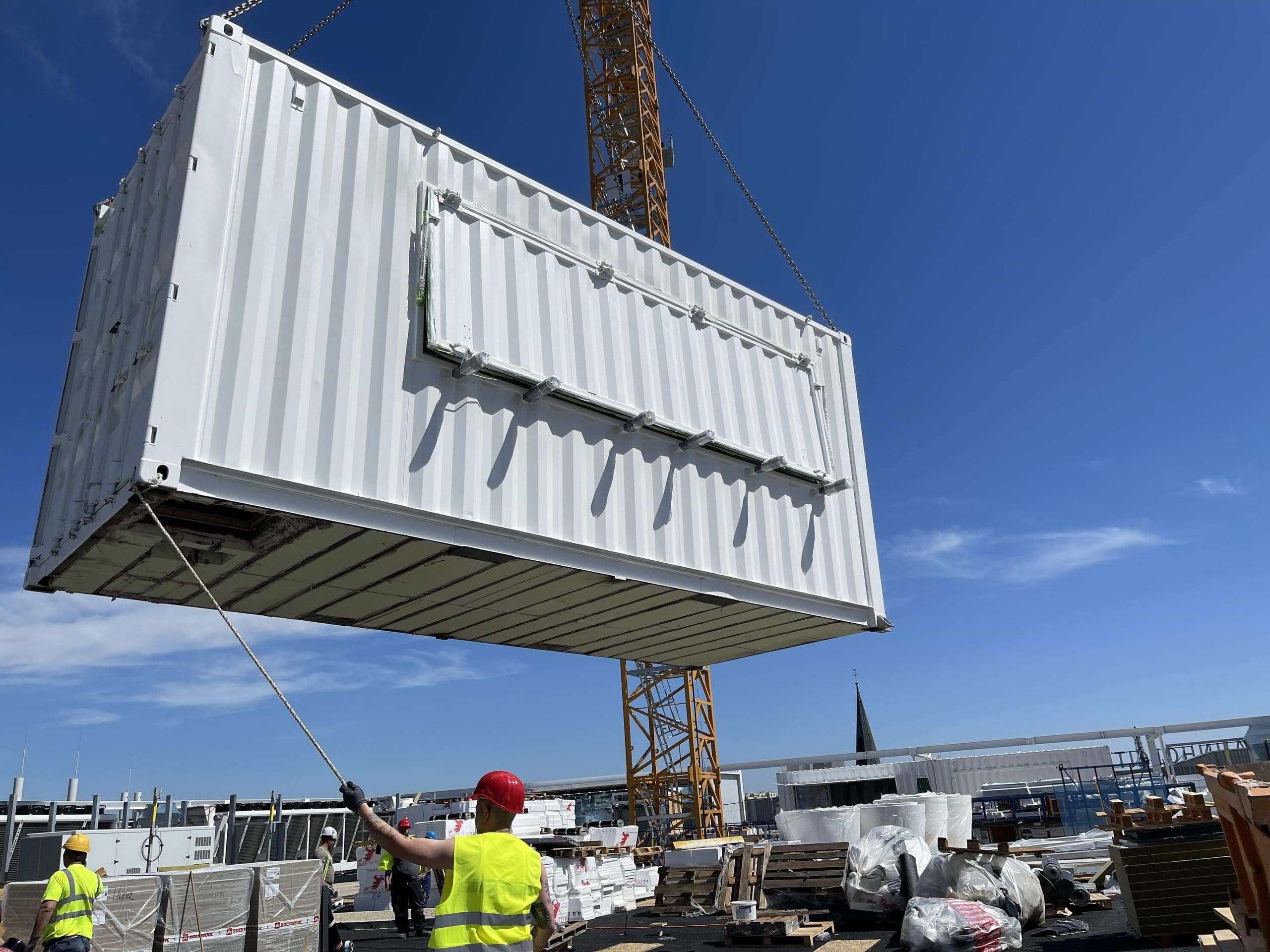
The right shipping container accessories can turn a basic container into secure storage, a workspace, or a comfortable living area.
Security upgrades like lock boxes, doors, and windows protect your contents while improving access and day-to-day use.
Ventilation, insulation, and electrical fit-outs improve comfort, prevent condensation, and make a container suitable for long-term use.
Functional additions such as shelving, ramps, and flooring upgrades improve efficiency, safety, and organization.
Protective coatings and paint extend the container's lifespan and allow custom branding or a cleaner finish.
Shipping containers are good for far more than moving freight across oceans.
With the right accessories, you can turn a plain steel box into a storage unit, a site office, a workshop, a tiny home, even a swimming pool.
So which accessories actually matter? Here are ten of the most useful upgrades to consider for your container project.
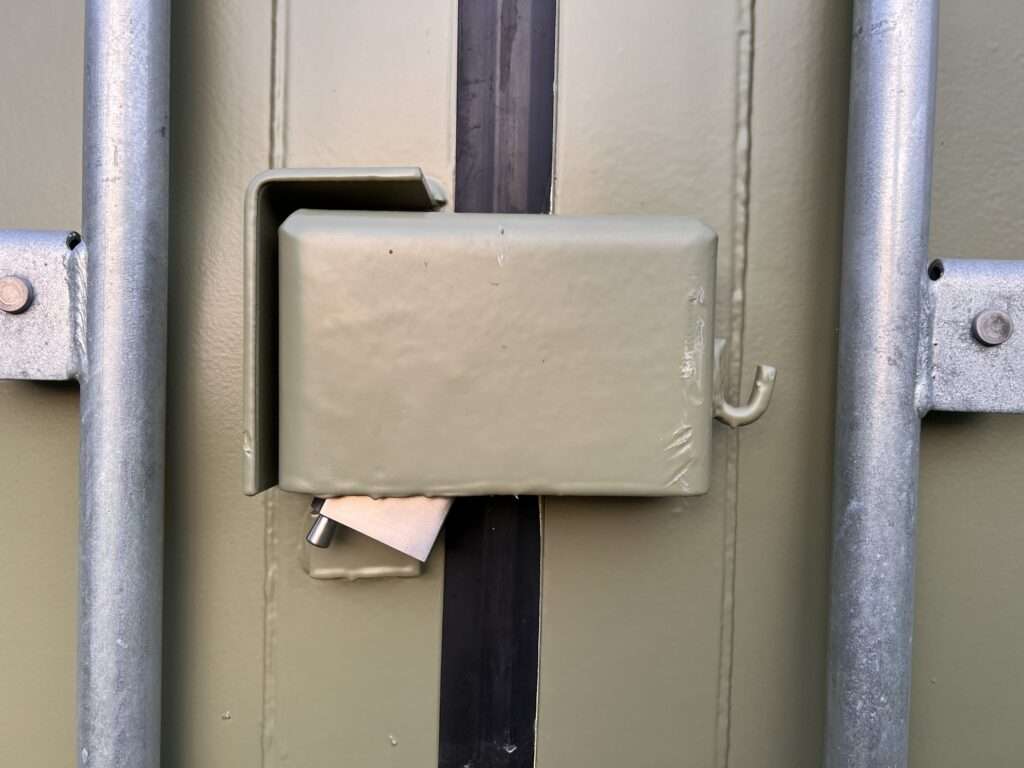
Andy explains why a lock box is one of the most worthwhile container upgrades and how it keeps bolt cutters away from the padlock.
Lock boxes
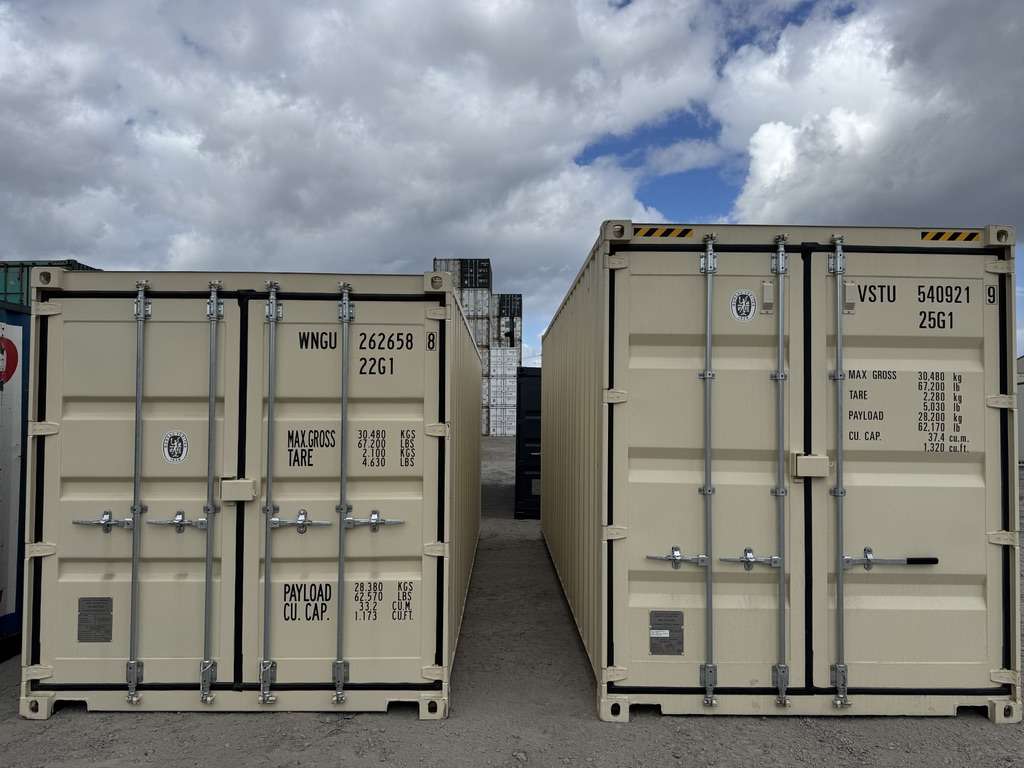
What: A lock box is a steel housing welded or bolted over the door locking bars, turning a container into secure storage.
Why: It shields the padlock from bolt cutters and angle grinders, which is the most common way containers get broken into. Some containers come with a lock box already fitted.
Passive/active ventilation systems
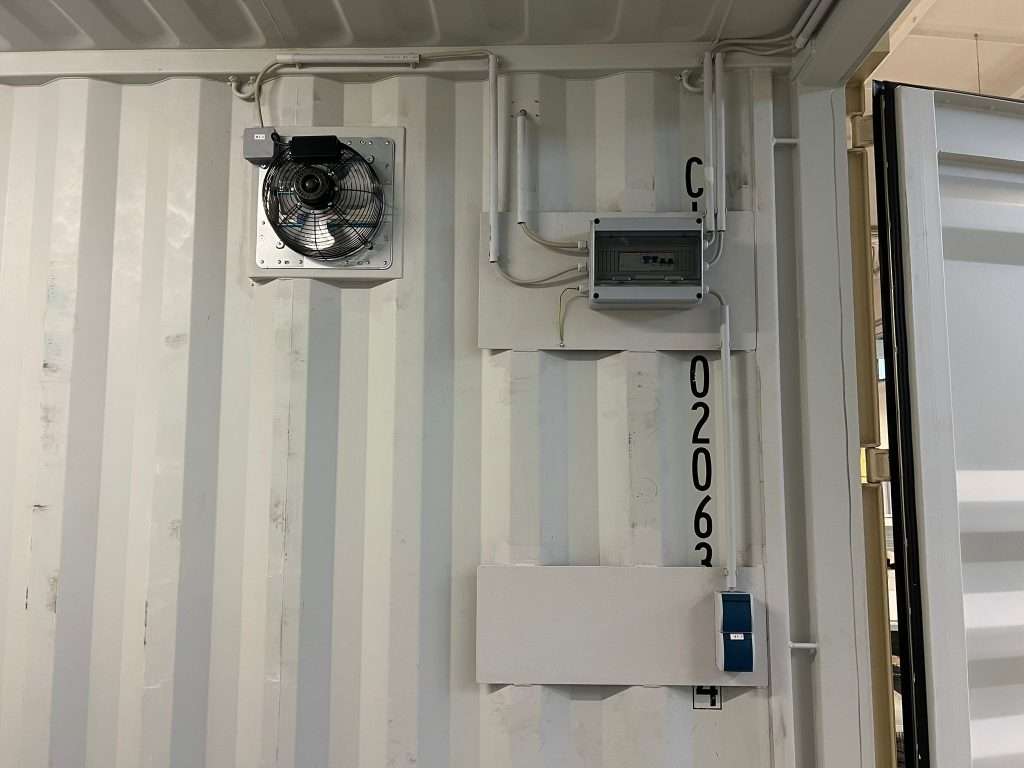
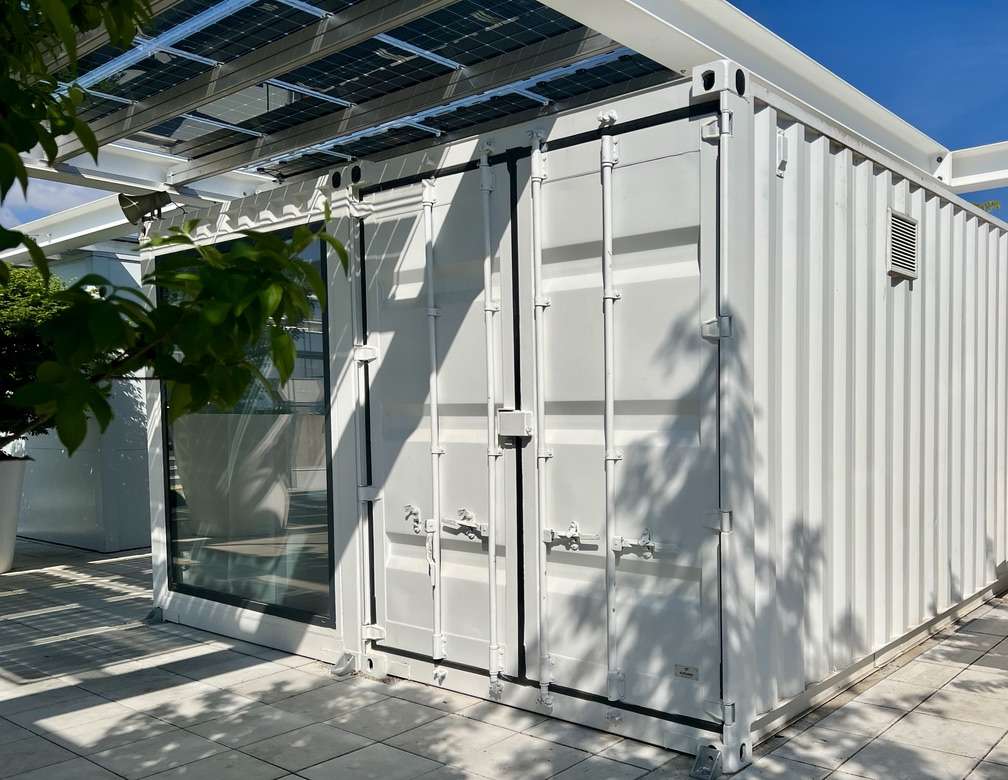
What: Fixed louvers, roof turbines, or powered extractor fans that move air and moisture in and out of the container.
Why: A sealed steel box traps heat and condensation fast, which is rough on people and on perishable goods. Ventilation improves airflow, cuts moisture buildup, and protects your contents from mold and corrosion.
Insulation kits
What: Spray foam, rigid panels, or exterior cladding that holds a stable temperature inside the container.
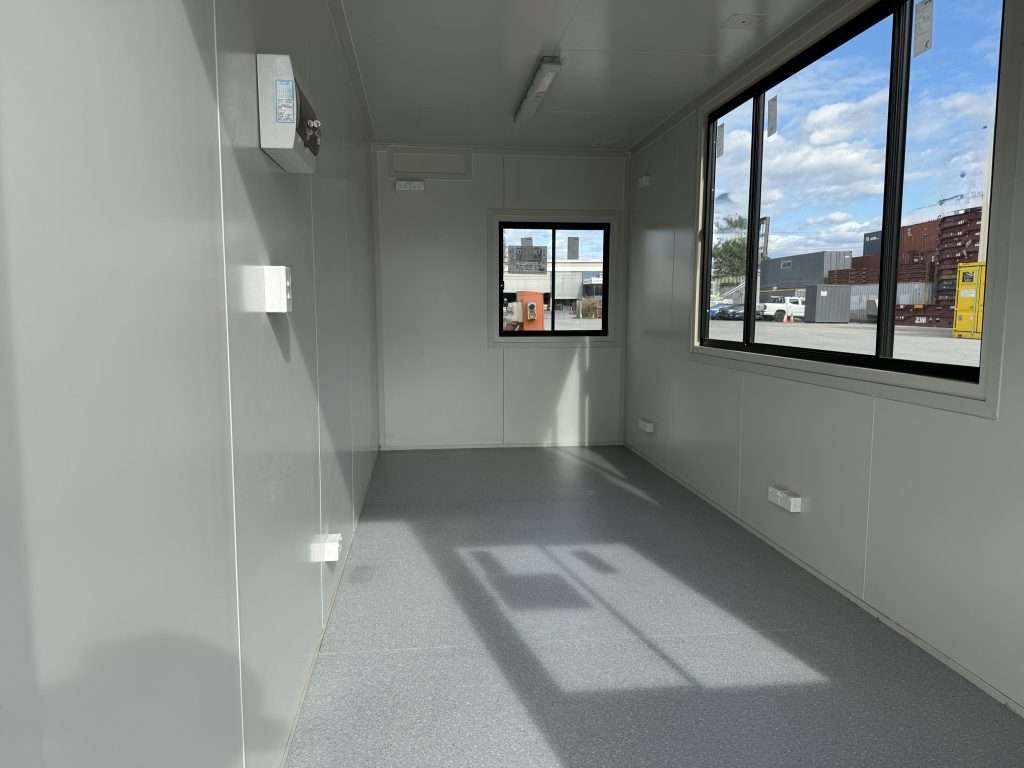
Why: For any workspace or living conversion, insulation keeps the interior comfortable, dampens noise, and takes a big load off your HVAC system.
Access ramps
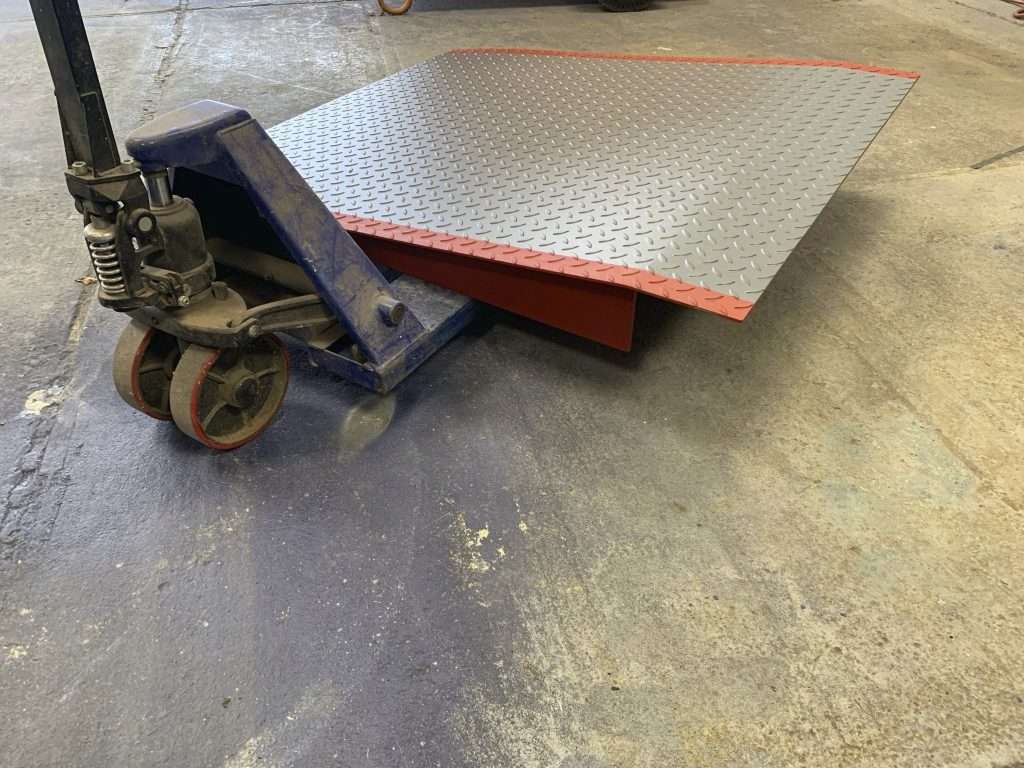
What: Metal ramps, portable or fixed, that bridge the gap between ground level and the container floor.
Why: Ramps let you roll material handling equipment (forklifts, pallet jacks, hand trucks) and wheeled items (bikes, cars, farm equipment) straight in and out. Pick a ramp rated for the loads you’ll move and how often you’ll use it.
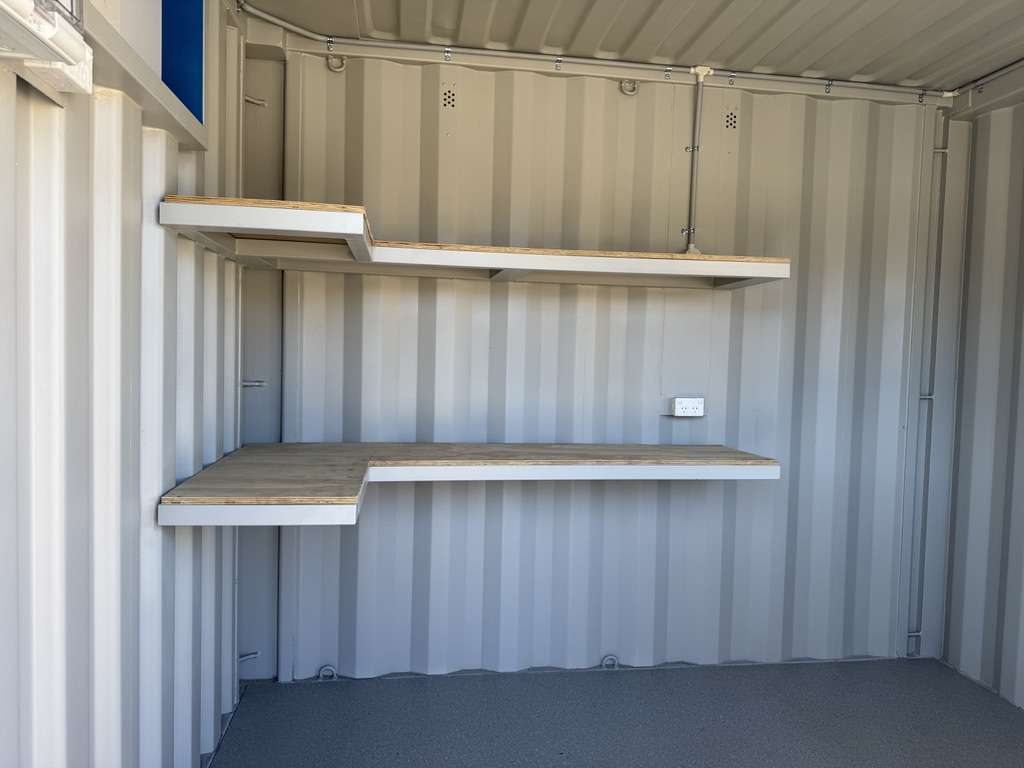
Shelving and racking systems
What: Modular shelving or racking, bolted to the walls or freestanding.
Why: It makes the most of the floor space and keeps everything organized and easy to reach, whether the container is storage, a shed, a workshop, an office, or a tiny home.
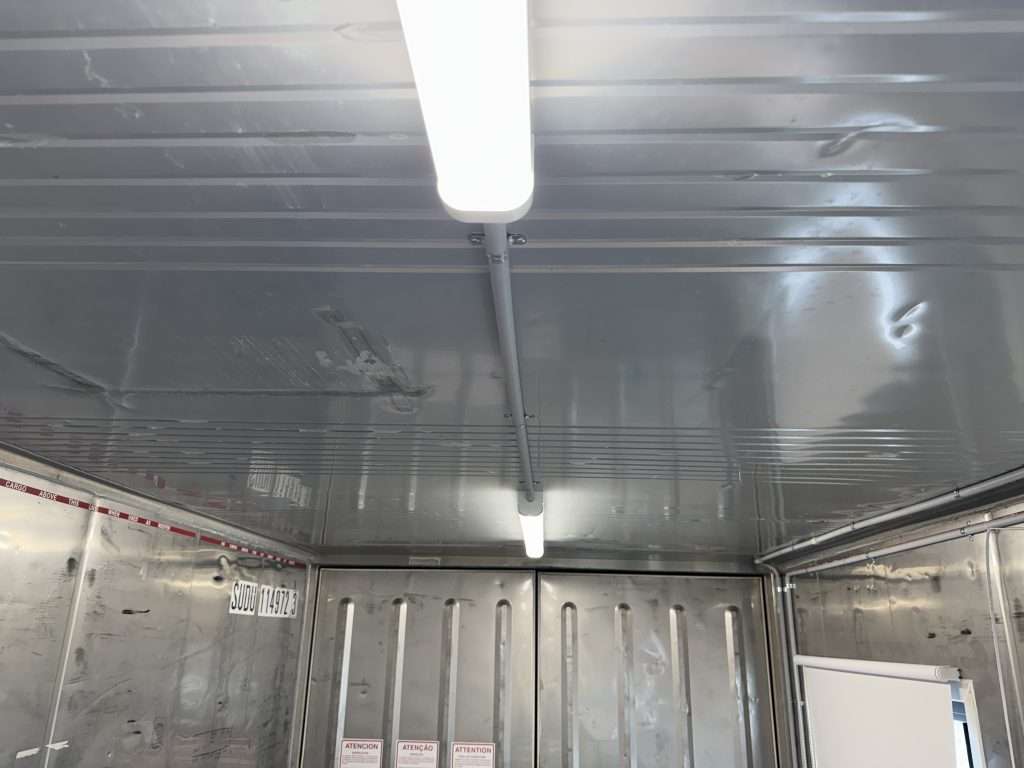
Lighting/electrical fit-outs
What: Electrical connections and lighting, run from the grid or from a solar and battery setup.
Why: With the doors closed, a container is pitch dark. A proper electrical fit-out makes the space usable and livable, and is the foundation for anything else you plug in.
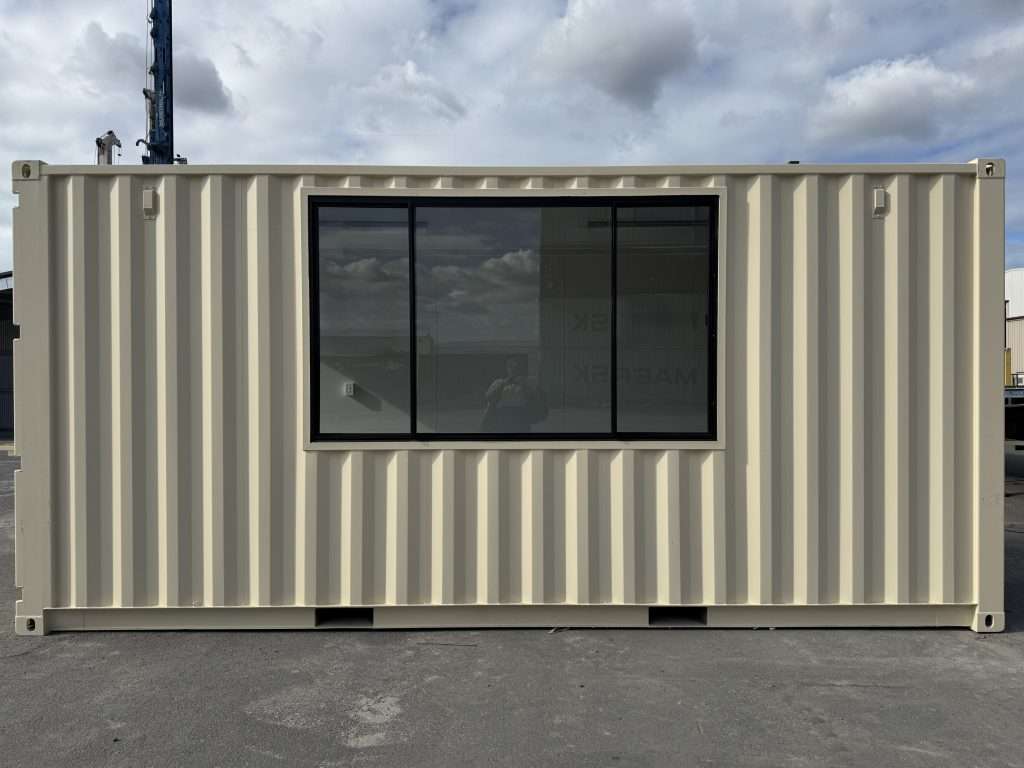
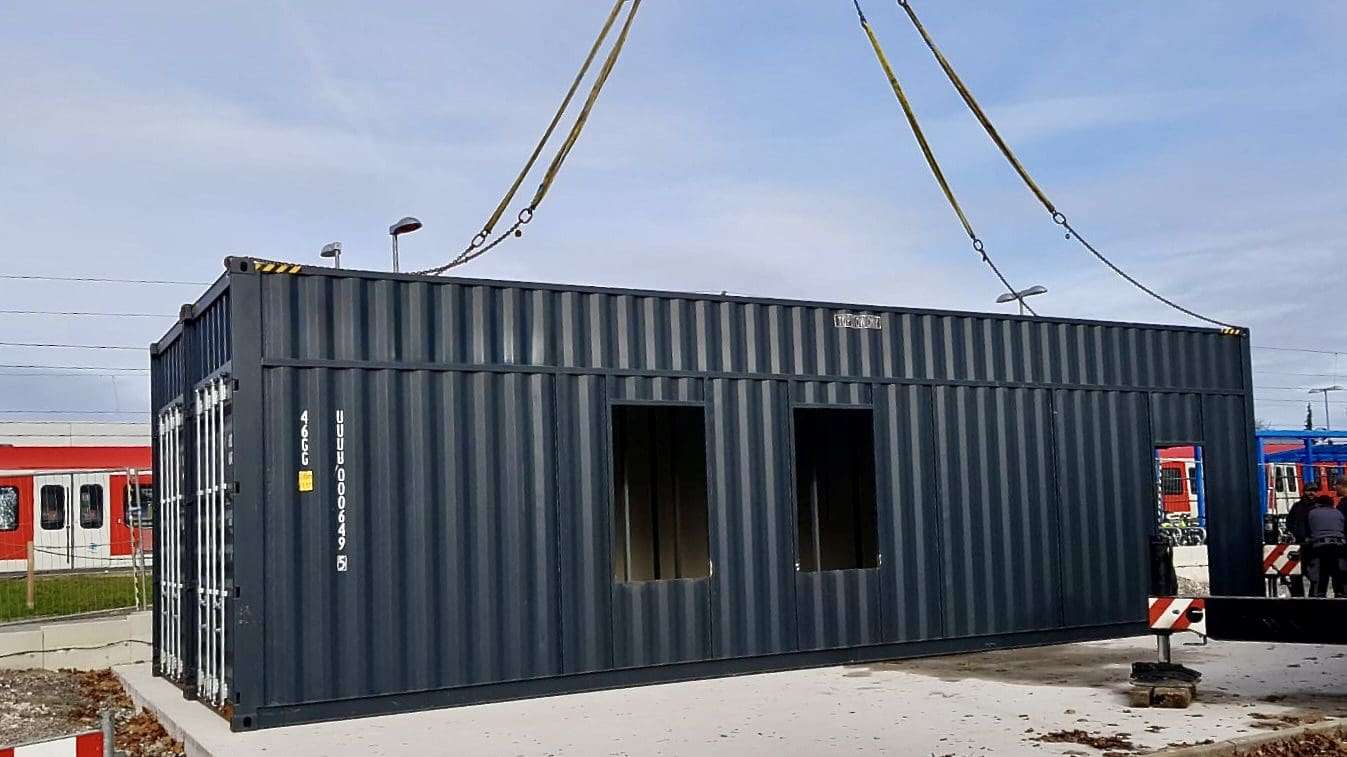
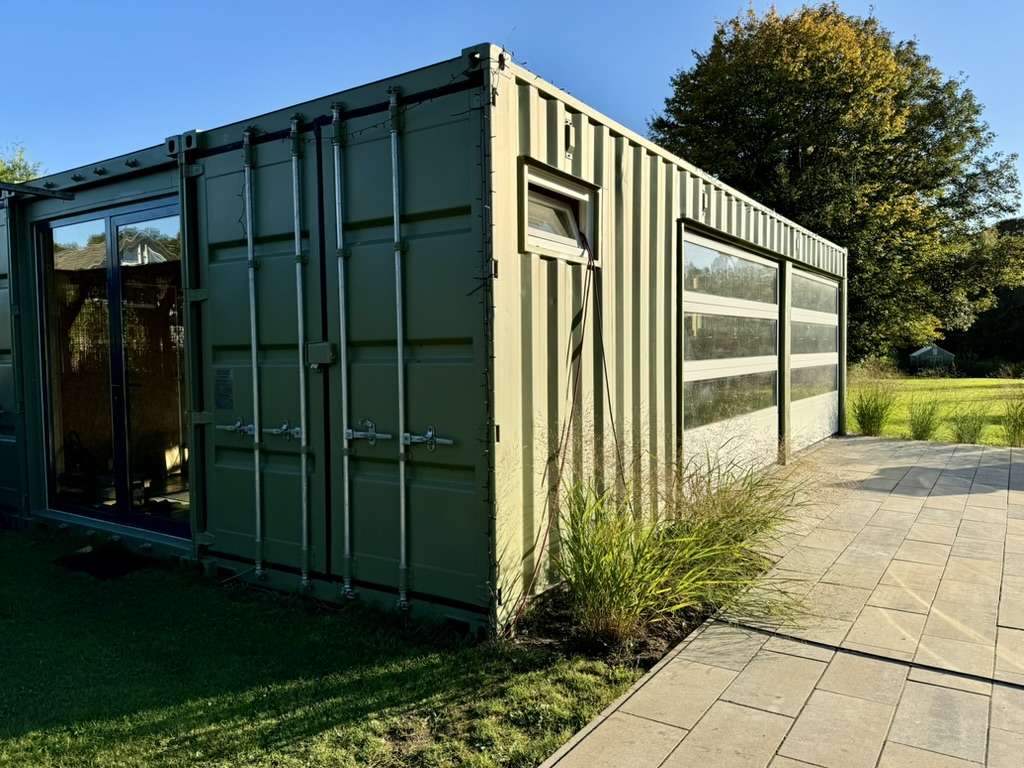
Windows
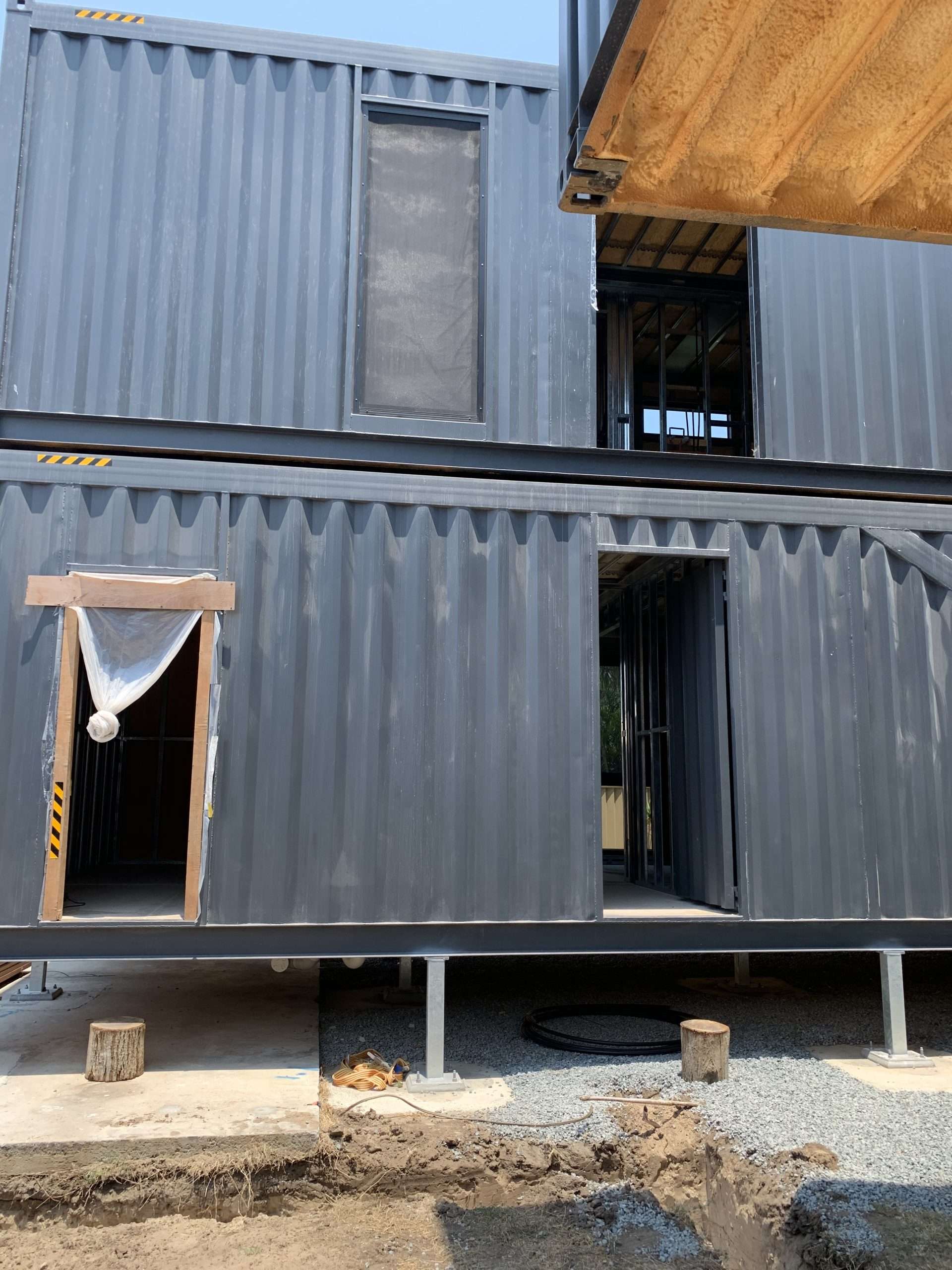
What: Purpose-built container windows set into cut-out wall sections, often with security bars or shutters.
Why: Windows bring in natural light and, in many cases, airflow, which makes the space far more usable. Fitted correctly, they do this without weakening the container’s security.
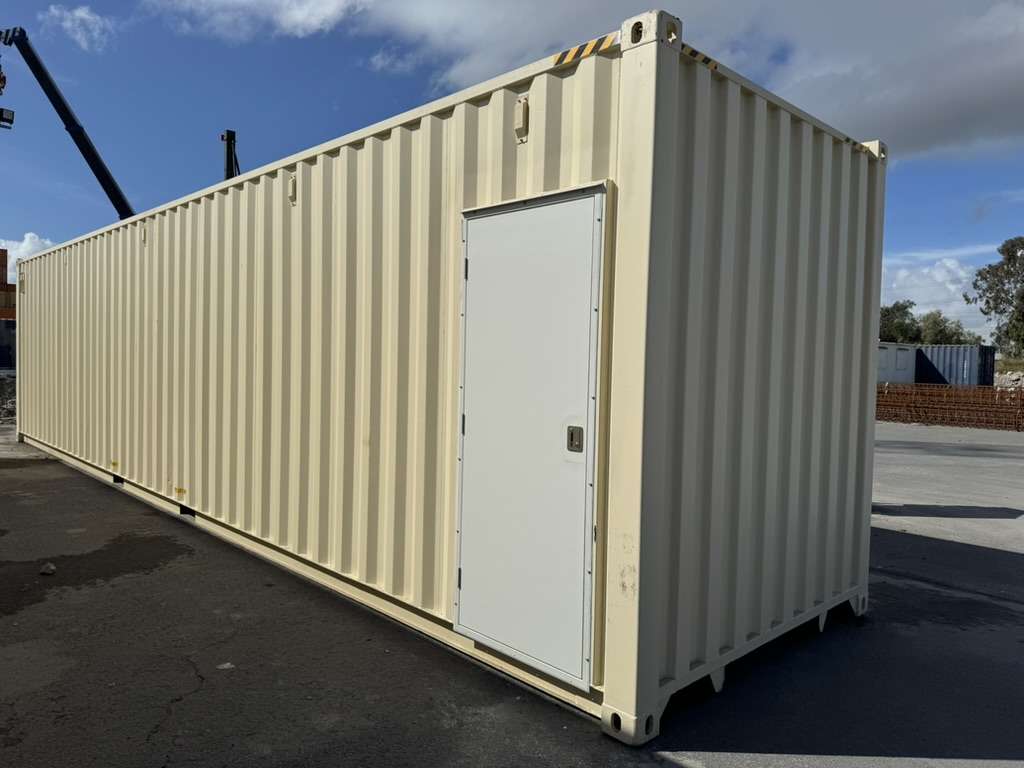
Doors
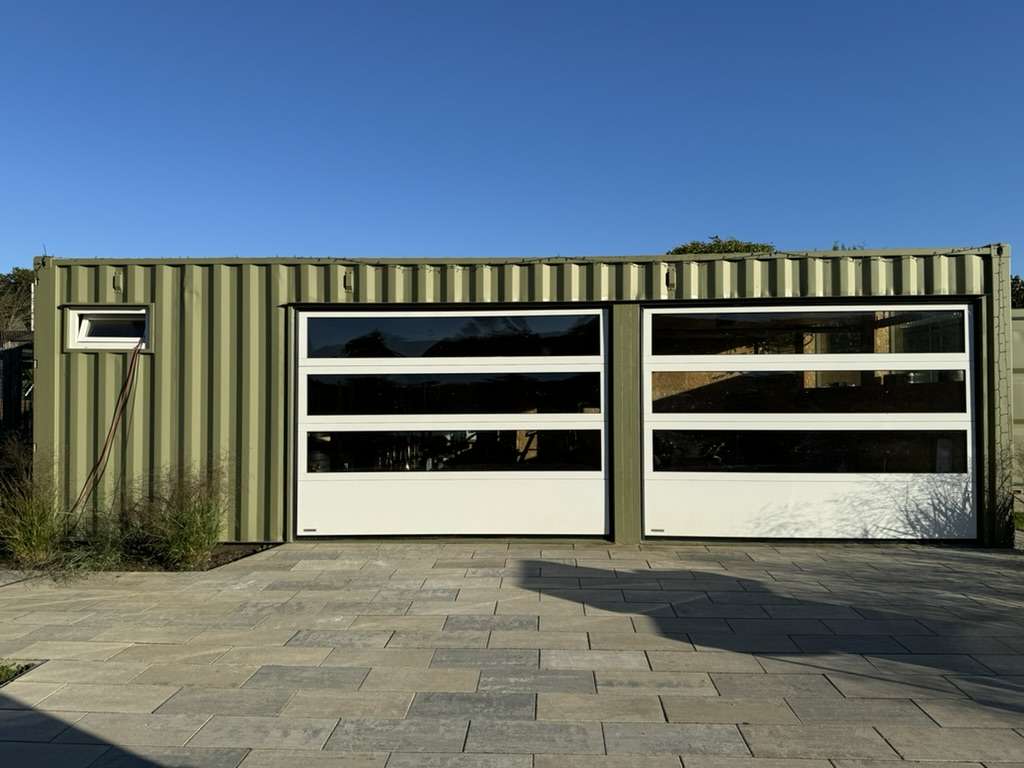
What: Extra access points beyond the standard cargo doors: personnel doors, roller doors, or full-length glass.
Why: Additional doors make daily access easier and improve workflow, since you can get in and out without swinging the big cargo doors open. They can also clean up the look of a finished build.
Flooring upgrades
What: Rubber, timber, concrete, epoxy, vinyl, or steel overlays applied over the original floor (usually marine plywood or bamboo).
Why: In industrial use, flooring upgrades protect the plywood base, improve safety, and make the space easier to clean. In residential builds, raised and insulated floors add comfort and a finished feel.
External paint and protective coatings
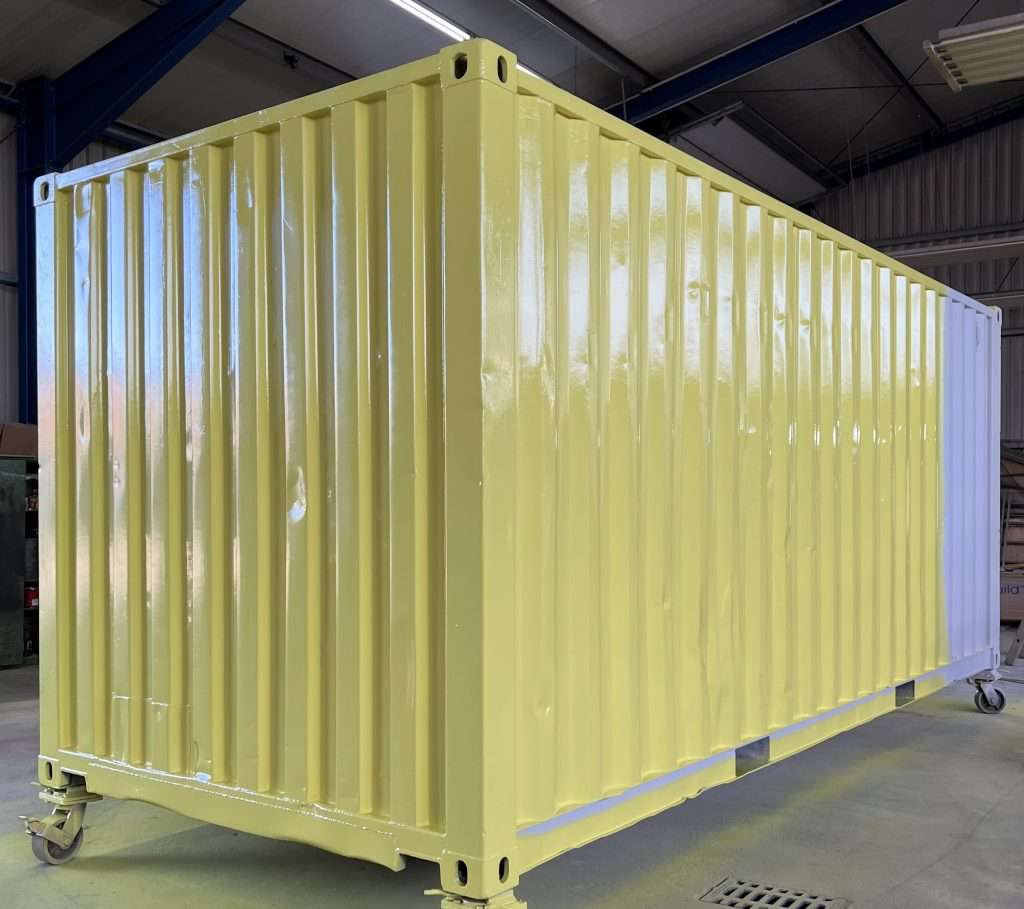
What: Repainting or applying specialized protective coatings to the container exterior.
Why: Protective finishes extend the container’s lifespan. Custom colors sharpen the look and let you brand the unit, and the right paint can also reflect heat.
Make a shipping container your own
With the right mix of accessories, a plain steel box becomes whatever you need it to be, from straightforward storage to a place to work or live.
Think through how you’ll actually use the container, then prioritize the upgrades that add the most for your situation: security, comfort, longevity, or function.
Want a second opinion before you commit? shipping-containers.com can connect you with vetted local suppliers and help you compare quotes.
Free monthly email
Andy’s Container Report
Container prices for your city, rule changes in your state, Andy’s newest videos and stock deals when we have them. One email a month, unsubscribe any time.
Andreas Atrott is the founder of CUBX - shipping-containers.com and its sister sites shipping-containers.com.au in Australia and containerbasis.de in Germany. He has spent more than 15 years in the container industry, across sales, modifications, and custom builds, and shares what he has learned on his YouTube channel, Andy Knows Containers. That practical experience shapes how the platform helps US buyers match the right container to their project.
A shipping container is the ultimate blank canvas. The design is clever, but at its core a container is a big steel box you can adapt almost any way you...
A standard shipping container, but taller: the premise behind ‘high cube’ units might be simple, but it makes this type of container particularly well suited to a range of applications....
Shipping containers are good for far more than moving freight across oceans. With the right accessories, you can turn a plain steel box into a storage unit, a site office,...
February 17, 2026
About Us
shipping-containers.com is an independent platform that makes buying a shipping container simple and transparent. Tell us what you need once, and vetted local suppliers across the US send you their quotes. One request, multiple quotes, no fees.
Got questions? Let’s chat.
We are here to make container buying simple. Talk to a real expert, get advice, and find your perfect fit, fast.
Hi, I'm Andy. 15+ years in containers. How can I help?
Shipping Container Homes in New York: Codes, NYC ADUs and Local Bans
How New York handles shipping container homes: the 2025 Uniform Code, NYC ancillary dwelling units, container laws in Buffalo, Sweden and Coxsackie, Adirondack Park review, septic and modular approval.
Shipping Container Homes in California: Codes, ADUs and City Rules
How California handles shipping container homes: the 2025 state codes, the LADBS conversion bulletin, San Diego rules, state ADU law, HCD approval for factory-built units and counties that allow containers only for storage.
Shipping Container Homes in Washington: Codes, ADUs and L&I Rules
How Washington handles shipping container homes: the 2021 state codes, Pierce, King and Ferndale container rules, the two-ADU state law, the energy code wall U-factor and the L&I factory-assembled program.