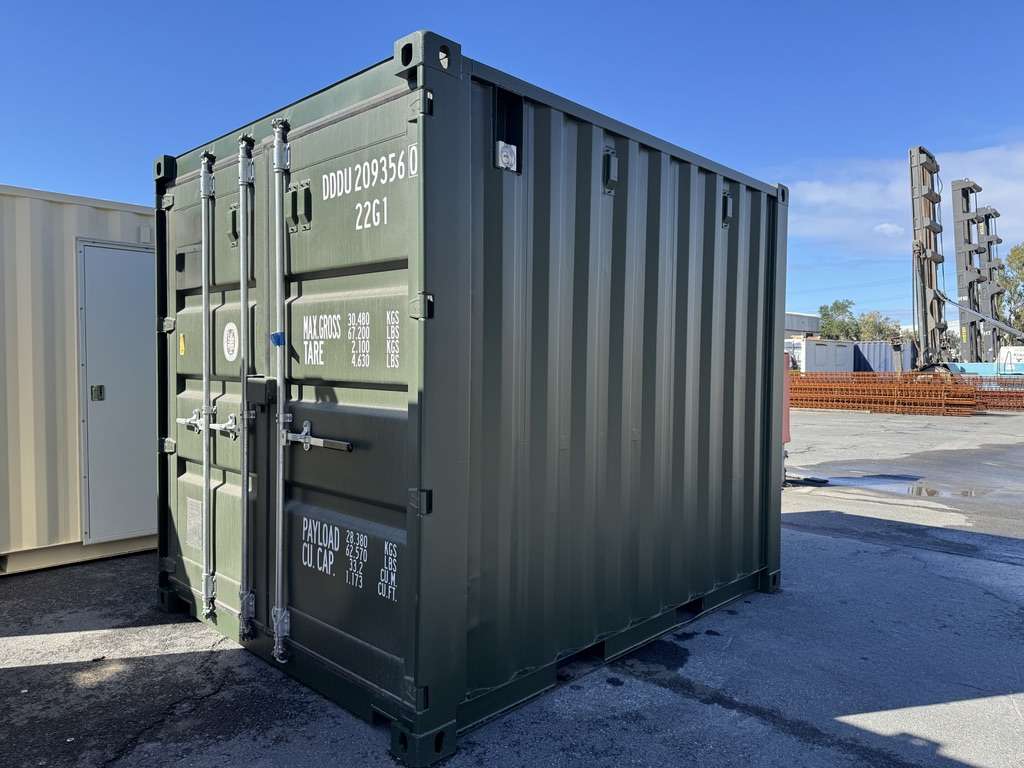
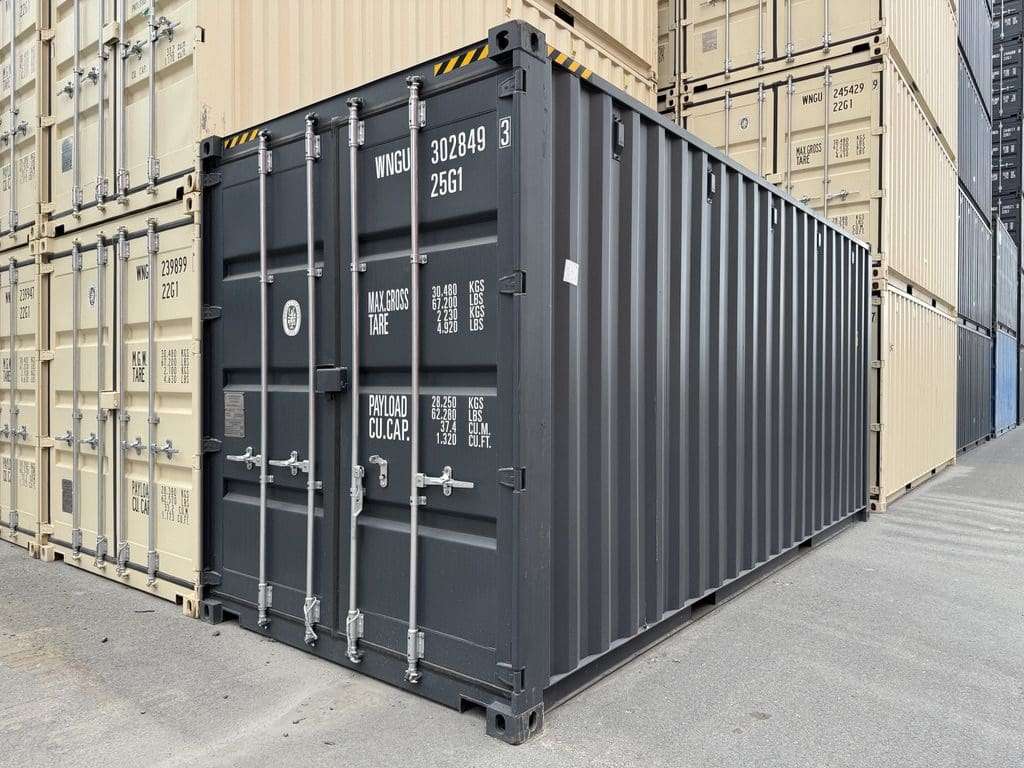
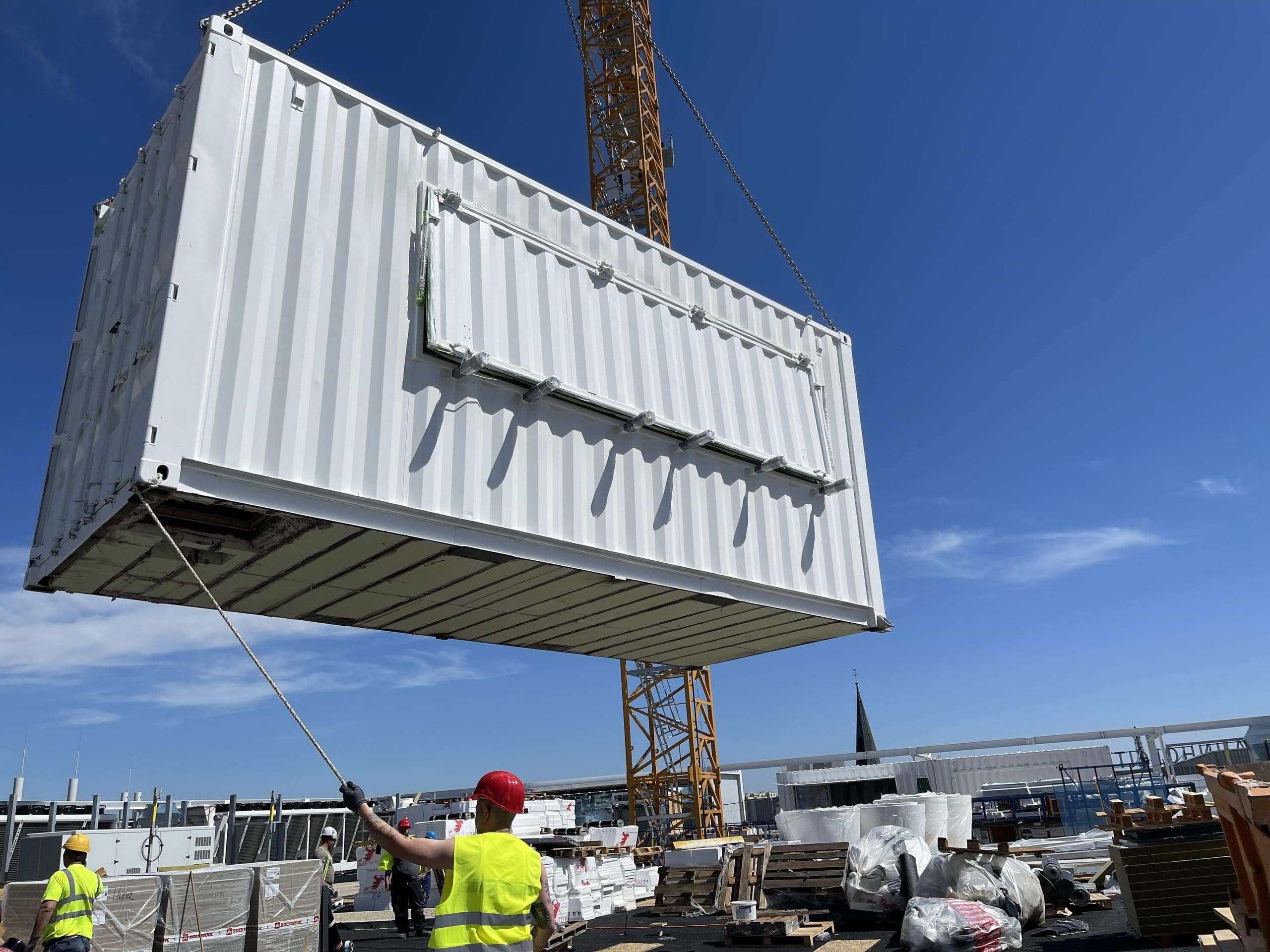
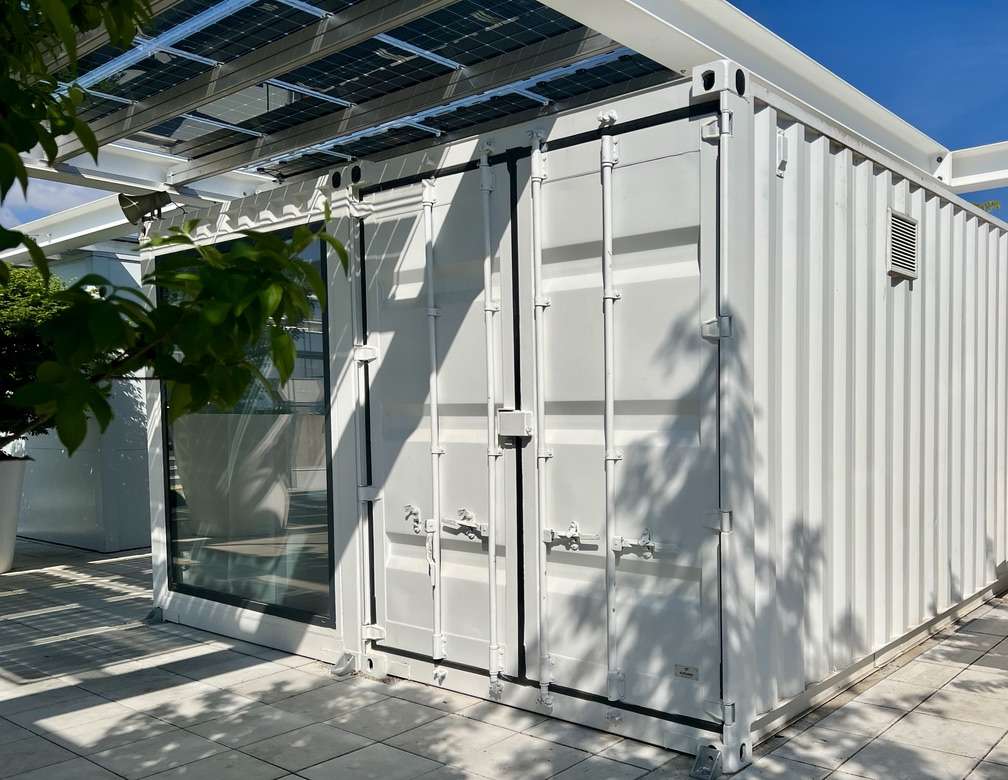
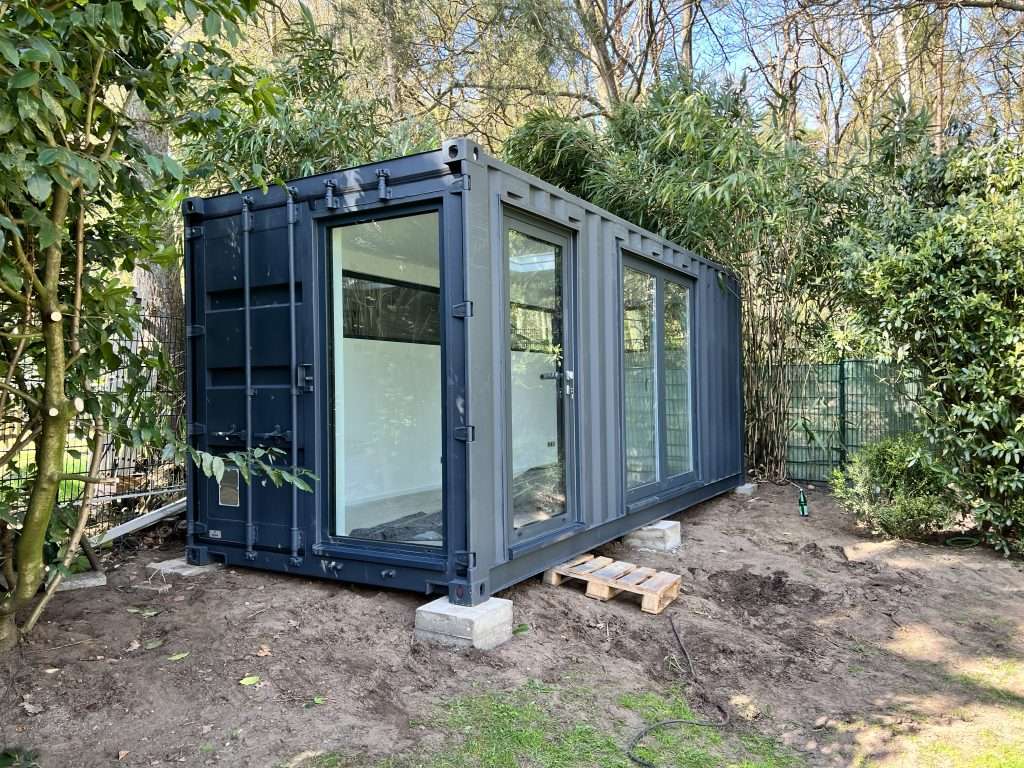
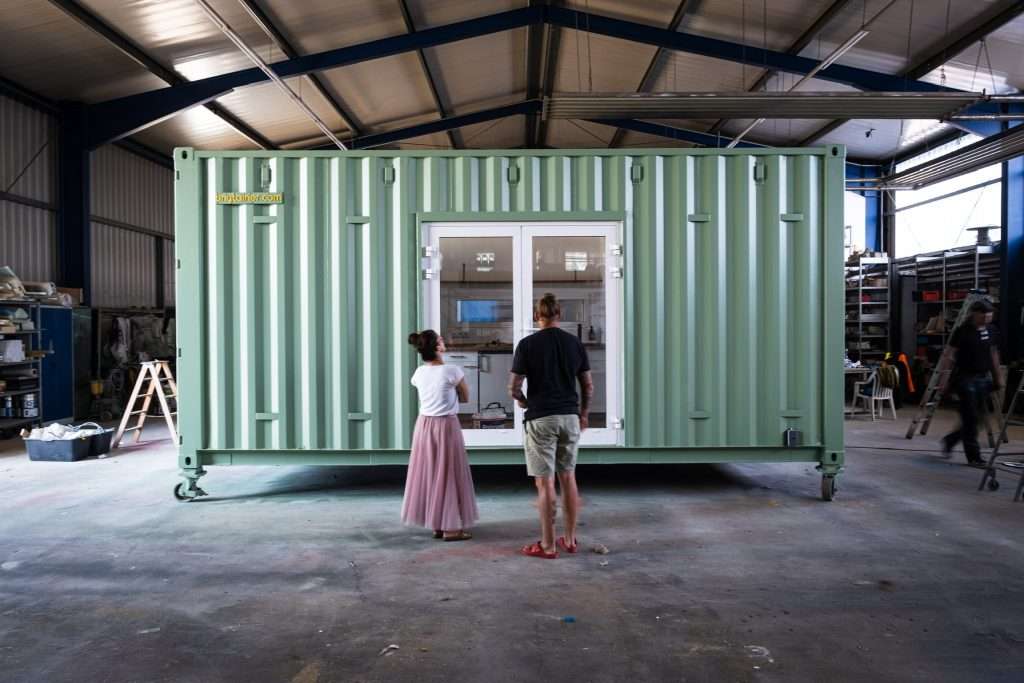
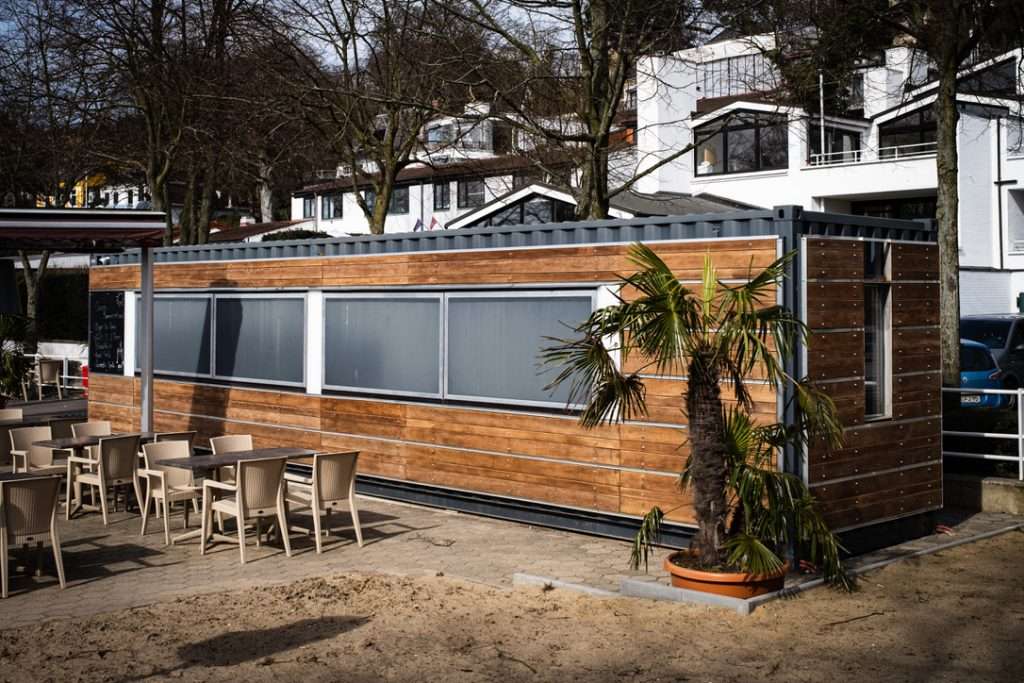
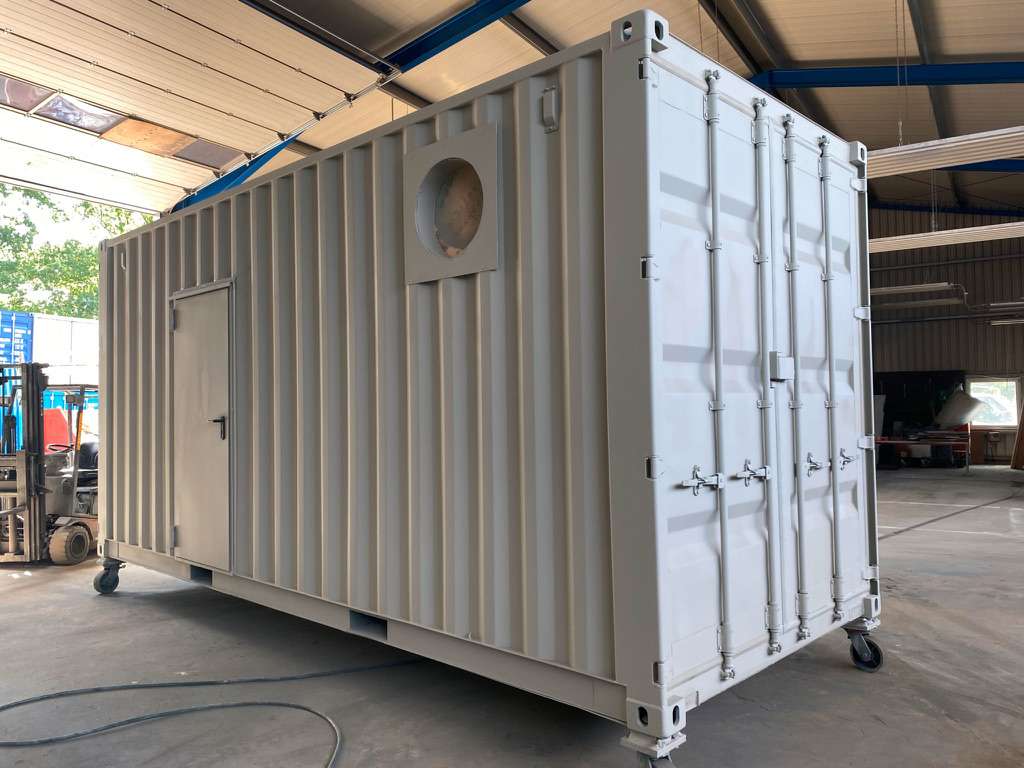
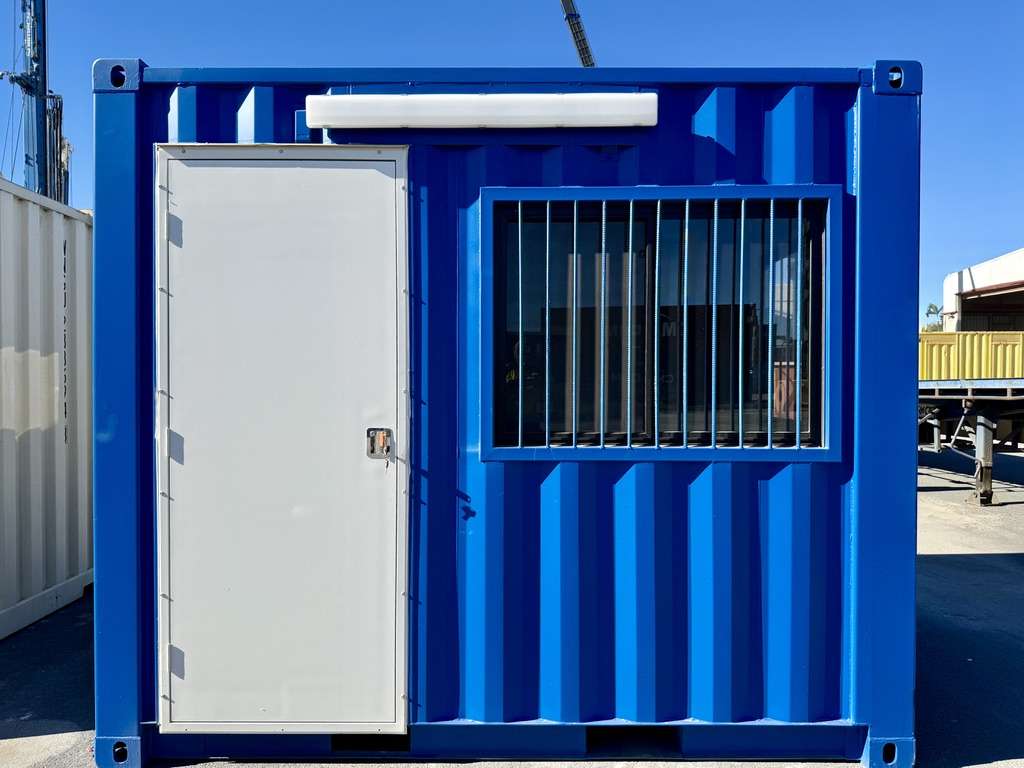
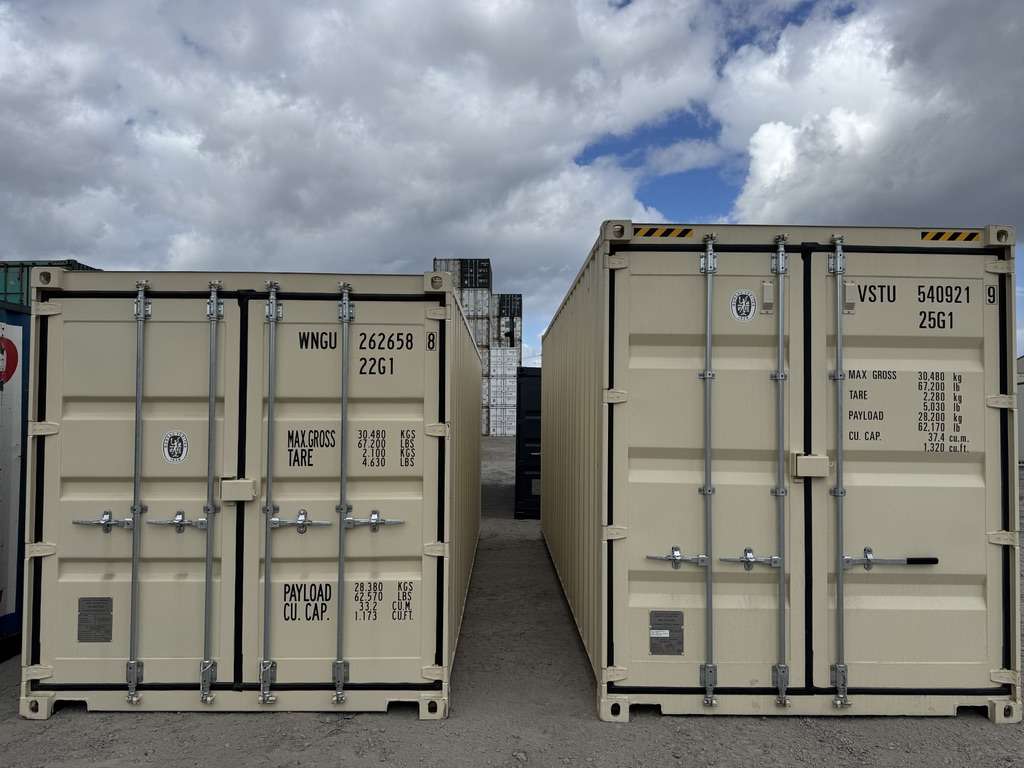
The design is clever, but at its core a container is a big steel box you can adapt almost any way you want.
So what are the options? Here are ten creative container conversions to spark ideas for your next commercial or residential project.
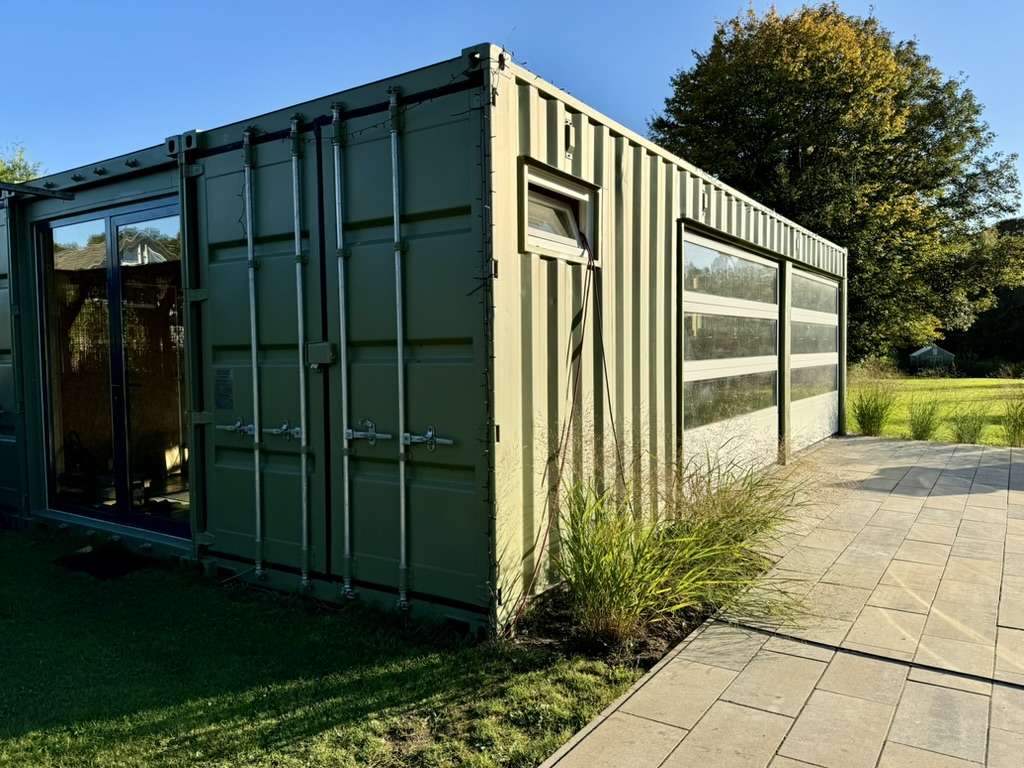
Backyard offices and studios
What it is: Containers turned into backyard offices, art or recording studios, or remote work spaces.
Why it works: An efficient, affordable way to add usable square footage to your property, with a private space set apart from the house.
Key considerations: Insulation, ventilation, noise control, and local permits or zoning rules.
Container homes and ADUs
What it is: Modular dwellings built from one or more containers, designed for part-time or full-time living, including accessory dwelling units (ADUs).
Why it works: Low build costs, fast construction timelines, and a lot of flexibility in layout and customization.
Key considerations: Zoning rules and building codes, electrical, natural light, insulation, and climate control. Our guide to shipping container homes covers each of these.
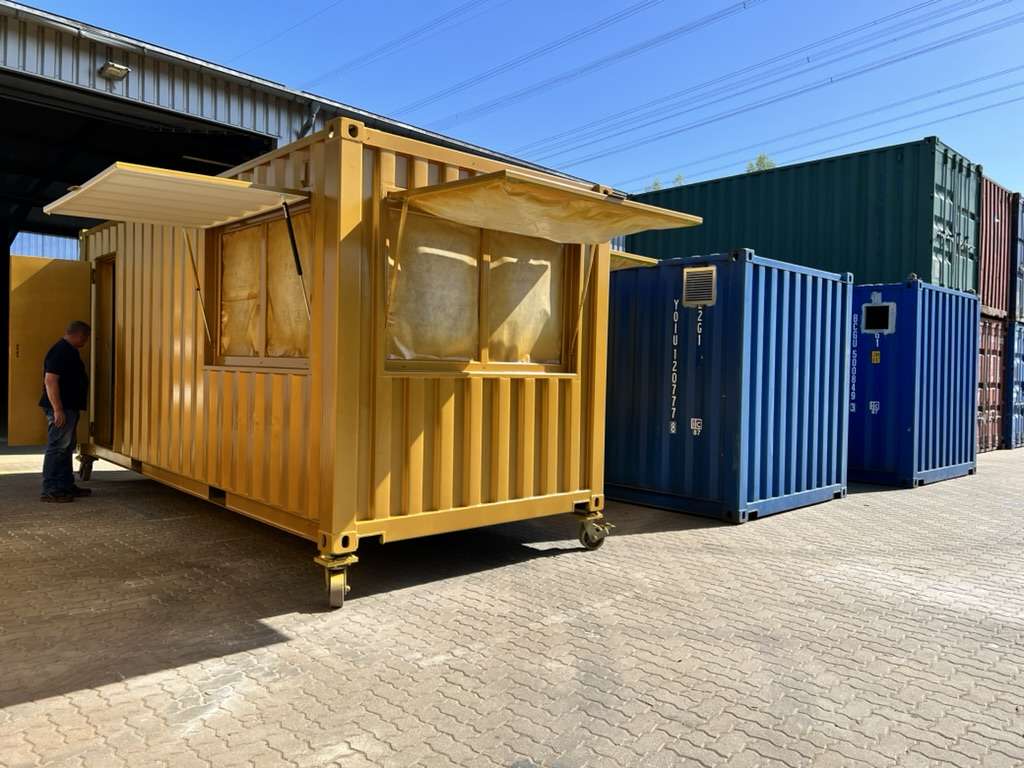
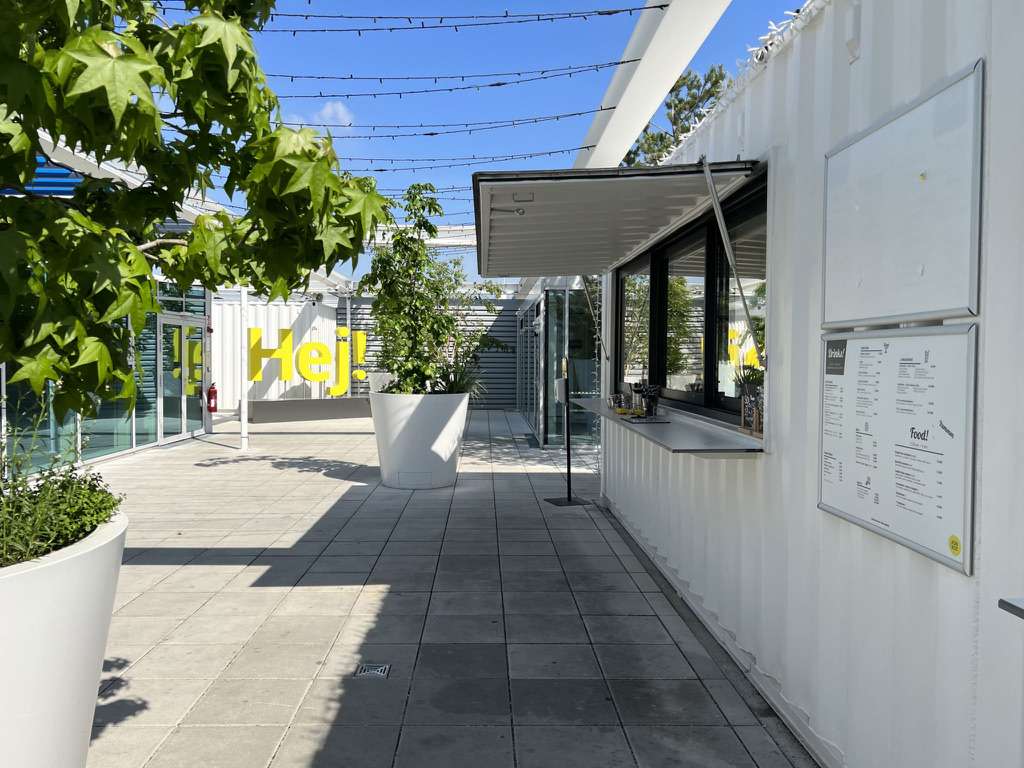
Pop-up shops and retail spaces
What it is: Portable container spaces for cafés, retailers, and market vendors.
Why it works: Easy to relocate, simple to wrap in your colors and branding, and a distinctive look that draws attention.
Key considerations: Power access, customer and staff flow, and city permits or licensing for commercial use.
Workshops and hobby sheds
What it is: A secure container fitted out as a garage, tool shed, hobby space, or woodworking shop.
Why it works: Wind and watertight, strong, and secure, with relatively straightforward power and shelving installs.
Key considerations: Ventilation, electrical and lighting, and enough clearance for larger tools and equipment.
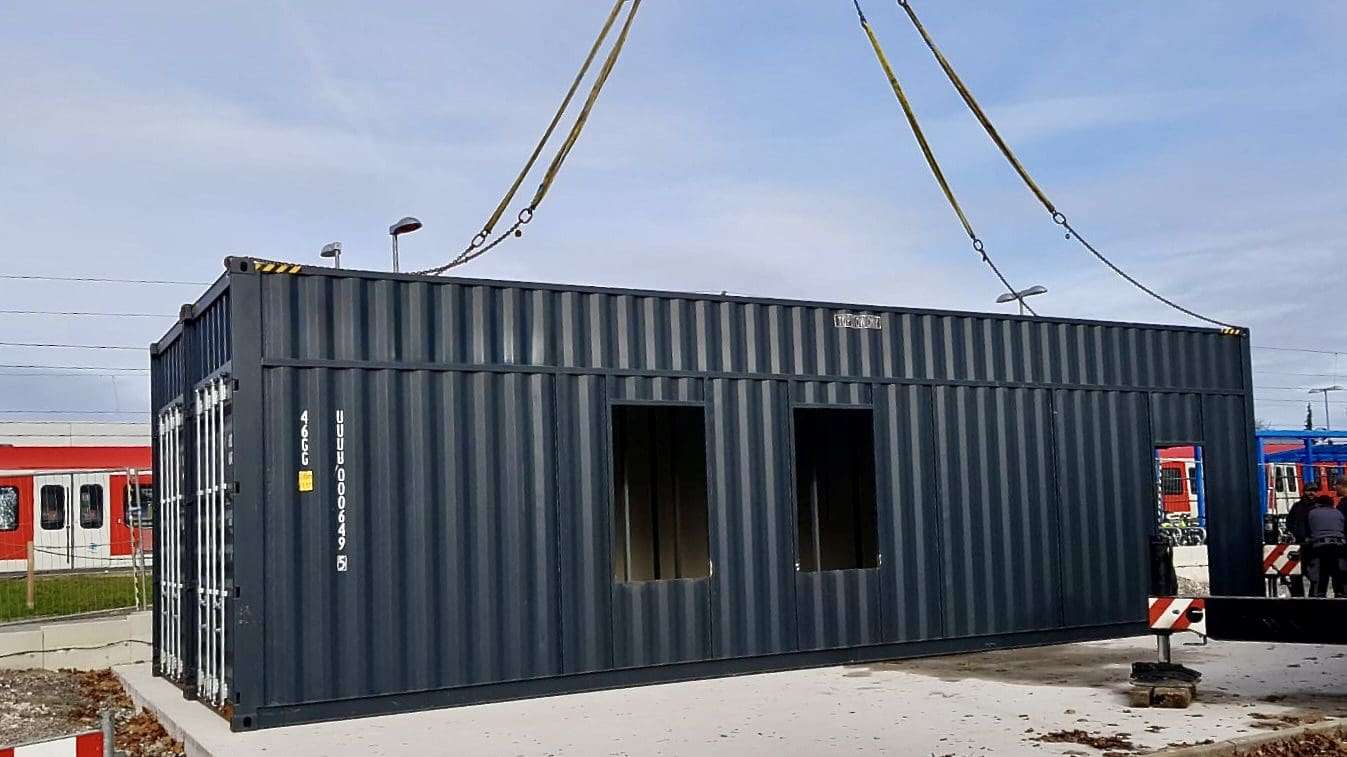
Site offices and construction storage
What it is: Containers used as on-site offices, meeting rooms, break rooms, or secure storage.
Why it works: Fast to deploy, easy to customize, and built to handle rough job-site conditions.
Key considerations: Compliance with site safety standards and an internal layout matched to your crew size and workflow.
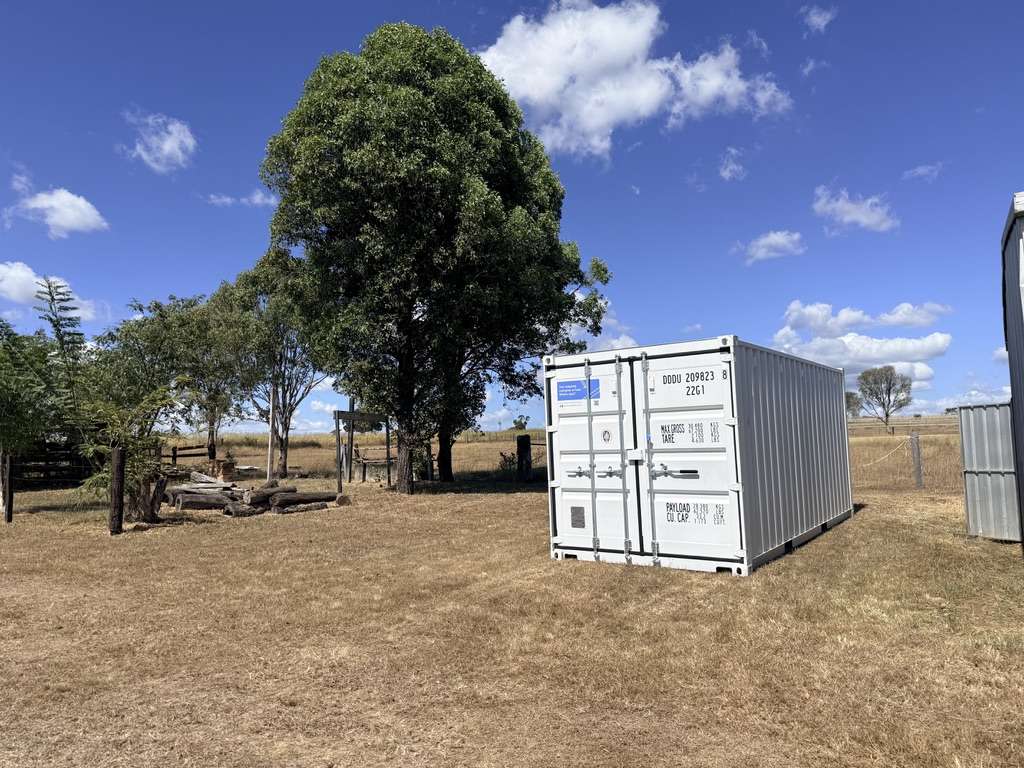
Agricultural and rural applications
What it is: Containers used for farm storage, equipment rooms, or workshops.
Why it works: Wind and watertight, well suited to remote or off-grid sites, and placeable almost anywhere.
Key considerations: Ground prep (a level, compacted surface), corrosion protection, and access.
Hospitality and event spaces
What it is: Containers converted into bars, food kiosks, accommodation pods, or event venues.
Why it works: A distinctive look, a compact footprint, and a fast, cost-effective setup for seasonal operations.
Key considerations: Health and permit regulations, crowd flow, utility hookups, and finish quality.
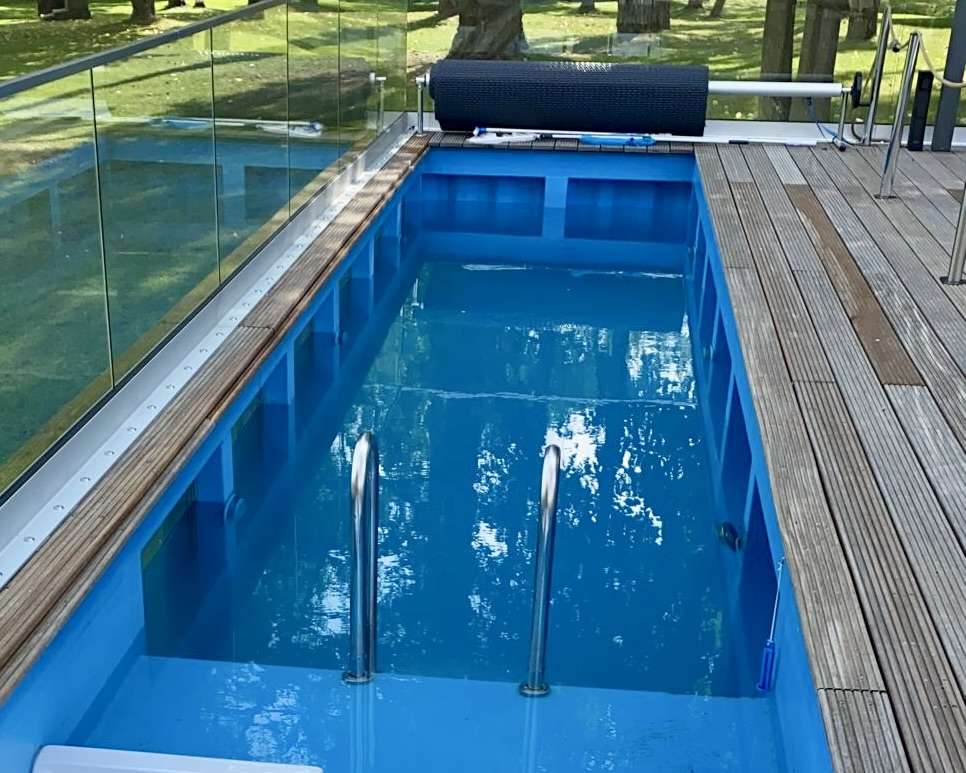
Container pools
What it is: A container-based lap or plunge pool that can be installed in-ground, above-ground, or partly sunk.
Why it works: Lap-pool size in a single delivered unit, often more affordable than a traditional built pool.
Key considerations: Placement on your lot, local codes and permits, and pro install vs. DIY.
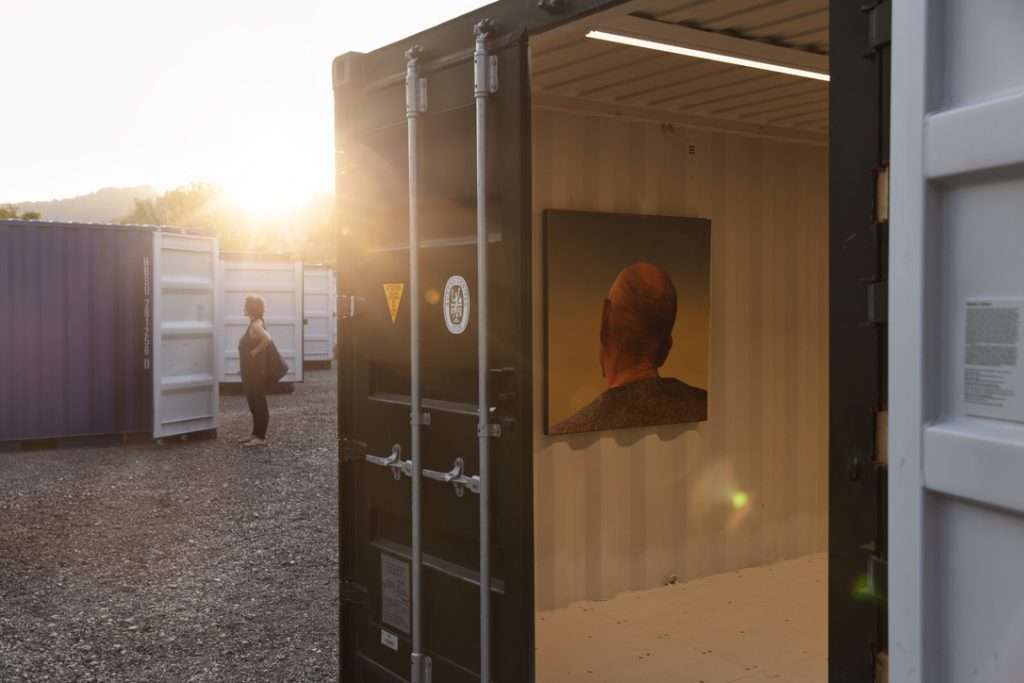
Galleries and studios
What it is: Containers turned into galleries, studios, or temporary exhibition spaces.
Why it works: A raw industrial look, open and easily configured interiors, low cost, and portability.
Key considerations: Lighting, interior layout and design, climate control, and visitor accessibility.
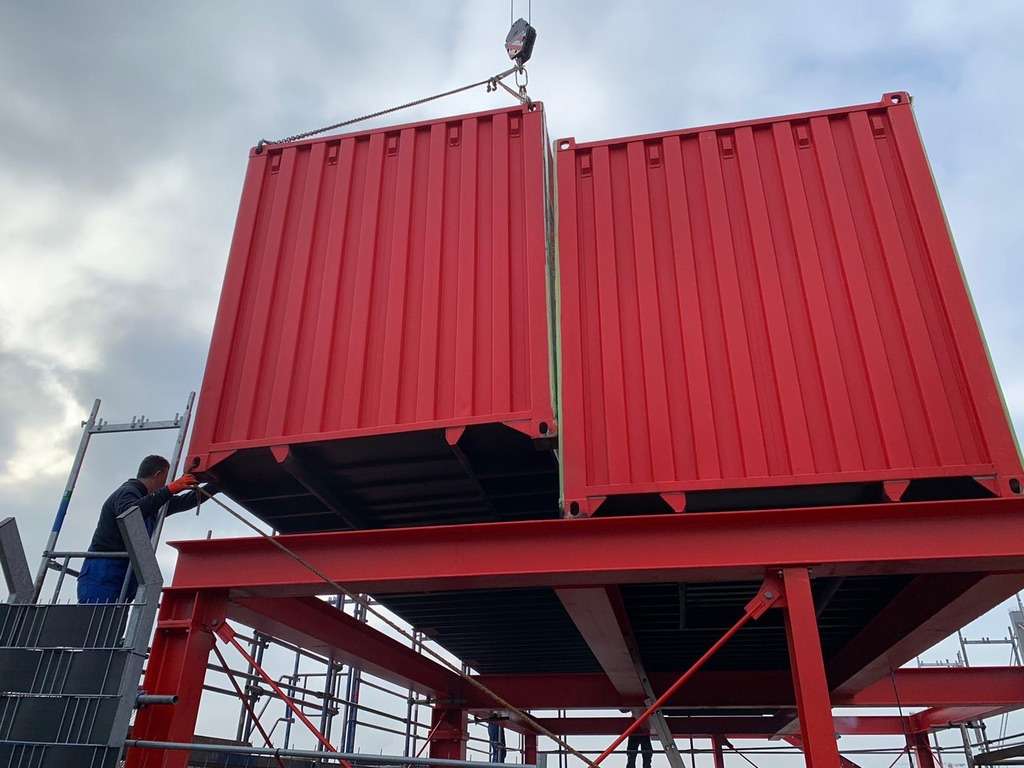
Hybrid and multi-container designs
What it is: Multiple containers stacked or joined side by side to create larger structures, from multi-story homes to storage for tall or bulky goods.
Why it works: A stackable, modular system that supports efficient construction.
Key considerations: Solid connections between units, structural engineering, local extreme-weather loads, access between units, and building permits.
What will you turn a shipping container into?
Container conversions keep gaining ground in the US, thanks to their cost and the sheer range of things you can build.
If you’re looking for the right container for your project, or just want a steer on where to start, shipping-containers.com can connect you with vetted local suppliers.
Quiz
Find the right container for your project
Answer a few quick questions and we’ll point you to the best container option for your use case and location.
Container prices for your city, rule changes in your state, Andy’s newest videos and stock deals when we have them. One email a month, unsubscribe any time.
Andreas Atrott is the founder of CUBX - shipping-containers.com and its sister sites shipping-containers.com.au in Australia and containerbasis.de in Germany. He has spent more than 15 years in the container industry, across sales, modifications, and custom builds, and shares what he has learned on his YouTube channel, Andy Knows Containers. That practical experience shapes how the platform helps US buyers match the right container to their project.
A shipping container is the ultimate blank canvas. The design is clever, but at its core a container is a big steel box you can adapt almost any way you...
A standard shipping container, but taller: the premise behind ‘high cube’ units might be simple, but it makes this type of container particularly well suited to a range of applications....
Shipping containers are good for far more than moving freight across oceans. With the right accessories, you can turn a plain steel box into a storage unit, a site office,...
February 17, 2026
About Us
shipping-containers.com is an independent platform that makes buying a shipping container simple and transparent. Tell us what you need once, and vetted local suppliers across the US send you their quotes. One request, multiple quotes, no fees.
Got questions? Let’s chat.
We are here to make container buying simple. Talk to a real expert, get advice, and find your perfect fit, fast.
Hi, I'm Andy. 15+ years in containers. How can I help?
Shipping Container Homes in New York: Codes, NYC ADUs and Local Bans
How New York handles shipping container homes: the 2025 Uniform Code, NYC ancillary dwelling units, container laws in Buffalo, Sweden and Coxsackie, Adirondack Park review, septic and modular approval.
Shipping Container Homes in California: Codes, ADUs and City Rules
How California handles shipping container homes: the 2025 state codes, the LADBS conversion bulletin, San Diego rules, state ADU law, HCD approval for factory-built units and counties that allow containers only for storage.
Shipping Container Homes in Washington: Codes, ADUs and L&I Rules
How Washington handles shipping container homes: the 2021 state codes, Pierce, King and Ferndale container rules, the two-ADU state law, the energy code wall U-factor and the L&I factory-assembled program.