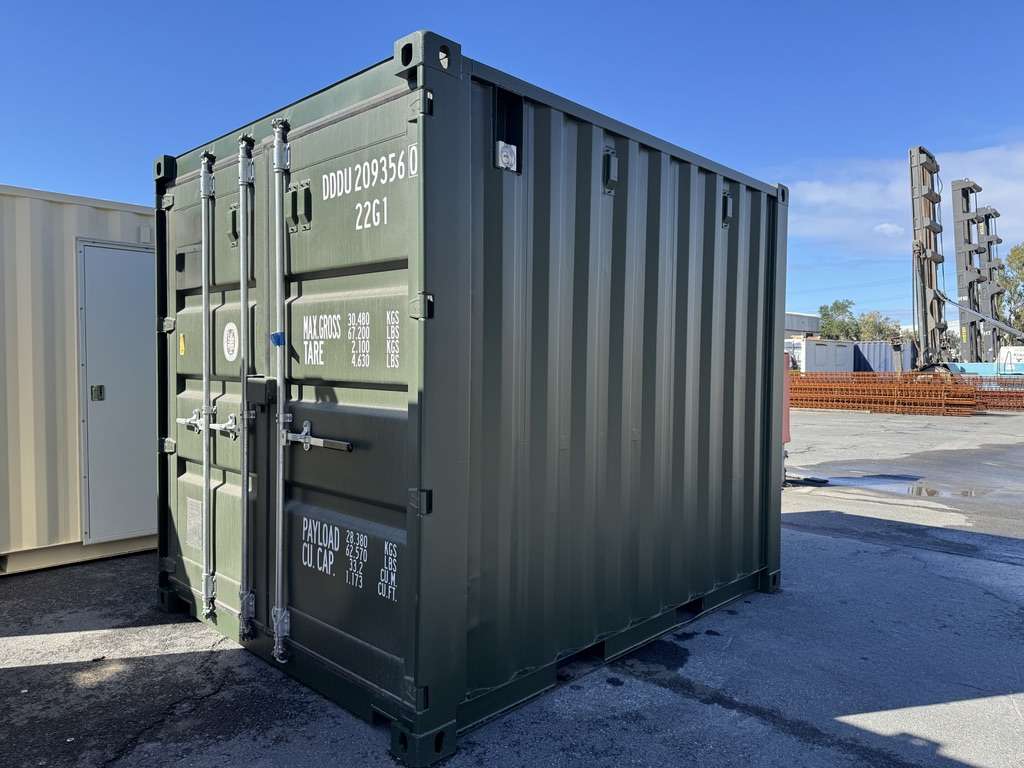
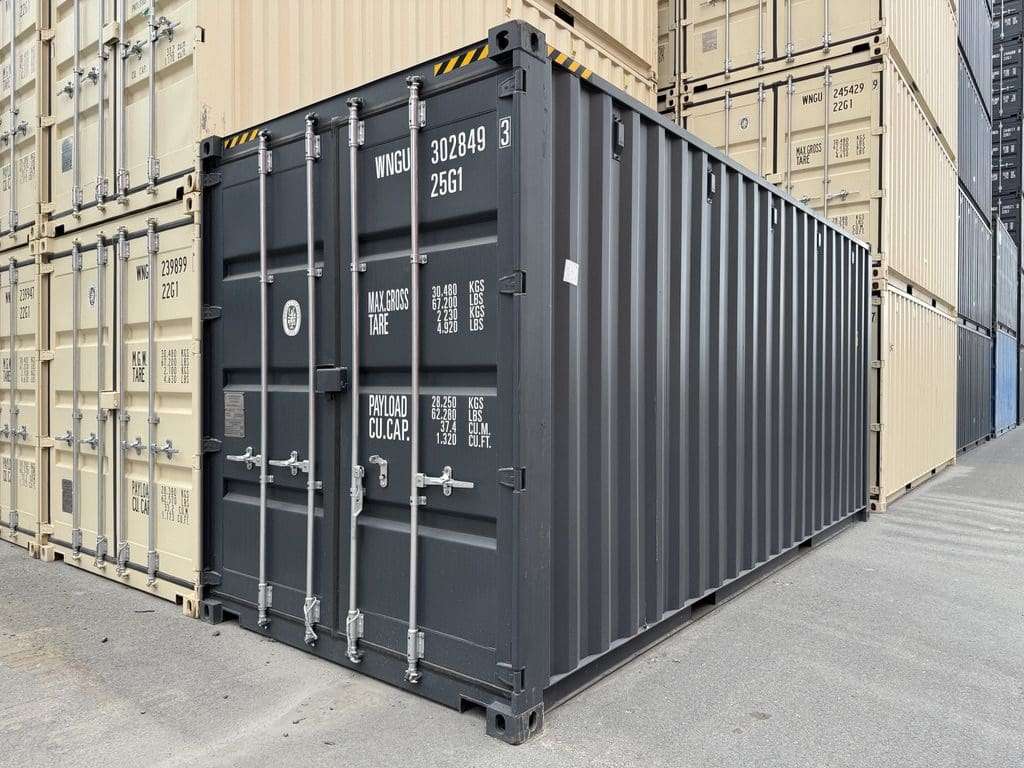
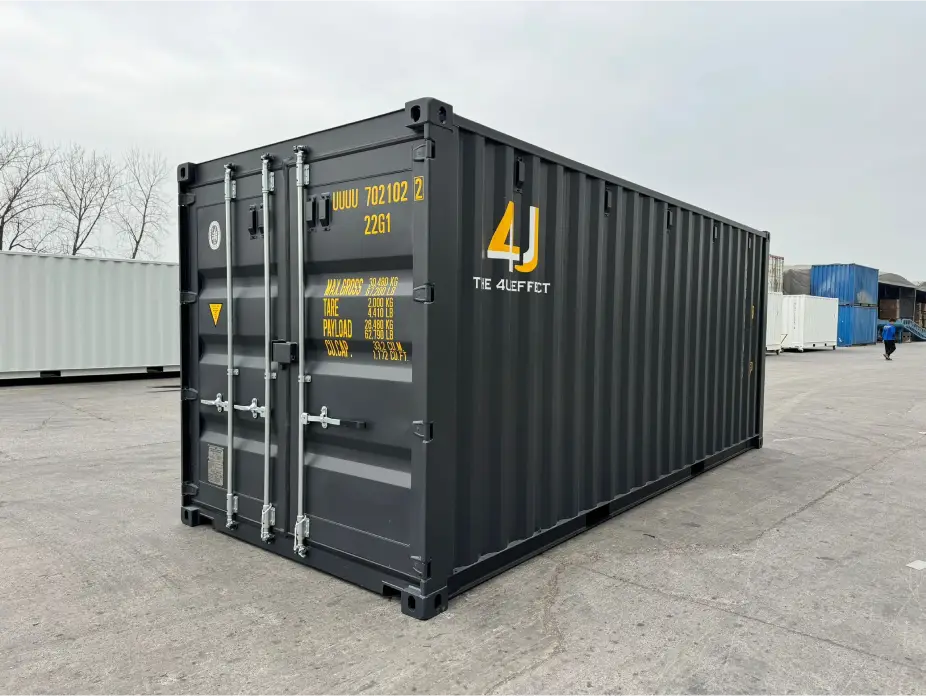
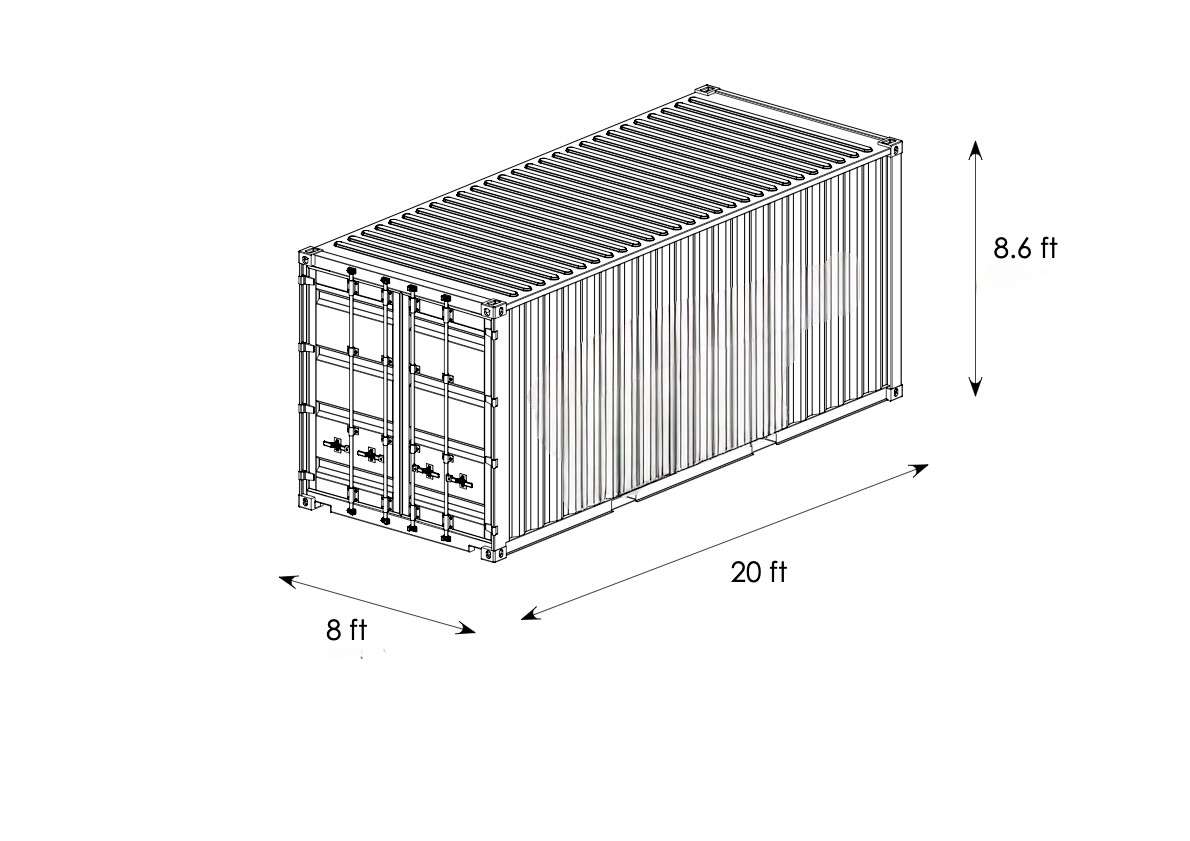
Container sizes are external measurements. The space you can actually use inside is smaller because of the walls, floor and structure.
Inside a standard container you lose about 6 inches of length, 4 inches of width and 8 inches of height.
The door opening is smaller again than the internal dimensions, and that is what decides whether a large item goes in.
High cube containers add close to a foot of internal height without changing the footprint.
The common mistakes: measuring the outside only, forgetting insulation and flooring, and ignoring door swing and truck access.
What size shipping container do you need? The container industry makes that part easy: units are named by their external length, so a 20ft container is 20 feet long and a 40ft container is 40 feet long. Simple enough, until you try to fit a specific machine, a bed or a pallet layout inside and discover the numbers do not mean what you assumed.
Misreading container dimensions causes real problems: equipment that does not fit through the door, a layout that does not work, a delivery truck that cannot get in, or a permit application with the wrong footprint. This is not a guide to using a tape measure. It is a guide to which numbers matter for your project, and how to read them so you choose the right size the first time.
Andy measured five shipping containers to see how real internal dimensions compare with the numbers on the spec sheet.
External vs internal shipping container dimensions
When people say 20ft or 40ft (or the less common 8ft, 10ft and 45ft), they mean the external length. Those external dimensions are fixed by ISO standards so that every container fits the same trucks, railcars, ships and cranes worldwide.
If you plan to store goods, set up a site office or run a conversion project, you need the internal dimensions. The corrugated steel walls, corner posts, top and bottom rails and the floor all take up space. In a standard container you typically lose:
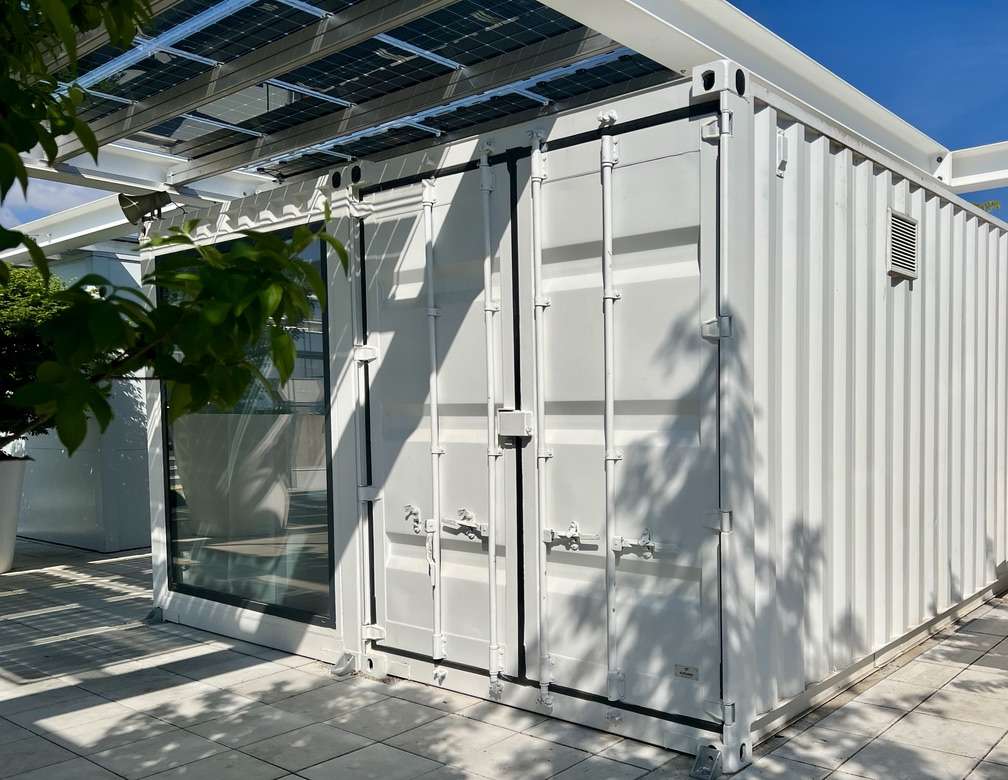
That difference matters when you are storing large items or planning the layout of a 20ft container office, kiosk or tiny home. A few inches decide whether a machine, a bed or a desk fits along the wall or does not.
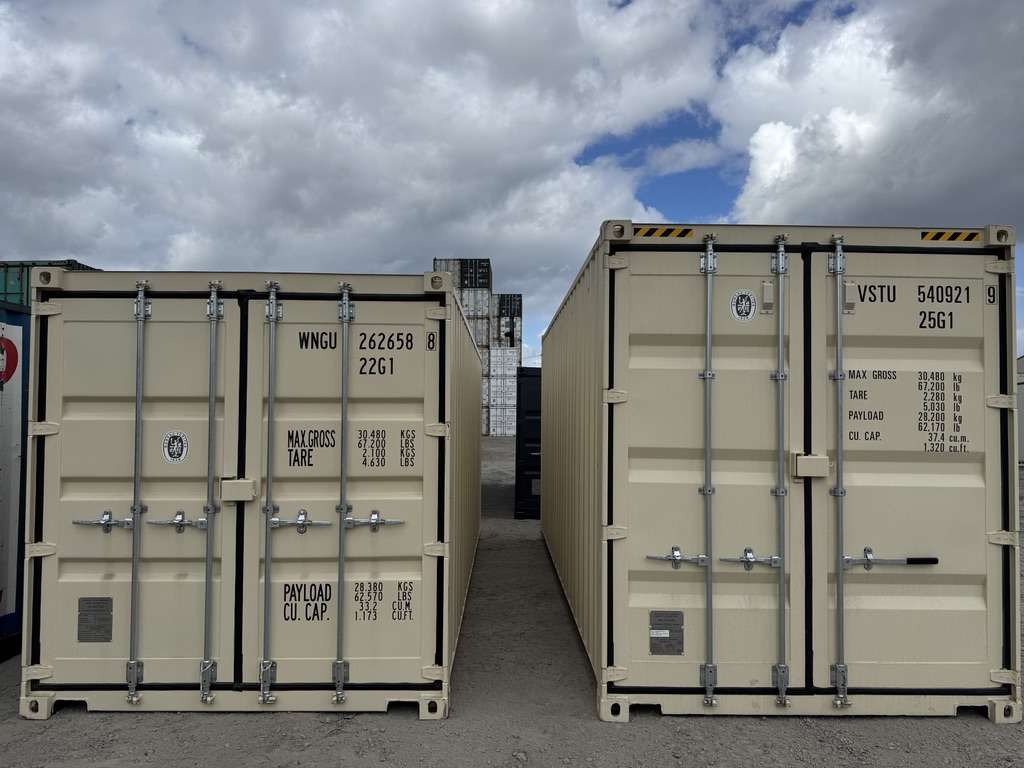
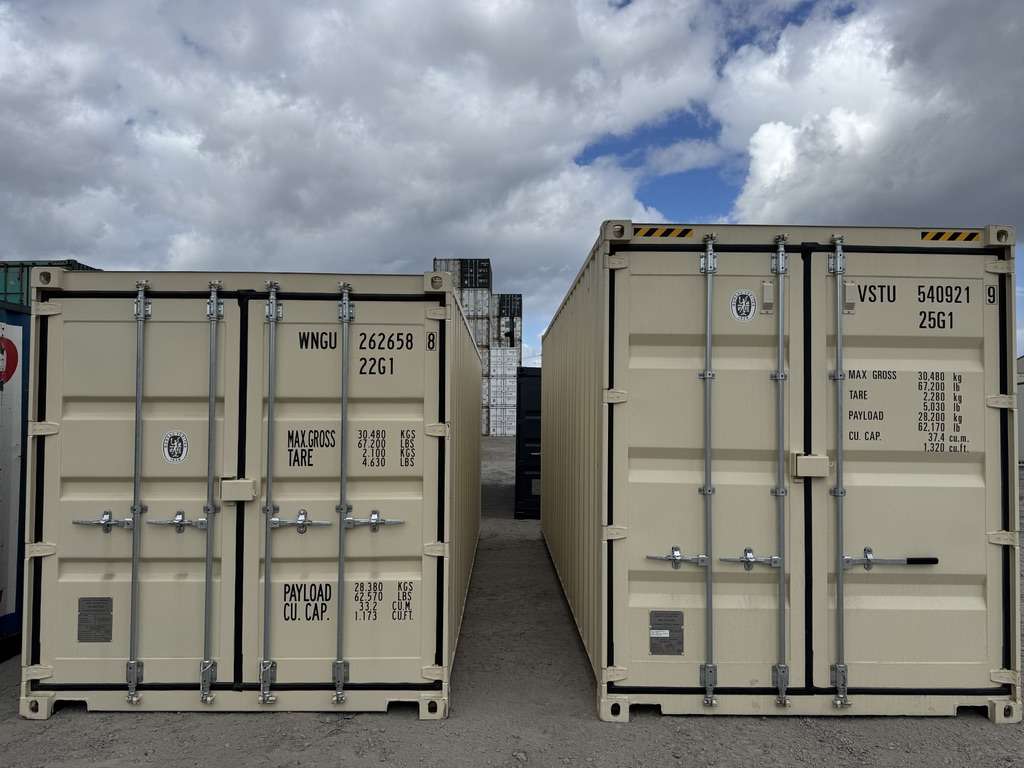
Shipping container door measurements Fitting inside the footprint is one thing. Fitting through the door is what actually matters when you load. The door opening is slightly smaller than the internal cross section: on standard 20ft and 40ft containers it is about 7 ft 8 in wide and 7 ft 6 in high (2,335 x 2,280 mm), roughly 4 inches lower than the internal height.
You can sometimes tilt or angle an item to get it through, but with heavy items that is risky. Plan for items that are smaller than the door opening. If you regularly load wide or tall equipment, look at a high cube or a side opening unit instead.
Theoretical vs usable volume
Multiply the internal length, width and height and you get the theoretical volume: about 1,170 cubic feet (33 m³) for a standard 20ft. The space you can actually fill is a little less:
Corner castings: the heavy steel blocks in the top corners take up about 6 inches (150 mm). They do not affect floor space, but they matter for tall items and for fitting cabinets or shelving at the top of the wall.
Lashing rings: the tie-down points sit within the wall corrugations, so they rarely cost you volume, but they can snag a wide load.
If you need more room without a bigger footprint, a high cube container is the answer. It is about 12 inches (305 mm) taller externally and gives you close to a foot of extra headroom inside, roughly 12% more volume on the same floor area.
Common measurement pitfalls to avoid
First-time buyers make the same handful of mistakes. Avoiding them keeps you from paying for a container that turns out to be the wrong size.
Measuring the outside: base your decision on the internal dimensions, not the nominal size on the listing.
Forgetting the floor: containers come with marine plywood or bamboo flooring, usually about 1 1/8 inches (28 mm) thick. Add your own finish and you lose a little more height.
Insulation creep: a living or working space needs insulation and lining. Two to four inches per wall is common, and it comes straight out of the internal width and length.
Door swing and truck access: standard doors swing open 270 degrees. Leave room in that arc, and leave room for the tilt bed truck to back in and slide the container off. A side yard that fits the container may not fit the delivery.
Road height: a high cube on a standard trailer sits close to the typical 13 ft 6 in US road clearance. If you have low bridges or overhead lines on the way in, ask your supplier about routing before you order.
Used units: patches, floor replacements and door repairs on used containers can shift internal measurements by an inch or two. If your build is tight, measure the actual unit before you cut anything.
Find the right container size
Not sure which size fits your project? Start with the dimensions guide to compare 10ft, 20ft, 40ft and high cube side by side, then check shipping containers for sale to see what is available near you.
shipping-containers.com is an independent platform, not a dealer. Once you know your size, one request goes to vetted local suppliers across the US who respond with quotes. One request, multiple quotes, no fees.
Container prices for your city, rule changes in your state, Andy’s newest videos and stock deals when we have them. One email a month, unsubscribe any time.
Andreas Atrott is the founder of CUBX - shipping-containers.com and its sister sites shipping-containers.com.au in Australia and containerbasis.de in Germany. He has spent more than 15 years in the container industry, across sales, modifications, and custom builds, and shares what he has learned on his YouTube channel, Andy Knows Containers. That practical experience shapes how the platform helps US buyers match the right container to their project.
A shipping container is the ultimate blank canvas. The design is clever, but at its core a container is a big steel box you can adapt almost any way you...
A standard shipping container, but taller: the premise behind ‘high cube’ units might be simple, but it makes this type of container particularly well suited to a range of applications....
Shipping containers are good for far more than moving freight across oceans. With the right accessories, you can turn a plain steel box into a storage unit, a site office,...
February 17, 2026
About Us
shipping-containers.com is an independent platform that makes buying a shipping container simple and transparent. Tell us what you need once, and vetted local suppliers across the US send you their quotes. One request, multiple quotes, no fees.
Got questions? Let’s chat.
We are here to make container buying simple. Talk to a real expert, get advice, and find your perfect fit, fast.
Hi, I'm Andy. 15+ years in containers. How can I help?
Shipping Container Homes in New York: Codes, NYC ADUs and Local Bans
How New York handles shipping container homes: the 2025 Uniform Code, NYC ancillary dwelling units, container laws in Buffalo, Sweden and Coxsackie, Adirondack Park review, septic and modular approval.
Shipping Container Homes in California: Codes, ADUs and City Rules
How California handles shipping container homes: the 2025 state codes, the LADBS conversion bulletin, San Diego rules, state ADU law, HCD approval for factory-built units and counties that allow containers only for storage.
Shipping Container Homes in Washington: Codes, ADUs and L&I Rules
How Washington handles shipping container homes: the 2021 state codes, Pierce, King and Ferndale container rules, the two-ADU state law, the energy code wall U-factor and the L&I factory-assembled program.