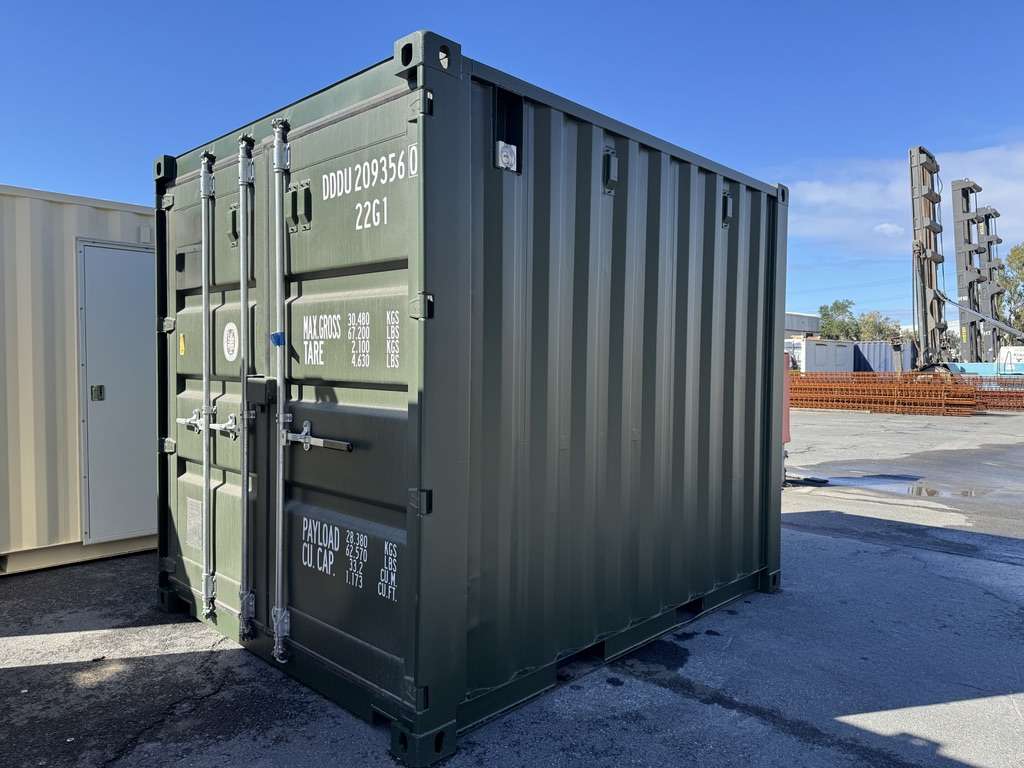
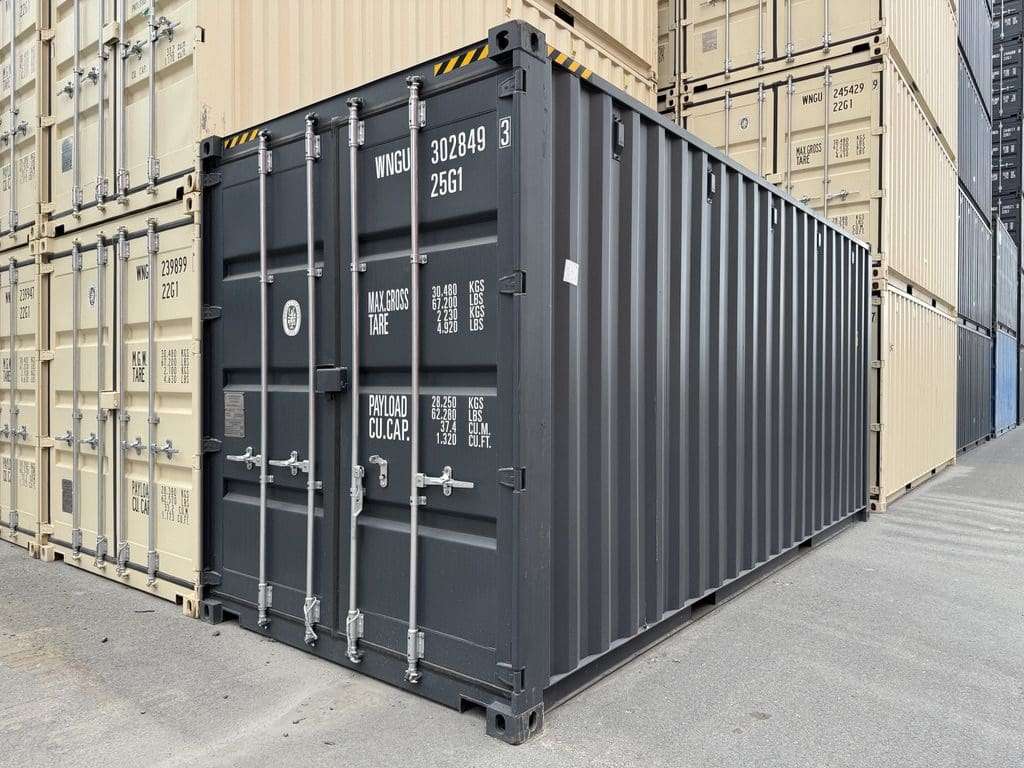
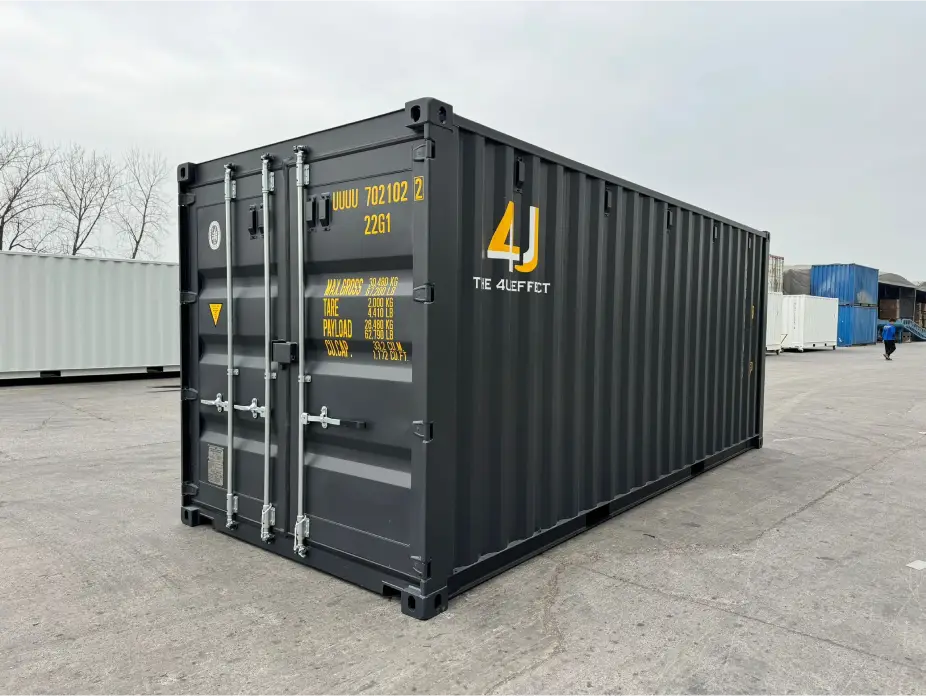
Shipping containers are a flexible, cost-effective base for residential, commercial, and rural projects across the US.
Popular uses include home offices, container homes, pop-up retail, workshops, and pools.
Their strength, portability, and adaptability make them work in a wide range of US climates.
Each use case has its own planning, insulation, access, and permit considerations.
With the right design, a container can become a genuinely functional, eye-catching space.
Joining Two Shipping Containers: Structure, No-Weld Assembly and Cost Guide
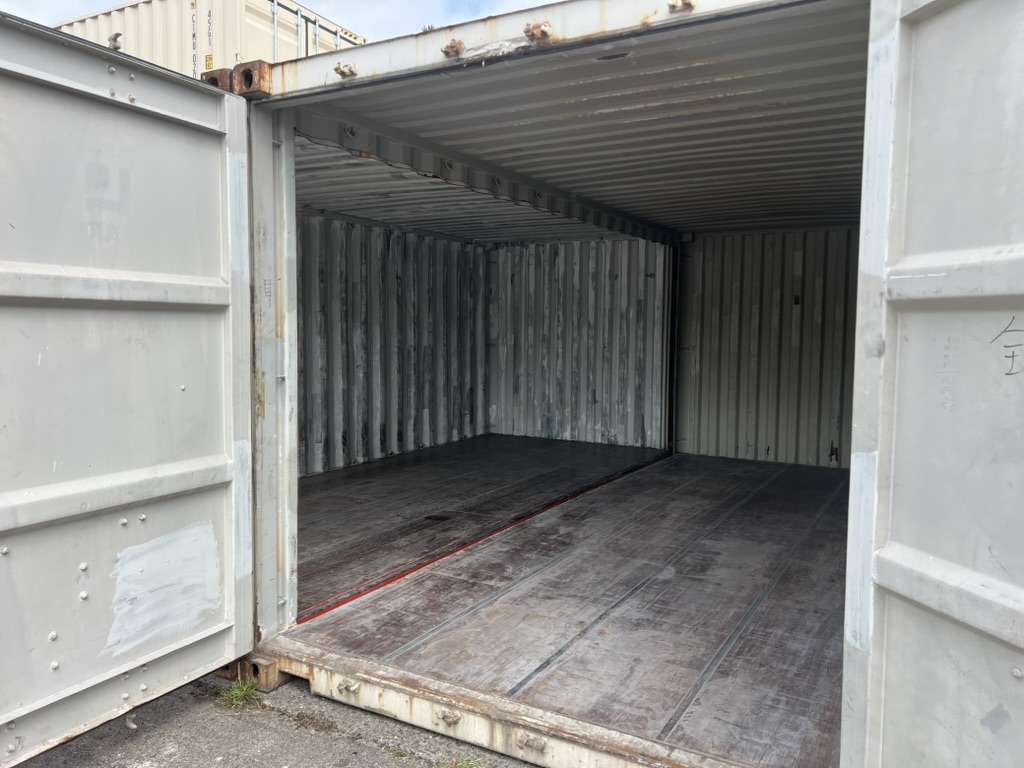
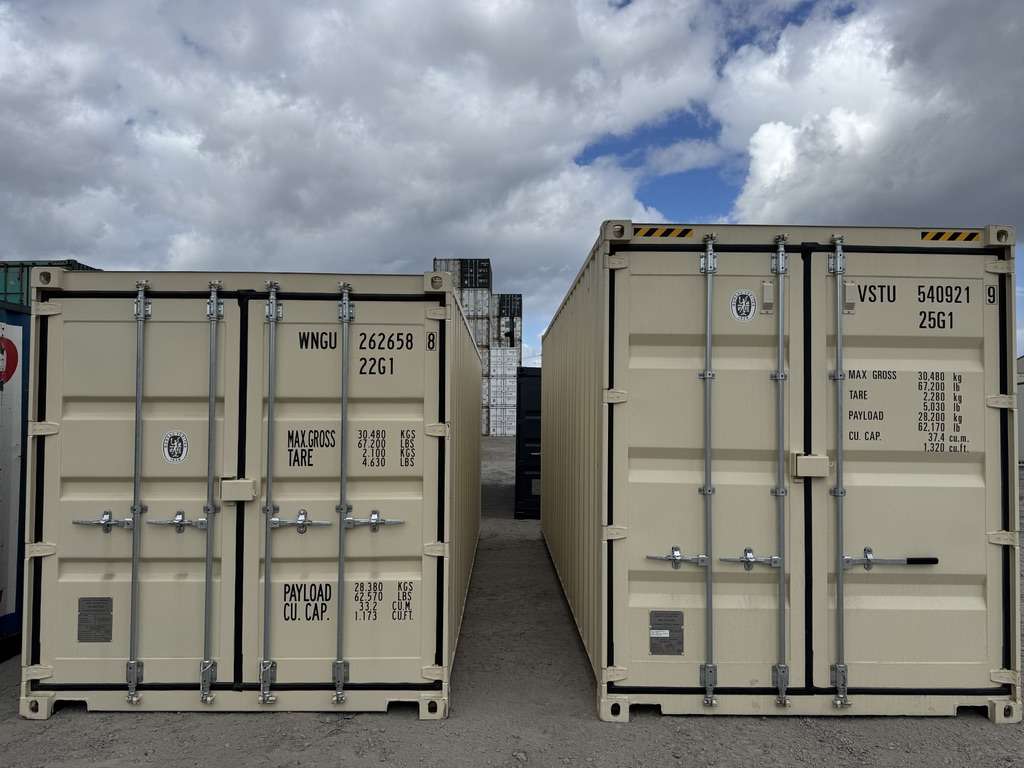
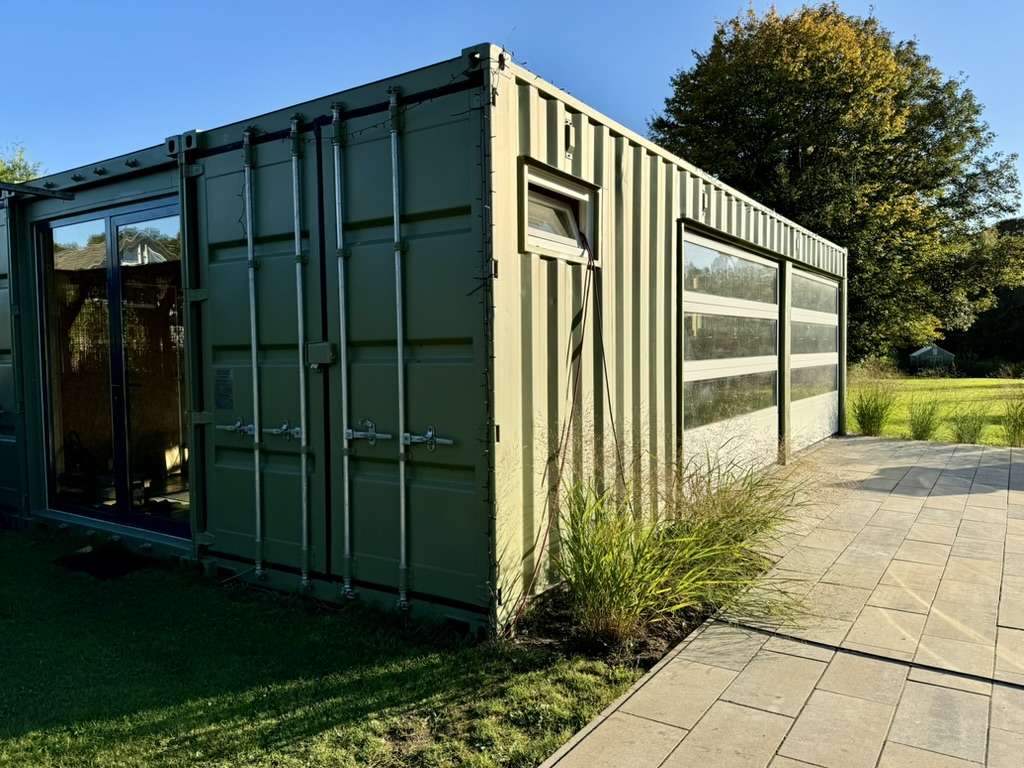
Two used 20ft containers, side walls out, coupled into one room just under 16 feet wide. Sounds simple. In practice there is one thing standing between you and a clean double-wide build: the side wall of a container is not just a wall, it is part of the load-bearing structure. This guide covers what has to happen before two boxes become one room, why the welding belongs in a workshop and not on your property, and what the whole thing costs.
Key takeaways
The side wall of a shipping container carries load. Cut it out without replacing its job and the structure moves.
All welding happens in the workshop: reinforcement under the roof rail, a flat-bar water barrier and sealed corner castings.
On site, the two modules are coupled with four bridge fittings and a rubber gasket. That takes about 30 minutes and no welder.
Two coupled 20-footers give you one room of roughly 300 sq ft with no posts in the middle.
Coupled and anchored, the pair stands more stable across the wind than a single container. Along its length it does not, so anchoring is part of the build, not an option.
The full build in under 9 minutes: cutting the walls, reinforcing, coupling with bridge fittings and the drive-in test.
Planning a build with more than one container? Tell us the size, the condition and your delivery ZIP code, and vetted local suppliers respond with delivered prices. One request, several quotes, no fees.
A container does not carry load the way a shed frame does. Roof, side walls, floor and the four corner posts work together as one structure, and the corrugated side wall acts as a stiffening panel inside that system. Cut it away on a calm day and nothing happens. Load the roof, park it in wind or lift it, and the remaining frame has to do a job it was never sized for on its own.
Our structural report puts it in one sentence: the side wall belongs to the load-bearing structure. So the real task is not cutting a wall out. The real task is replacing what that wall was doing.
What happens in the workshop
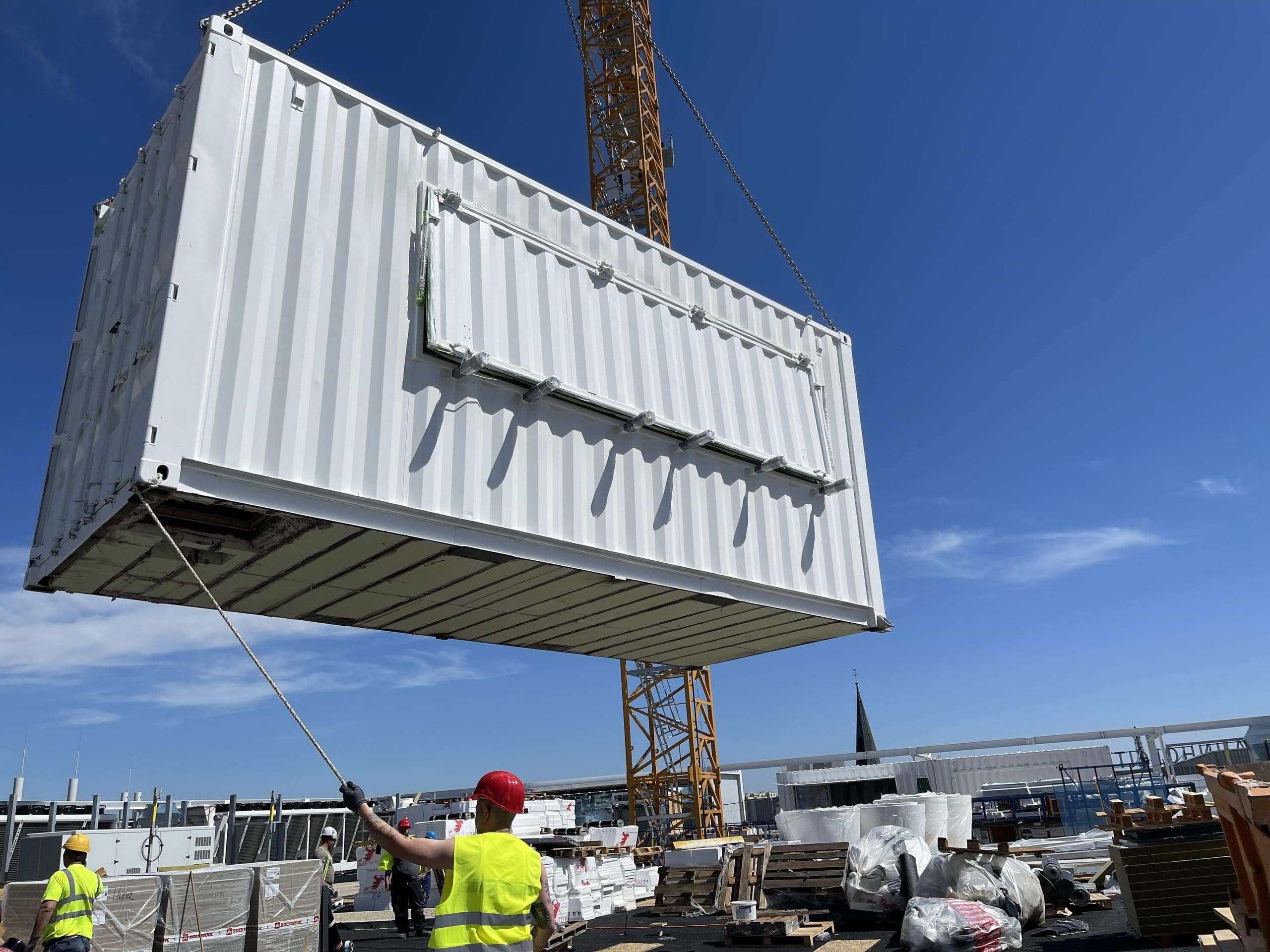
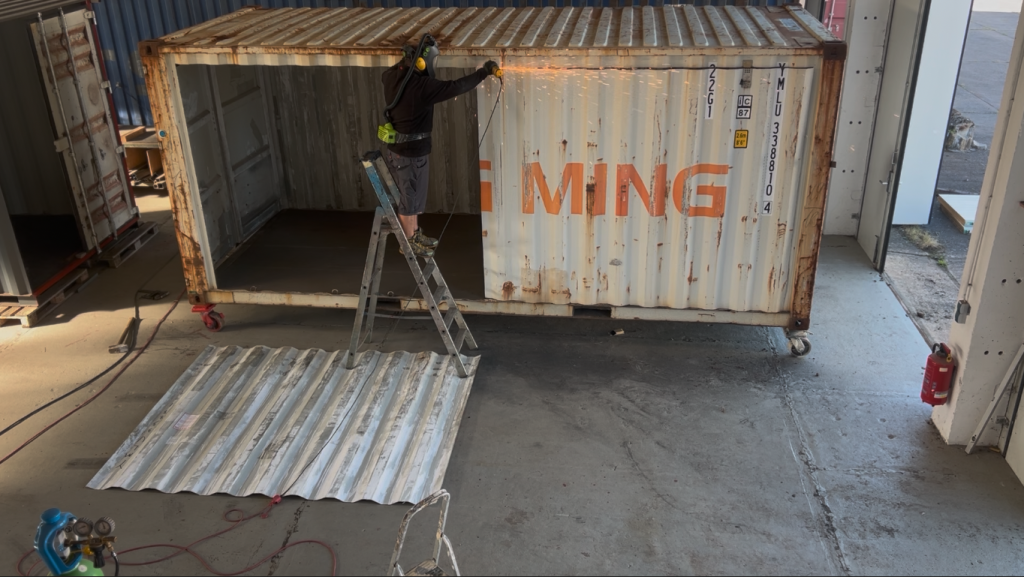
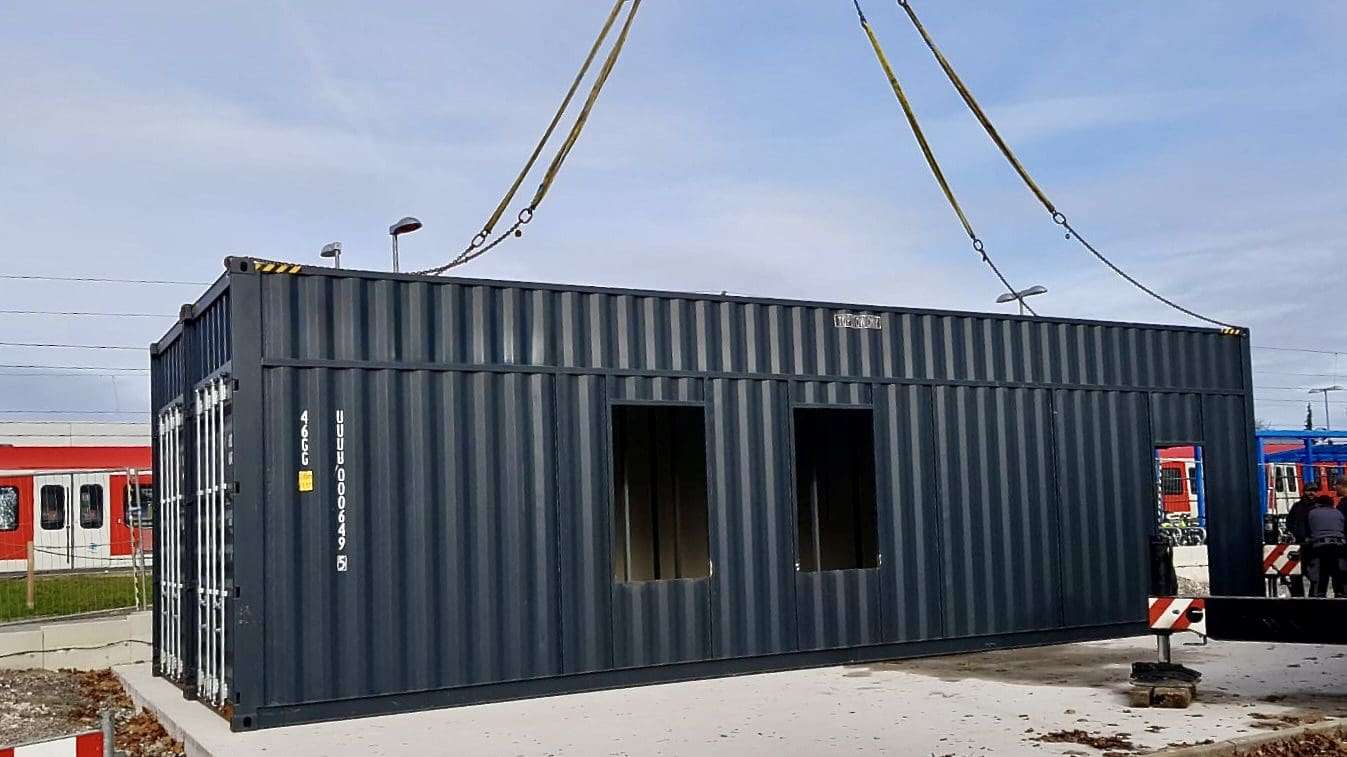
In our build, the opening is cut so that a 4 inch strip of corrugation stays in place under the top side rail. That strip keeps the rail working as a beam instead of a loose edge. On top of the rail, a flat steel bar goes on edge and gets fully welded along its length. It stiffens the roof edge and doubles as the water barrier, because a container roof drains from the middle to the sides. The four upper corner castings are welded shut from the inside so the joint stays dry, then everything gets primed.
That is a day and a half of work for two men, and every single weld in the build happens there, on level ground, with proper power. Nothing about this is a driveway job.
Free monthly email
Andy’s Container Report
Container prices for your city, rule changes in your state, Andy’s newest videos and stock deals when we have them. One email a month, unsubscribe any time.
On-site assembly: 30 minutes, no welder
On delivery day the site work is mechanical. The two modules are set down and aligned with a 5/8 inch joint between them. A rubber gasket with a fir-tree profile is threaded through the corner castings, not around them, and pressed into the joint starting from the bottom. Then four bridge fittings go into the corner castings and get tightened down. The same connectors hold containers on ships, so they are not the weak point of this build.
From the first lift to the finished room takes about half an hour. The site work is bolting, not fabrication.
Dimensions and floor space
Specification
Single 20ft container
Coupled pair (double-wide)
External length
19 ft 10 in (6.06 m)
19 ft 10 in (6.06 m)
External width
8 ft (2.44 m)
16 ft 1 in (4.89 m)
External height
8 ft 6 in (2.59 m)
8 ft 6 in (2.59 m)
Floor space
approx. 150 sq ft
approx. 300 sq ft
Door openings
1 (7 ft 8 in x 7 ft 6 in)
2 (7 ft 8 in x 7 ft 6 in each)
Tare weight
approx. 4,960 lbs
approx. 9,040 lbs
Just under 16 feet of clear width with no post in the middle is the whole point of the exercise. A truck fits with both doors open, a workshop fits with room to walk around the bench, and as storage it swallows what a single box never could.
Anchoring and honest limits
The engineering behind our build calls for anchoring at the corners. Coupled and anchored, the pair stands more stable across the wind than any single container. Along its length nothing improves, which is exactly why the anchors are in the spec. Two more limits you should hear before buying any conversion like this: with the walls open, the modules are not stackable and not seaworthy. They are a building now, not a shipping container.
If your building department or inspector asks for documentation, ask the builder for the structural report before you pay. A converted container without paperwork is cheap right up until the permit question arrives.
What does it cost?
Four positions decide the price: the two donor containers, the workshop conversion, the coupling hardware and the delivery. The donor boxes are the biggest variable, because used 20ft prices move with your region and the market. The conversion itself is about a day and a half of workshop labor plus steel, gasket and fittings, and that part changes little from market to market.
A rule of thumb from our own builds: the finished double-wide lands at roughly twice what the two donor containers cost you, plus delivery and crane time. What stays cheap in every market is the site itself, because 30 minutes of crane and bolts replaces days of on-site fabrication. Get quotes for the boxes and the conversion together, then you see the real number instead of guessing.
Planning a double-wide build?
We connect buyers with container suppliers and modification partners across the United States. Tell us what you want to build and we will line up quotes for the boxes and the conversion, so you can compare before you commit.
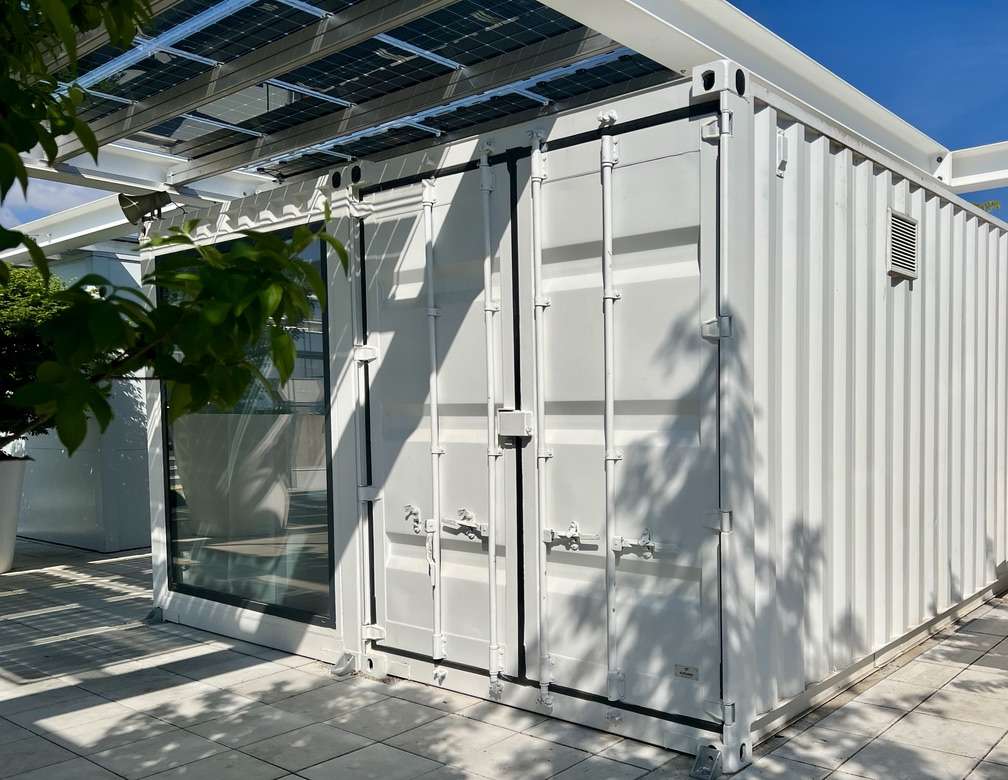
Container conversions keep gaining ground in the US, thanks to their cost and the sheer range of things you can build.
If you’re looking for the right container for your project, or just want a steer on where to start, shipping-containers.com can connect you with vetted local suppliers.
Quiz
Find the right container for your project
Answer a few quick questions and we’ll point you to the best container option for your use case and location.
Andreas Atrott is the founder of CUBX - shipping-containers.com and its sister sites shipping-containers.com.au in Australia and containerbasis.de in Germany. He has spent more than 15 years in the container industry, across sales, modifications, and custom builds, and shares what he has learned on his YouTube channel, Andy Knows Containers. That practical experience shapes how the platform helps US buyers match the right container to their project.
A shipping container is the ultimate blank canvas. The design is clever, but at its core a container is a big steel box you can adapt almost any way you...
A standard shipping container, but taller: the premise behind ‘high cube’ units might be simple, but it makes this type of container particularly well suited to a range of applications....
Shipping containers are good for far more than moving freight across oceans. With the right accessories, you can turn a plain steel box into a storage unit, a site office,...
February 17, 2026
About Us
shipping-containers.com is an independent platform that makes buying a shipping container simple and transparent. Tell us what you need once, and vetted local suppliers across the US send you their quotes. One request, multiple quotes, no fees.
Got questions? Let’s chat.
We are here to make container buying simple. Talk to a real expert, get advice, and find your perfect fit, fast.
Hi, I'm Andy. 15+ years in containers. How can I help?
Shipping Container Homes in New York: Codes, NYC ADUs and Local Bans
How New York handles shipping container homes: the 2025 Uniform Code, NYC ancillary dwelling units, container laws in Buffalo, Sweden and Coxsackie, Adirondack Park review, septic and modular approval.
Shipping Container Homes in California: Codes, ADUs and City Rules
How California handles shipping container homes: the 2025 state codes, the LADBS conversion bulletin, San Diego rules, state ADU law, HCD approval for factory-built units and counties that allow containers only for storage.
Shipping Container Homes in Washington: Codes, ADUs and L&I Rules
How Washington handles shipping container homes: the 2021 state codes, Pierce, King and Ferndale container rules, the two-ADU state law, the energy code wall U-factor and the L&I factory-assembled program.