How New York handles shipping container homes: the 2025 Uniform Code, NYC ancillary dwelling units, container laws in Buffalo, Sweden and Coxsackie, Adirondack Park review, septic and modular approval.
Shipping Containers for Sale in Florida
Looking for a shipping container in Florida? shipping-containers.com is a neutral US platform, not a dealer. We help you pin down the right size, grade and delivery setup, then pass your request to vetted local suppliers across Florida who respond with quotes. One request, multiple quotes, no fees. Florida is served by several deep-water ports, from PortMiami and Port Everglades in the south to Port Tampa Bay on the Gulf Coast and JAXPORT in the northeast, so the supply of new and used containers is strong across the state. What changes from place to place is delivery distance, site access and how the container needs to be secured for hurricane season.
Independent and neutral
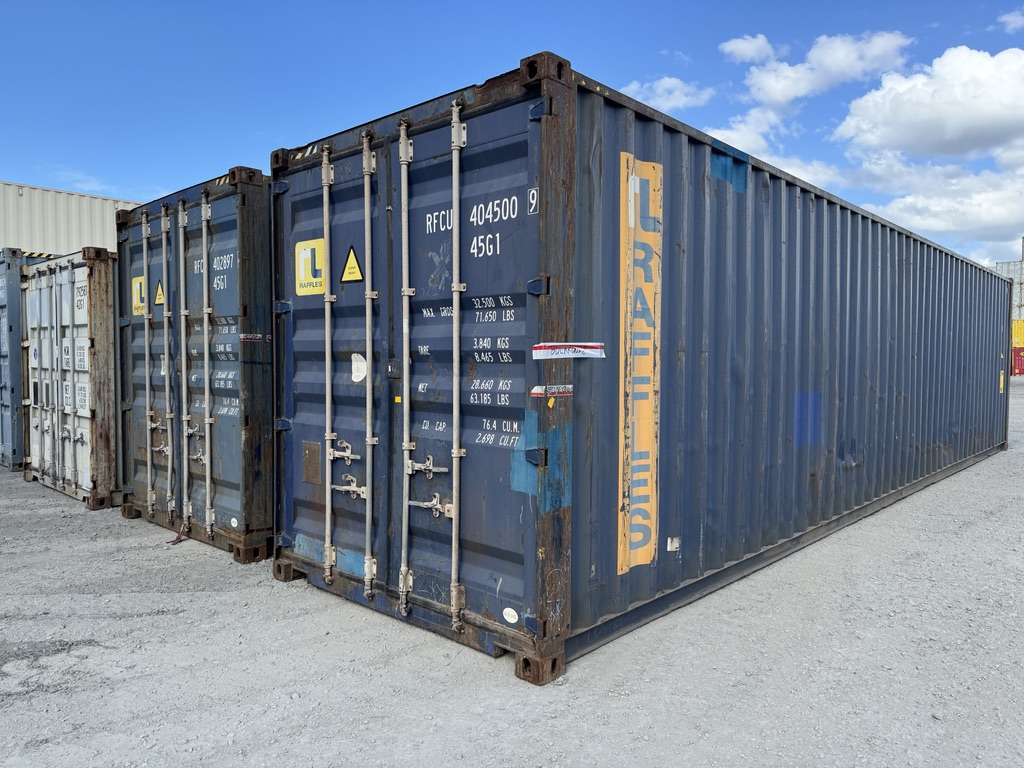
Local suppliers across Florida
available containers
How shipping containers are used in Florida
Ports, Logistics and Distribution
Florida handles a large volume of trade with Latin America and the Caribbean through PortMiami, Port Everglades, Port Tampa Bay and JAXPORT. Importers, freight forwarders and distribution centers use containers for overflow storage, depot space and short term warehousing close to I-95, I-75 and I-4. Suppliers serving Miami and Jacksonville draw directly on that port supply.
Construction and Site Storage
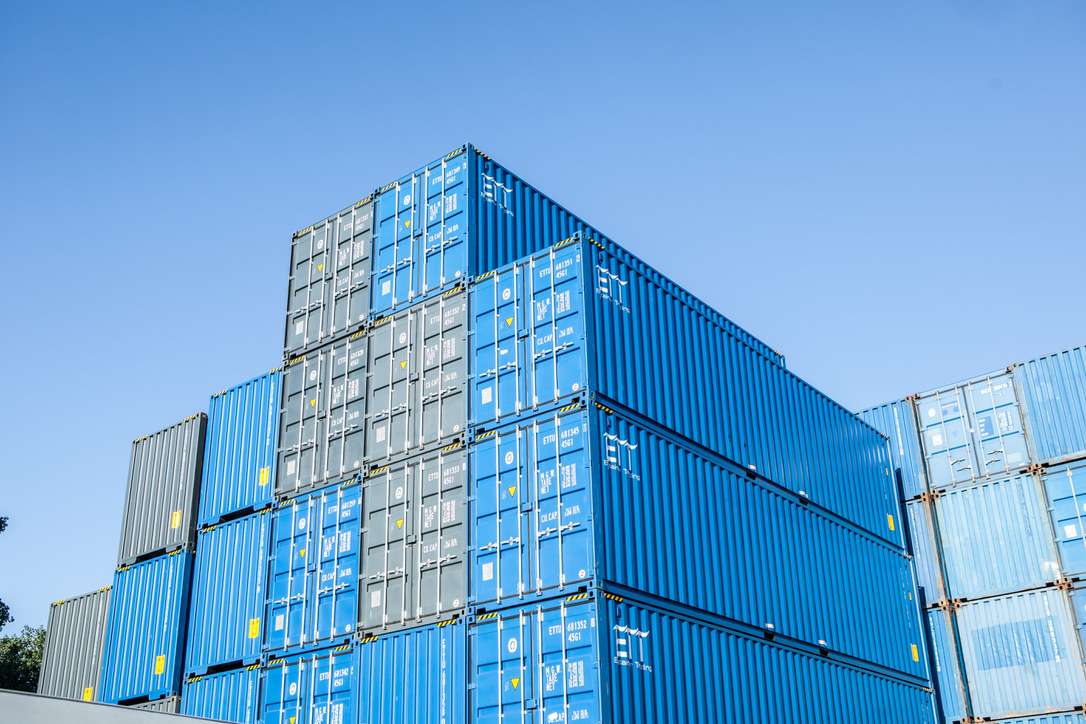
Florida’s construction market runs year round. Contractors use containers as lockable tool stores, material storage and site offices on residential, commercial and infrastructure projects. Steel resists theft and weather far better than a temporary shed, and a 40ft shipping container holds the equipment of a full crew.
Hurricane Season Storage
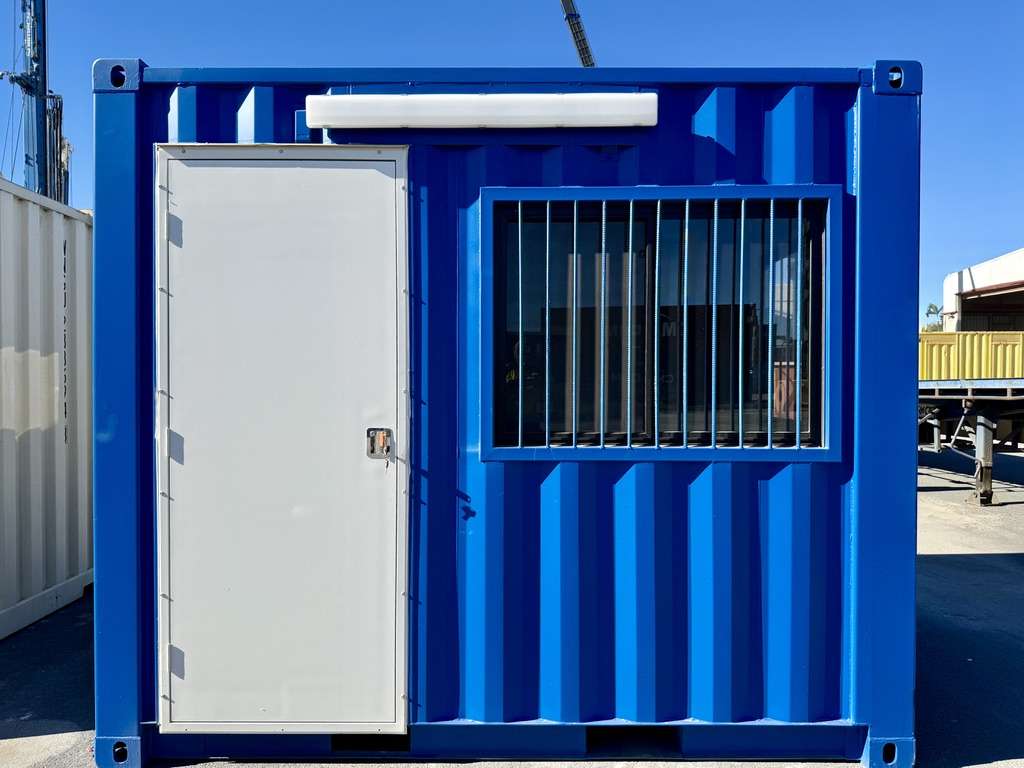
Between June 1 and November 30, homeowners, marinas and businesses use containers to secure furniture, inventory, records and equipment ahead of storms. Properly anchored, a steel container holds up far better in high winds than a backyard shed. A used shipping container in wind and watertight grade is the usual budget choice for storage.
Agriculture and Rural Properties
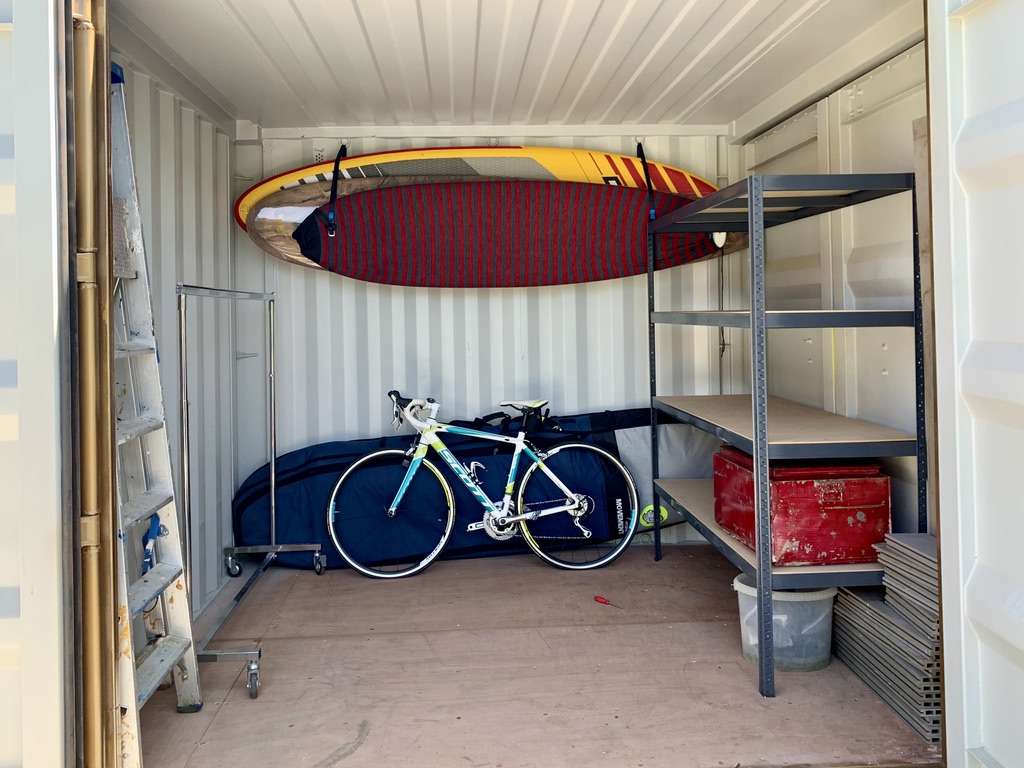
Farms, citrus groves, nurseries and cattle ranches across Central and South Florida use containers for equipment, feed, fertilizer and tool storage. Ventilated units help manage heat and humidity, and refrigerated containers keep produce cool after harvest.
Retail, Hospitality and Events
Buying a shipping container in Florida: what to plan for
Delivery and site access
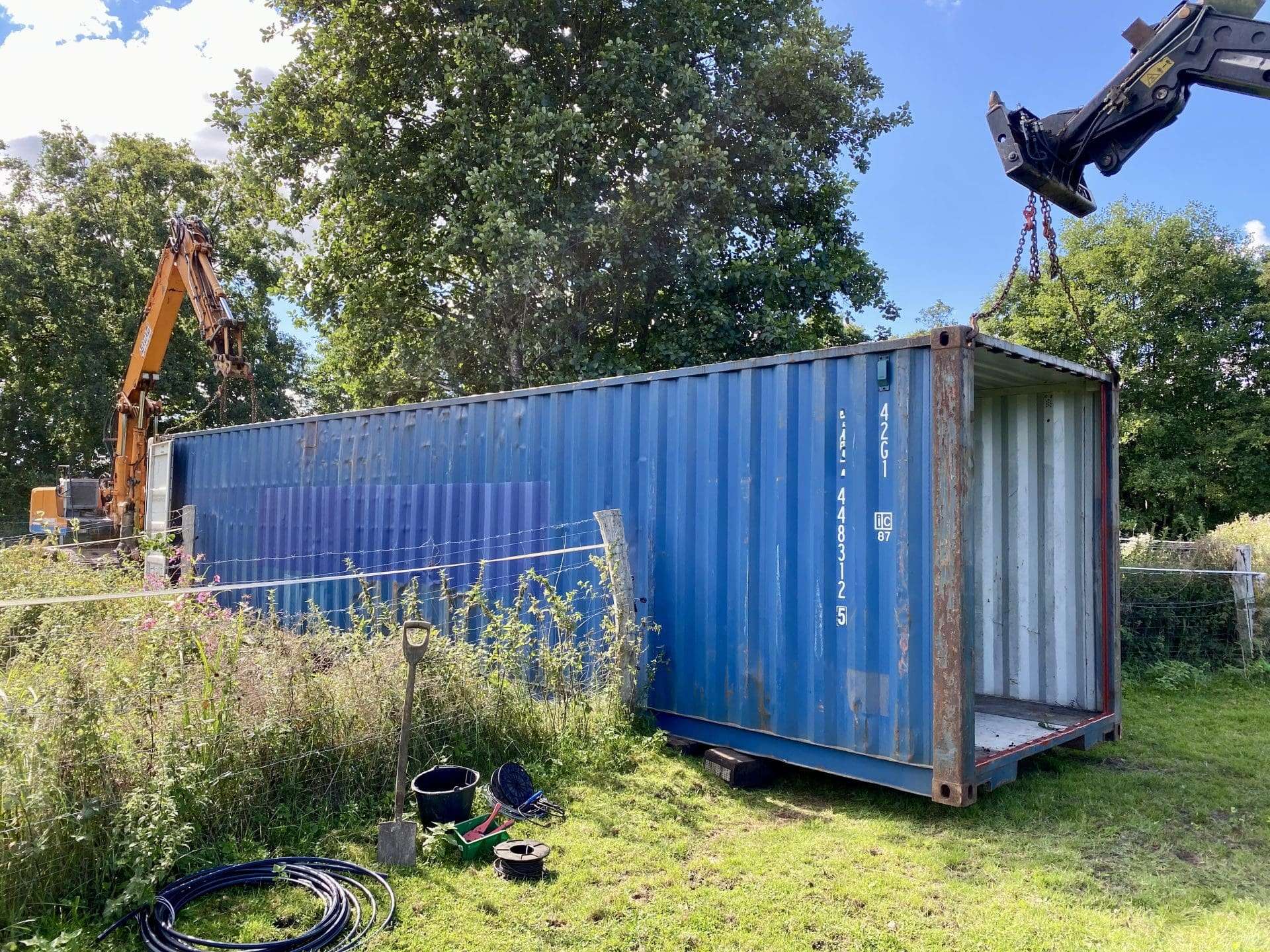
Most containers in Florida arrive on a tilt bed truck that slides the unit onto the ground. Plan for firm, level ground, around 100 feet of straight clearance for the truck and open overhead space free of branches and power lines. Sandy soil is common across the state, so a compacted gravel pad, concrete pads or railroad ties under the corners keep the container level and off wet ground.
Before you order, check that the container fits the space you have in mind. Our shipping container dimensions guide lists external and internal sizes for every common container type.
Permits, zoning and hurricane anchoring
Rules depend on the county and the city. Many jurisdictions allow a storage container on commercial, industrial or agricultural land with little paperwork, while residential lots often need a zoning permit and homeowner associations may not allow containers at all. Check with your local building or zoning department before delivery.
Once a container is used as an office, workshop or living space, it is treated as a building under the Florida Building Code. Miami-Dade and Broward counties sit in the High-Velocity Hurricane Zone, which sets stricter wind load and anchoring requirements. For storage use, ask suppliers about tie-down kits and ground anchors that suit your site.
Thinking about a container home rather than a storage unit? Our guide to shipping container homes in Florida covers the state and local rules, ADU rules, site conditions and septic requirements.
Humidity, salt air and condensation
Heat and humidity make condensation the main risk for anything stored in a container in Florida. Vents, a desiccant or dehumidifier and keeping the container off the ground go a long way. Near the coast, salt air speeds up corrosion, so touch up scratches early and inspect door seals once a year.
New or used?
For storage and farm use, a used wind and watertight container usually gives the best value. For visible locations, modifications or long term coastal use, a new one-trip unit lasts longer and looks better. Current ranges for both are on our shipping container prices page, and what drives the total cost is explained separately.
Looking for a specific city? Compare shipping containers in Miami, Orlando, Tampa and Jacksonville, or start with shipping containers for sale across the US.
Free monthly email
Andy’s Container Report
Container prices for your city, rule changes in your state, Andy’s newest videos and stock deals when we have them. One email a month, unsubscribe any time.
FAQs
Shipping containers in Florida: frequently asked questions
01
Through vetted suppliers serving Miami, Fort Lauderdale, Orlando, Tampa, Jacksonville and the rest of the state. Send one request with the size, condition and delivery ZIP code, and suppliers near you respond with quotes. You can also compare shipping containers for sale nationwide.
02
The price depends on size, grade and how far the container travels from the nearest depot to your site. Port supply keeps pricing competitive in the coastal metros, while rural and Panhandle deliveries add transport cost. See our shipping container prices guide for current ranges.
03
It depends on where the container goes and how it is used. Commercial and agricultural sites are often straightforward, residential lots frequently need a zoning permit, and many homeowner associations restrict containers. Any container used as a building, including shipping container homes, must meet the Florida Building Code. Your county or city building department can confirm the rules for your address.
04
A steel container is much stronger than a typical shed, but an unanchored container can slide or tip in hurricane-force winds. Ground anchors, tie-downs or a concrete foundation with proper fastening keep it in place. Permanent structures in Florida need engineered anchoring that meets the building code, especially in the High-Velocity Hurricane Zone.
05
Add vents for airflow, keep the container raised off the ground on pads or a gravel base, and use a desiccant or dehumidifier for sensitive goods. If the container becomes a workspace or living space, insulation with a vapor barrier stops moisture from forming on the steel.
06
No. shipping-containers.com is a marketplace, not a dealer. We connect you with vetted local suppliers who respond with quotes, and any contract is formed directly between you and the supplier you choose. One request, multiple quotes, no fees.
Got questions about containers? Let's talk.
Whether you’re sizing up for storage, planning a modification, or comparing 20ft against 40ft for your project, get direct guidance from someone who has worked with containers for 15+ years.

See it full size on your property
Use your phone camera to place the container on your property at its real size. You see how much room it takes and how it sits before you buy.
Size
Grade and color
Scan with your phoneThis page opens straight on your phone.
- On your phone, tap “View full size”.
- Move the phone slowly over the ground until it picks up the surface.
- The container appears about 10 ft in front of you, doors facing you, so you see all of it straight away.
- Drag with one finger to bring it closer or move it. Twist with two fingers to turn it. You can also walk around it.
Full-size view is not available on this device. Turn the 3D model above with your finger to see it from every side.
Works on iPhone 6s or newer with iOS 12 or later and on most Android phones from 2018 on with Google Play Services for AR. On other devices you can turn the 3D model above and look at it from every side.
External size 20ft: 20 ft × 8 ft × 8 ft 6 in (6.06 × 2.44 × 2.59 m), length × width × height