Orlando sits at the center of the I-4 corridor, one of the fastest growing regions in Florida. The city has no seaport of its own, so containers are trucked in from ports and inland depots around the state, but its position between Tampa and the Atlantic coast keeps supply reliable. shipping-containers.com is a neutral platform, not a dealer. Send one request and vetted Orlando suppliers respond with quotes. One request, multiple quotes, no fees.
Current starting prices for the containers buyers in Orlando ask about most. Pick one, add your ZIP code and vetted local suppliers send delivered quotes. One request, multiple quotes, no fees.
Orlando prices are based on Jacksonville, the nearest major depot hub in our data, about 140 miles north. Local suppliers may quote from closer yards. Starting prices at the depot, based on current inventory at major US container depots. Delivery, sales tax and local fees are extra and depend on your ZIP code. Your supplier confirms the final price in your quote.
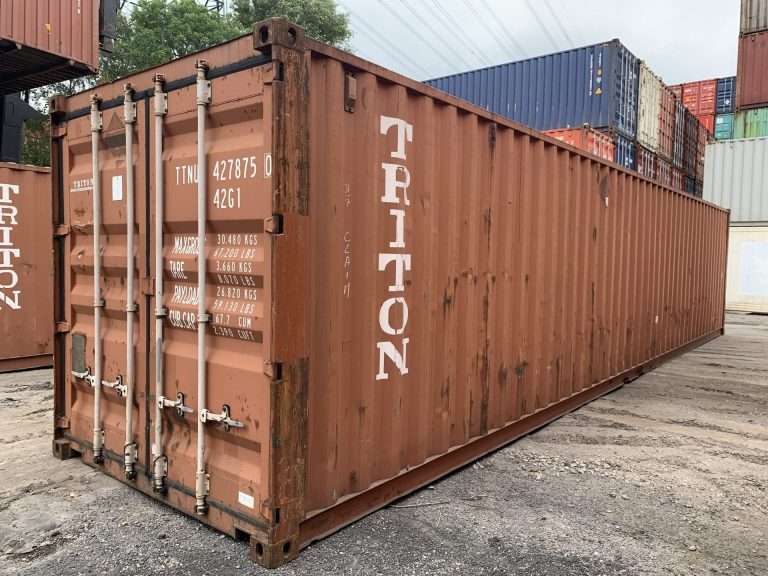
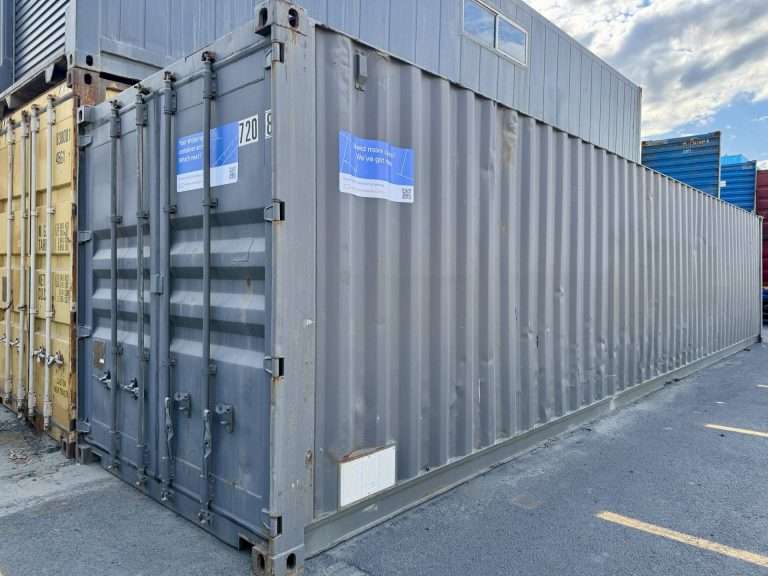
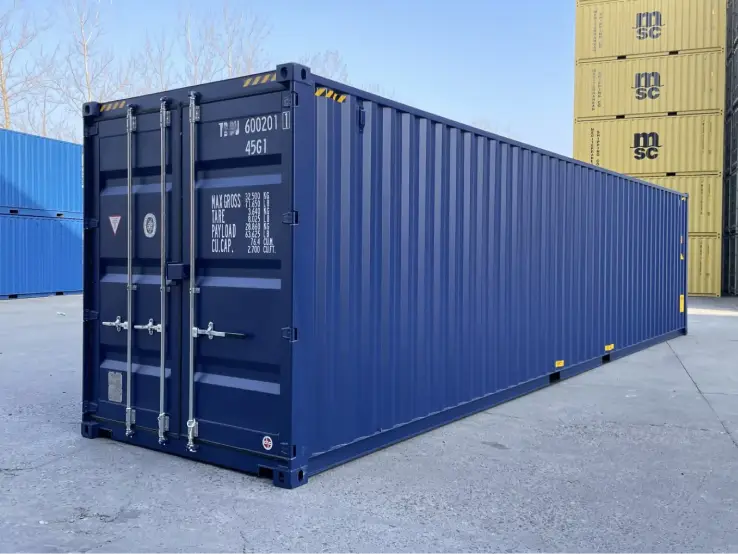
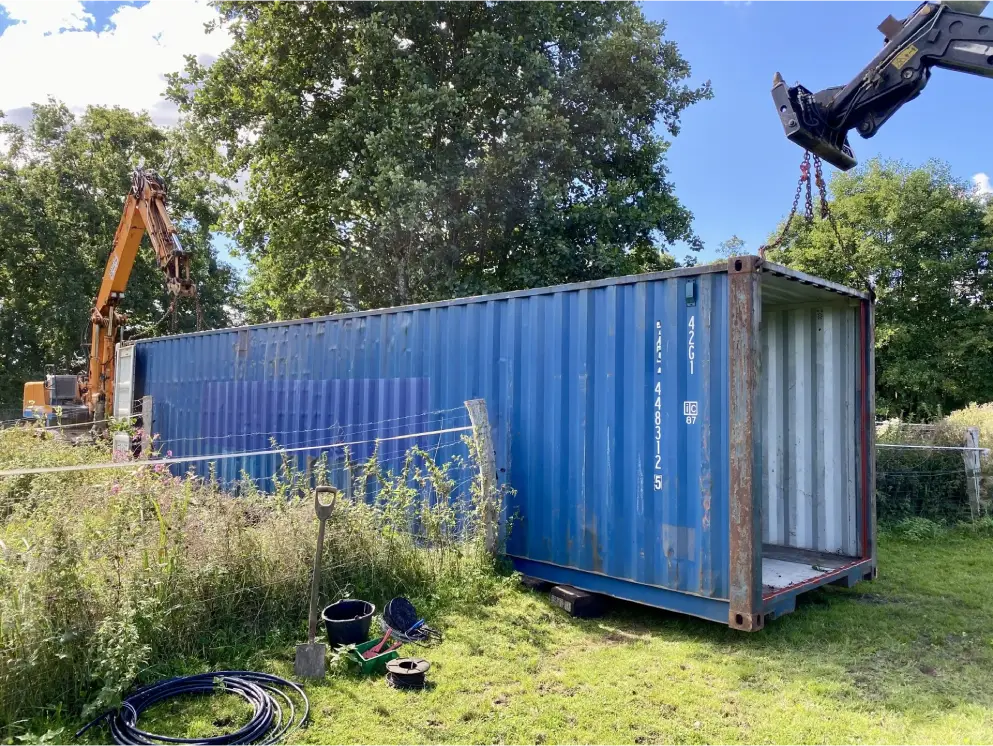
Orlando and the surrounding counties add new homes, warehouses and roads every year. Contractors use containers as lockable tool stores and site offices that move from project to project. A 40ft shipping container gives a full crew room for equipment and materials.
Tourism, Hospitality and Events
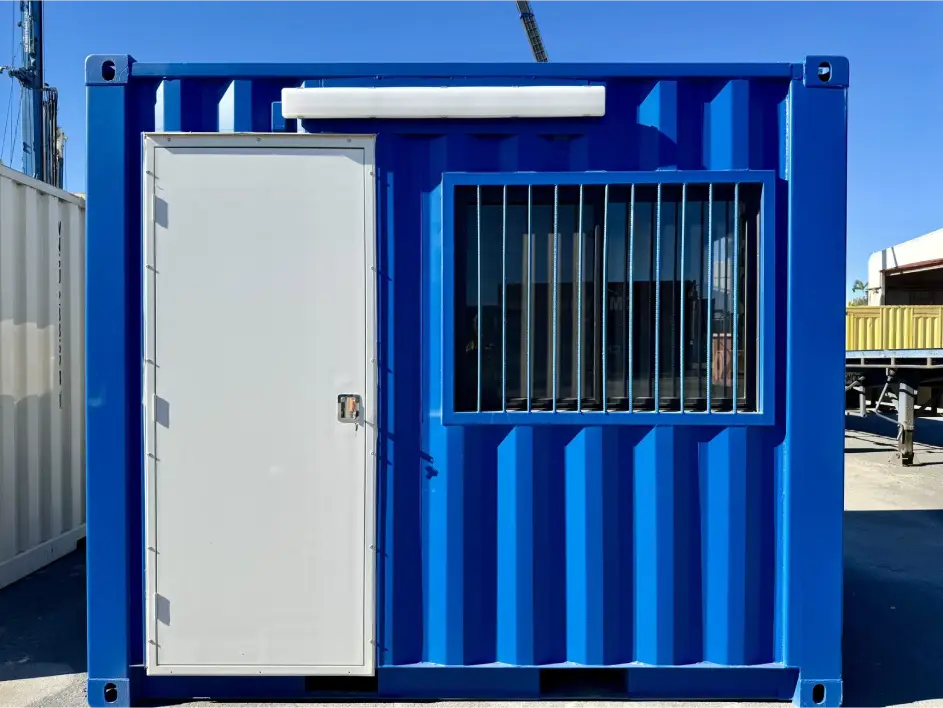
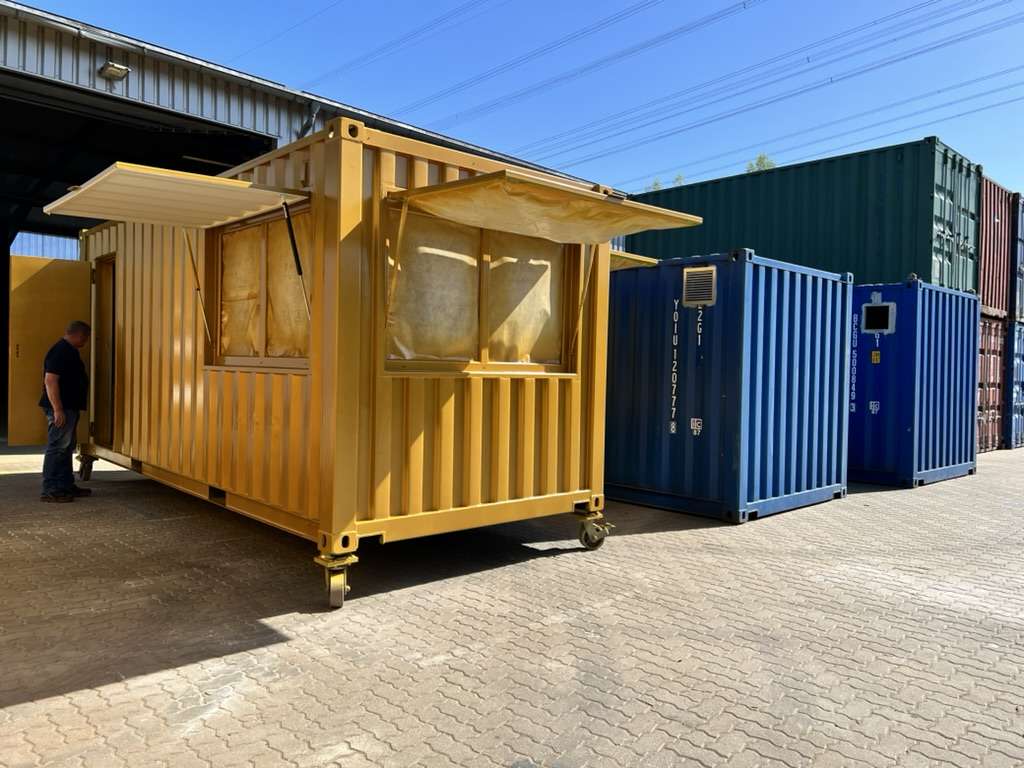
The theme park and convention economy creates steady demand for back of house storage, event booths and pop up venues. Modified containers become ticket booths, food stands and merchandise kiosks that set up fast and lock up overnight.
Agriculture and Nurseries
Central Florida’s nurseries, citrus groves and cattle operations use containers for feed, fertilizer, tools and equipment. Ventilated units help in the summer heat, and refrigerated containers keep produce cool.
Residential and Backyard Storage
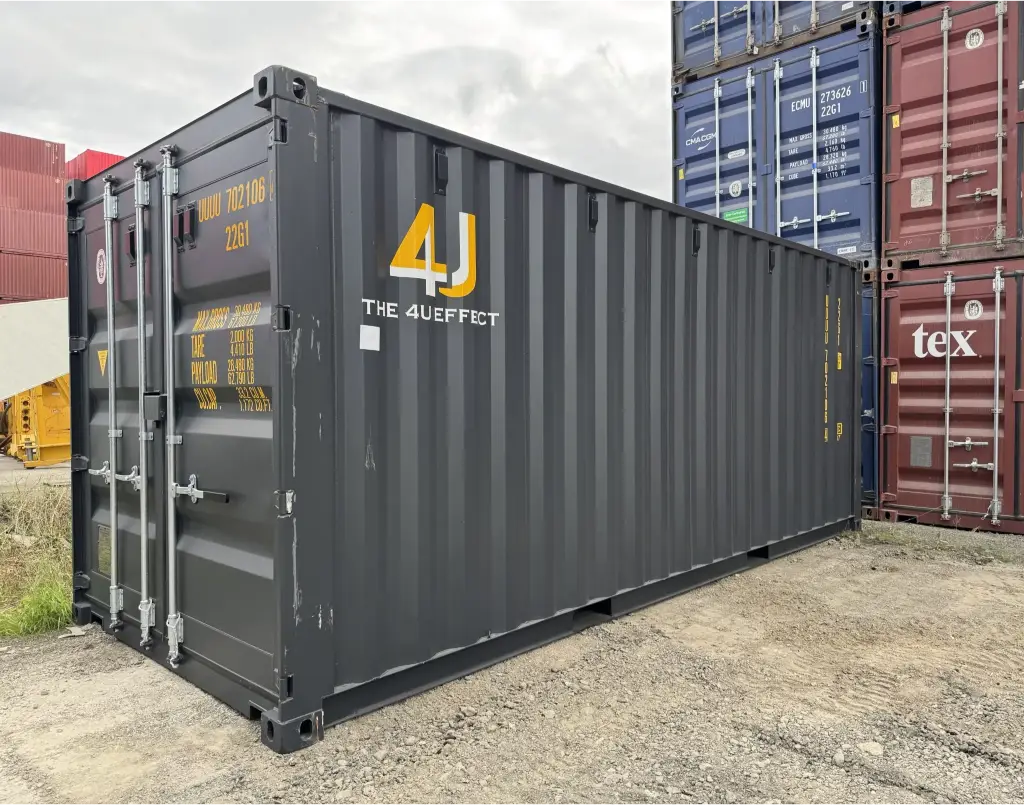
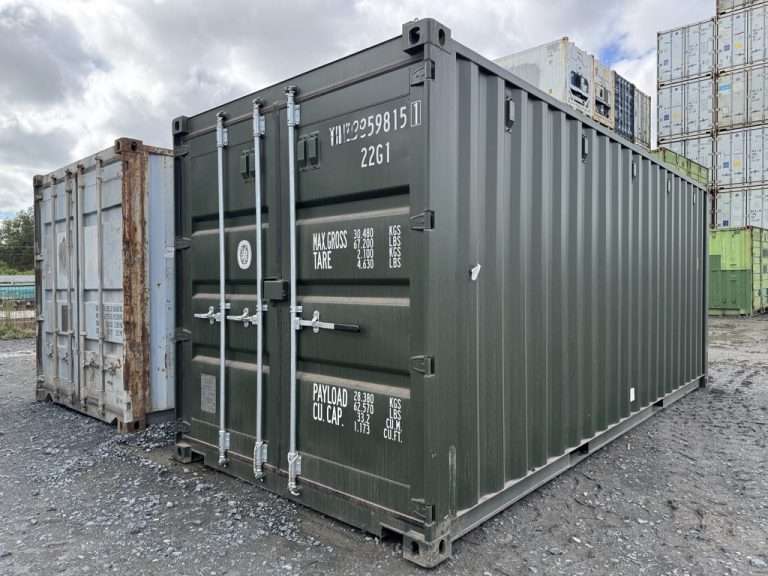
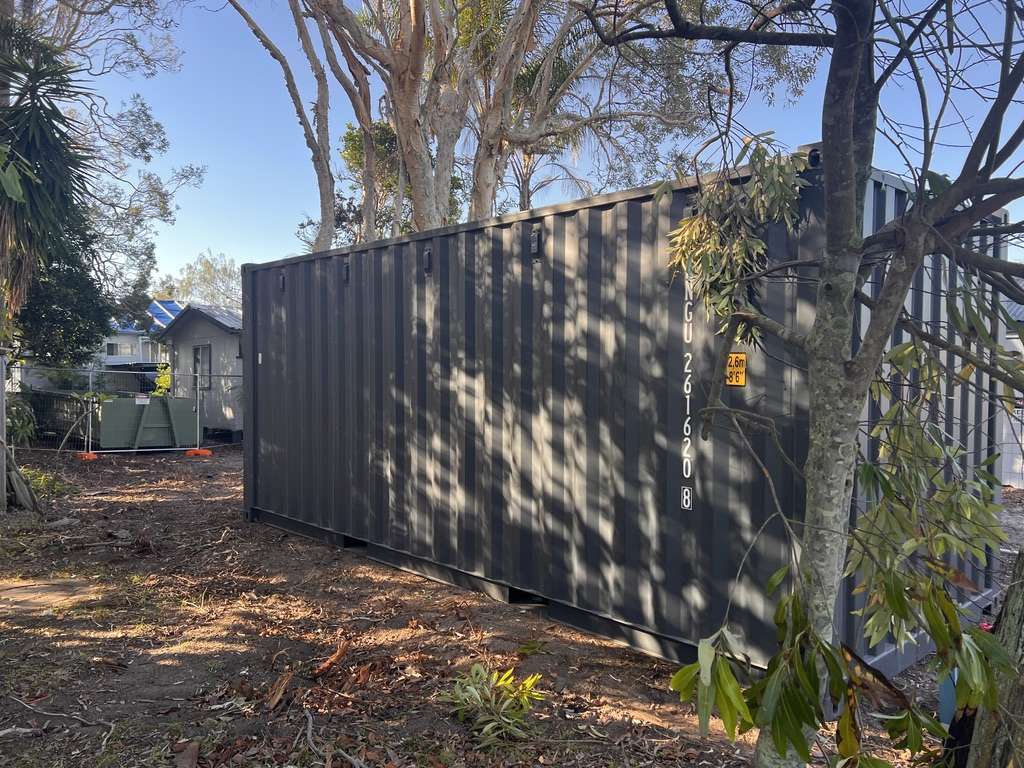
Homeowners across Orange, Seminole and Osceola counties use containers for garage overflow, hurricane season storage and backyard workshops. Many Central Florida communities restrict containers on residential lots, so check HOA rules first. A 20ft shipping container is the usual choice.
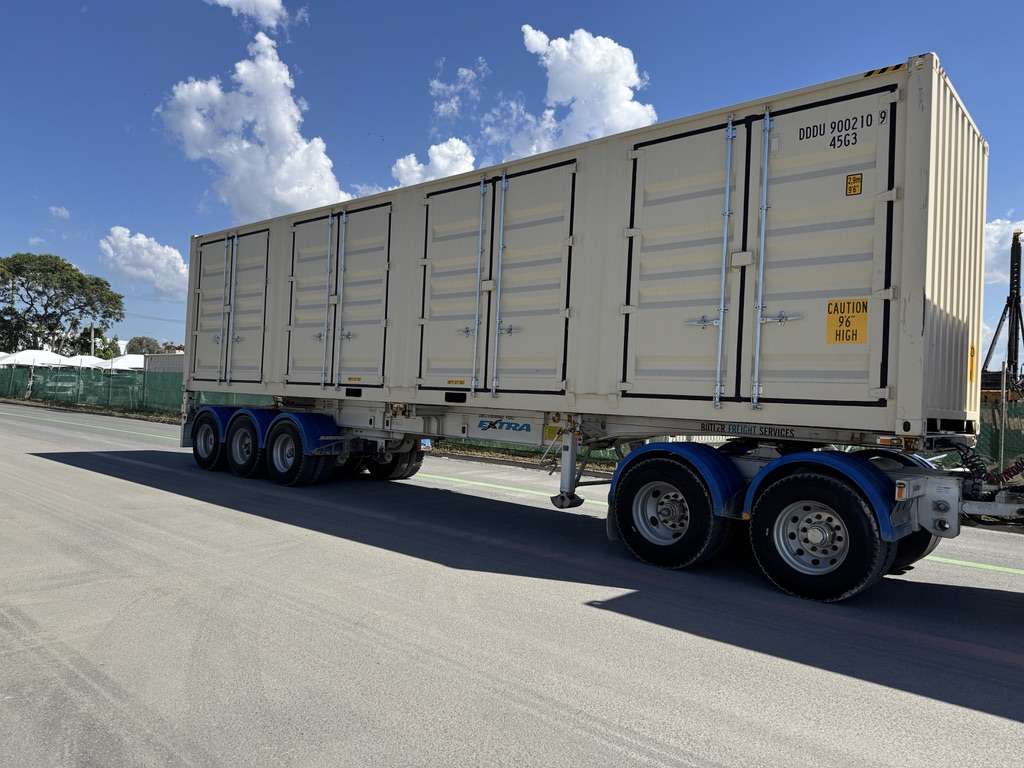
Containers arrive on a tilt bed truck that slides the unit onto firm, level ground. Central Florida’s sandy soil drains well but shifts under load, so a compacted gravel pad or concrete pads under the corners keep the container level. Leave around 100 feet of straight access for the truck and check for low branches and power lines.
Summer storms, rain and humidity
Central Florida sees frequent summer thunderstorms and heavy rain. Set the container slightly raised so water drains away from the doors, check door seals once a year and add vents to control condensation. If you plan to work inside, insulation keeps the interior usable through the summer.
Comparing quotes
Quotes differ on more than price: grade, delivery window, site requirements and extras such as lockboxes or vents. Lay them side by side before deciding, and check what each one includes. Our guide to shipping container cost explains which line items make up the total.
Free monthly email
Andy’s Container Report
Container prices for your city, rule changes in your state, Andy’s newest videos and stock deals when we have them. One email a month, unsubscribe any time.
FAQs
Shipping containers in Orlando: frequently asked questions
01
Through vetted suppliers serving Orlando and Central Florida, including Kissimmee, Sanford and the surrounding counties. Send one request and suppliers near you respond with quotes.
02
It depends on size, grade and delivery distance. Because Orlando is inland, the haul from the depot is part of the price. See our shipping container prices guide for current ranges.
03
Often yes, but rules depend on your city or county and many homeowner associations restrict containers. Check zoning and HOA rules before you order, and plan level ground and truck access for delivery.
04
On a tilt bed truck onto firm, level ground. Suppliers confirm the delivery window, access needs and any extra charges in their quote.
05
No. shipping-containers.com is a marketplace, not a dealer. We connect you with vetted local suppliers who respond with quotes, and any contract is formed directly between you and the supplier you choose. One request, multiple quotes, no fees.
Got questions about containers? Let's talk.
Whether you’re sizing up for storage, planning a modification, or comparing 20ft against 40ft for your project, get direct guidance from someone who has worked with containers for 15+ years.
Use your phone camera to place the container on your property at its real size. You see how much room it takes and how it sits before you buy.
Size
Grade and color
Scan with your phoneThis page opens straight on your phone.
On your phone, tap “View full size”.
Move the phone slowly over the ground until it picks up the surface.
The container appears about 10 ft in front of you, doors facing you, so you see all of it straight away.
Drag with one finger to bring it closer or move it. Twist with two fingers to turn it. You can also walk around it.
Full-size view is not available on this device. Turn the 3D model above with your finger to see it from every side.
Works on iPhone 6s or newer with iOS 12 or later and on most Android phones from 2018 on with Google Play Services for AR. On other devices you can turn the 3D model above and look at it from every side.
External size 20ft: 20 ft × 8 ft × 8 ft 6 in (6.06 × 2.44 × 2.59 m), length × width × height
"*" indicates required fields
Read the latest posts
Shipping Container Homes in New York: Codes, NYC ADUs and Local Bans
How New York handles shipping container homes: the 2025 Uniform Code, NYC ancillary dwelling units, container laws in Buffalo, Sweden and Coxsackie, Adirondack Park review, septic and modular approval.
Shipping Container Homes in California: Codes, ADUs and City Rules
How California handles shipping container homes: the 2025 state codes, the LADBS conversion bulletin, San Diego rules, state ADU law, HCD approval for factory-built units and counties that allow containers only for storage.
Shipping Container Homes in Washington: Codes, ADUs and L&I Rules
How Washington handles shipping container homes: the 2021 state codes, Pierce, King and Ferndale container rules, the two-ADU state law, the energy code wall U-factor and the L&I factory-assembled program.