Shipping Container Pool: Costs, Problems and What to Check First
A shipping container pool is a steel container converted into a swimming pool, usually 20ft or 40ft long and about 8 feet wide. This guide covers what container pools cost in the US, the structural and rust problems, permits, and what to check before you buy one or the container to build it.
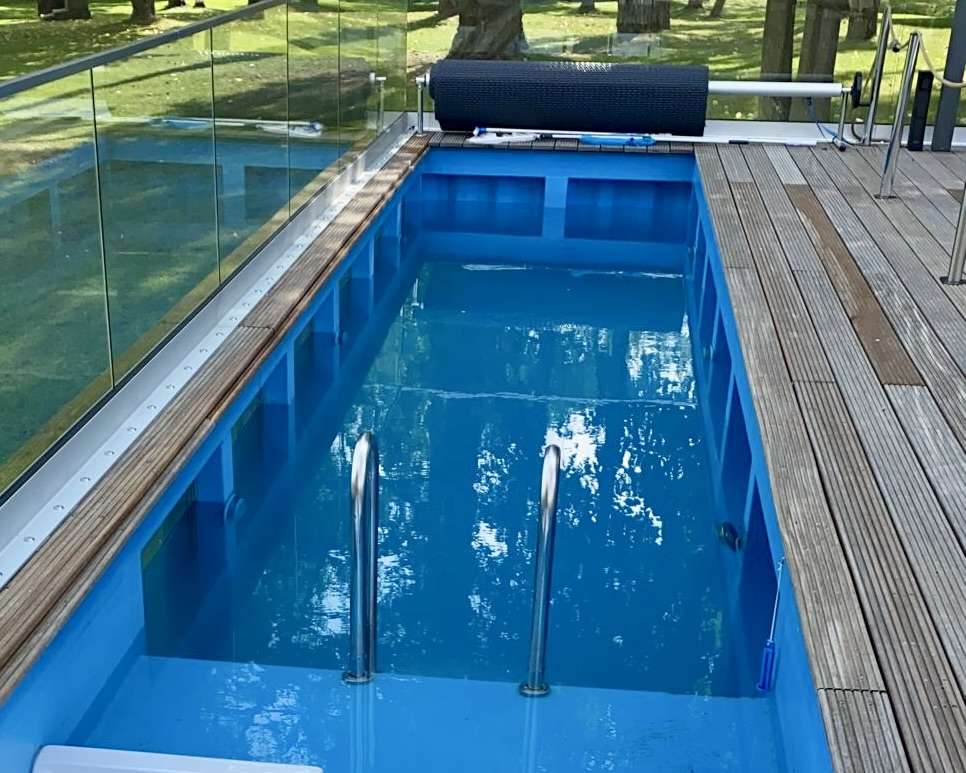
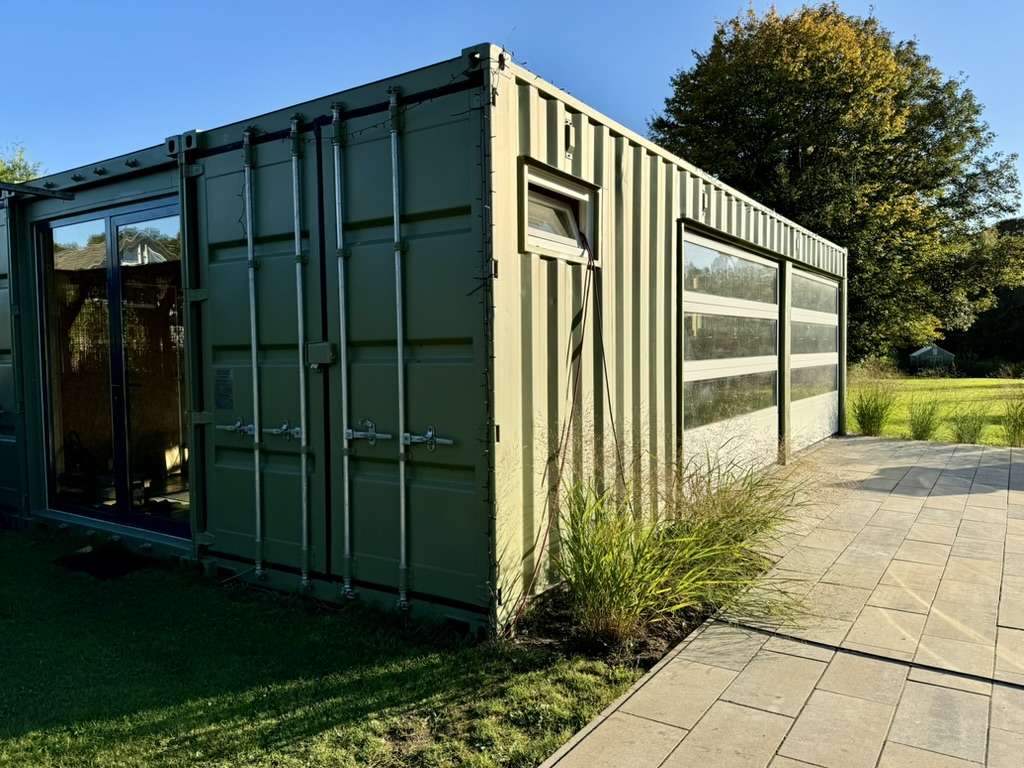
Builders take a new steel container, cut away the roof, reinforce the walls and the top rails, line the inside and add a filter, a pump and steps. Some models have a window cut into the side wall or a deck built along the top. Most hold water around 4 feet deep.
The inside of a container is about 7ft 8in wide, a little less once it is lined. A container pool is a plunge pool or a narrow lap pool, not a family pool. A 20ft model gives about 19 feet of length, a 40ft model about 39 feet.
Listings
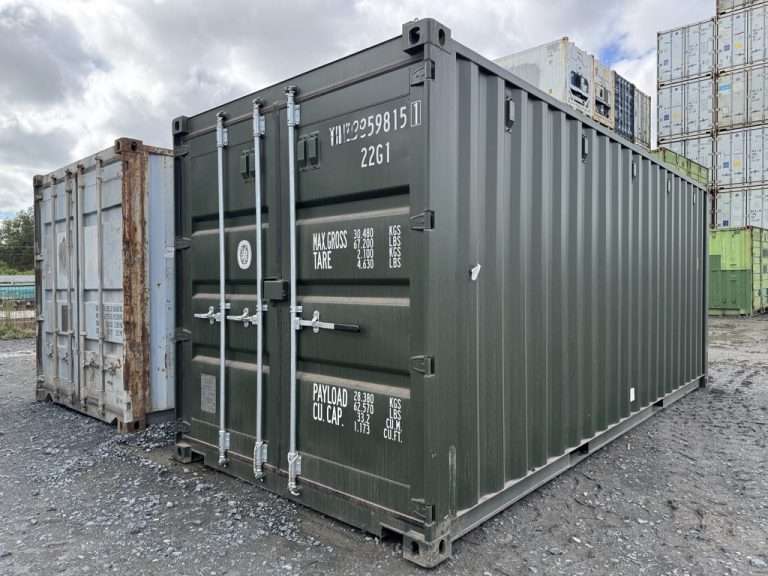
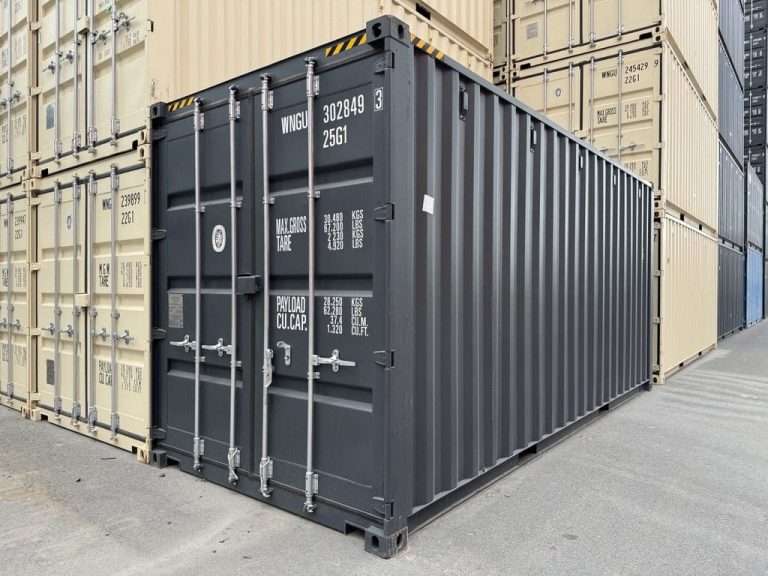
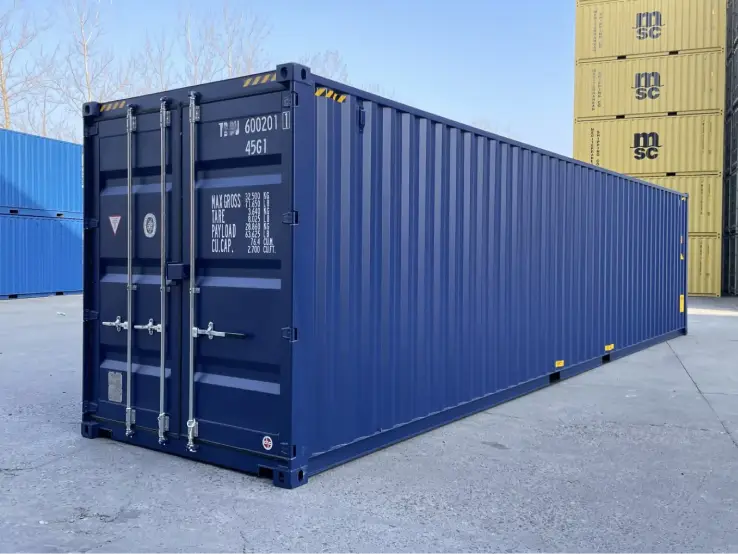
Containers for pool builds available now
Pool builders almost always start with a new one-trip container, because dents, rust and residue from old cargo are expensive to fix under a liner. Starting prices come from current inventory at US depots.
Starting prices at the depot, based on current inventory at major US container depots. Delivery, sales tax and local fees are extra and depend on your ZIP code. Your supplier confirms the final price in your quote.
Factory-built container pools from specialist builders are not a budget option. Published US figures put a typical installed 20ft container pool at about $35,000 to $65,000, and 40ft models higher. Delivery, the crane, site work, electrical, fencing and decking often come on top of the pool price.
The container is a small part of that. A new 20ft container starts at about $2,245 at the depot. The rest is engineering, steel reinforcement, the lining, filtration, heating and installation. That puts container pools in the same range as many small fiberglass or plunge pools, not below them.
Problems to understand before you buy
Water pushes on the walls
A 20ft container filled to about 4 feet holds roughly 4,400 gallons, about 37,000 pounds of water. A 40ft holds about twice that. A container is built to carry cargo on its floor and to be stacked at its corners, not to hold liquid pressing outward on thin corrugated walls with the roof cut away. Removing the roof also removes part of what keeps the box square. That is why serious builders add steel ribs or a frame, and why the reinforcement design matters more than the container.
Rust never stops
Steel, water and pool chemicals are a bad combination. As long as the lining and the outside coating are intact, the steel is protected. Any scratch, failed seam or water trapped under a deck or against the outside walls starts corrosion that is hard to see and expensive to repair. Ask how the lining is sealed at the top edge, at the fittings and around any window, and how the outside is protected where it touches the ground.
Andy shows how moisture trapped against container steel causes hidden rust. Under a pool liner or a deck, the same thing happens out of sight.
Burying it is a different project
Container walls are not retaining walls. Set into the ground, the soil pushes inward on the walls, and that pressure is greatest when the pool is drained for repairs or winter. An in-ground container pool needs a structure designed for soil pressure, such as concrete walls or engineered backfill, plus drainage around it. Above-ground or partly sunk installs with a deck are far simpler.
Upcycled? Usually not
Container pools are often sold as recycled or upcycled. In practice most builders use new one-trip containers, because a used container with dents, rust and an unknown cargo history is costly to prepare for a pool. If sustainability is your reason for looking, ask the builder where the container came from.
When a container pool makes sense
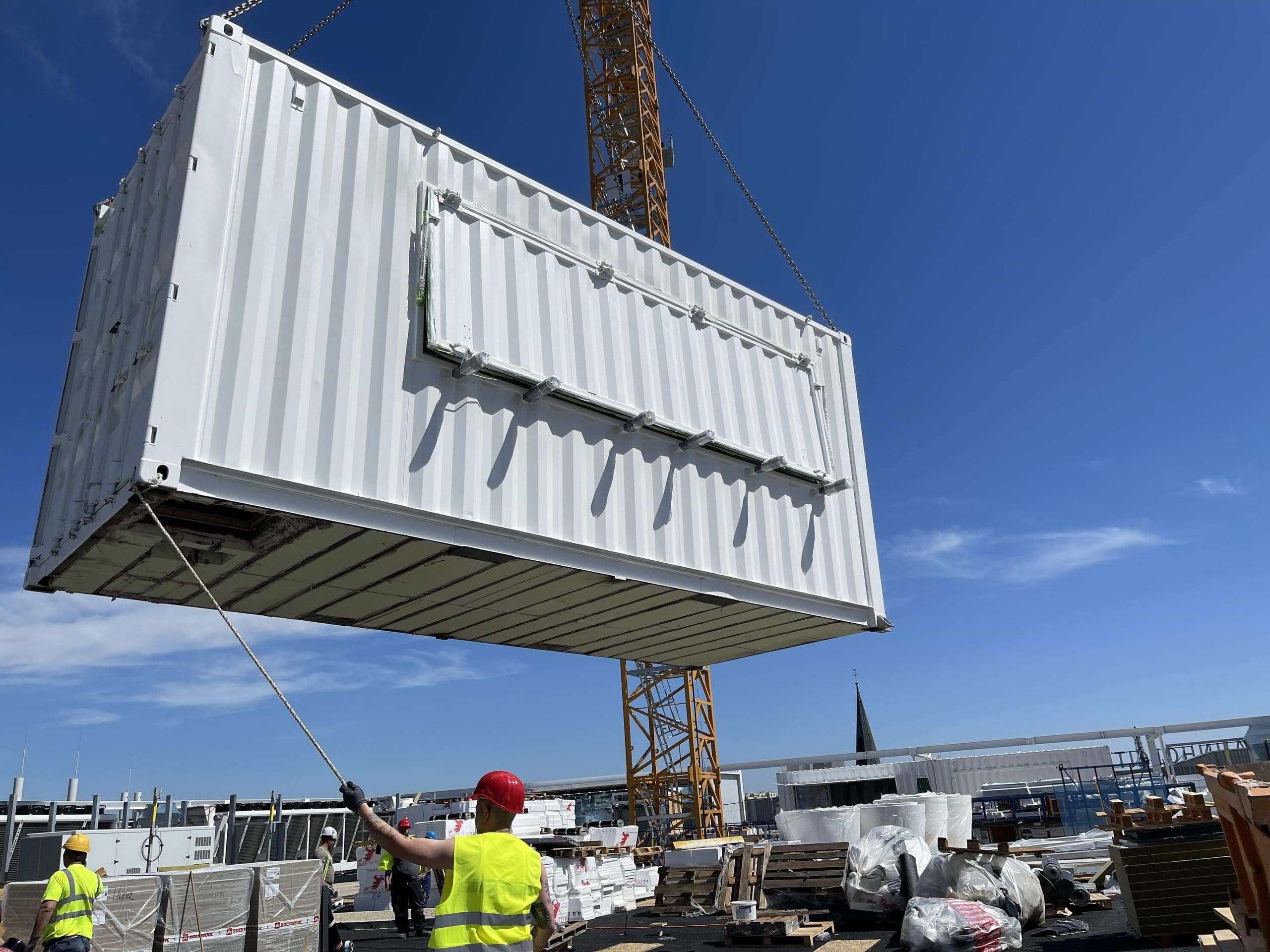
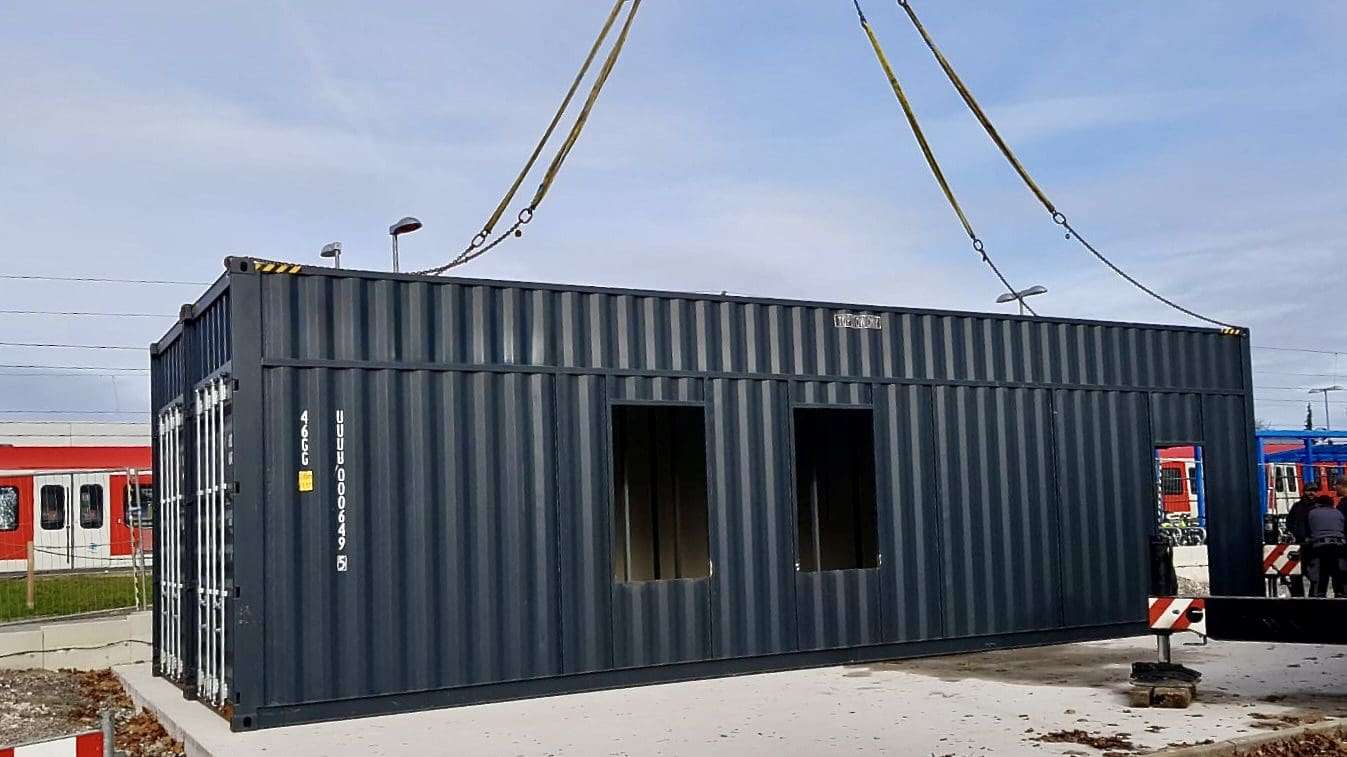
A container pool can be the right choice when you want a plunge or lap pool installed quickly, above ground or partly sunk into a slope, with the pool built and tested in a workshop instead of on your lot. Once the site and the foundation are ready, the installation itself is fast: a crane or truck sets the pool down and the hookups follow.
It is the wrong choice if you want a wide family pool or the lowest possible price, or if you want the pool fully buried without the budget for a proper retaining structure.
Foundation and placement
A 20ft pool and its water weigh roughly 40,000 pounds, and a 40ft model about twice that. The pool needs a level concrete slab or engineered footings that carry the load evenly, plus room for a crane or a truck to set it down. Our guide to shipping container foundations explains the options for normal containers. A pool needs a foundation designed for the full water load.
Andy shows how to place a container so it sits level and evenly supported, which matters even more once it is full of water.
Permits and safety rules
Treat a container pool like any other pool. In most US jurisdictions, a pool that holds more than 24 inches of water needs a building permit, a safety barrier at least 48 inches high around it, and electrical work and bonding to the National Electrical Code, Article 680. Setbacks from property lines and HOA rules apply as well. Check with your local building department before you order.
Checklist before you buy
Stamped engineering for the reinforcement and the foundation
The lining: vinyl liner, fiberglass or coating, and the warranty on it
How the top edge, the fittings, the steps and any window are sealed
What is included: pump, filter, heater, cover, lighting, delivery and crane
The exterior coating and how the steel is protected where it meets the ground or the deck
Access for the delivery truck or crane to your site
Permits, barrier and electrical work: who handles what
Building your own from a container
Some owners convert a container themselves. Buying the container is the easy part. The hard parts are cutting the roof without letting the box twist, welding the reinforcement, preparing the steel for a coating or a liner, and the plumbing and electrical work. Without welding experience and an engineer, a DIY container pool is a risky project.
shipping-containers.com is a marketplace, not a dealer or a builder. Send one request with your ZIP code and the containers you need, and vetted local suppliers respond with delivered prices. One request, multiple quotes, no fees. Some suppliers in the network also handle modifications, so you can describe the pool project in the same request.
Planning a bigger build? Our guide to shipping container homes covers codes, insulation and layouts.
Foundations, delivery and modifications explained by Andy.
Shipping Container Homes in New York: Codes, NYC ADUs and Local Bans
How New York handles shipping container homes: the 2025 Uniform Code, NYC ancillary dwelling units, container laws in Buffalo, Sweden and Coxsackie, Adirondack Park review, septic and modular approval.
Shipping Container Homes in California: Codes, ADUs and City Rules
How California handles shipping container homes: the 2025 state codes, the LADBS conversion bulletin, San Diego rules, state ADU law, HCD approval for factory-built units and counties that allow containers only for storage.
Shipping Container Homes in Washington: Codes, ADUs and L&I Rules
How Washington handles shipping container homes: the 2021 state codes, Pierce, King and Ferndale container rules, the two-ADU state law, the energy code wall U-factor and the L&I factory-assembled program.
Container prices for your city, rule changes in your state, Andy’s newest videos and stock deals when we have them. One email a month, unsubscribe any time.
Installed 20ft container pools from specialist builders typically cost around $35,000 to $65,000 in the US, with 40ft models higher. A new 20ft container for a DIY build starts at about $2,245 at the depot, but the reinforcement, lining, filtration and installation cost far more than the container.
02
Usually not by much. Installed container pools land in the same range as many small fiberglass and plunge pools. Their advantages are the workshop build and the fast installation, not the price.
03
That depends on the lining and the coating. Vinyl liners usually need replacing every 8 to 10 years. The steel lasts as long as it stays sealed, so damage to the lining or the outside coating has to be repaired quickly.
04
Yes, but only with a structure that takes the soil pressure, such as concrete walls, and proper drainage. A container on its own is not designed to be buried.
05
Most models hold water around 4 feet deep. That suits a plunge pool or lap swimming, not diving.
06
Almost always. A pool that holds more than 24 inches of water usually needs a building permit, a barrier at least 48 inches high and electrical work to code.
Thinking about a container pool? Talk to Andy first.
Get a straight answer on whether a container pool suits your site and budget, and which container to start with, from someone with 15+ years in containers.
Shipping Container Homes in New York: Codes, NYC ADUs and Local Bans
How New York handles shipping container homes: the 2025 Uniform Code, NYC ancillary dwelling units, container laws in Buffalo, Sweden and Coxsackie, Adirondack Park review, septic and modular approval.
Shipping Container Homes in California: Codes, ADUs and City Rules
How California handles shipping container homes: the 2025 state codes, the LADBS conversion bulletin, San Diego rules, state ADU law, HCD approval for factory-built units and counties that allow containers only for storage.
Shipping Container Homes in Washington: Codes, ADUs and L&I Rules
How Washington handles shipping container homes: the 2021 state codes, Pierce, King and Ferndale container rules, the two-ADU state law, the energy code wall U-factor and the L&I factory-assembled program.