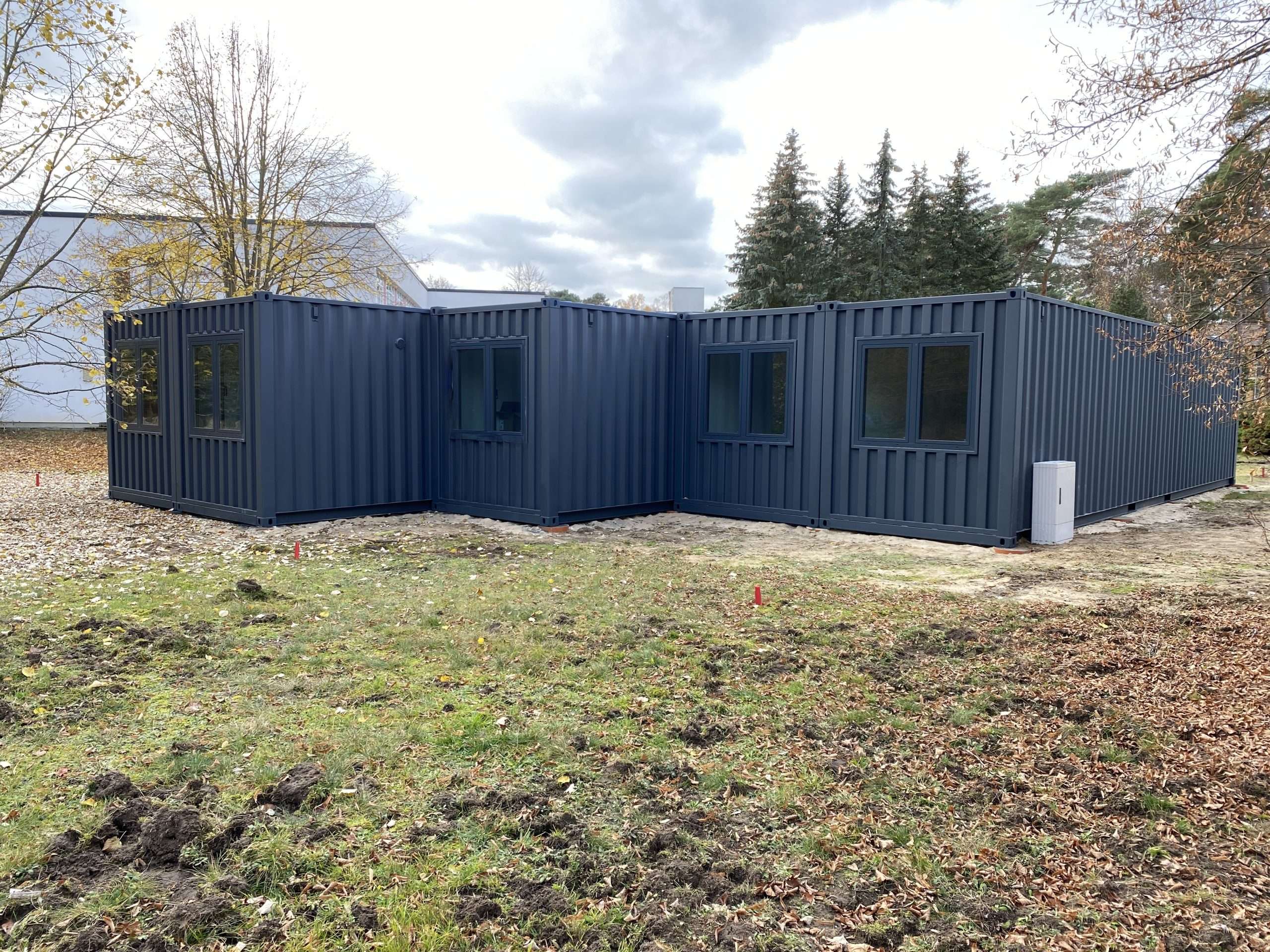
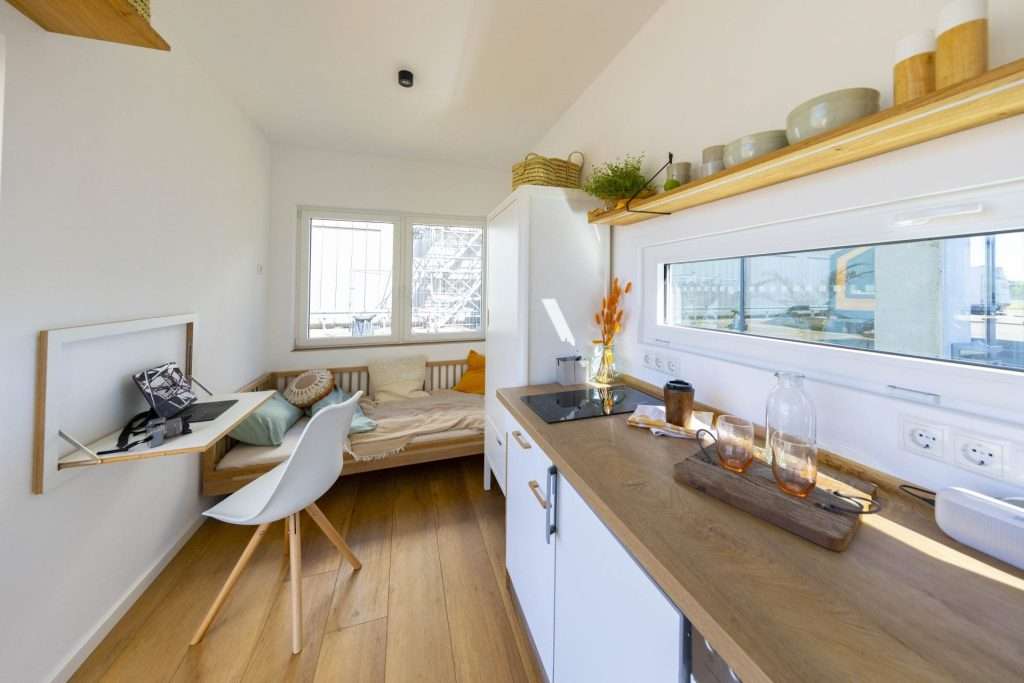
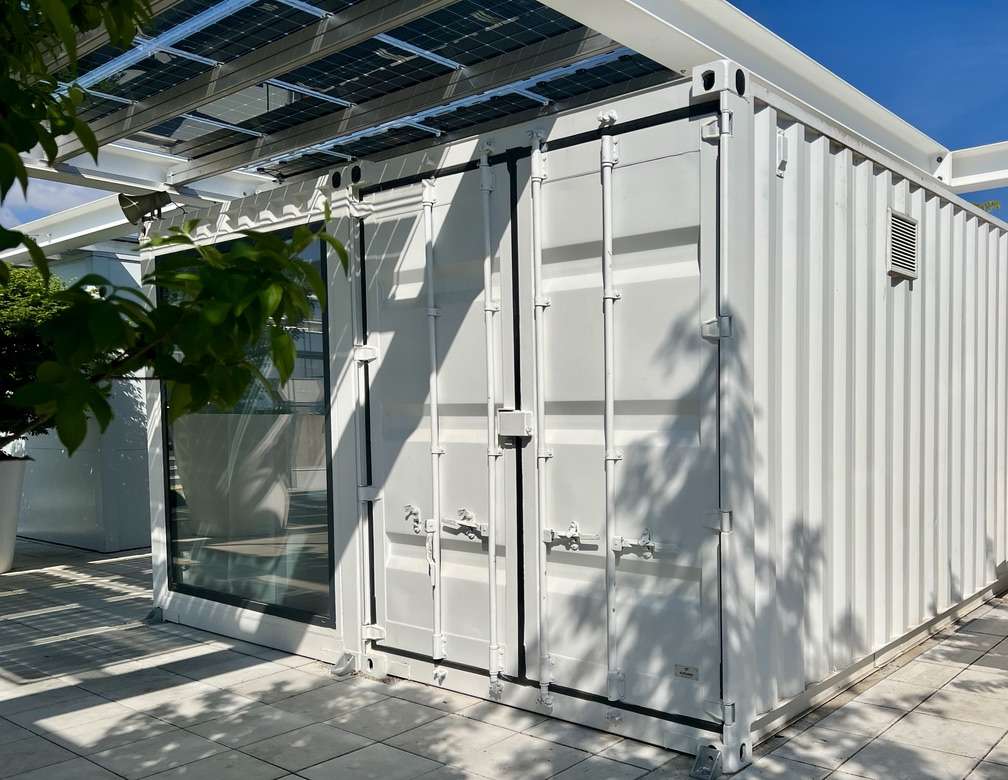
An honest comparison of shipping container homes and conventional houses: cost per square foot, build time, codes, financing, insurance, energy use and resale.
Container homes are often presented as a cheaper and faster alternative to a conventional house. Whether that holds depends on the size of the home, the site and how it is finished.
This guide compares a shipping container home with a conventional wood-frame house on the points that decide a real project: cost per square foot, build time, codes and permits, financing, insurance, energy use, maintenance and resale. The figures are US averages. Your local market and your design will move them.
Key takeaways
Per square foot, a builder-finished container home is not reliably cheaper than a conventional house. Savings come from building smaller and simpler.
The container shell goes up in days, but permits, utilities and the interior take about as long as in any small house.
Both follow the same building code. Container homes need engineering for every opening and connection.
Financing and resale are harder for container homes, because lenders and appraisers have fewer comparable sales.
With proper insulation, a container home can be as comfortable and efficient as a conventional house.
Container homes vs traditional homes at a glance
Factor
Container home
Traditional home
Cost per square foot
About $150 to $350 builder-finished, before land
Construction alone averaged about $162 in 2024 (NAHB), before land and builder margin
Build time
Shell placed in a day, complete projects usually take several months
7.6 months on average from start to completion for homes finished in 2024
Room width
About 7ft 8in per container inside, wider rooms need joined containers
Any width the design calls for
Structure
Steel frame, every opening needs welded reinforcement
Wood or masonry, openings framed with headers
Codes and permits
Same building code, plus engineering for the containers
Standard plans most building departments know well
Financing
Construction loans, personal loans or cash are common
Conventional mortgages widely available
Insurance
Usually available once permanent and permitted, fewer insurers
Widely available
Resale
Smaller pool of buyers, few comparable sales
Large market, easy to appraise
Maintenance
Steel coating, roof and condensation control
Paint, roof, rot and termites in wood framing
Cost: where container homes save money and where they do not
The National Association of Home Builders found that construction costs for a new single-family home averaged about $428,000 in 2024, roughly $162 per square foot for an average home of about 2,650 square feet. That covers construction only. Land, financing, overhead and the builder’s profit come on top.
Builder-finished container homes typically land at about $150 to $350 per square foot before land. That range already includes the builder’s margin, so the two figures are not directly comparable, but the conclusion is clear: per square foot, a container home is not automatically cheaper. Openings need steel framing, every joint between containers has to be sealed, and spray foam insulation costs more than batts in a wood wall.
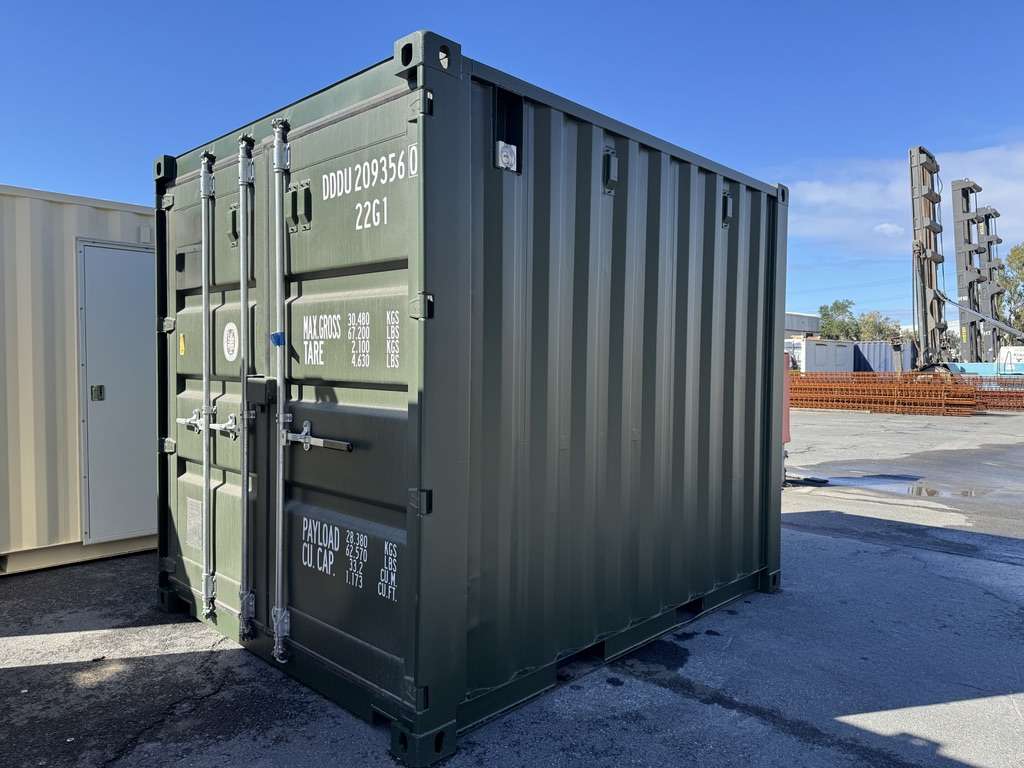
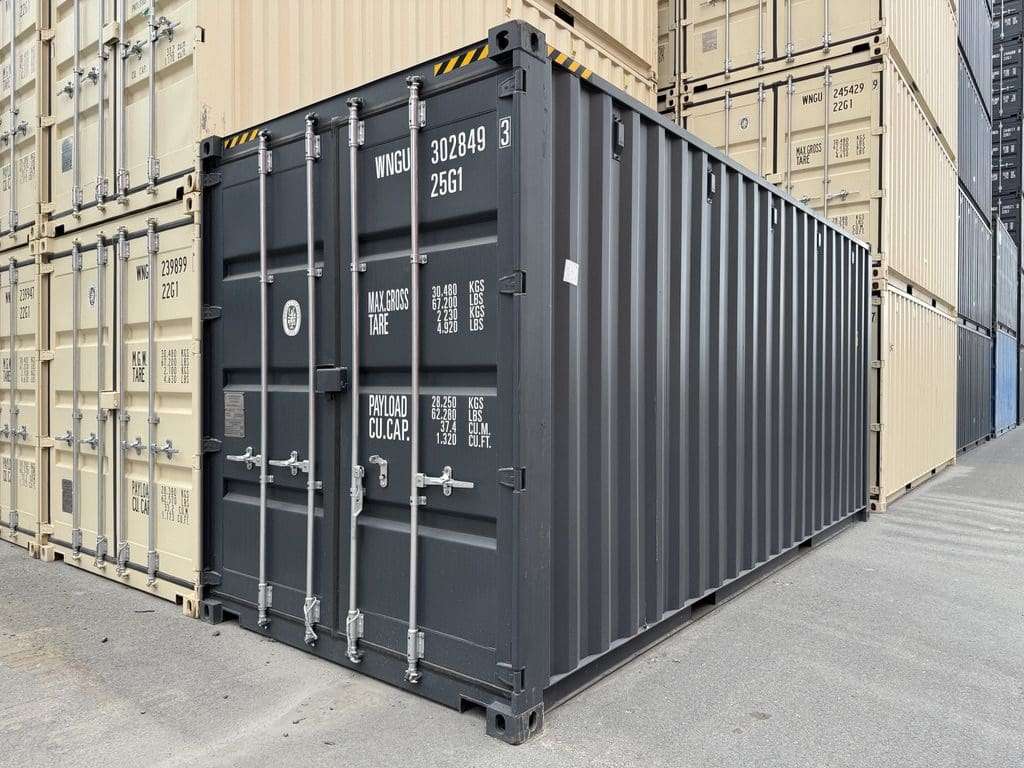
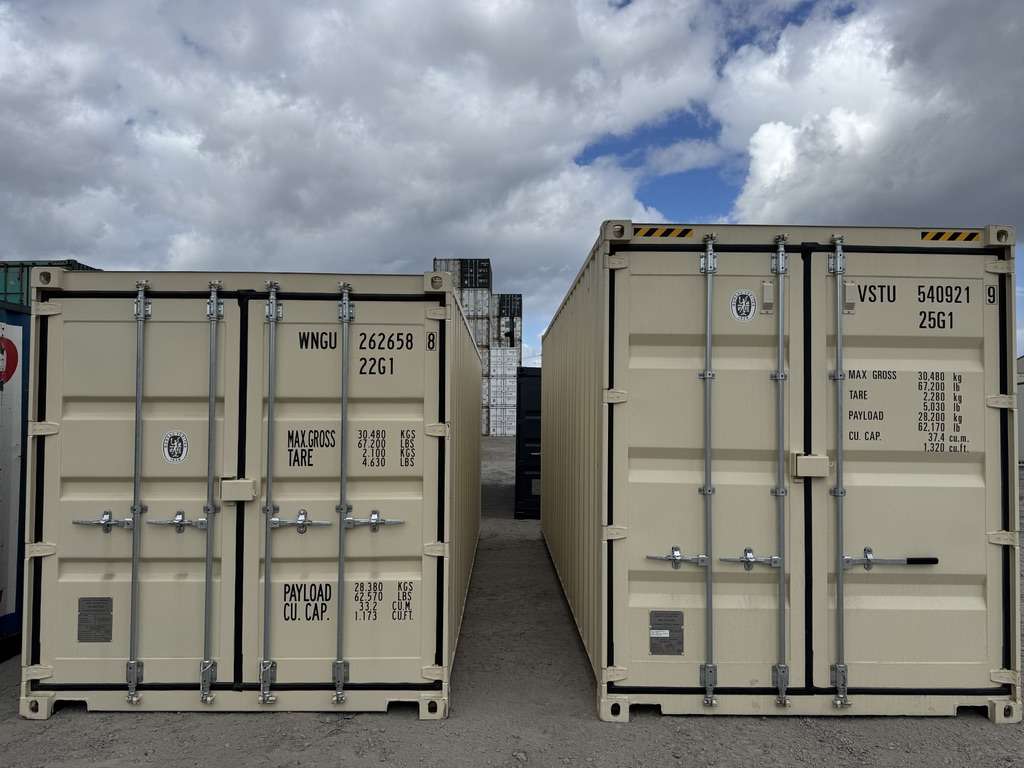
Container homes save money on the total budget. A single 40ft high cube gives about 300 square feet inside, and many container homes are ADUs, cabins or compact homes under 1,000 square feet. A small house costs less than a large one, whatever it is built from. The shell itself is inexpensive: a new 40ft high cube starts at about $3,145 at the depot today. See current shipping container prices for every size.
Build time
Census data analyzed by NAHB shows that single-family homes completed in 2024 took an average of 7.6 months from the start of construction to completion. Homes built by a hired contractor took about a year from permit to completion, and homes built by their owners about 15 months.
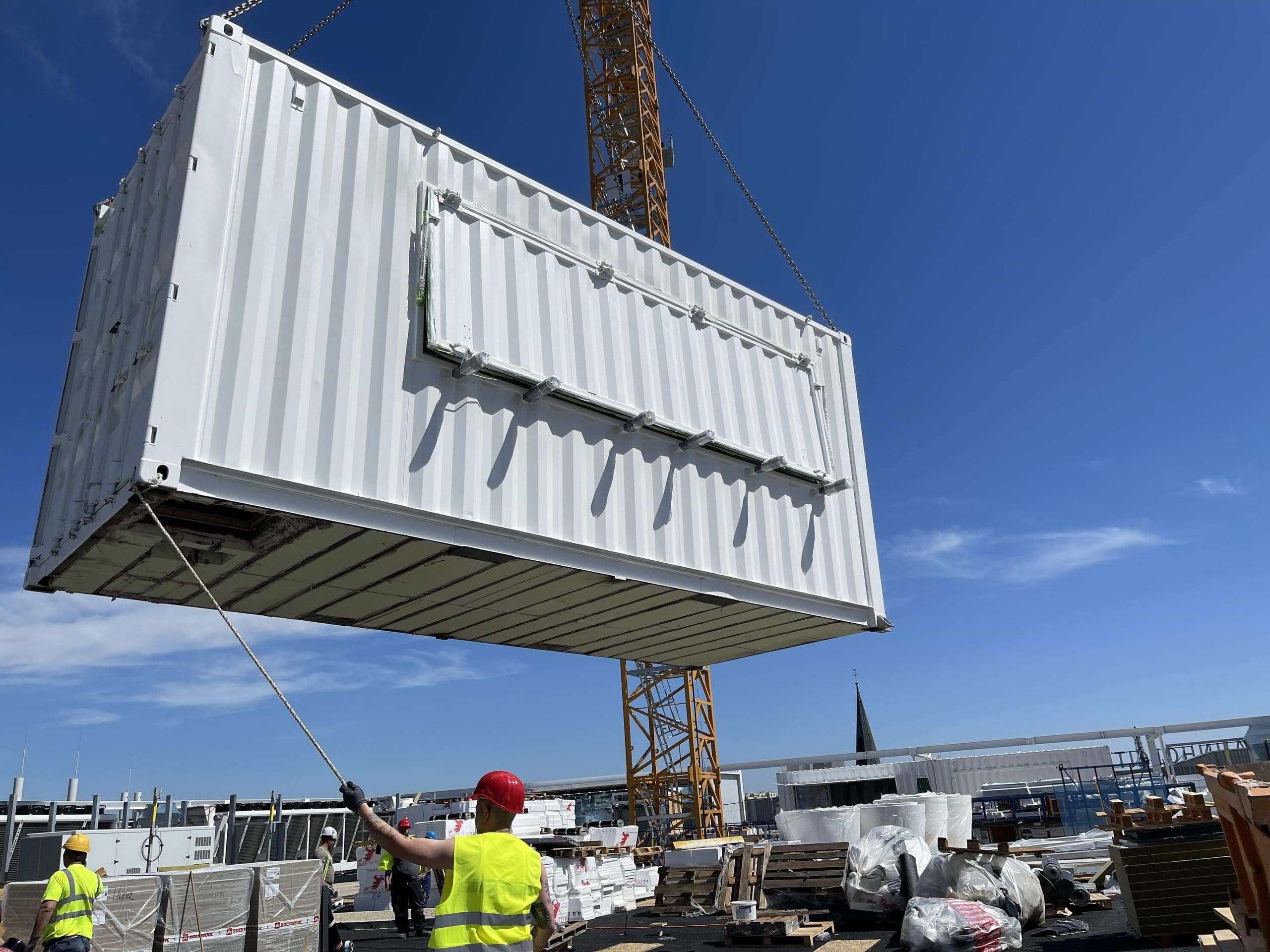
A container home is faster in one phase: the structure. Containers can be cut, framed and even insulated in a workshop while the site and the foundation are prepared, then set on the foundation in a day. Permits, utility connections, inspections and the interior finish take about as long as in any small house. Projects that are mostly prefabricated gain the most time, site-built conversions the least.
Andy turns a rotten carport into a container gym, garage and workshop. The build shows which steps go fast with containers and which do not.
Building codes and permits
Both types of home follow the same building code. The International Building Code has included a section on shipping containers used as buildings since its 2021 edition, and newer residential codes point to it. In practice that means stamped engineering drawings showing how each container, opening and connection carries its loads, and how the containers are anchored to the foundation.
Zoning is where the difference shows. Minimum home sizes, design standards and HOA covenants were written with conventional houses in mind, and some of them rule out a container exterior. A building department that has never reviewed a container home may also take longer. Ask early and bring a simple plan. Our guide to shipping container homes explains the permit questions in more detail.
Andy explains how US zoning and building permit rules usually apply to shipping containers.
Financing and insurance
A conventional home is easy to finance because lenders and appraisers have plenty of comparable sales. Container homes have few, so some lenders hesitate. Financing is easiest when the home is permanently attached to a foundation, fully permitted, connected to utilities and built by a contractor with a track record. Construction loans, personal loans and cash are common for smaller builds.
Insurance follows the same pattern. A permitted container home on a permanent foundation can usually be insured as a home, although fewer insurers write these policies. Get a quote before you commit to the design.
Energy use and comfort
Steel conducts heat. Without a continuous layer of insulation, the walls get hot in summer, cold in winter and wet with condensation. Closed-cell spray foam on the inside of the steel insulates and seals in one layer, and a container home insulated this way can be as comfortable and efficient as a conventional house.
The thin walls are the trade-off. Every inch of insulation on the inside takes an inch of room width, which is why some builders insulate on the outside and clad the container instead.
Durability and maintenance
A steel container does not rot, termites cannot eat it, and anchored to an engineered foundation it handles high winds well. Its weak points are rust and water. Scratches in the coating need touching up, the roof must not hold standing water, and moisture trapped behind insulation does its damage out of sight.
A wood-frame house has its own list: rot, termites, siding and paint. Neither is maintenance free. The work is just different.
Resale value
This is the clearest advantage of a conventional house. The pool of buyers for container homes is smaller, comparable sales are rare and appraisals can come in low. A well-designed, permitted container home in an area where buyers want modern or compact homes can sell well, but plan to live in it for a while rather than build it as a quick investment.
Is a container home greener?
Container homes are often marketed as recycled. Most are built from new one-trip containers, because used containers come with dents, rust and an unknown cargo history that is expensive to deal with in a home. The steel structure is durable and can be moved or reused, which counts in its favor. A small, well-insulated home uses less energy than a large one, and that matters more than the building material.
Which one is right for you?
A container home makes sense if:
you want a compact home, an ADU, a cabin or a home office
your site is remote or hard to build on, and building off site saves trips and time
you like the industrial look and plan to stay for years
zoning and HOA rules allow it
A traditional home is the better choice if:
you need a large family home with wide rooms
you depend on a conventional mortgage or plan to sell within a few years
design rules in your area limit the exterior
you want the widest choice of builders and the simplest permit process
Is a container home cheaper than a traditional home?
Usually only because it is smaller. Per square foot, builder-finished container homes cost about the same as or more than conventional construction. The savings come from a compact design and a simple layout.
How long does a container home last compared to a wood house?
With a maintained coating, a sound roof and good moisture control, a container home lasts for decades, comparable to a conventional house.
Can you get a mortgage for a container home?
Sometimes. It is easiest when the home is permitted, permanently attached to a foundation and appraised against comparable homes. Many owners use construction loans, personal loans or cash instead.
Are container homes safe in hurricanes?
A container home anchored to an engineered foundation and built to the local wind code performs well in high winds. The anchoring and the reinforcement around openings decide how it holds up, not the steel box alone.
Do container homes hold their value?
Less predictably than conventional homes, because there are fewer comparable sales and fewer buyers. A permitted, well-designed home in the right area can sell well.
shipping-containers.com is a marketplace, not a dealer or a builder. Send one request with your ZIP code and the containers you need, and vetted local suppliers respond with delivered prices. One request, multiple quotes, no fees. Compare sizes and grades on shipping containers for sale.
Container prices for your city, rule changes in your state, Andy’s newest videos and stock deals when we have them. One email a month, unsubscribe any time.
Andreas Atrott is the founder of CUBX - shipping-containers.com and its sister sites shipping-containers.com.au in Australia and containerbasis.de in Germany. He has spent more than 15 years in the container industry, across sales, modifications, and custom builds, and shares what he has learned on his YouTube channel, Andy Knows Containers. That practical experience shapes how the platform helps US buyers match the right container to their project.
A shipping container is the ultimate blank canvas. The design is clever, but at its core a container is a big steel box you can adapt almost any way you...
A standard shipping container, but taller: the premise behind ‘high cube’ units might be simple, but it makes this type of container particularly well suited to a range of applications....
Shipping containers are good for far more than moving freight across oceans. With the right accessories, you can turn a plain steel box into a storage unit, a site office,...
February 17, 2026
About Us
shipping-containers.com is an independent platform that makes buying a shipping container simple and transparent. Tell us what you need once, and vetted local suppliers across the US send you their quotes. One request, multiple quotes, no fees.
Got questions? Let’s chat.
We are here to make container buying simple. Talk to a real expert, get advice, and find your perfect fit, fast.
Hi, I'm Andy. 15+ years in containers. How can I help?
Shipping Container Homes in New York: Codes, NYC ADUs and Local Bans
How New York handles shipping container homes: the 2025 Uniform Code, NYC ancillary dwelling units, container laws in Buffalo, Sweden and Coxsackie, Adirondack Park review, septic and modular approval.
Shipping Container Homes in California: Codes, ADUs and City Rules
How California handles shipping container homes: the 2025 state codes, the LADBS conversion bulletin, San Diego rules, state ADU law, HCD approval for factory-built units and counties that allow containers only for storage.
Shipping Container Homes in Washington: Codes, ADUs and L&I Rules
How Washington handles shipping container homes: the 2021 state codes, Pierce, King and Ferndale container rules, the two-ADU state law, the energy code wall U-factor and the L&I factory-assembled program.