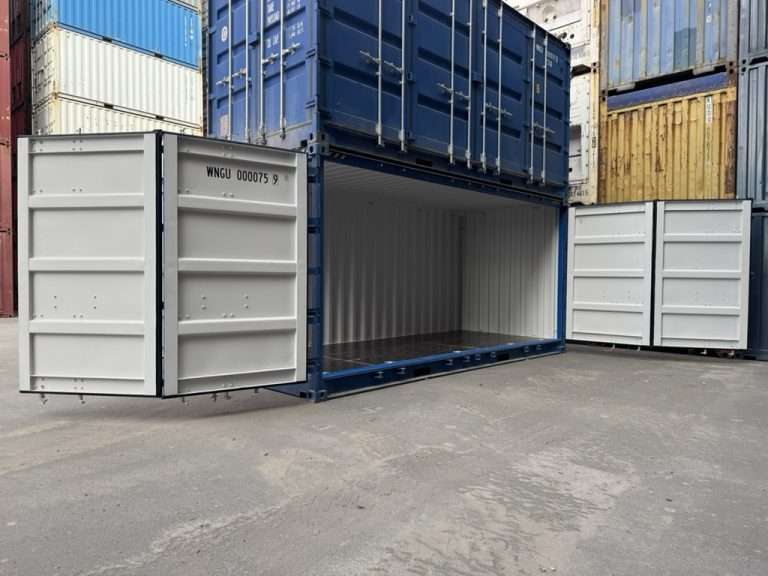
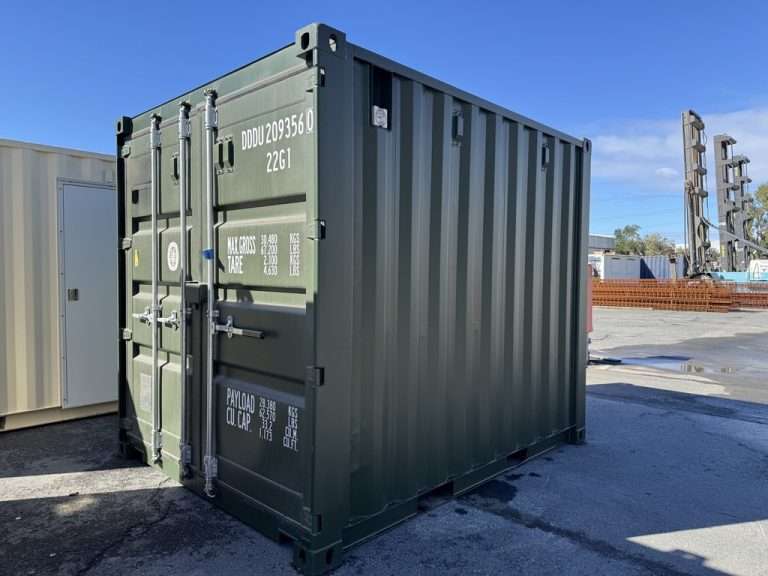
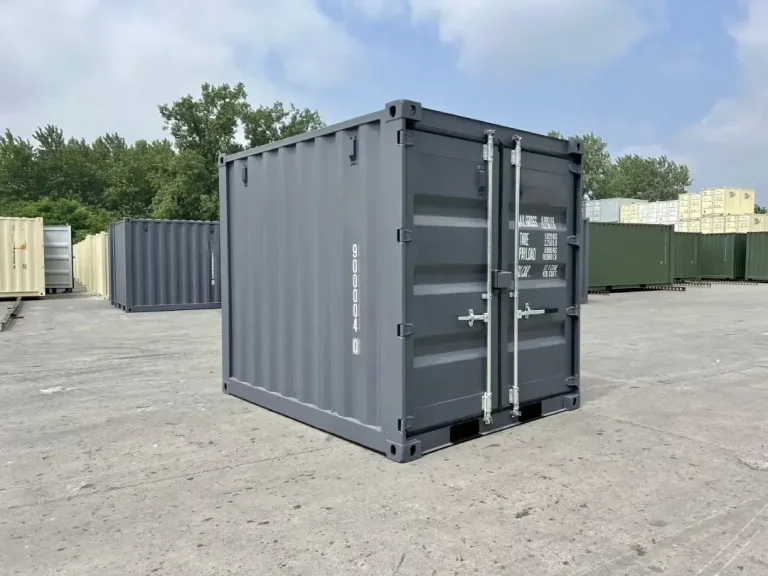
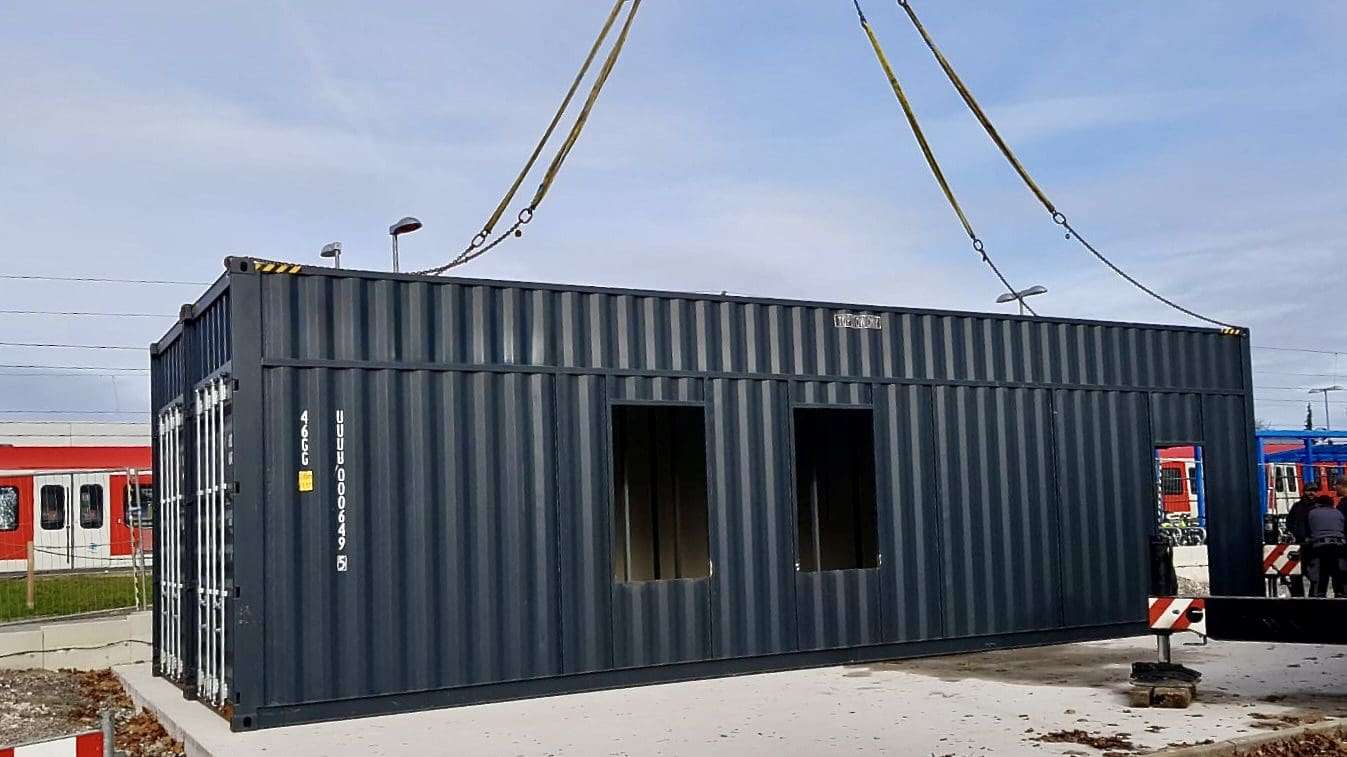
One-trip containers in 20ft, 40ft high cube and specialty sizes, with current starting prices at US depots. 20ft from $2,245, 40ft high cube from $3,145. One request brings delivered quotes from vetted local suppliers.
One-trip and new build containers with current starting prices at US depots. Open a listing for specs and metro prices, or send one request and vetted local suppliers reply with delivered quotes for your ZIP code.
Starting prices at the depot, based on current inventory at major US container depots. Delivery, sales tax and local fees are extra and depend on your ZIP code. Your supplier confirms the final price in your quote.
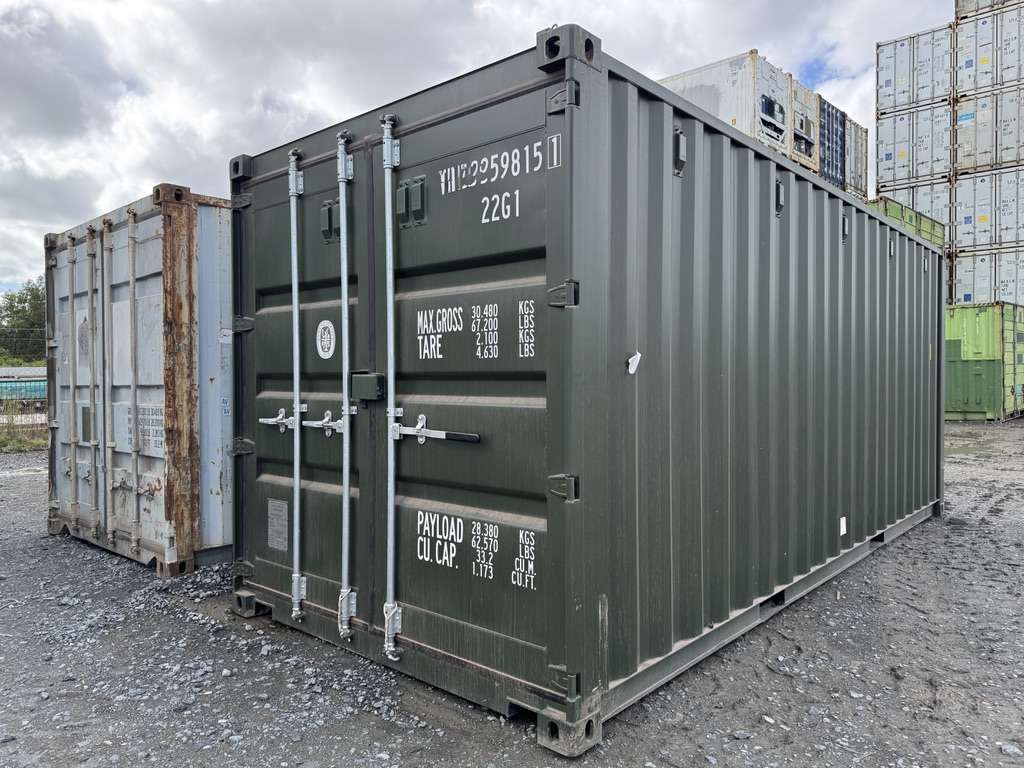
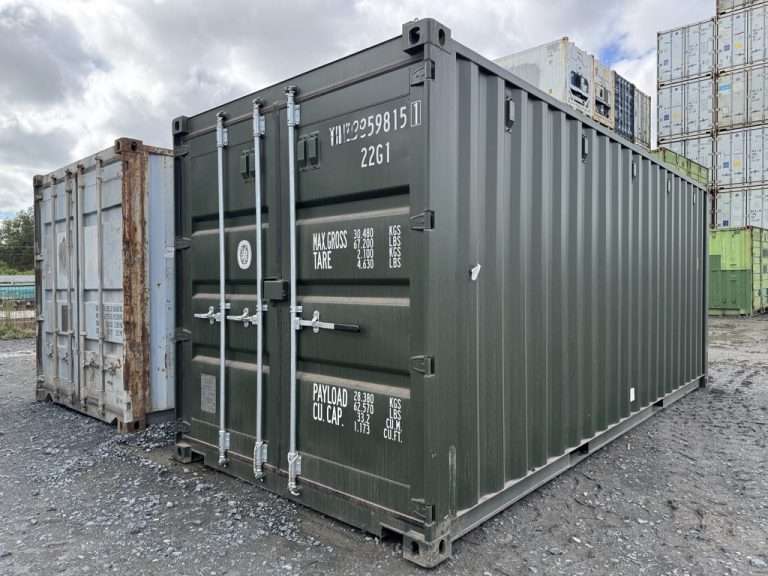
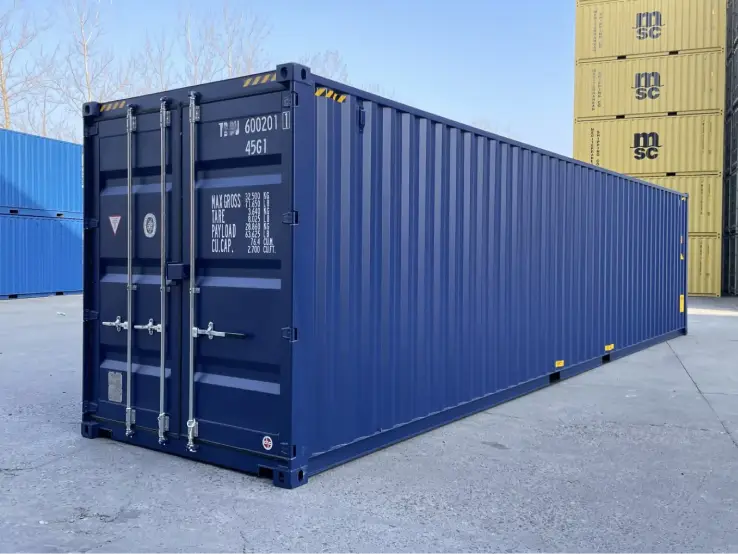
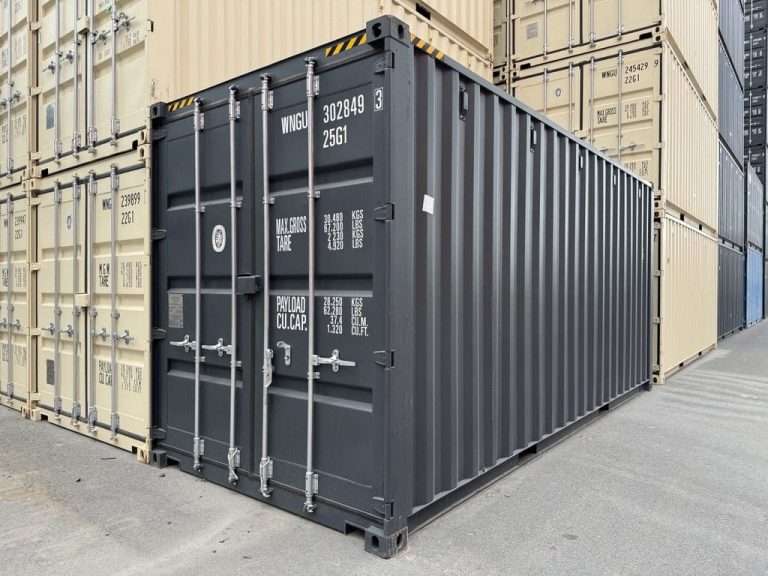
Almost every new container sold in the US is a one-trip container. It is built in a factory, mostly in China, loaded with cargo once for the voyage across the Pacific and sold at a US depot after it has been unloaded. It arrives with factory paint, a clean marine plywood floor, tight door seals and a data plate that shows the build date, usually less than two years before the sale.
Small scratches and scuffs from loading are normal. Apart from those, a one-trip container is in as-new condition. That is the main difference from used shipping containers, which come out of 10 to 15 years of shipping line service with dents, rust patches and old markings.
Lowest depot prices across US metros, October 2026. Delivery not included.
A new container costs roughly twice as much as a cargo worthy one of the same size. For storage on a farm or job site, a used container does the same job for less. A new one pays off when the container will be seen every day, when you modify it, or when it should last as long as possible with little maintenance. Current prices by size and metro are in the shipping container price index.
When a new container is worth it
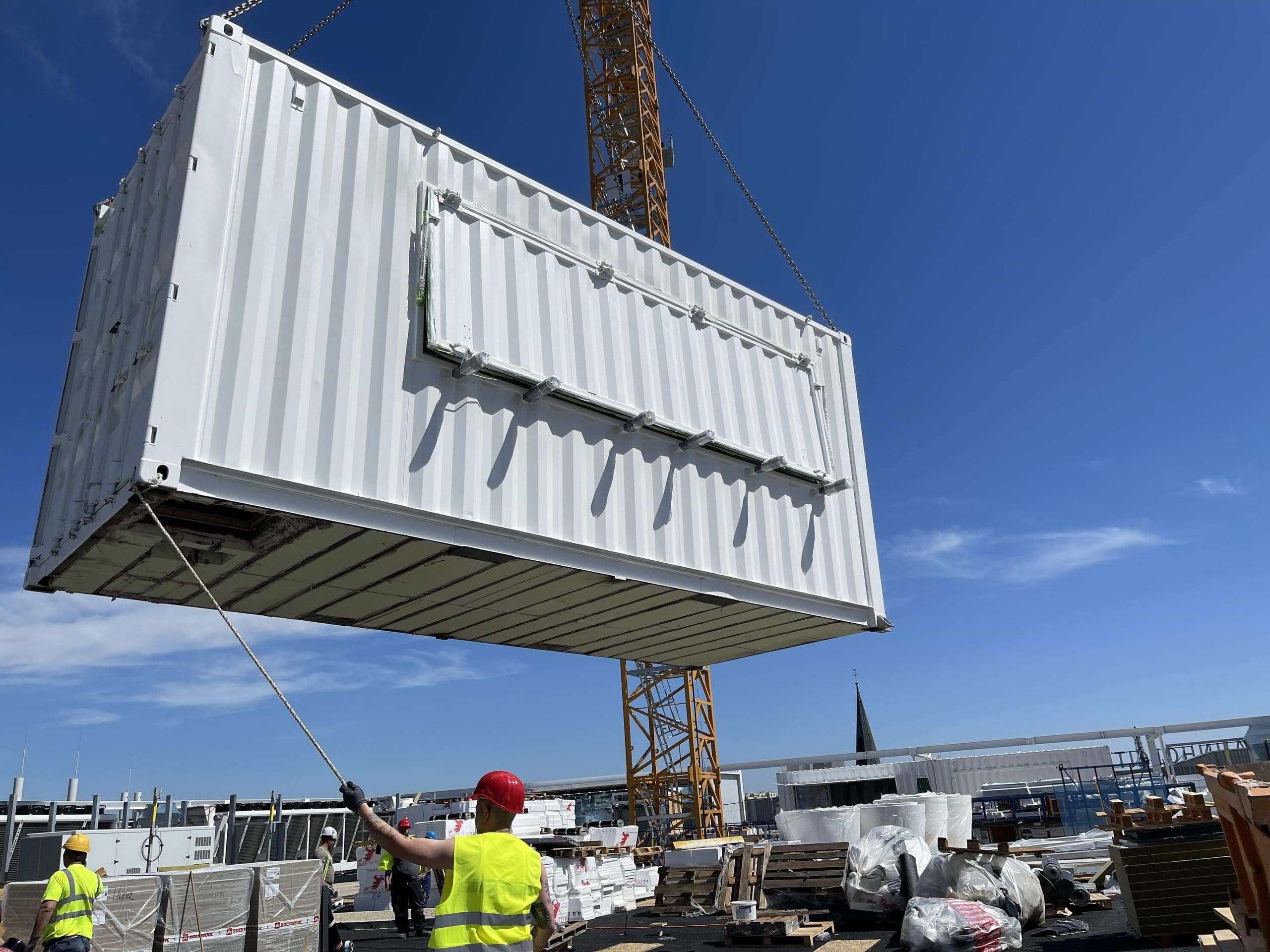
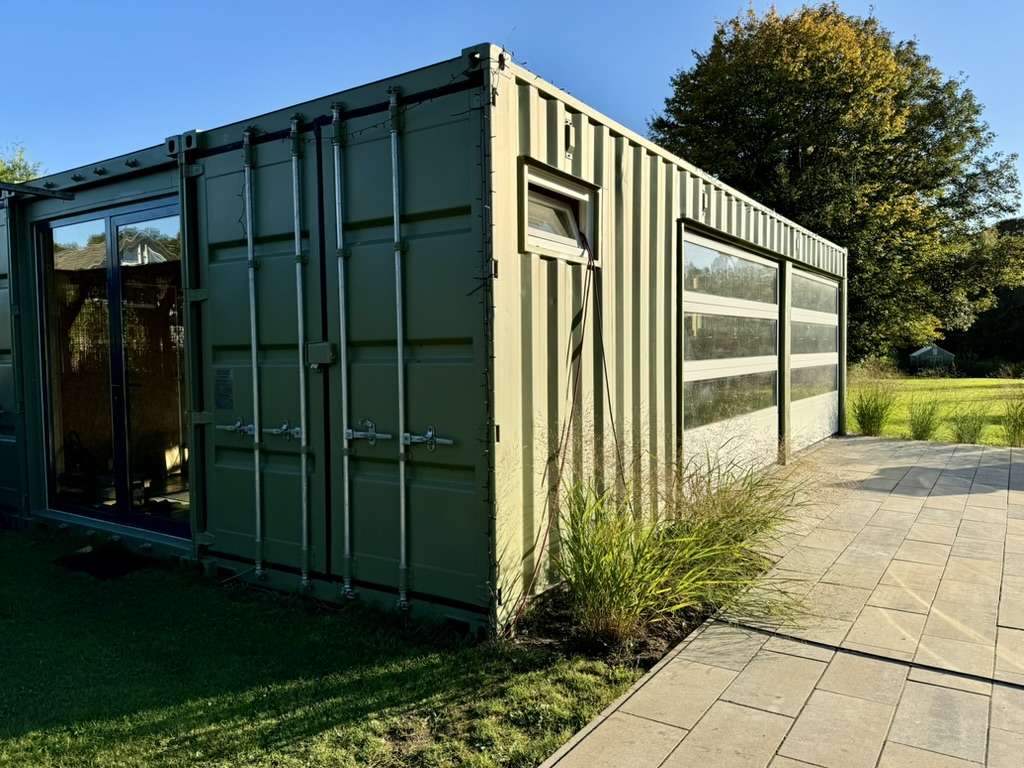
Most shipping container homes, studios and site offices start with a one-trip 40ft or 20ft high cube. The extra foot of height leaves room for insulation and a ceiling, the floor has not carried decades of cargo, and the paint is a good base for a new finish. The same goes for container pools, where a sound, straight box matters, and for branded pop-up shops that need to look clean.
Buyers also choose new containers for storage when they plan to keep the container for many years, when it sits in a front yard or next to a storefront, or when a homeowners association or permit asks for a container in good condition. Our guide on how to build a shipping container home covers the next steps for a build.
What drives the price of a new container
New container prices follow factory prices in China, which move with steel costs, and the number of new units arriving at US ports. When shipping lines order fewer containers, fewer one-trip units reach the depots and prices rise. Inland depots such as Denver, Salt Lake City or El Paso are usually more expensive than port cities because the containers have to travel further after the voyage.
Options add to the base price: a non-standard color, lock boxes, extra vents, roll-up or side doors, and windows. Delivery is quoted separately and depends on the distance from the depot and access to your site, see shipping container transport cost.
Free monthly email
Andy’s Container Report
Container prices for your city, rule changes in your state, Andy’s newest videos and stock deals when we have them. One email a month, unsubscribe any time.
FAQs
New shipping containers: frequently asked questions
01
A new one-trip 20ft container starts at about $2,245 at US depots and most metros sit between $2,495 and $2,595. A new 40ft high cube starts at about $3,145, with most metros between $3,595 and $3,945. Delivery is extra and depends on the distance from the depot to your site.
02
Almost. A one-trip container was loaded once for the voyage from the factory to the US, so it can have small scuffs from handling. The structure, paint and floor are in as-new condition. A container that never carried cargo is rare in the US market and costs more.
03
With basic upkeep, such as touching up scratches and keeping water off the roof, a new container commonly lasts 25 years or more as storage. Containers used as homes or offices are usually painted and insulated, which protects the steel further.
04
Many suppliers stock new containers in a few standard colors. Other colors can be ordered but usually cost extra and take longer. Ask about color when you request your quote.
See it full size on your property
Use your phone camera to place the container on your property at its real size. You see how much room it takes and how it sits before you buy.
Size
Grade and color
Scan with your phoneThis page opens straight on your phone.
On your phone, tap “View full size”.
Move the phone slowly over the ground until it picks up the surface.
The container appears about 10 ft in front of you, doors facing you, so you see all of it straight away.
Drag with one finger to bring it closer or move it. Twist with two fingers to turn it. You can also walk around it.
Full-size view is not available on this device. Turn the 3D model above with your finger to see it from every side.
Works on iPhone 6s or newer with iOS 12 or later and on most Android phones from 2018 on with Google Play Services for AR. On other devices you can turn the 3D model above and look at it from every side.
External size 20ft: 20 ft × 8 ft × 8 ft 6 in (6.06 × 2.44 × 2.59 m), length × width × height
"*" indicates required fields
Read the latest posts
Shipping Container Homes in New York: Codes, NYC ADUs and Local Bans
How New York handles shipping container homes: the 2025 Uniform Code, NYC ancillary dwelling units, container laws in Buffalo, Sweden and Coxsackie, Adirondack Park review, septic and modular approval.
Shipping Container Homes in California: Codes, ADUs and City Rules
How California handles shipping container homes: the 2025 state codes, the LADBS conversion bulletin, San Diego rules, state ADU law, HCD approval for factory-built units and counties that allow containers only for storage.
Shipping Container Homes in Washington: Codes, ADUs and L&I Rules
How Washington handles shipping container homes: the 2021 state codes, Pierce, King and Ferndale container rules, the two-ADU state law, the energy code wall U-factor and the L&I factory-assembled program.