Conex box or shipping container? Where the name comes from, how the original Army CONEX differs from today's ISO containers, and what to check before you buy.
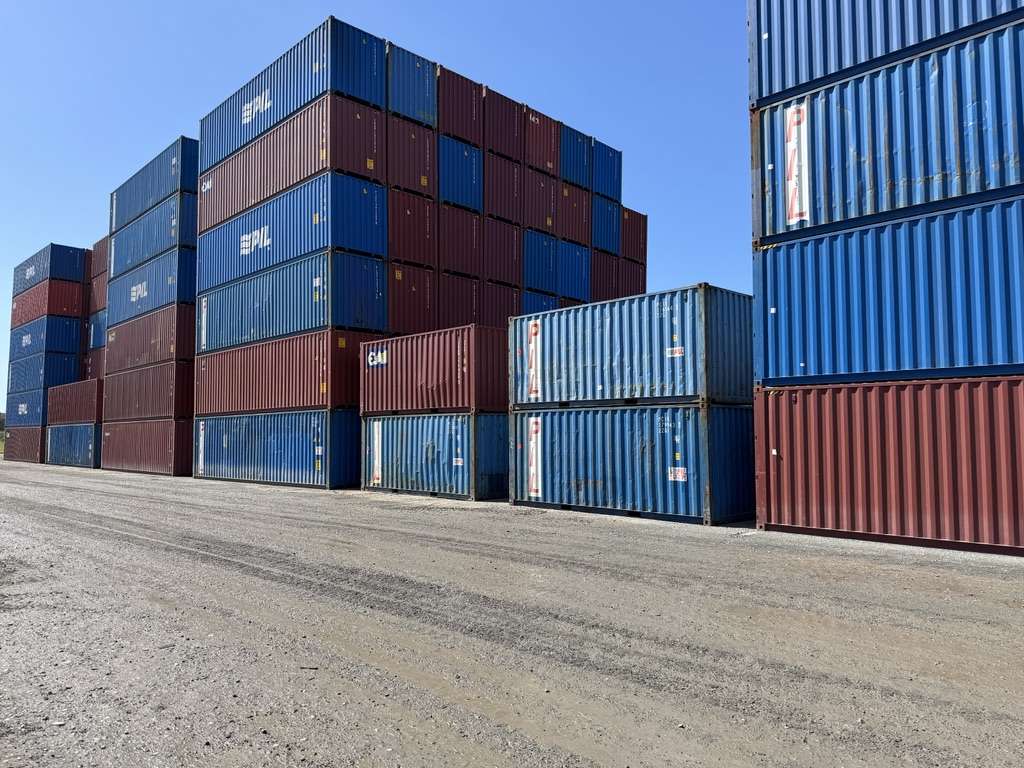
Search for containers in the US and you see several names for the same steel box. One seller calls it a conex box, the next a shipping container, a third a sea can or a storage container. In most listings they mean exactly the same thing.
There are a few differences worth knowing, though: between the original Army CONEX and today’s containers, and above all between a real ISO shipping container and a box built only for storage. This guide explains both.
Key takeaways
Today, conex box and shipping container usually mean the same thing: a standard steel ISO container.
The name comes from the US Army’s CONEX, short for Container Express, introduced in 1952 and much smaller than today’s containers.
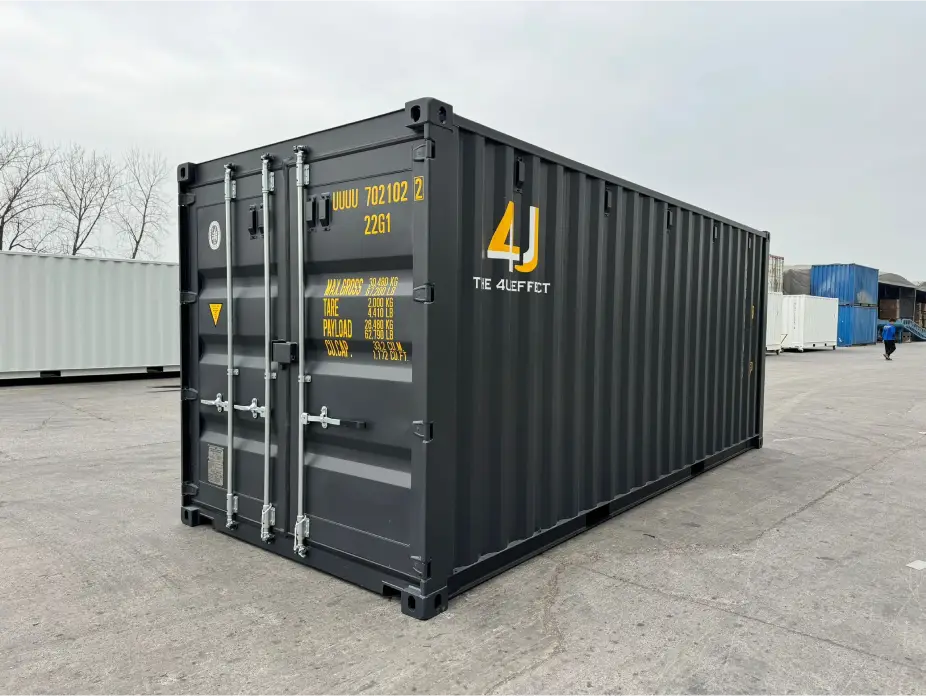
Modern containers follow ISO standards: 8 feet wide, mostly 20ft or 40ft long, with corner castings for lifting and locking.
The real difference to watch for is between an ISO shipping container and a box built only for storage.
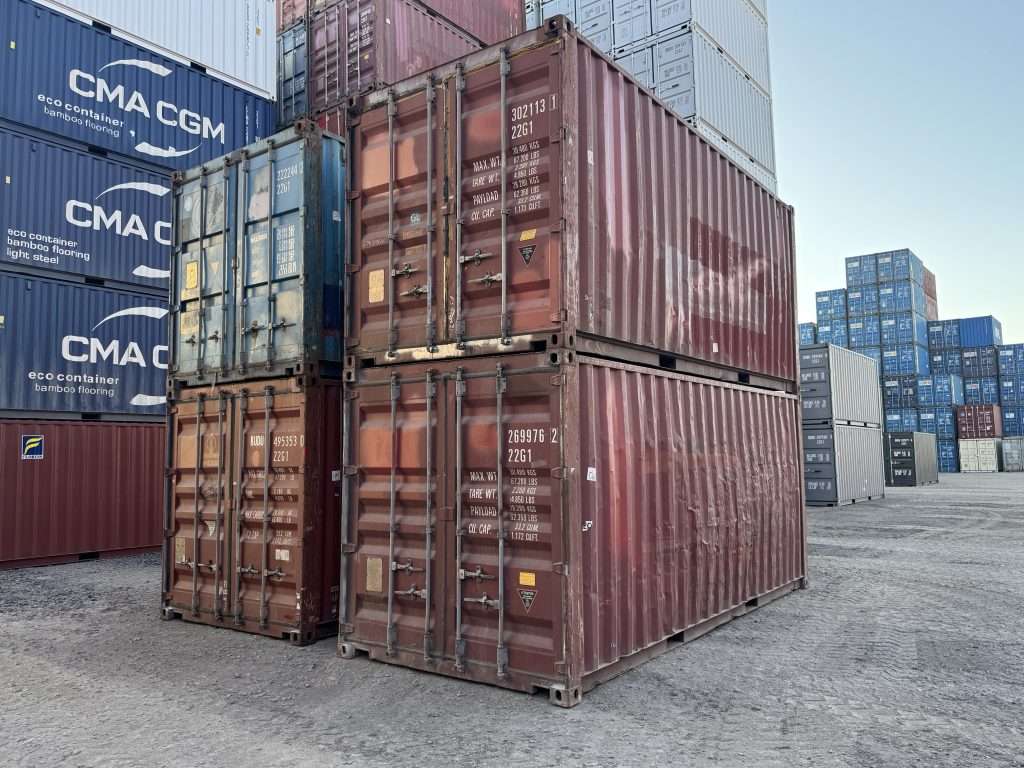
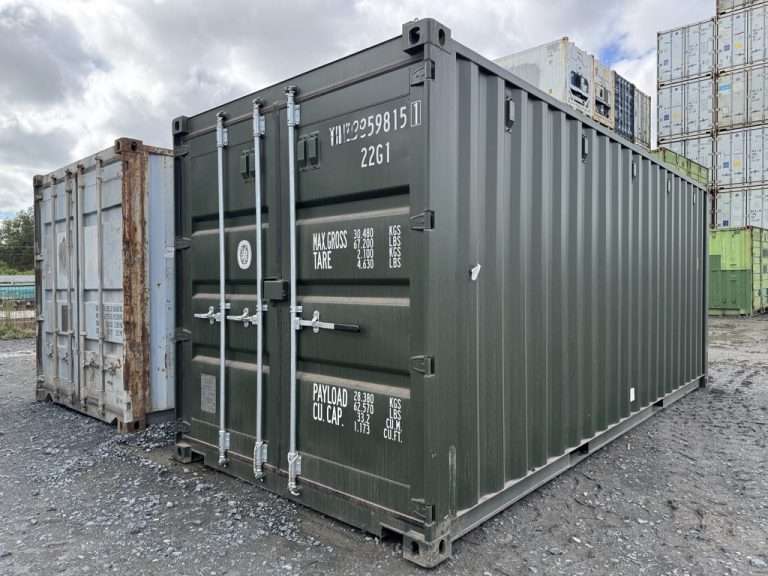
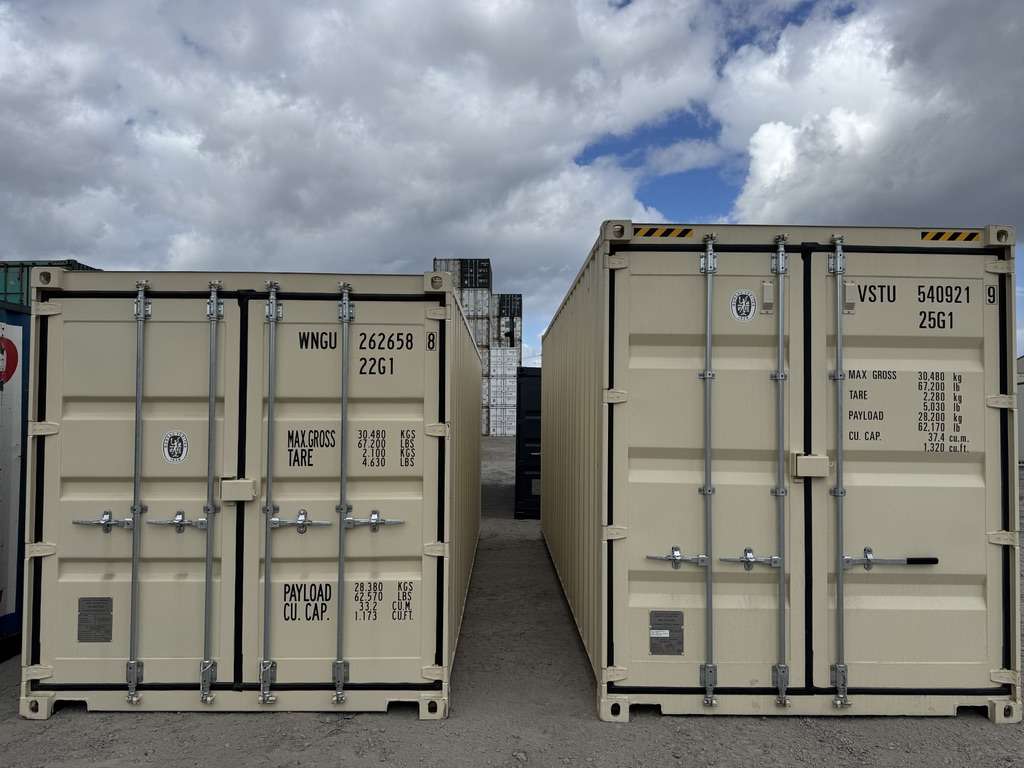
A CSC plate and an ISO container number show that a container was built and tested to the international standard.
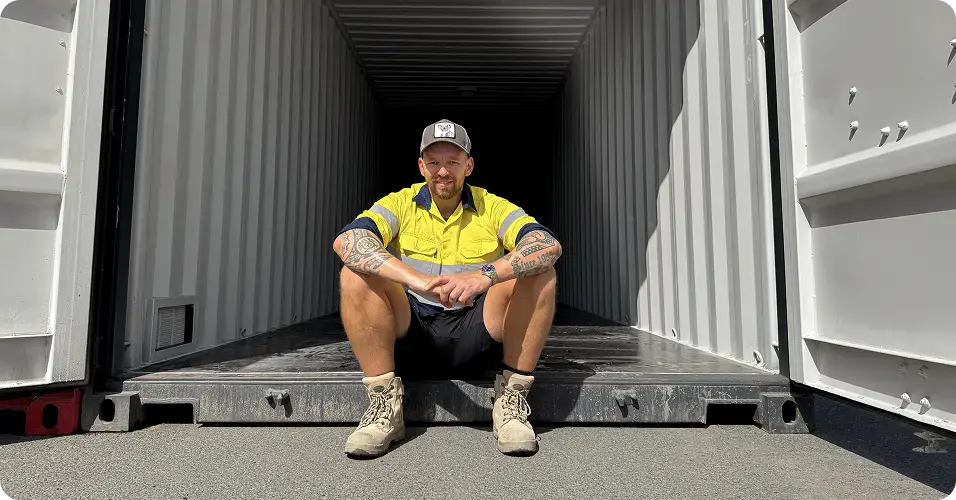
Andy gives an overview of standard, high cube and special container types.
Where the word conex comes from
CONEX stands for Container Express. The US Army developed the system after a steel box called the Transporter proved itself during the Korean War, and introduced it in late 1952. A CONEX was much smaller than a modern container: about 8ft 6in long, 6ft 3in wide and 6ft 10½in high, with a capacity of about 9,000 pounds. The Army had about 100,000 of them in service by 1965 and more than 200,000 two years later, many of them in Vietnam.
The name outlived the original boxes. Across the US, conex box is still used for any steel shipping or storage container, while the rest of the world mostly says shipping container.
The original CONEX vs a modern ISO container
Army CONEX (1950s and 1960s)
Modern ISO shipping container
Length
about 8ft 6in
mostly 20ft or 40ft, also 10ft and 45ft
Width
6ft 3in
8ft
Height
6ft 10½in
8ft 6in standard, 9ft 6in high cube
Load
about 9,000 lb capacity
up to about 67,200 lb (30,480 kg) maximum gross weight
Built for
Military supplies
Global trade by ship, rail and truck
Availability today
Original units are rare
Widely available new and used
International standards for containers were published between 1968 and 1970. Since then, containers have the same width, the same corner castings and the same markings everywhere, so cranes, ships, trains and trucks can handle them the same way in any port.
Conex box, shipping container, sea can: what the names mean
Term
Usual meaning in the US
Conex box
Any steel container, in practice mostly ISO shipping containers sold for storage
Shipping container
An ISO container built for ocean freight, usually 20ft or 40ft
ISO or intermodal container
The technical term for a container built to ISO standards for ship, rail and truck
Cargo container
Same as shipping container
Sea can or sea container
Same as shipping container, common in Canada
Storage container
Either a used shipping container or a box built only for storage
Portable storage container
Usually a rental unit from a moving and storage company, often not a shipping container at all
The real difference: ISO container or storage-only box
Some boxes sold as conex boxes or storage containers were never built for shipping. They are made for storage only, often from thinner steel, and carry no CSC plate, the safety approval that certifies a container for international transport. Such a box can work as a simple garden shed, but it is not suitable for stacking, heavy modifications or transport with cargo inside, and it is worth less when you sell it.
Before you buy, check these points:
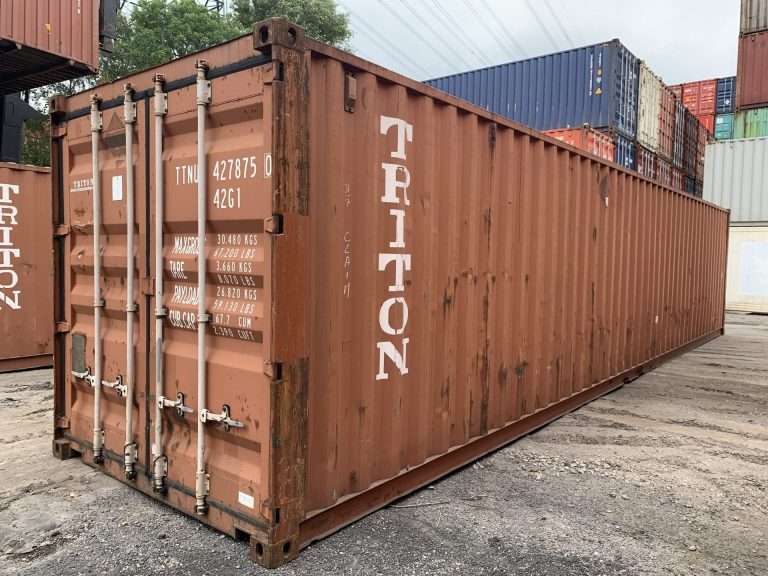
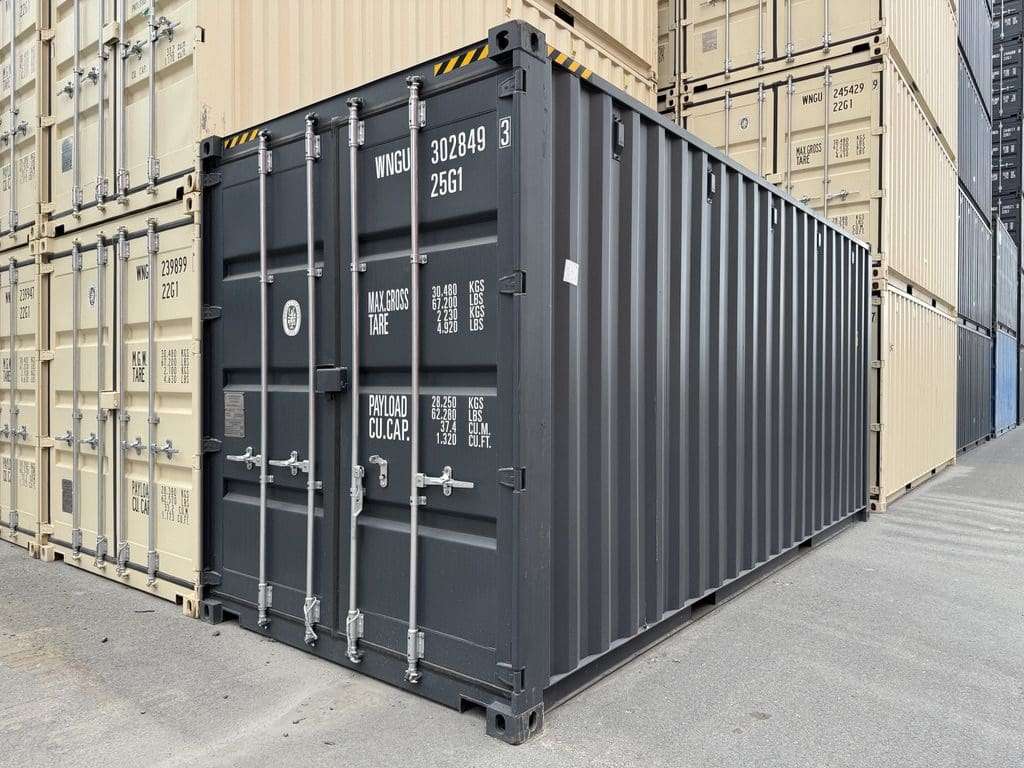
A CSC safety plate on the door, with the manufacturer, the date of manufacture and the weights
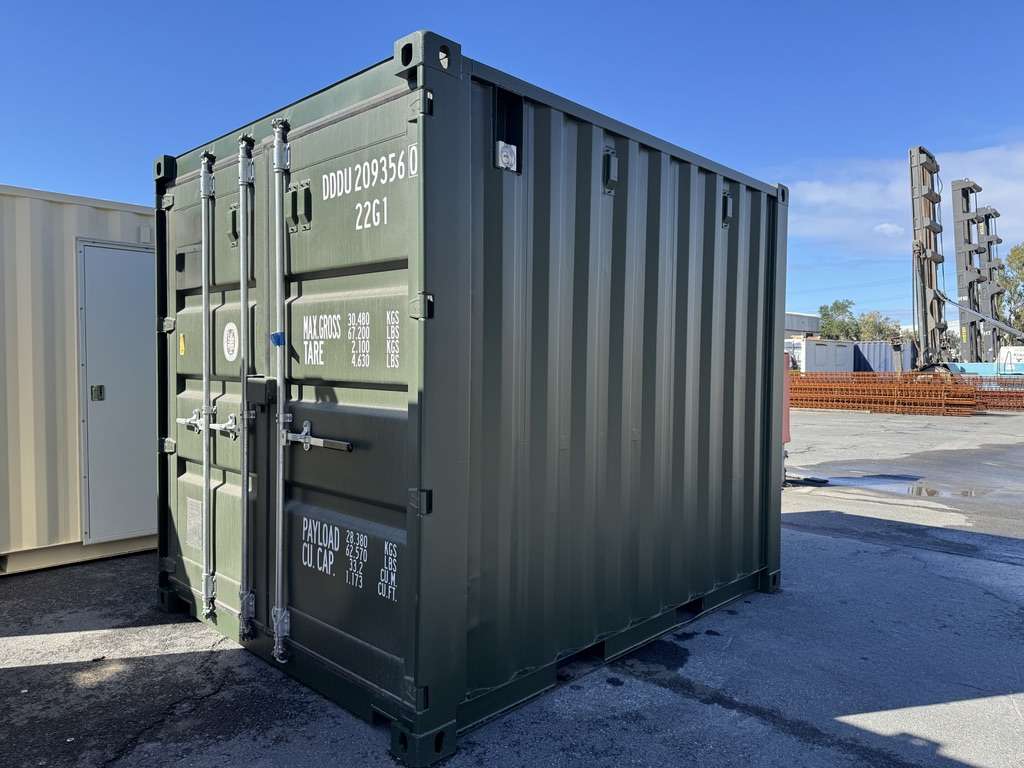
A container number of four letters ending in U, followed by seven digits, on the doors and the roof
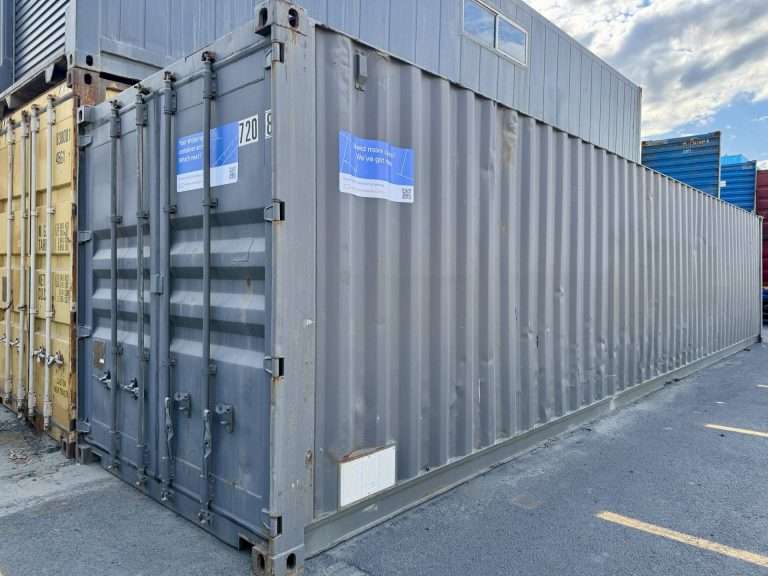
Corner castings at all eight corners
Corrugated steel walls and a marine plywood floor
The grade in writing: new one-trip, cargo worthy or wind and watertight
Andy explains what container grades like cargo worthy really mean and how to check a container yourself.
Which should you buy?
For storage, a modification or a home, buy a new or used ISO shipping container. You get standard dimensions, real strength and a resale value, whatever the seller calls it. Our guide to the conex box explains sizes and uses, and our guide to used shipping containers explains the grades. Most buyers choose between a 20ft shipping container and a 40ft shipping container.
Listings
ISO containers available now
Standard ISO shipping containers in the grades buyers ask for most, with current starting prices at US depots. Vetted local suppliers quote delivery to your ZIP code.
Starting prices at the depot, based on current inventory at major US container depots. Delivery, sales tax and local fees are extra and depend on your ZIP code. Your supplier confirms the final price in your quote.
In almost every US listing, yes. Conex box is an American name for a steel shipping container. Check the CSC plate and the container number to be sure you get a real ISO container and not a storage-only box.
Why are shipping containers called conex boxes?
The name comes from the US Army’s CONEX, short for Container Express, a smaller steel box introduced in 1952. The word stuck and is still used for any steel container in the US.
What size is a conex box?
Today, the same as a shipping container: mostly 20ft or 40ft long and 8ft wide, in standard or high cube height. Smaller 8ft and 10ft units are also sold as conex boxes.
Are conex boxes waterproof?
A container graded wind and watertight or cargo worthy keeps out rain and wind. Check the door seals and the roof before you buy, especially on older used units.
Can I still buy an original Army CONEX?
Original CONEX boxes are rare today and mostly bought by collectors. For storage or a project, a standard ISO container is the practical choice.
shipping-containers.com is a marketplace, not a dealer or a builder. Send one request with your ZIP code and the containers you need, and vetted local suppliers respond with delivered prices. One request, multiple quotes, no fees. Compare sizes and grades on shipping containers for sale.
Container prices for your city, rule changes in your state, Andy’s newest videos and stock deals when we have them. One email a month, unsubscribe any time.
Andreas Atrott is the founder of CUBX - shipping-containers.com and its sister sites shipping-containers.com.au in Australia and containerbasis.de in Germany. He has spent more than 15 years in the container industry, across sales, modifications, and custom builds, and shares what he has learned on his YouTube channel, Andy Knows Containers. That practical experience shapes how the platform helps US buyers match the right container to their project.
A shipping container is the ultimate blank canvas. The design is clever, but at its core a container is a big steel box you can adapt almost any way you...
A standard shipping container, but taller: the premise behind ‘high cube’ units might be simple, but it makes this type of container particularly well suited to a range of applications....
Shipping containers are good for far more than moving freight across oceans. With the right accessories, you can turn a plain steel box into a storage unit, a site office,...
February 17, 2026
About Us
shipping-containers.com is an independent platform that makes buying a shipping container simple and transparent. Tell us what you need once, and vetted local suppliers across the US send you their quotes. One request, multiple quotes, no fees.
Got questions? Let’s chat.
We are here to make container buying simple. Talk to a real expert, get advice, and find your perfect fit, fast.
Hi, I'm Andy. 15+ years in containers. How can I help?
Shipping Container Homes in New York: Codes, NYC ADUs and Local Bans
How New York handles shipping container homes: the 2025 Uniform Code, NYC ancillary dwelling units, container laws in Buffalo, Sweden and Coxsackie, Adirondack Park review, septic and modular approval.
Shipping Container Homes in California: Codes, ADUs and City Rules
How California handles shipping container homes: the 2025 state codes, the LADBS conversion bulletin, San Diego rules, state ADU law, HCD approval for factory-built units and counties that allow containers only for storage.
Shipping Container Homes in Washington: Codes, ADUs and L&I Rules
How Washington handles shipping container homes: the 2021 state codes, Pierce, King and Ferndale container rules, the two-ADU state law, the energy code wall U-factor and the L&I factory-assembled program.