Conex Box for Sale: What It Is and Where to Buy One Near You
A conex box is the American name for a steel shipping container. It is the same 20ft or 40ft steel box used for shipping, storage, and modification projects across the US. This page explains what a conex box is, why Americans call it a conex box, what sizes and uses are common, and how to get quotes from vetted local suppliers near you.
About the host Andy is a container industry professional with 15+ years of experience and the creator of Andy knows Containers, an independent YouTube channel focused on helping buyers make informed container decisions. The channel serves a global English-speaking audience, with the majority of viewers based in the United States.
Listings
Conex boxes available now
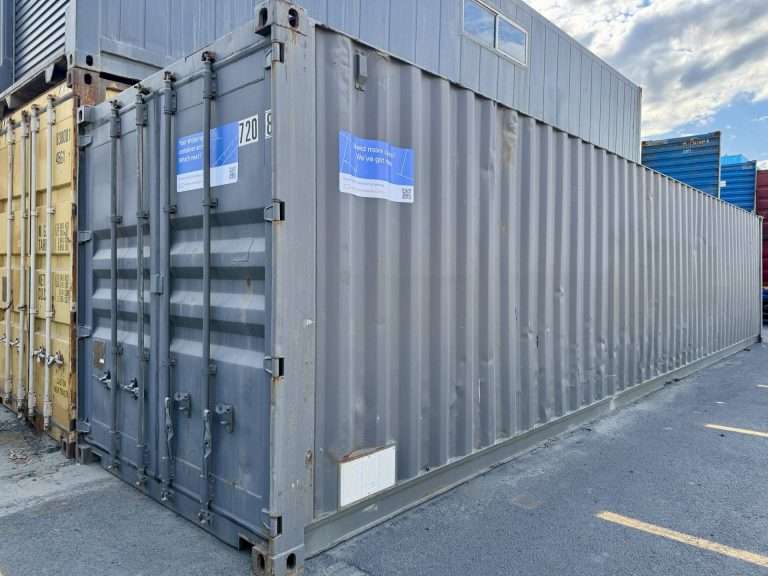
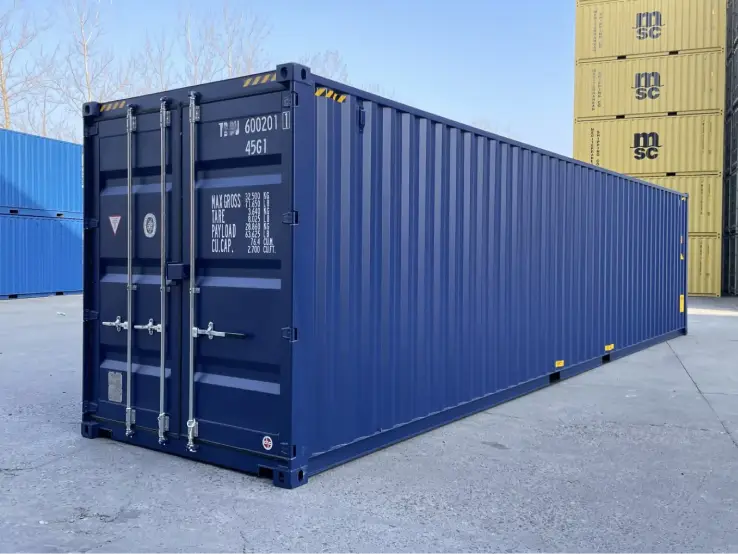
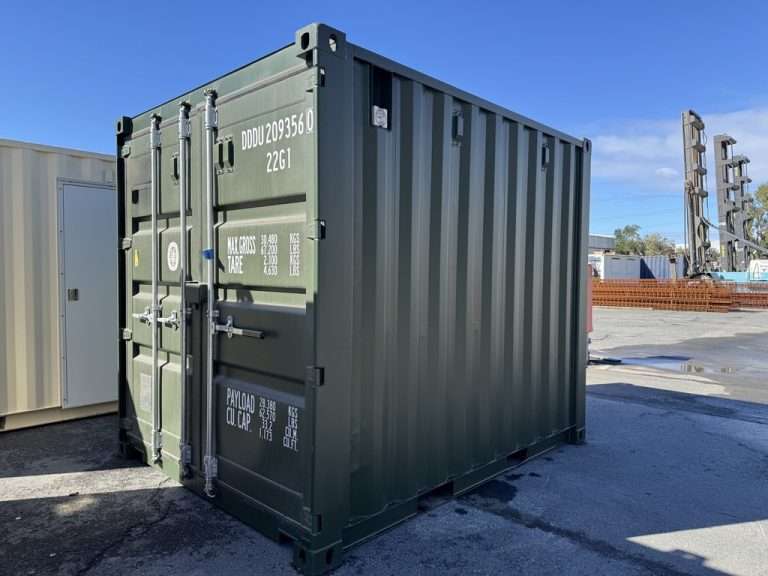
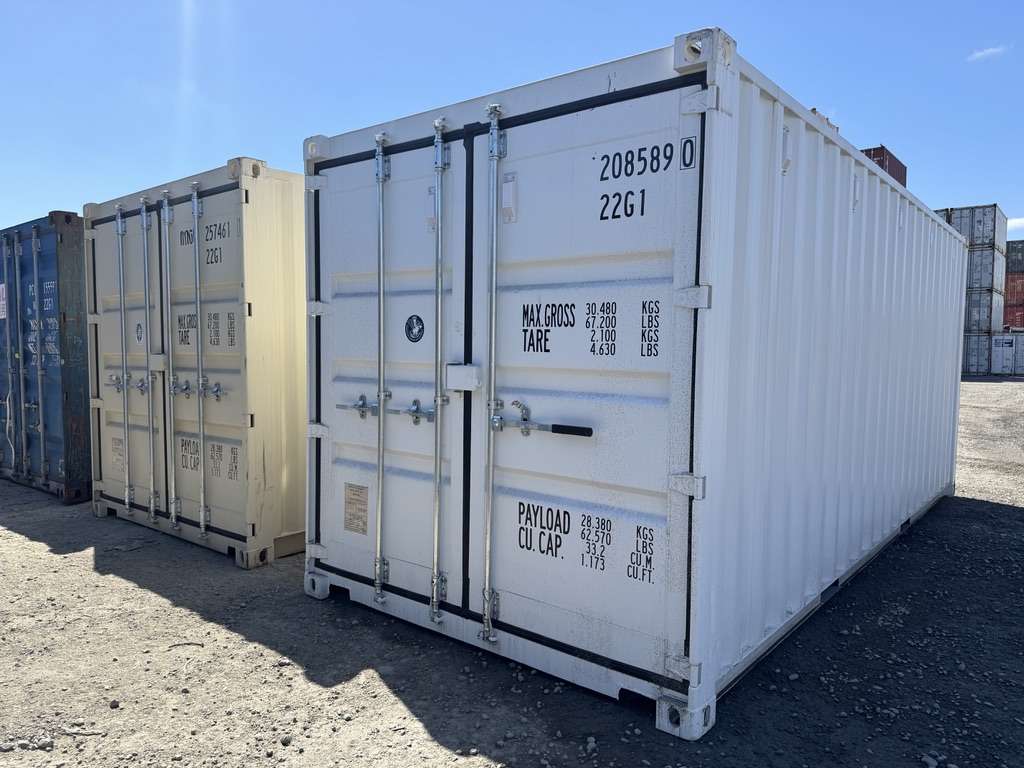
Conex boxes in the sizes Americans buy most, from compact 10ft units to 40ft high cubes. Starting prices come from current depot inventory, and vetted local suppliers quote delivery to your site.
Starting prices at the depot, based on current inventory at major US container depots. Delivery, sales tax and local fees are extra and depend on your ZIP code. Your supplier confirms the final price in your quote.
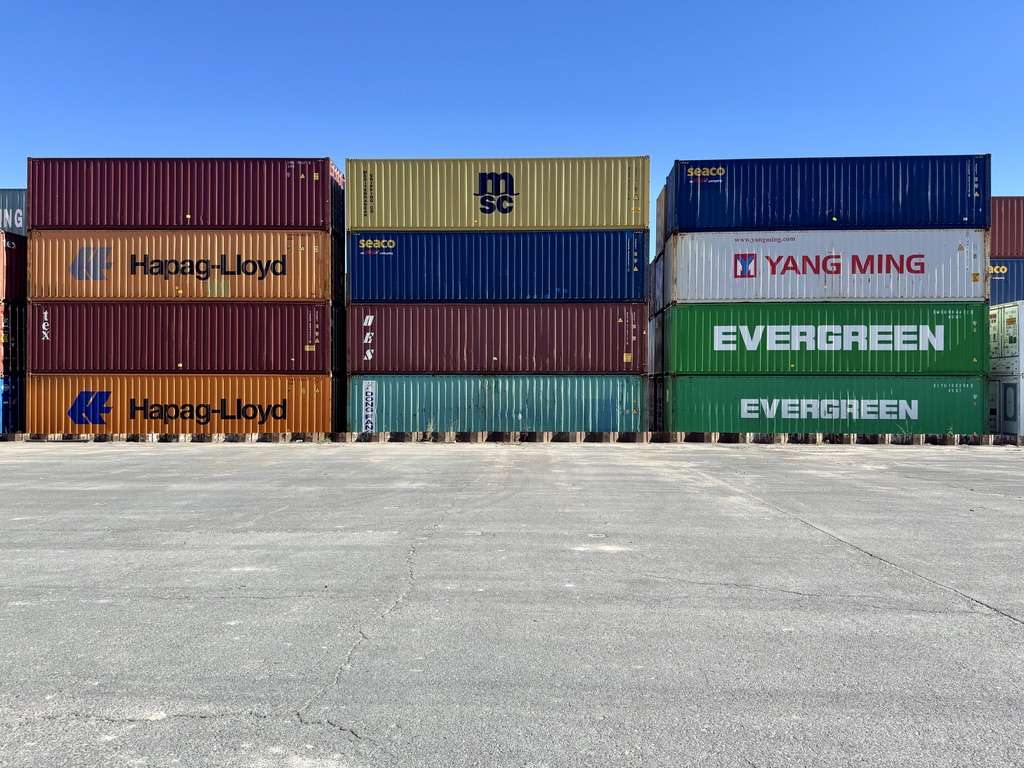
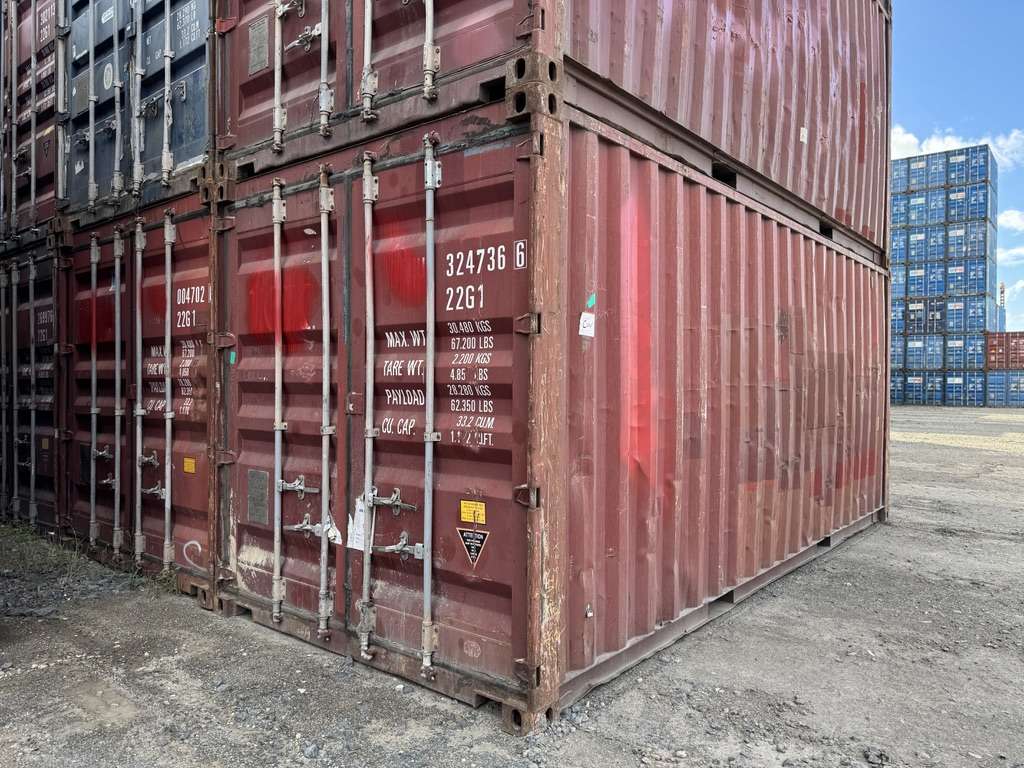
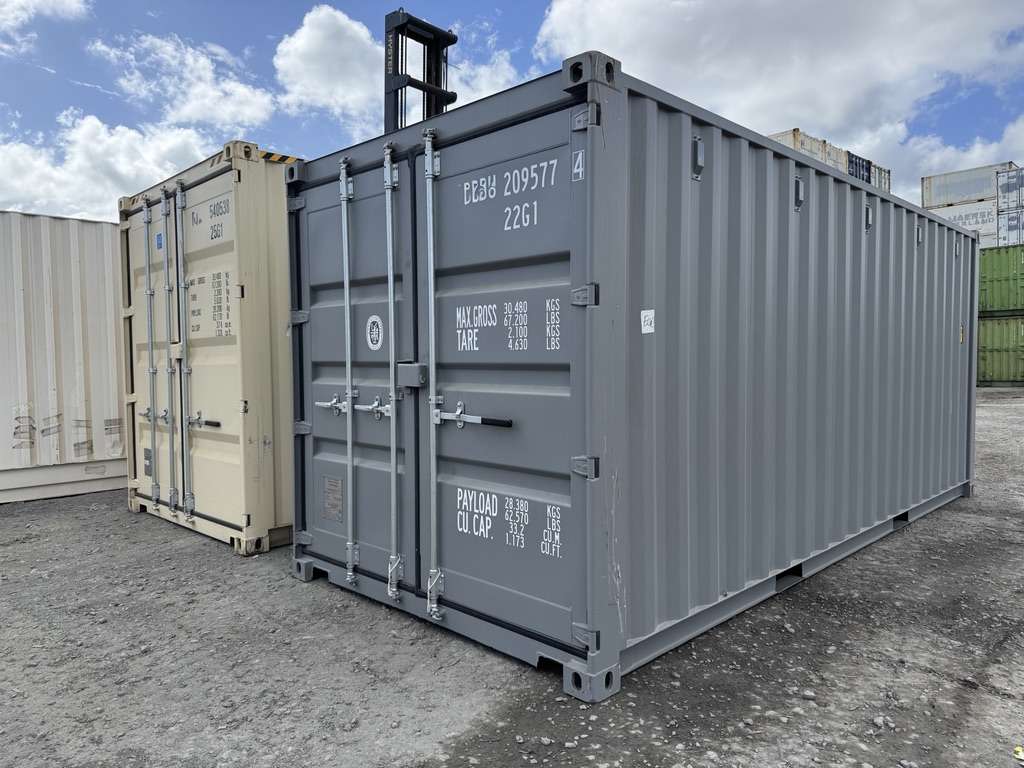
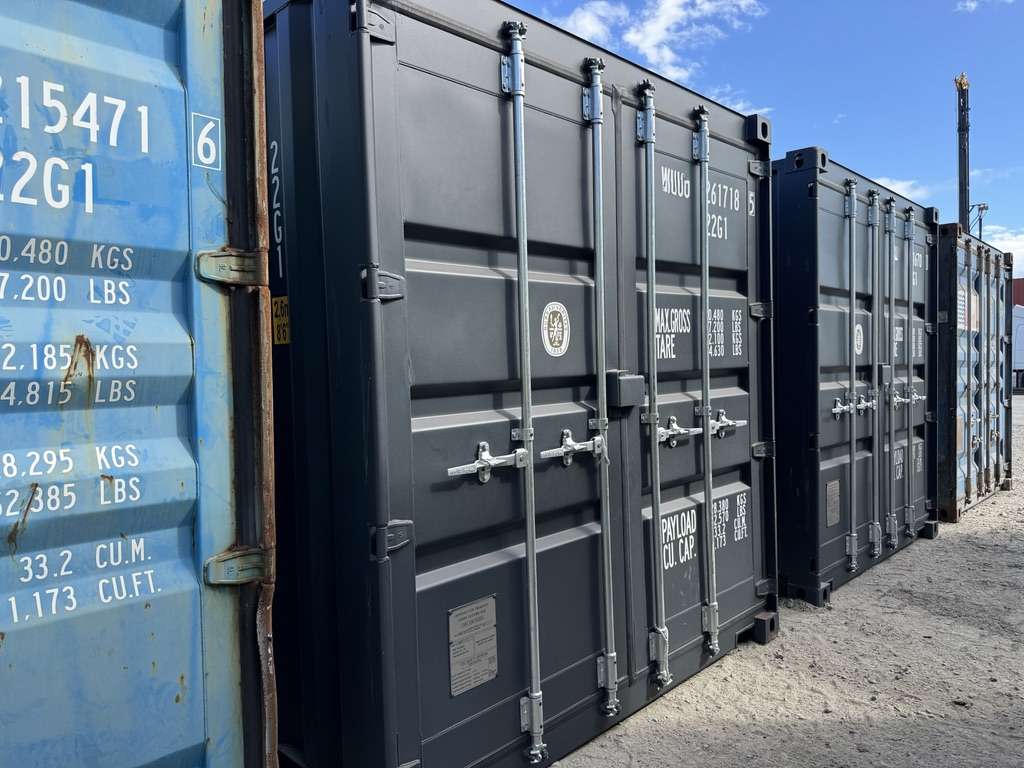
A conex box is a standardized steel shipping container. In everyday American usage, the word conex simply means a shipping container. There is no practical difference between a conex box and the containers you see on trucks, trains, and cargo ships. A conex box is built from corten steel, which is also called weathering steel. It is made to be stacked, sealed against wind and water, and tough enough to last for decades outdoors.
For anyone buying one today, the terms are interchangeable. A 20ft conex box and a 20ft shipping container are the same unit. The word conex is simply an older military name for the same product, not a different type of box.
The word conex is short for Container Express, and it began with the US military. After the Second World War, the US Army Transportation Corps was losing large amounts of cargo to theft and damage at ports. In 1948 the Army introduced a rugged corrugated steel box called the Transporter. In late 1952, during the Korean War, that box was developed into the Container Express system, which was shortened to CONEX. These reusable steel boxes moved supplies faster and far more securely than crates and sacks.
The military used CONEX boxes heavily through the Korean and Vietnam wars, and by the late 1960s it was running hundreds of thousands of them. The commercial shipping industry then took the same idea and expanded it into the modern ISO container standard. The product changed over time, but in American English the name conex stuck. People still use conex box for any shipping container today.
Conex Box, Sea Can or ISO Container?
The same steel box goes by several different names, depending on the region and the industry. In almost every case they mean the same thing.
Name
Where you will hear it
Conex box
The American, military rooted term
Conex container
The same box, often shortened to conex
Shipping container
The general, everyday name
ISO container
Technical use, after the ISO standards that fix the sizes and fittings
Sea can
Common on the West Coast and in Canada
Cargo or freight container
Logistics and transport
For everyday buying, you can treat all of these as the same product. If you want a full breakdown of how the names line up and when each one is used, read our guide on conex box vs shipping container.
Common Conex Box Sizes
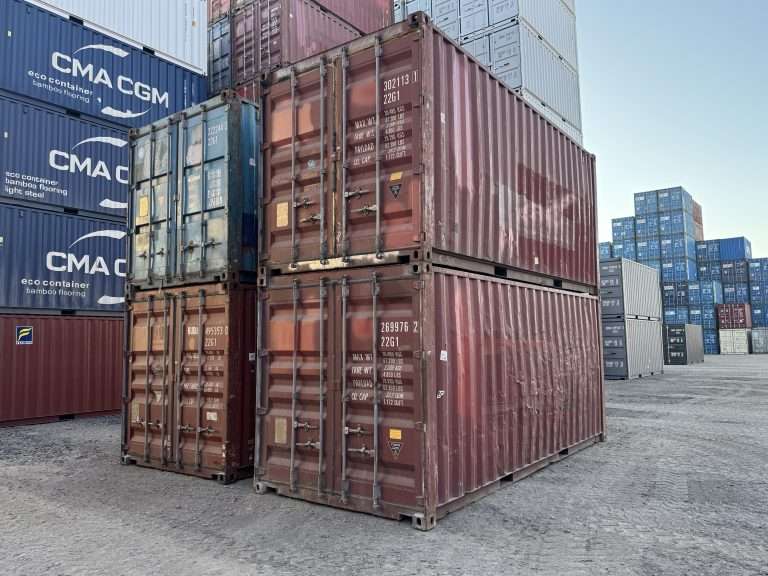
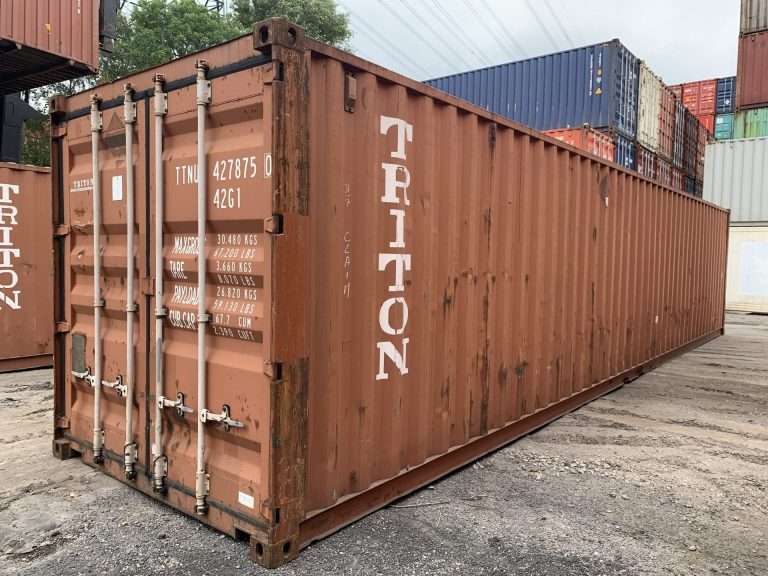
Almost every conex box comes in one of two lengths. The 20ft shipping container is the most popular size, because it is easy to place and easy to move. The 40ft shipping container gives you double the length for larger storage and transport jobs. Both sizes also come as high cube units, which add about a foot of extra height. The right conex box depends on how much you need to store and where it has to go. Our guide to shipping container sizes helps you choose.
Use Cases
What Are Conex Boxes Used For?
1. Construction and Jobsite Storage
Why:
On building and commercial sites, a conex box gives you secure, lockable storage for tools, materials and equipment. It keeps everything dry and protected, and you can move it to the next job once the work is finished.
2. Offices, Workshops and Pop-Up Retail
Why:
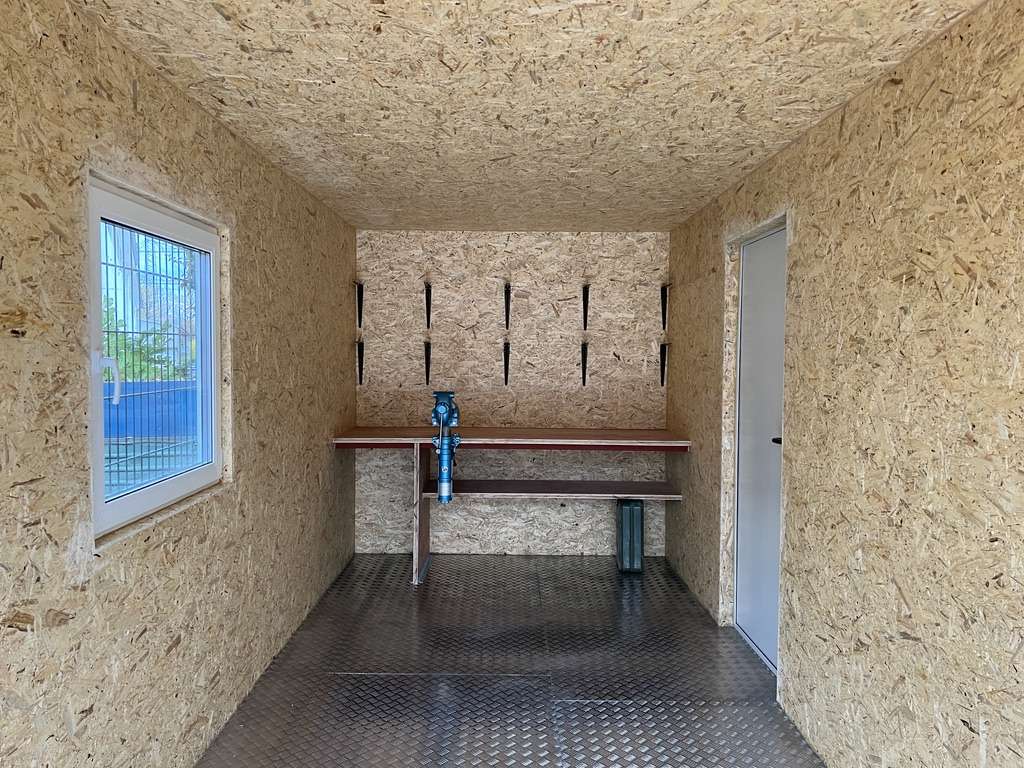
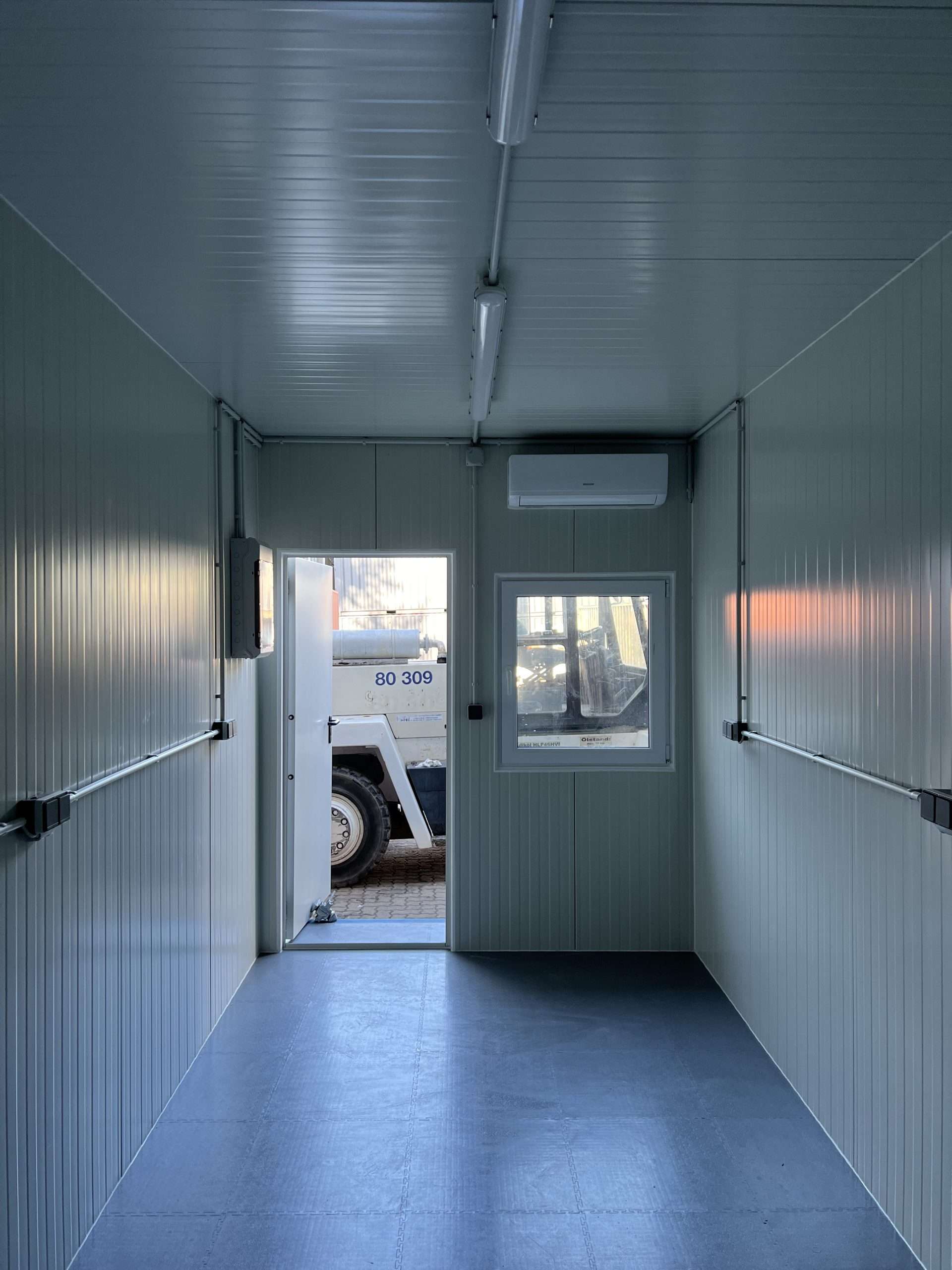
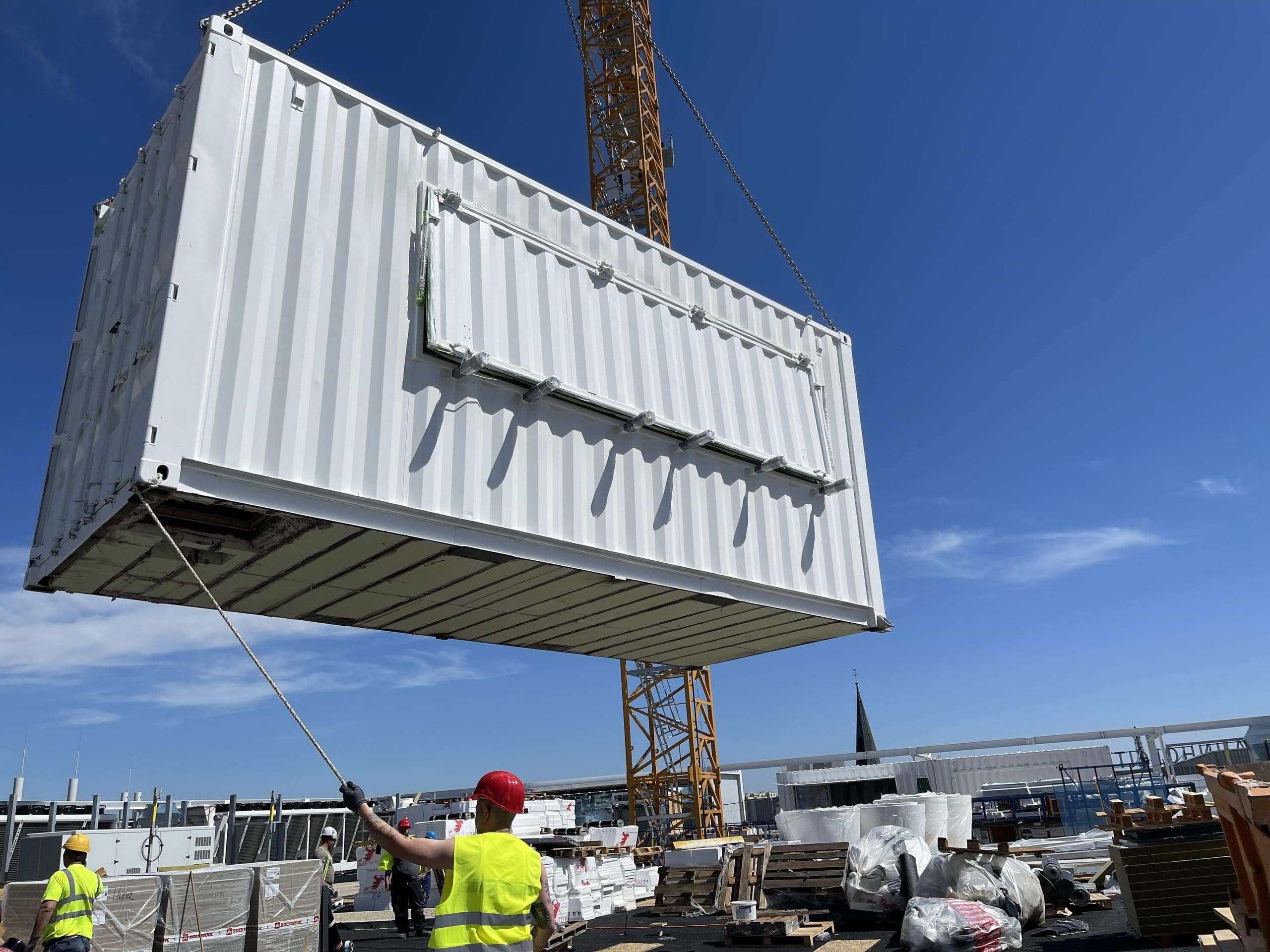
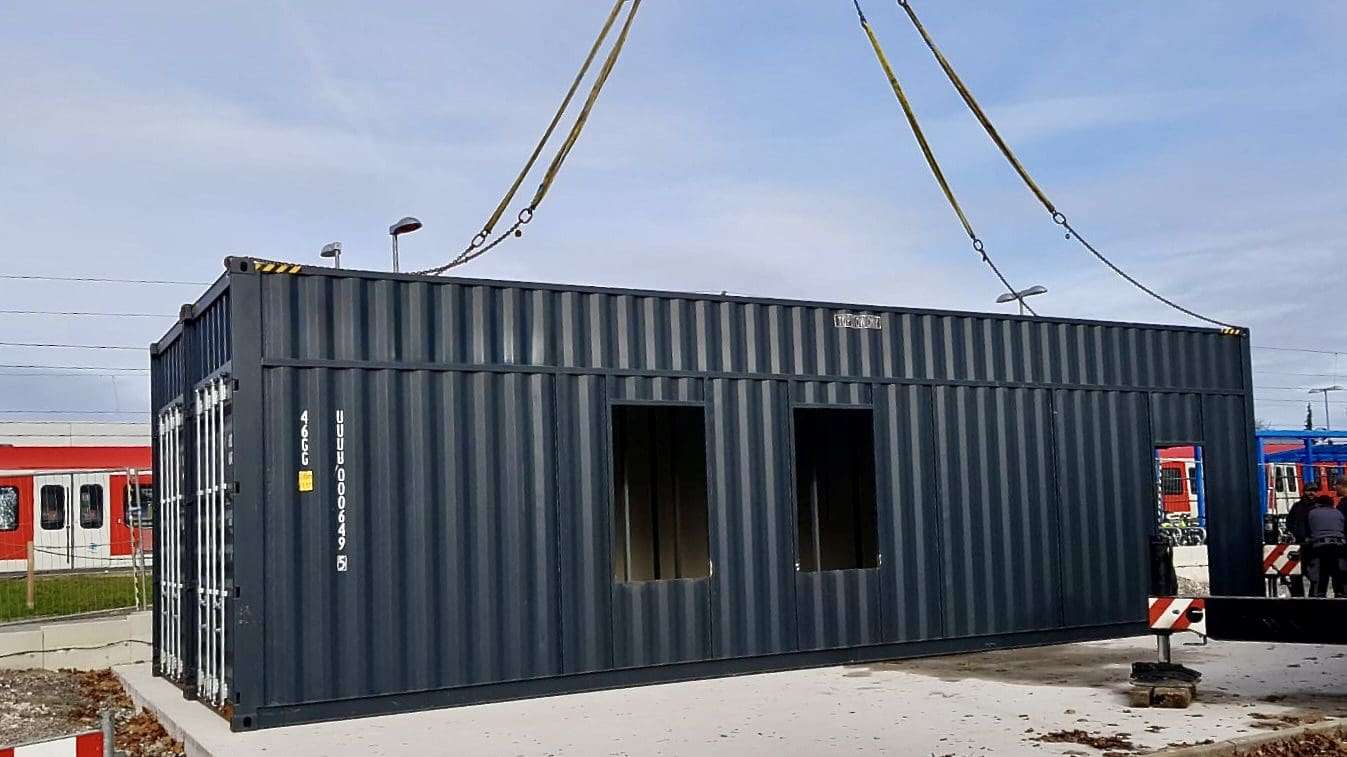
A conex box is easy to convert into a working space. Once it is fitted with doors, windows, power and insulation, it becomes a site office, a workshop or a pop-up shop. You can place it almost anywhere and relocate it whenever you need to.
3. Conex Homes and Modular Builds
Why:
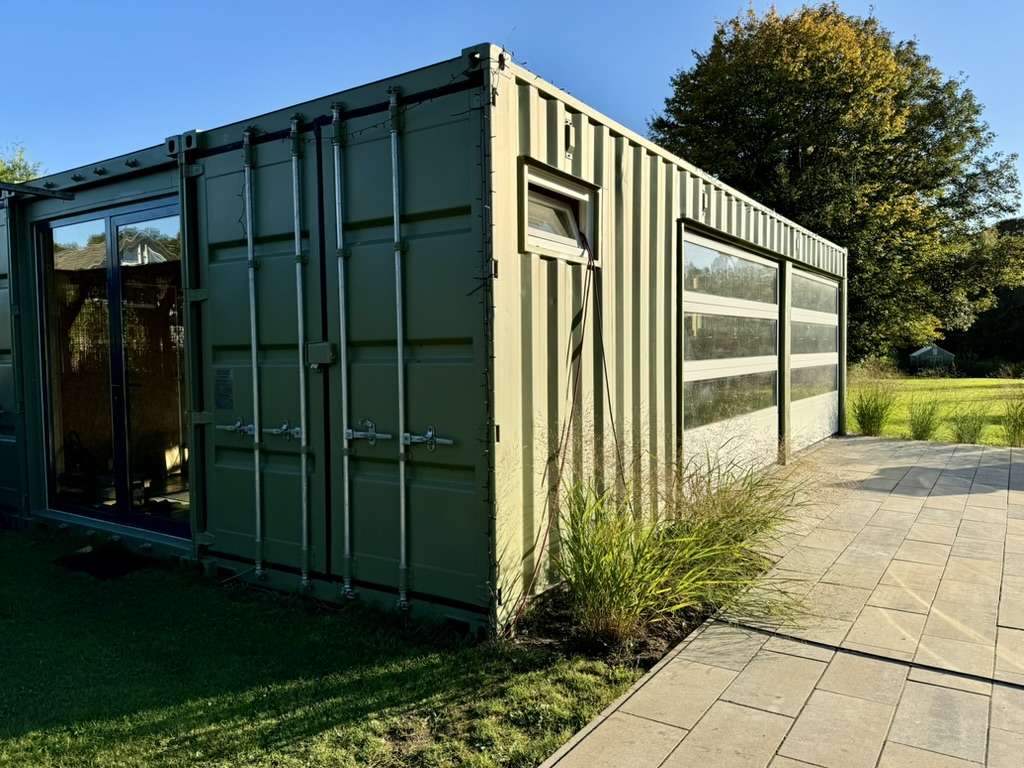
Conex boxes have become a popular building block for homes and modular projects. When they are insulated and combined, they form everything from a single conex home to larger cabins, studios and extensions.
4. Shipping and Freight
Why:
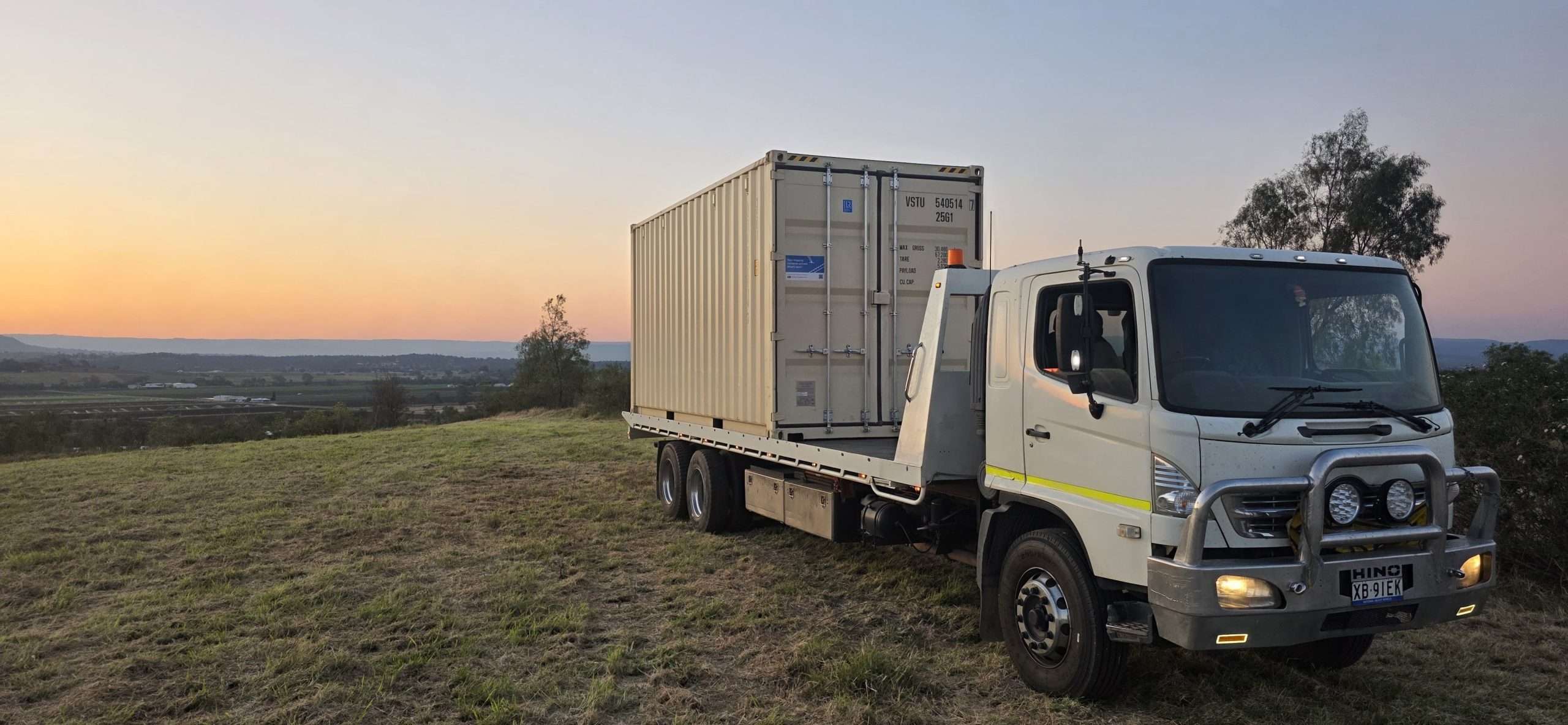
Shipping is the job the conex box was built for. The same steel box moves goods by truck, train and ship, which is exactly why it became the backbone of modern freight. A standard 20ft or 40ft conex box stacks neatly and ships anywhere in the world.
5. Home and Business Storage
Why:
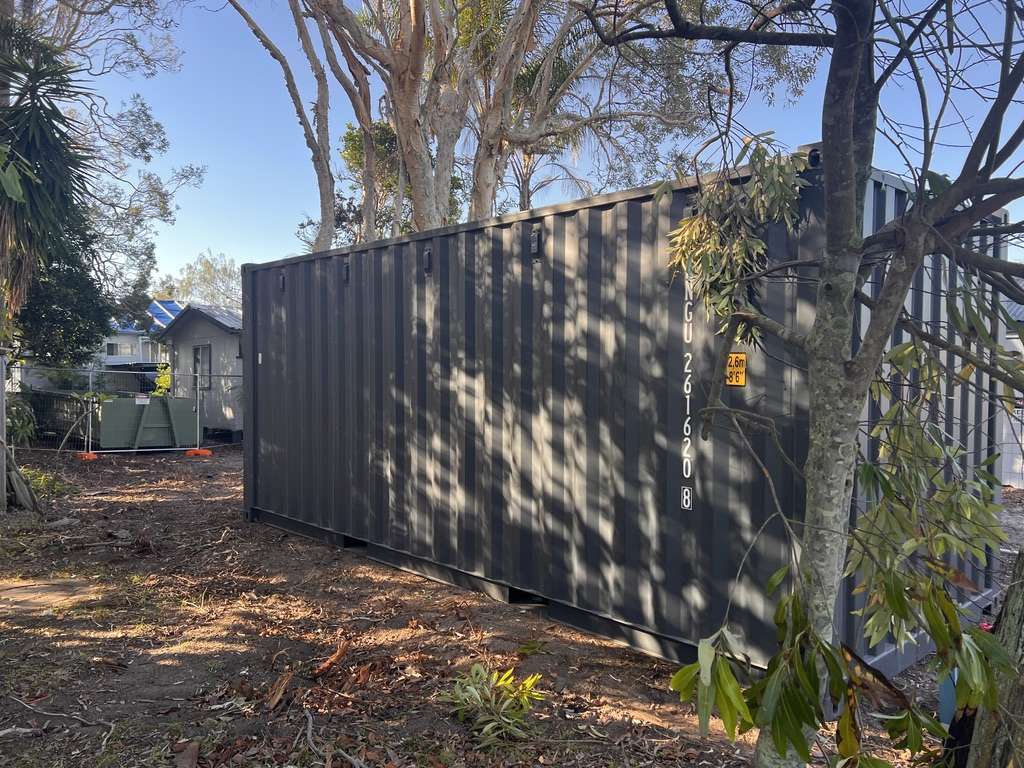
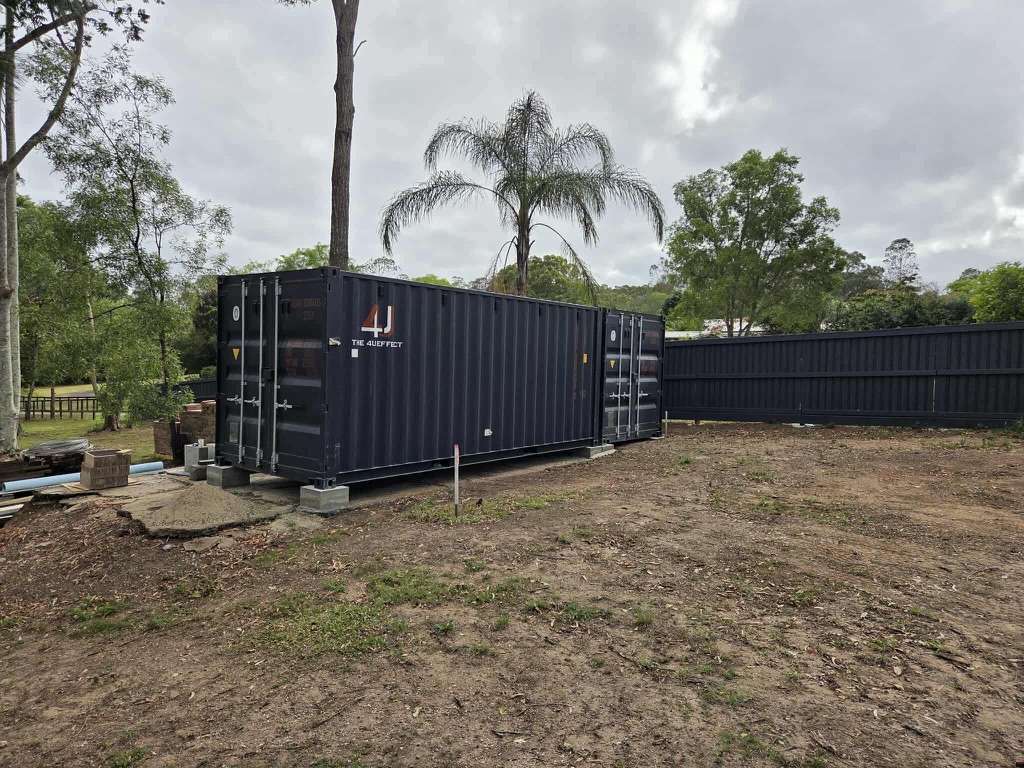
Many people use a conex box for extra storage at home or at a business. It sits in a yard, a driveway or a commercial lot and holds furniture, stock, machinery or seasonal items, which avoids the ongoing cost of renting a storage unit.
How to Buy a Conex Box Near You
shipping-containers.com is a marketplace, not a dealer. Instead of being limited to one company and one price, you send a single request and qualified suppliers in your area respond with their own quotes. Comparing those quotes is free.
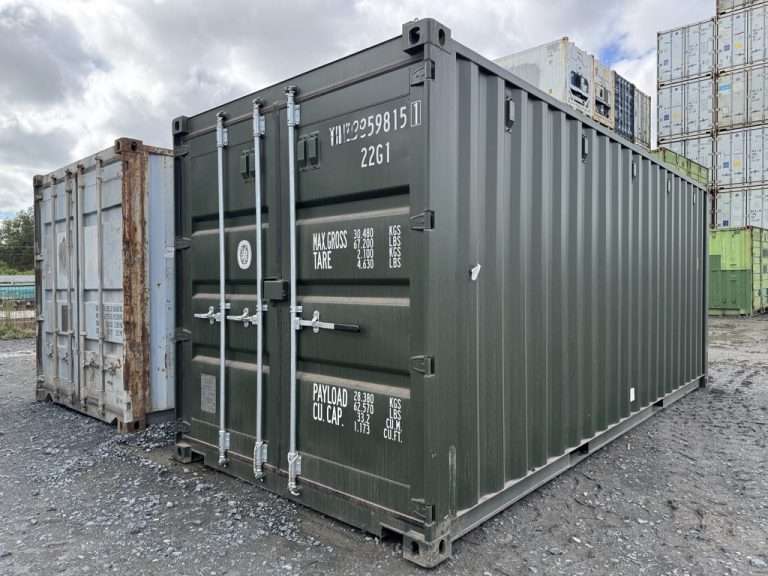
You can buy a conex box new or used. New units are called one-trip boxes, because they are nearly new and have made only a single cargo voyage. Used units are usually graded cargo-worthy or wind and watertight. They cost less and are a good fit for most storage jobs. Tell us the size, the condition and the delivery location, and vetted local suppliers come back to you. You can browse the full range on our shipping containers for sale page, or start a request and get matched with conex box suppliers near you.
Shipping container tips, buyer guides, and market insights from the US market.
Shipping Container Homes in New York: Codes, NYC ADUs and Local Bans
How New York handles shipping container homes: the 2025 Uniform Code, NYC ancillary dwelling units, container laws in Buffalo, Sweden and Coxsackie, Adirondack Park review, septic and modular approval.
Shipping Container Homes in California: Codes, ADUs and City Rules
How California handles shipping container homes: the 2025 state codes, the LADBS conversion bulletin, San Diego rules, state ADU law, HCD approval for factory-built units and counties that allow containers only for storage.
Shipping Container Homes in Washington: Codes, ADUs and L&I Rules
How Washington handles shipping container homes: the 2021 state codes, Pierce, King and Ferndale container rules, the two-ADU state law, the energy code wall U-factor and the L&I factory-assembled program.
Container prices for your city, rule changes in your state, Andy’s newest videos and stock deals when we have them. One email a month, unsubscribe any time.
FAQs
Common questions about conex boxes
01
A conex box is a steel shipping container. In the US, conex is simply the everyday word for the standard 20ft and 40ft shipping containers used for storage, transport and conversions. A conex box and a shipping container are the same thing.
02
The word conex is short for Container Express. The US Army developed the Container Express system in 1952 during the Korean War so it could move supplies more securely. The name stuck, and Americans now use conex box for any shipping container.
03
Yes. For anyone buying or renting one today, the two terms mean exactly the same thing. Our guide on conex box vs shipping container explains the names and where each one is used.
04
The two most common are the 20ft conex box and the 40ft conex box. Both are also available as high cube units with extra height. Smaller and specialty sizes exist, but they are far less common.
05
You can buy them new or used. New boxes are called one-trip units, because they are nearly new after a single cargo voyage. Used boxes usually cost less and are graded cargo-worthy or wind and watertight, which suits most storage jobs.
06
Most conex boxes are made from corten weathering steel. This steel forms a protective surface layer that slows rust and lets the box stay outside for decades.
07
Yes. People regularly convert conex boxes into offices, workshops, pop-up shops and homes. Doors, windows, insulation, power and plumbing can all be added to suit the use. If one unit is not enough, two containers can be bolted together on site, as shown in our guide to joining two shipping containers without welding.
08
The price depends on the size, the condition and grade, the delivery distance, your location and the current market. Prices move with supply and region, so the most accurate way to find out is to request quotes from local suppliers near you.
09
Send one request through the marketplace and vetted local suppliers respond with quotes for free. Tell us the size, the condition and the delivery location, and we will match you with qualified suppliers in your area.
Got questions? Let's talk.
We are here to make finding the right conex box simple. Talk to a real container expert, get straight answers, and request quotes from vetted local suppliers.
Shipping Container Homes in New York: Codes, NYC ADUs and Local Bans
How New York handles shipping container homes: the 2025 Uniform Code, NYC ancillary dwelling units, container laws in Buffalo, Sweden and Coxsackie, Adirondack Park review, septic and modular approval.
Shipping Container Homes in California: Codes, ADUs and City Rules
How California handles shipping container homes: the 2025 state codes, the LADBS conversion bulletin, San Diego rules, state ADU law, HCD approval for factory-built units and counties that allow containers only for storage.
Shipping Container Homes in Washington: Codes, ADUs and L&I Rules
How Washington handles shipping container homes: the 2021 state codes, Pierce, King and Ferndale container rules, the two-ADU state law, the energy code wall U-factor and the L&I factory-assembled program.