Why a shipping container makes a tougher, more secure shed, which size to choose, and how to set it up without heat or condensation problems.
A wood or sheet metal garden shed takes a weekend to build, needs maintenance every few years and keeps out most things, but not everything. A shipping container arrives in one piece, is ready to use the day it lands and is built from steel designed to survive years at sea.
That is why more homeowners, farmers and small businesses across the US use containers as sheds. This guide covers the sizes, the best shed ideas, how to set one up and how to avoid the two classic problems: heat and condensation.
Key takeaways
A container shed arrives assembled and is ready to lock and use on delivery day.
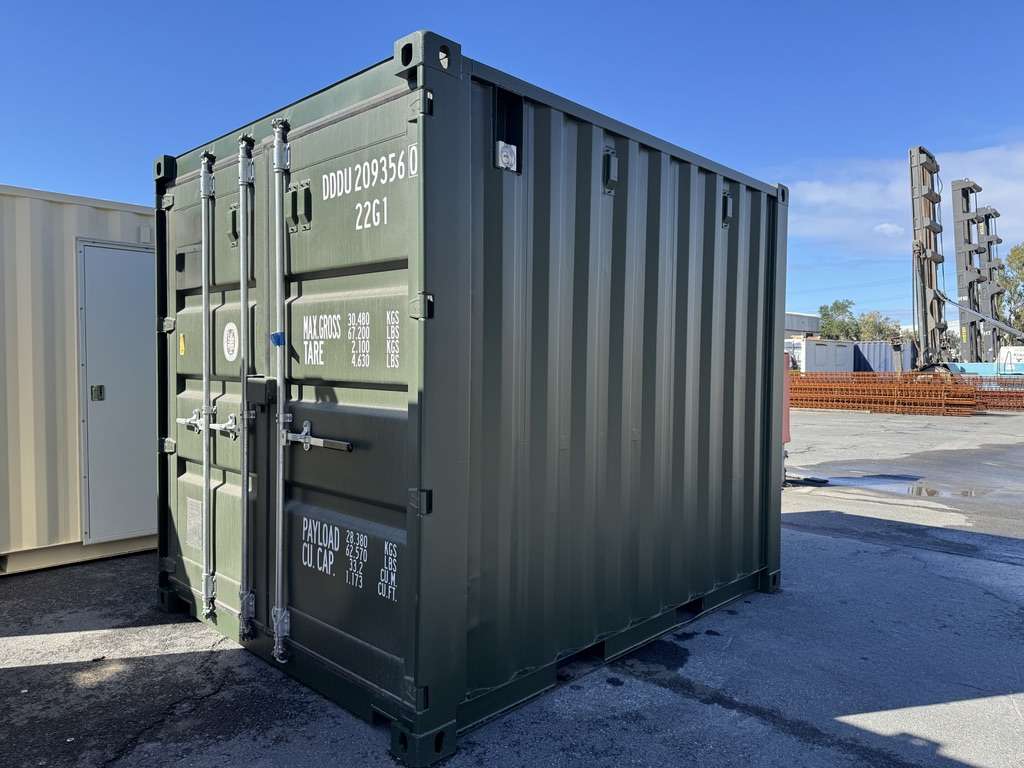
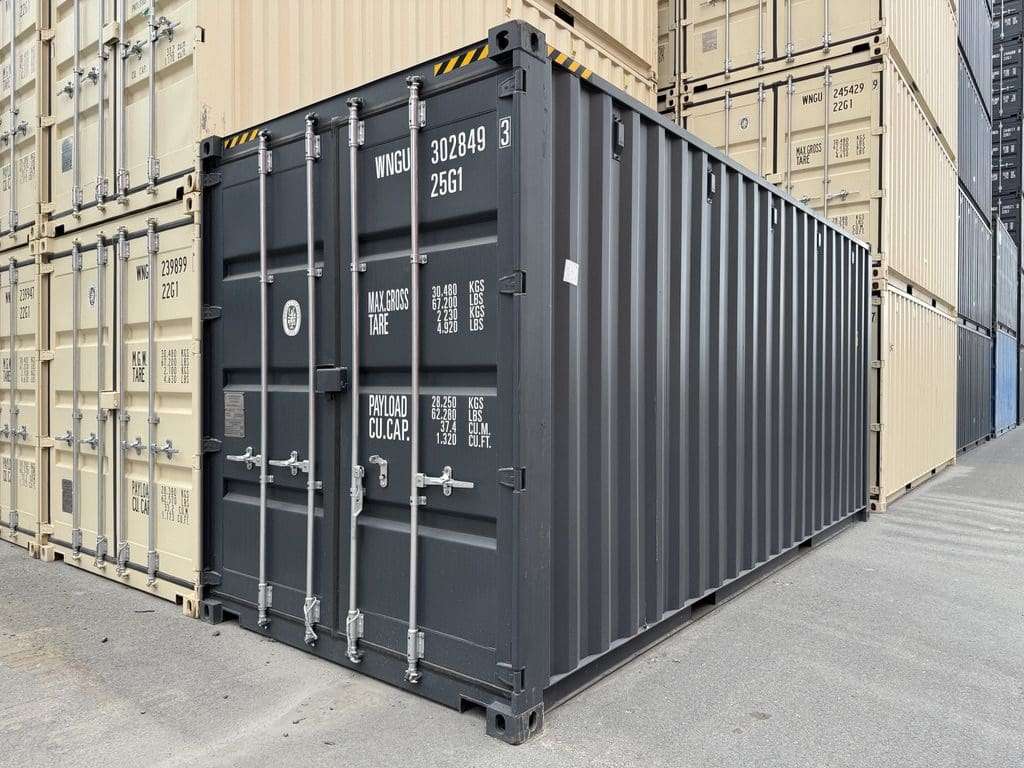
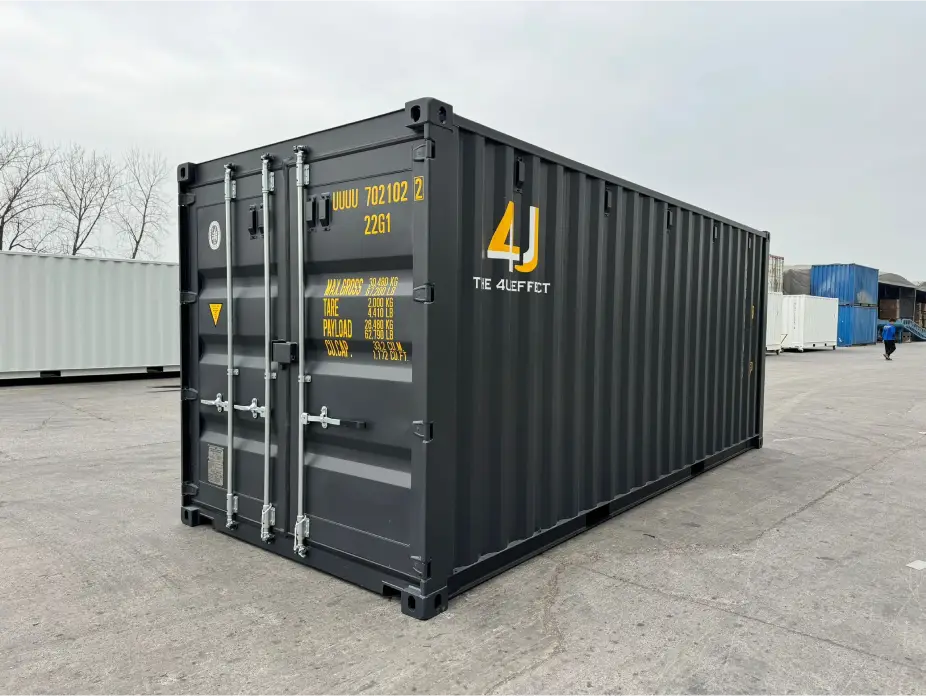
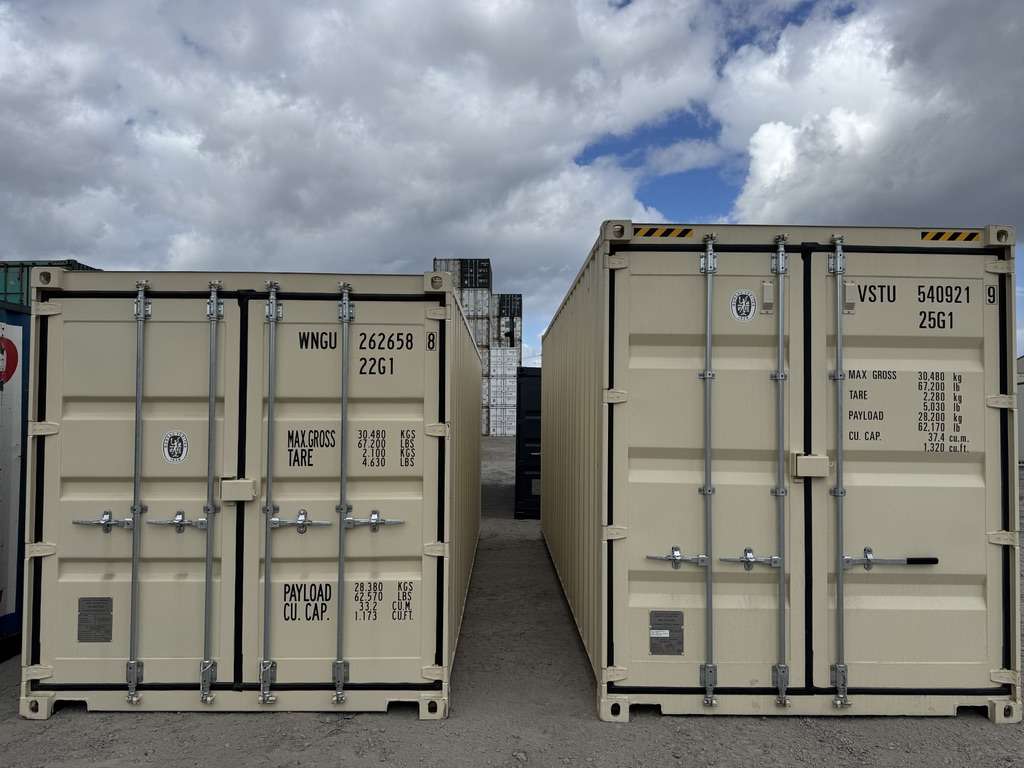
8ft and 10ft containers suit small yards, 20ft is the most popular shed size, and 40ft works for farms and large equipment.
Steel walls and lockable doors make a container more secure and pest-resistant than most garden sheds.
Plan the base, the delivery access and any permit or HOA rules before you order.
Shelving, lighting, vents and a lockbox turn a plain container into a practical shed.
Do you need a permit for a container shed? Andy explains how US zoning and building rules usually treat shipping containers.
Why use a shipping container as a shed?
Ready on day one: no kit, no assembly, no lost weekend.
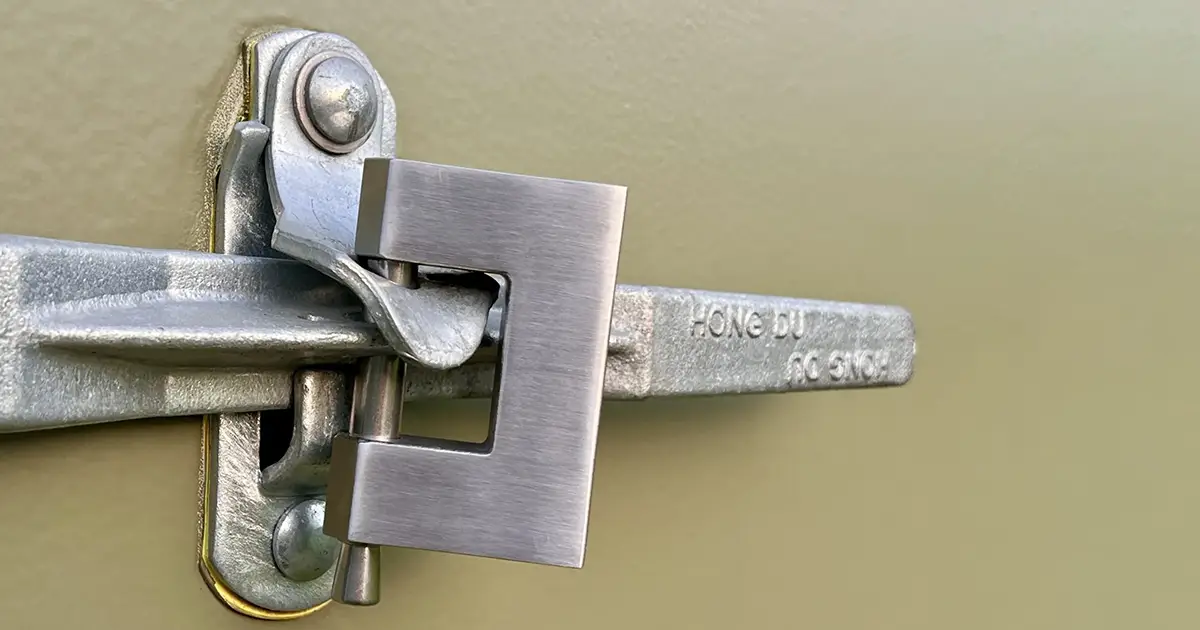
Secure: heavy steel doors with locking bars, and a lockbox protects the padlock from bolt cutters.
Weatherproof and pest-resistant: a wind and watertight steel box keeps out rain, rodents and insects far better than a timber shed.
Durable: corten steel and a thick hardwood or bamboo plywood floor are made for heavy loads and rough handling.
Movable: if you move, your shed can move with you.
The trade-offs: a container is heavy, needs truck access for delivery and gets hot or sweats without ventilation. All three are easy to plan for, and we cover them below.
Farm equipment, feed, large vehicles, business stock
Needs a larger site and longer delivery access
High cube versions add about a foot of height, which helps with tall shelving and equipment. For exact measurements, see the shipping container dimensions guide. Our guide to shipping container sizes helps you choose between them.
Container shed ideas
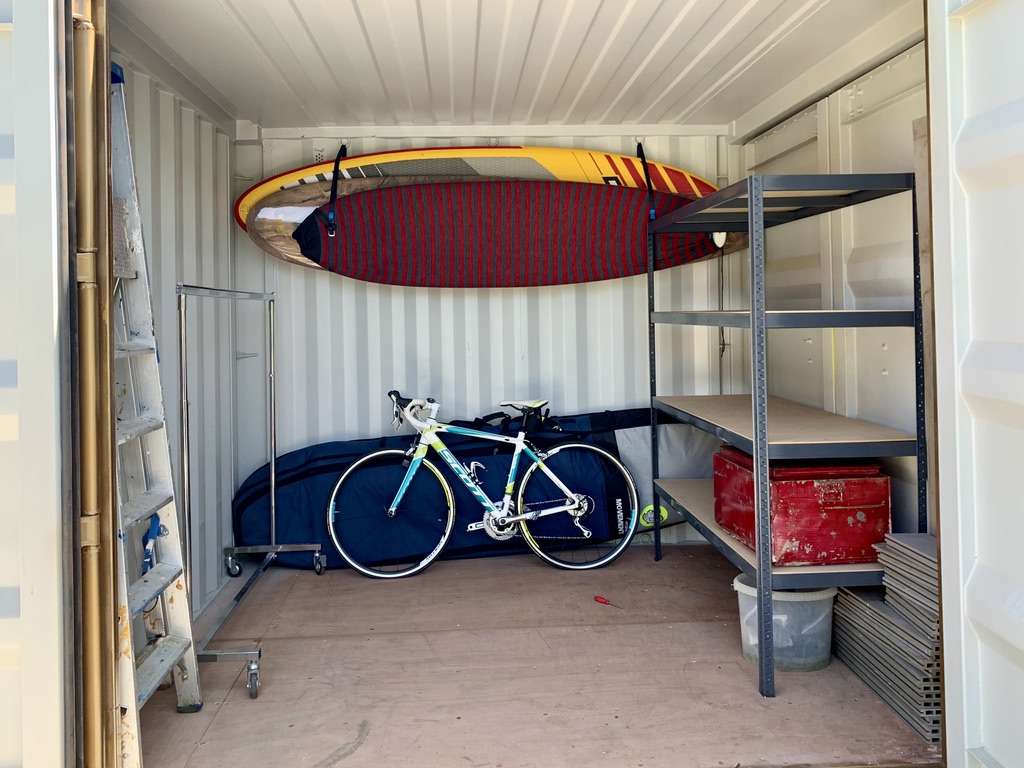
Tool and garden shed
The simplest setup: shelving down both walls, hooks for long-handled tools and a ramp for the mower or wheelbarrow. Our list of container accessories covers the upgrades that make the biggest difference.
Backyard workshop
A 20ft container fits a workbench along one wall, tool storage along the other and room to work in between. Add lighting, outlets and a vent, and it becomes a year-round workspace. See our workshop container project for a real example.
Garage for cars, bikes and boats
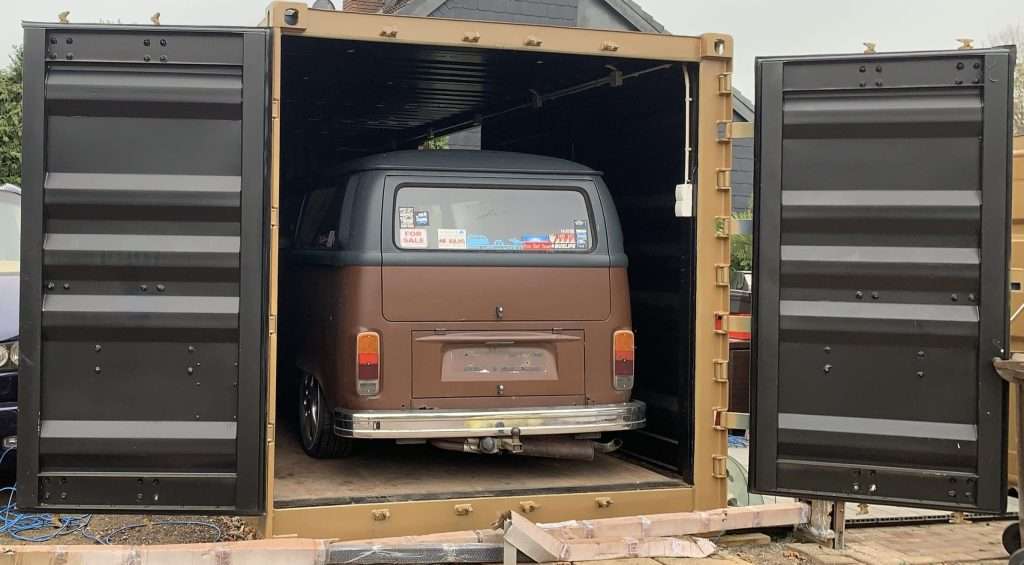
At about 7ft 8in wide inside, a 20ft container takes most compact cars, motorcycles and small boats. One owner turned a side door container into a garage for a classic VW camper, and an open side container makes parking much easier. Sizes for cars and trucks, door options and double garages are covered in our guide to the shipping container garage.
Farm and ranch storage
On rural properties, 40ft containers store feed, fertilizer, tools and machinery, and two of them with a roof in between create a covered barn. See how that works in our farm storage project.
Hobby room or studio
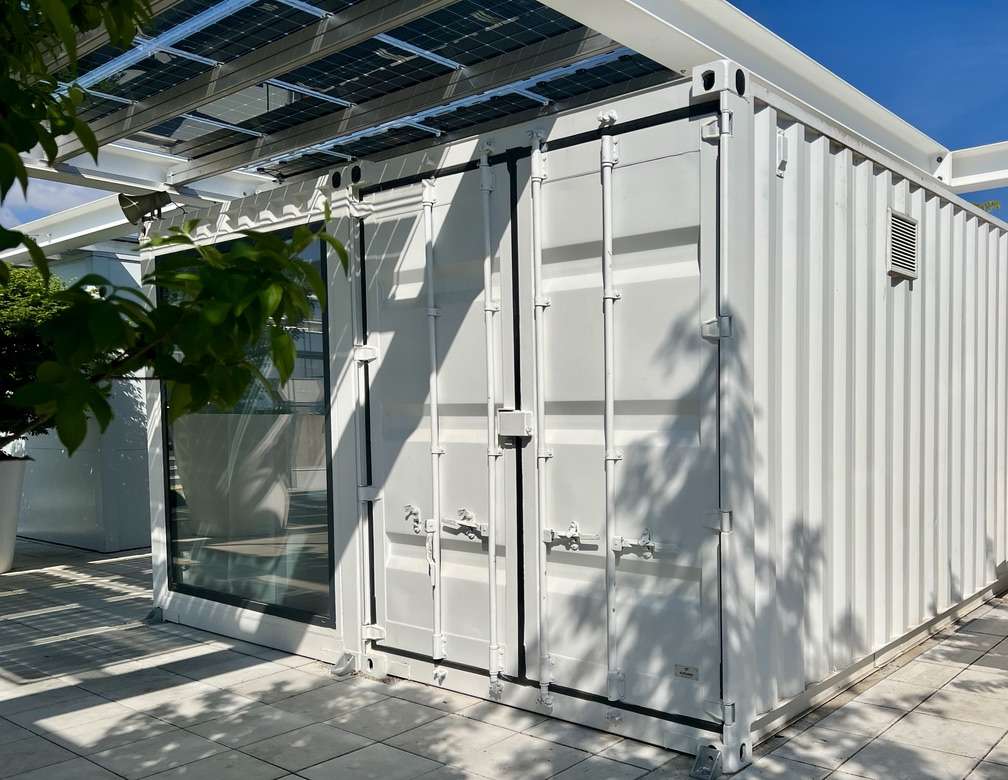
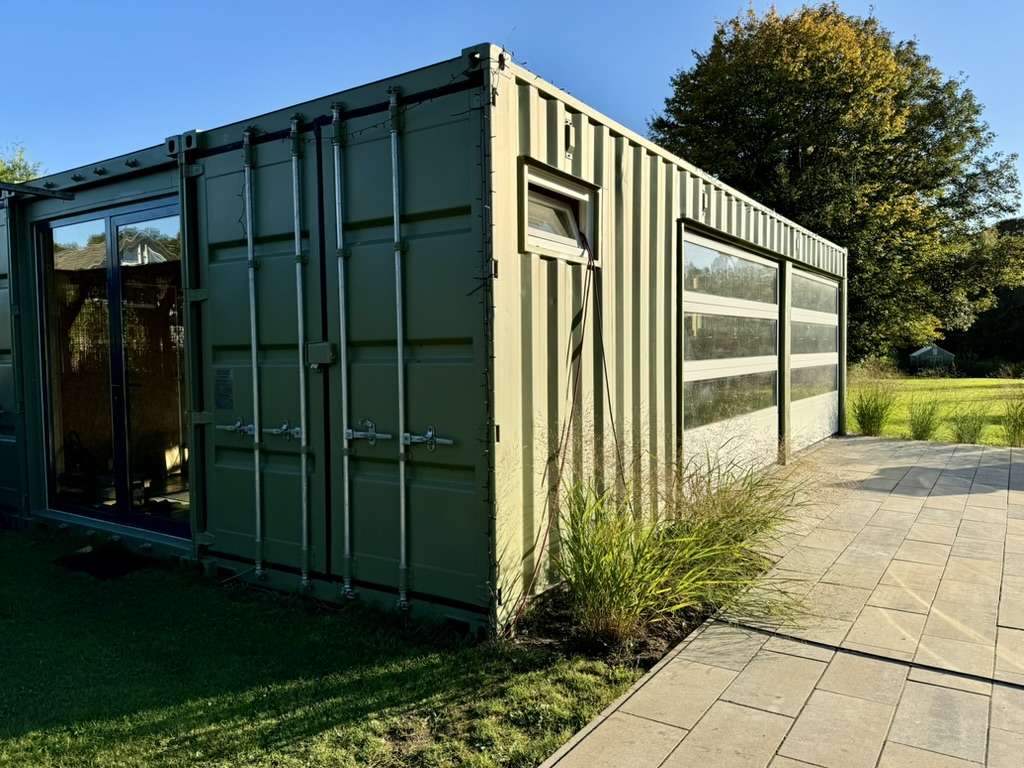
Insulated and fitted with windows, a container becomes a craft room, music room or home office. Our guide to the shipping container office covers the fit-out. For a full conversion into living space, see our guide to shipping container homes.
Setting up a shipping container shed
1. Check zoning and HOA rules
Many cities, counties and HOAs regulate accessory structures: size, setbacks from property lines and sometimes appearance. Some treat a container on blocks as temporary, others as a permanent accessory building. A short call to your local planning office before you order saves trouble later.
2. Choose new or used
A used wind and watertight container is the budget choice for most sheds. A new one-trip container looks better in a visible spot and comes in more colors. Compare the grades in our guide to used shipping containers.
3. Prepare a level base
Set the container on solid blocks, timbers or a gravel pad so it sits level and off the ground. Our shipping container foundation guide compares the options.
4. Plan the delivery
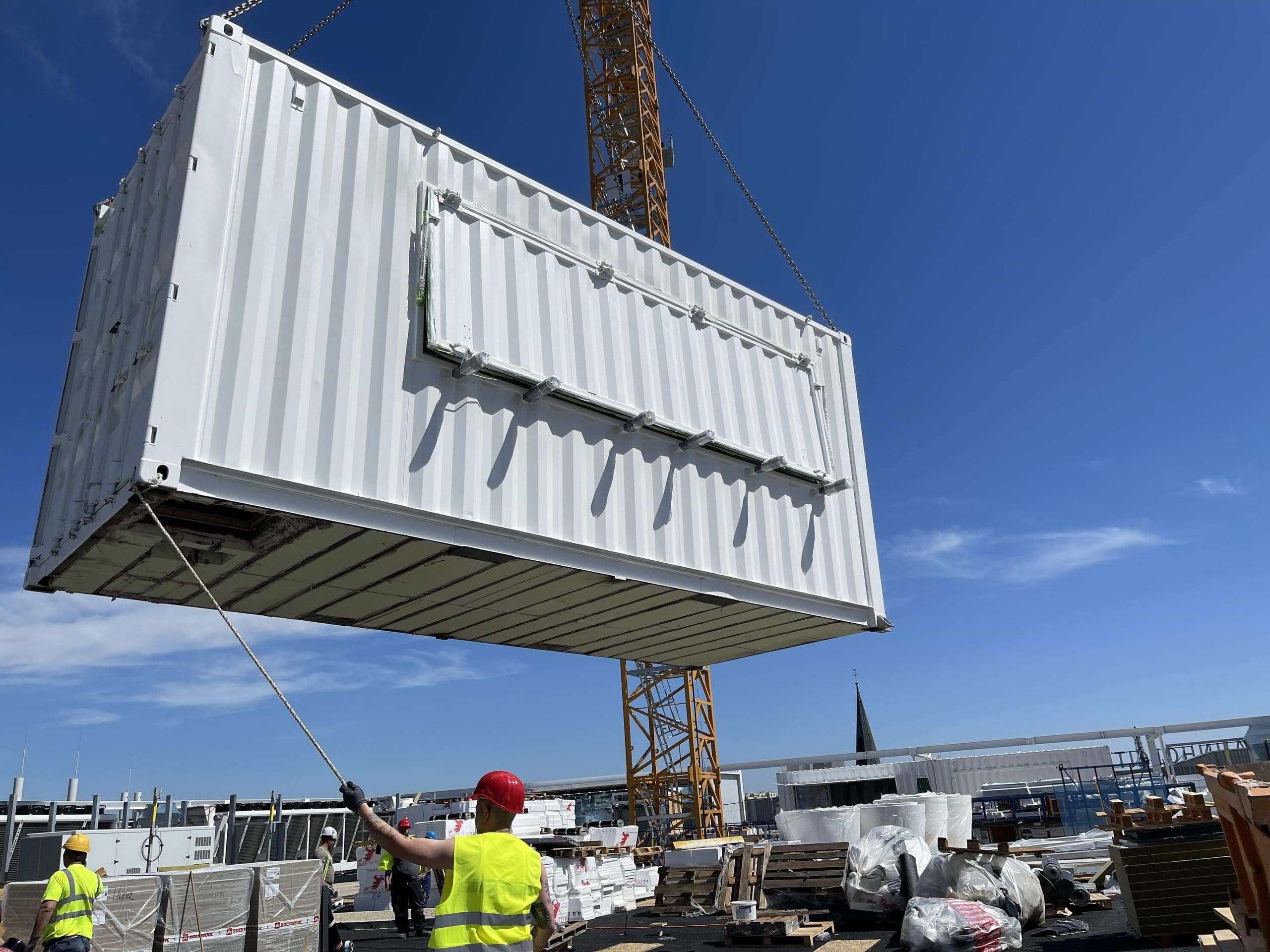
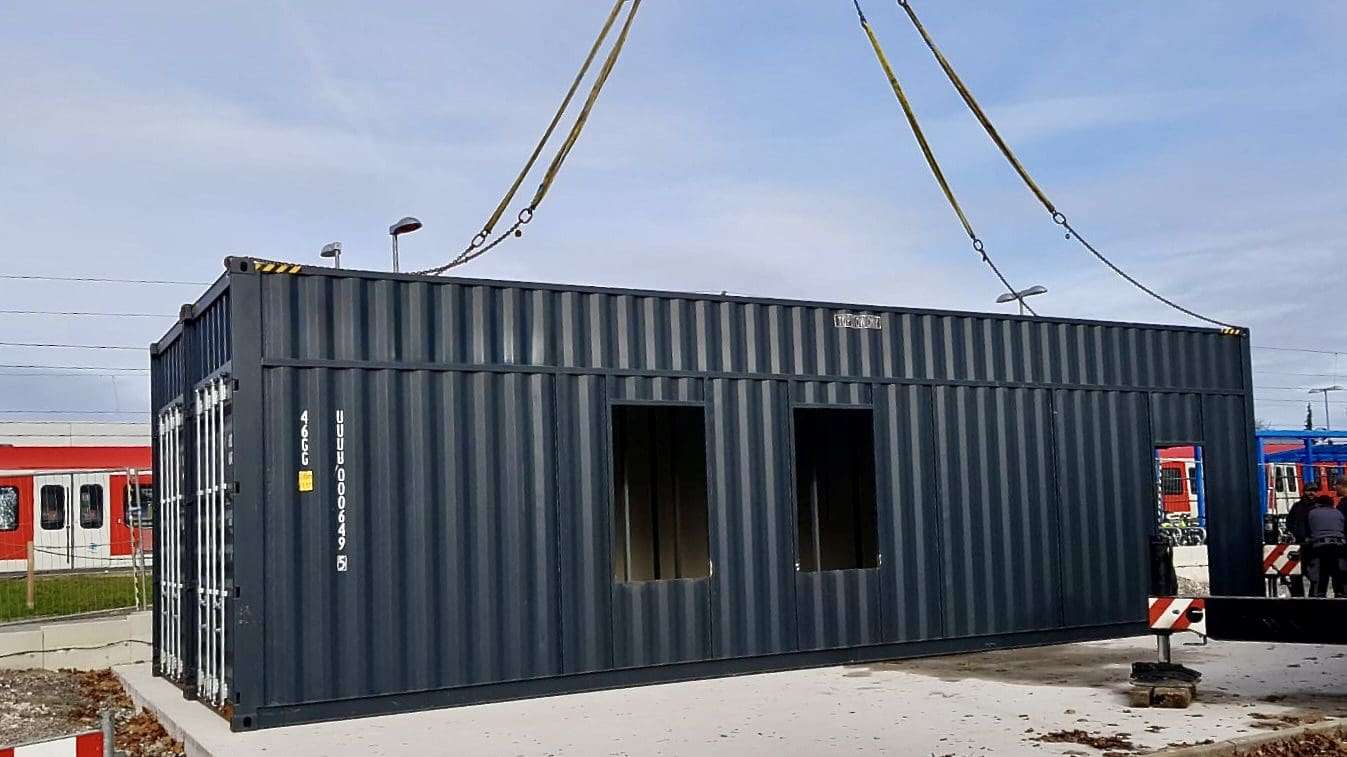
A tilt bed truck needs about 60 feet of straight access for a 20ft container. Check the route and the drop spot before you order. Here is how shipping container delivery works.
5. Fit it out
Shelving, a workbench, LED lighting (wired or solar), vents, a lockbox and a ramp for wheeled equipment cover most needs. A modification partner can add a personnel door or a roll-up door if you use the shed every day.
Avoiding heat and condensation
Steel heats up in the sun and cools quickly at night. When warm, moist air inside meets a cold steel roof, it condenses and drips. For a shed holding tools, paper or anything that can rust or mold, that matters.
Add vents: at least two passive vents at opposite ends keep air moving.
Shade or paint the roof: a light color or some shade keeps the inside much cooler.
Keep it off the ground so the floor stays dry.
Insulate the roof and walls if you store sensitive items or spend time inside. Closed-cell spray foam is the most effective against condensation.
Use moisture absorbers or a small dehumidifier for valuable items.
What does a container shed cost?
The total comes from four things: the container itself (size and grade), delivery to your site, the base and any modifications. A used 20ft wind and watertight container is usually the best value per square foot of storage, while a new container costs more but looks better in a front yard. See shipping container prices for current ranges and shipping container cost for everything that makes up the total.
Frequently asked questions
Do I need a permit for a shipping container shed?
It depends on your city or county. Some allow a container on blocks as an accessory structure without a building permit, others require one, and many HOAs have their own rules. Check with your local planning office before delivery.
Is a container shed better than a wood shed?
For security, durability and pest resistance, usually yes. A wood shed is easier to customize and blends in more easily in some neighborhoods.
Can I paint a shipping container shed?
Yes. Clean it, treat any rust spots and use a direct-to-metal or marine-grade paint. A container painted to match the house or garden is often easier to get past an HOA.
How do I stop a container shed from sweating?
Ventilation first, then a dry base off the ground. If condensation is still a problem, insulate the roof and walls or run a small dehumidifier.
shipping-containers.com is an independent platform, not a dealer. Tell us your ZIP code, the container you need and a few details about your site once, and vetted local suppliers respond with delivered prices. One request, multiple quotes, no fees.
Container prices for your city, rule changes in your state, Andy’s newest videos and stock deals when we have them. One email a month, unsubscribe any time.
Andreas Atrott is the founder of CUBX - shipping-containers.com and its sister sites shipping-containers.com.au in Australia and containerbasis.de in Germany. He has spent more than 15 years in the container industry, across sales, modifications, and custom builds, and shares what he has learned on his YouTube channel, Andy Knows Containers. That practical experience shapes how the platform helps US buyers match the right container to their project.
A shipping container is the ultimate blank canvas. The design is clever, but at its core a container is a big steel box you can adapt almost any way you...
A standard shipping container, but taller: the premise behind ‘high cube’ units might be simple, but it makes this type of container particularly well suited to a range of applications....
Shipping containers are good for far more than moving freight across oceans. With the right accessories, you can turn a plain steel box into a storage unit, a site office,...
February 17, 2026
About Us
shipping-containers.com is an independent platform that makes buying a shipping container simple and transparent. Tell us what you need once, and vetted local suppliers across the US send you their quotes. One request, multiple quotes, no fees.
Got questions? Let’s chat.
We are here to make container buying simple. Talk to a real expert, get advice, and find your perfect fit, fast.
Hi, I'm Andy. 15+ years in containers. How can I help?
Shipping Container Homes in New York: Codes, NYC ADUs and Local Bans
How New York handles shipping container homes: the 2025 Uniform Code, NYC ancillary dwelling units, container laws in Buffalo, Sweden and Coxsackie, Adirondack Park review, septic and modular approval.
Shipping Container Homes in California: Codes, ADUs and City Rules
How California handles shipping container homes: the 2025 state codes, the LADBS conversion bulletin, San Diego rules, state ADU law, HCD approval for factory-built units and counties that allow containers only for storage.
Shipping Container Homes in Washington: Codes, ADUs and L&I Rules
How Washington handles shipping container homes: the 2021 state codes, Pierce, King and Ferndale container rules, the two-ADU state law, the energy code wall U-factor and the L&I factory-assembled program.