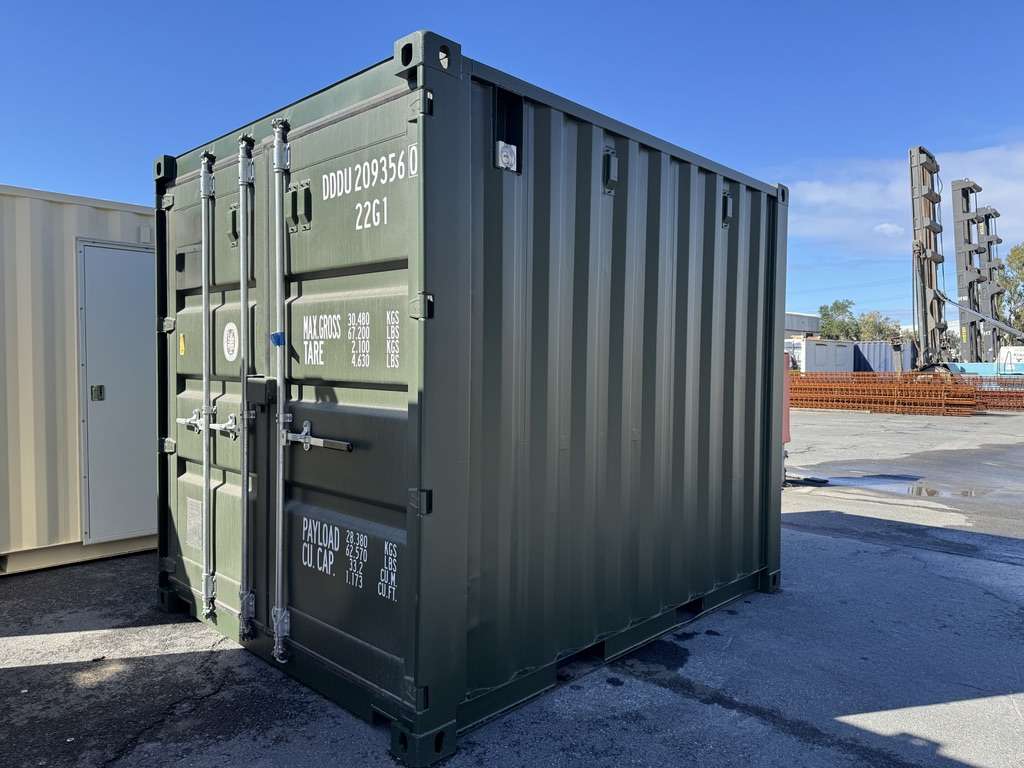
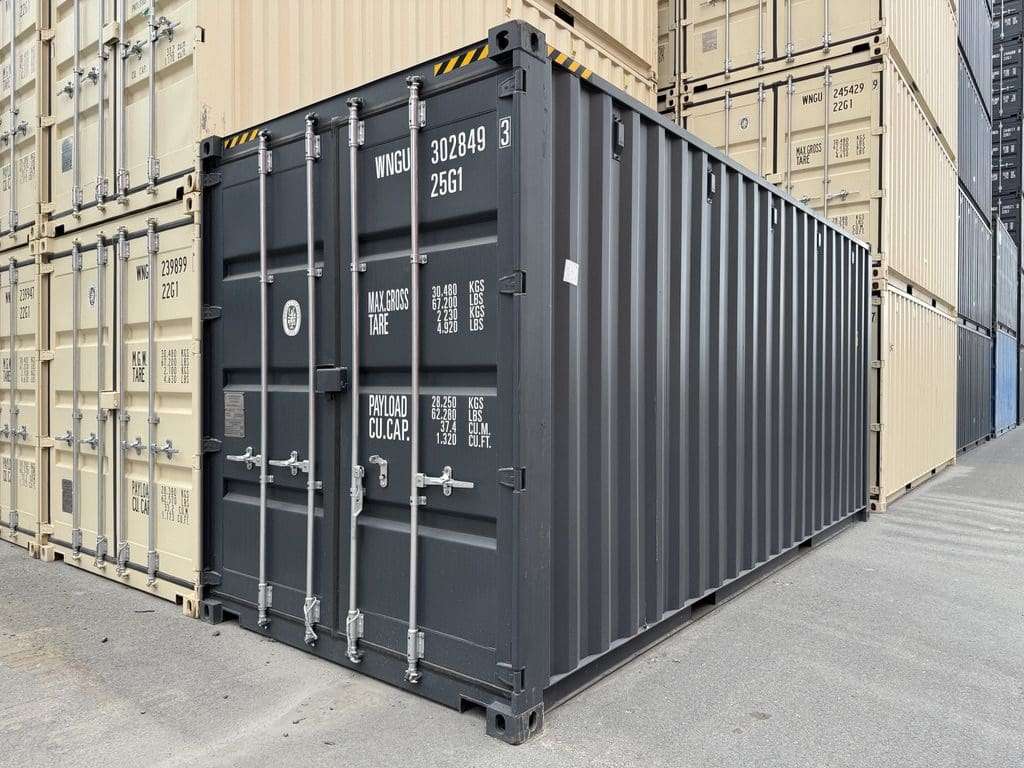
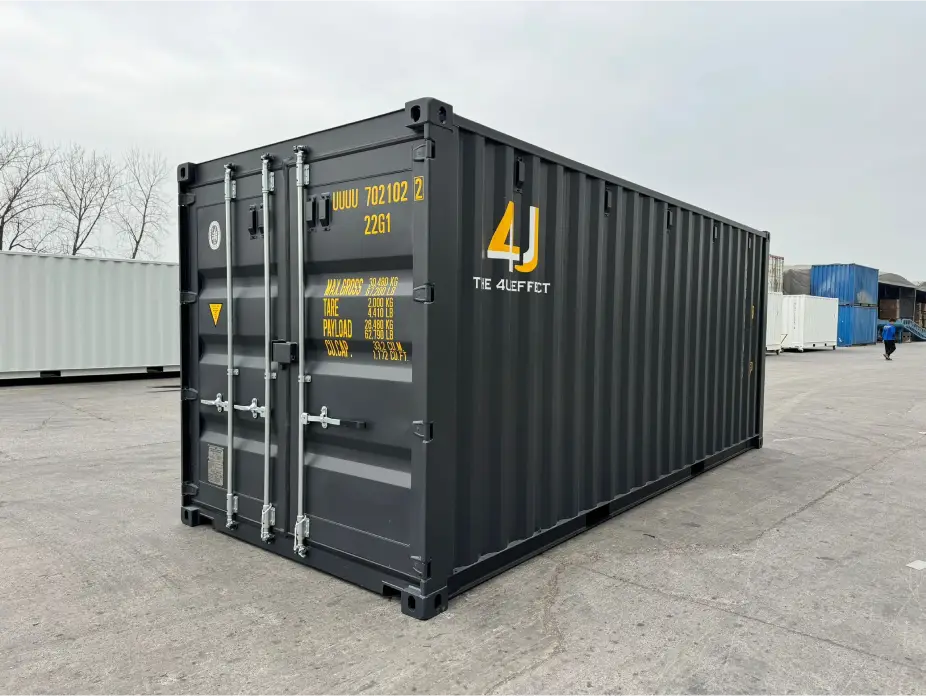
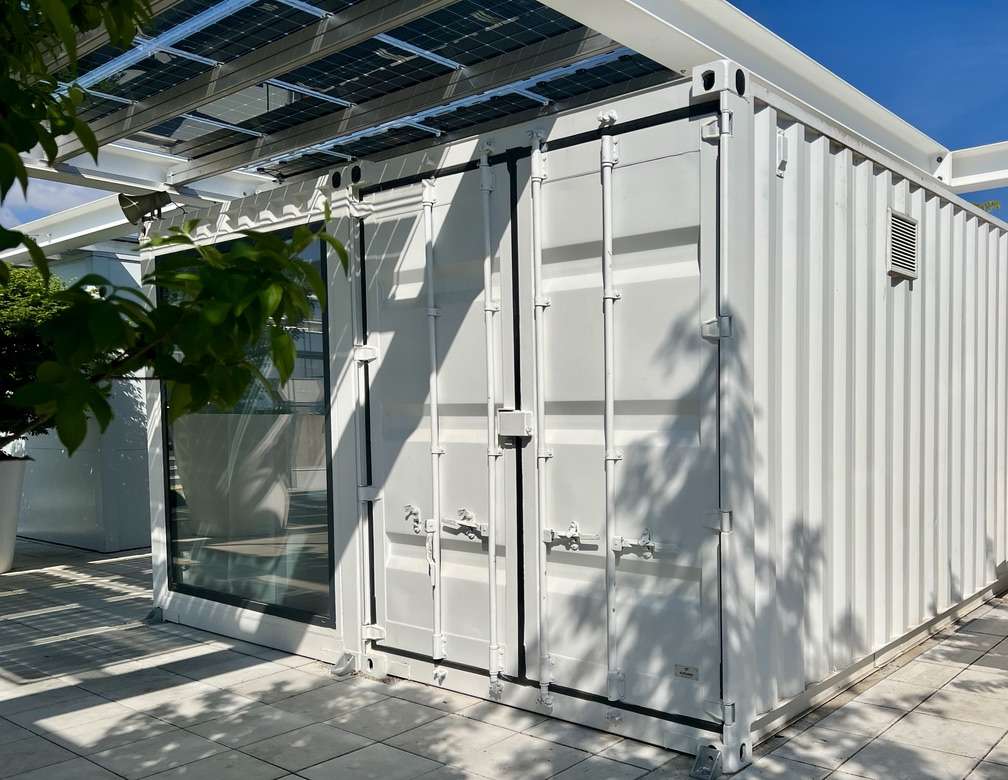
How to use a shipping container as a garage: which size fits a car or a truck, door options, double garages with a roof between two containers, floor, ventilation, security and permits.
A shipping container makes a solid, lockable garage that can be delivered in one piece and used the same day. It keeps cars, motorcycles, boats and tools dry and out of sight, and it moves with you if you sell the property.
This guide covers which container fits your vehicle, the door options, double garages with a roof between two containers, the floor and ramp, ventilation and security, permits and costs.
Key takeaways
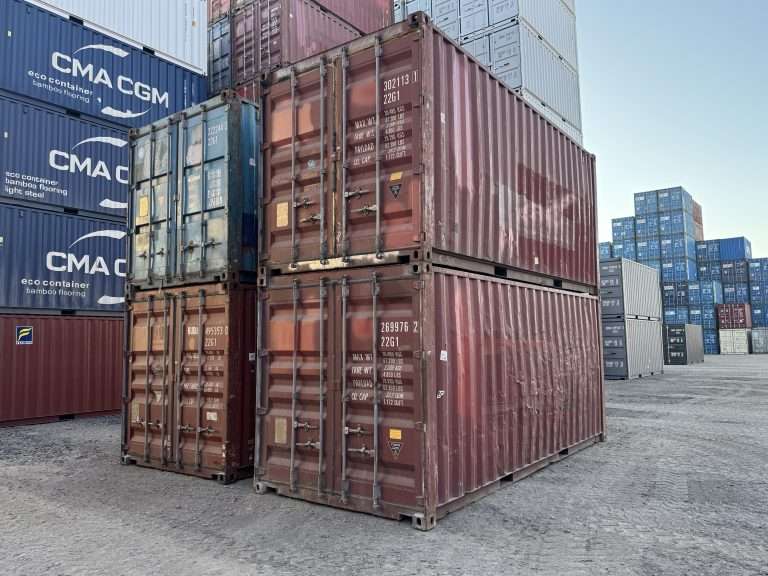
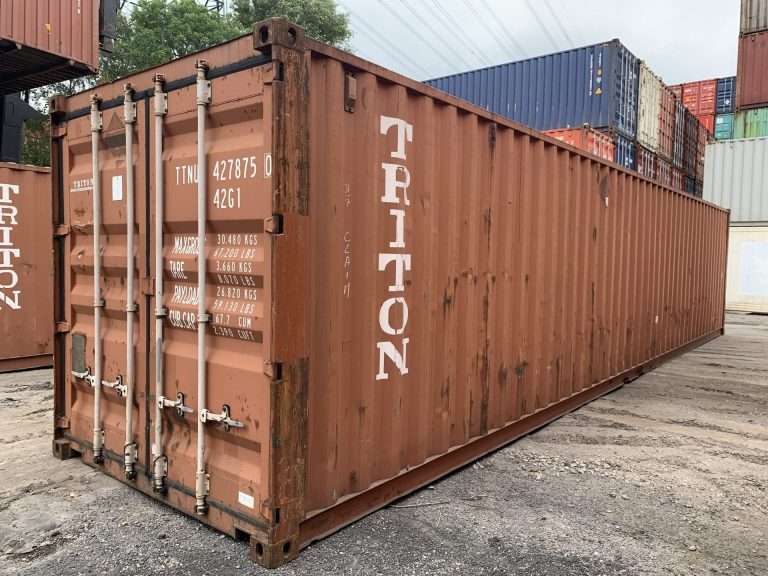
A 20ft container fits a compact or midsize car. Full-size SUVs and pickups need a 40ft.
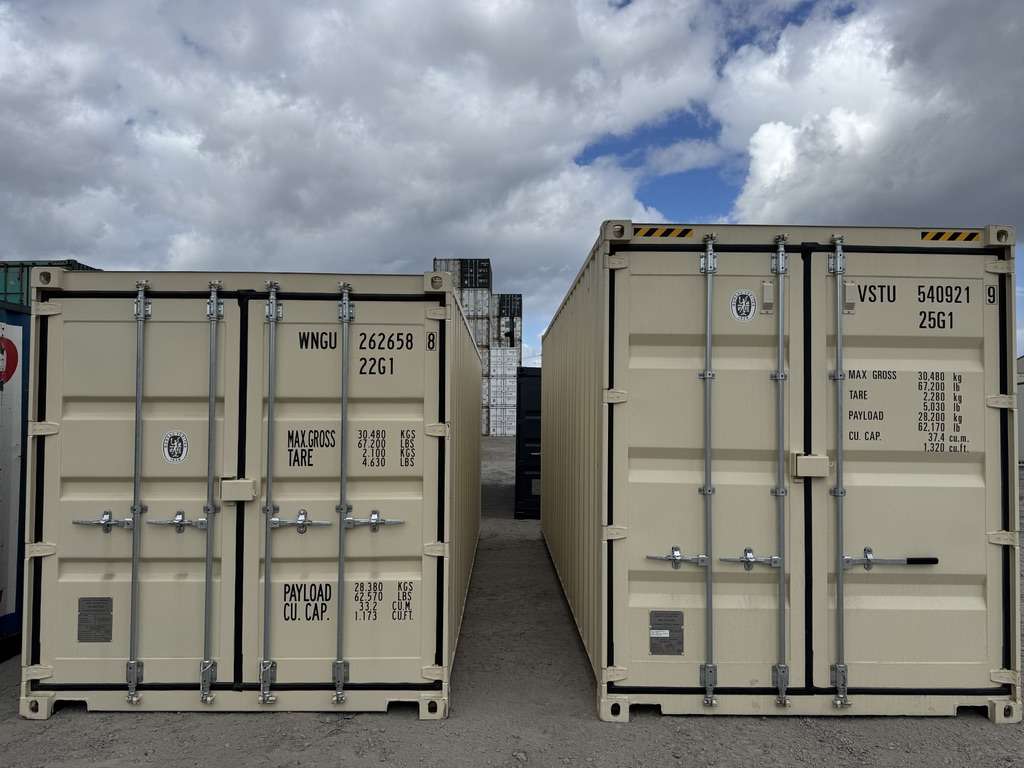
The standard door opening is about 7ft 8in wide and 7ft 6in high, so measure your vehicle with the mirrors folded.
Two containers with a roof between them make a covered double garage with storage on both sides.
Container floors are built for forklifts, so a car is no problem. Plan a short ramp to the doors.
Never run an engine inside, and add vents to keep moisture down.
Andy turns a rotten carport into a container gym, garage and workshop, from the foundation to the finished build.
Which size fits your vehicle?
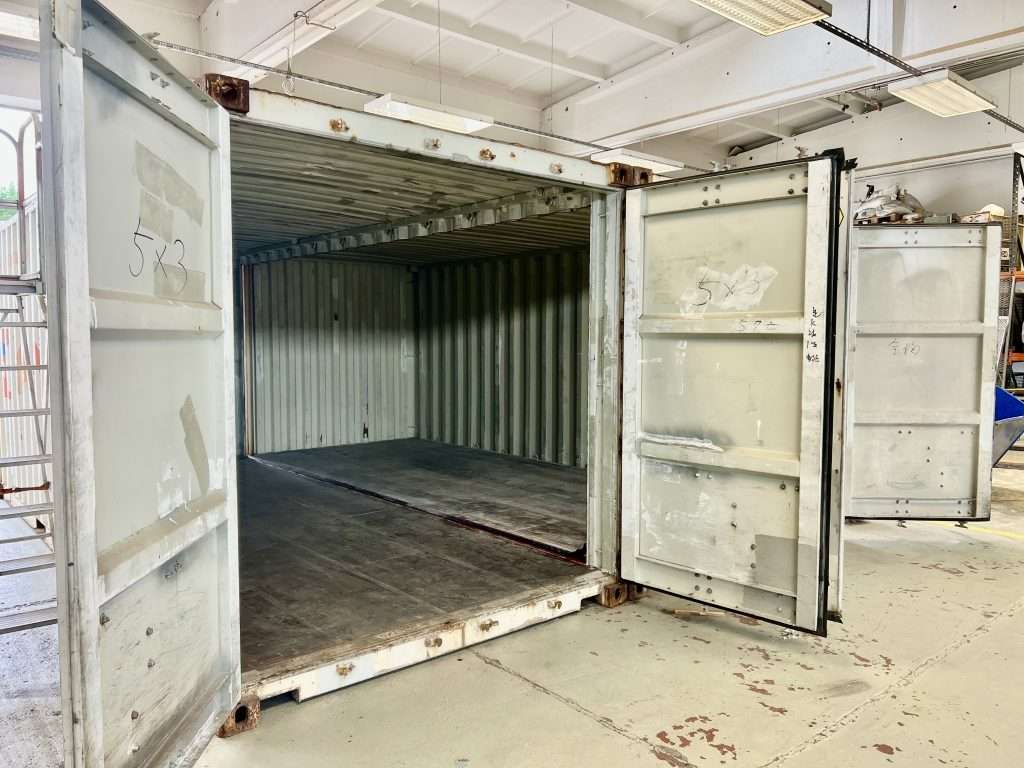
Inside, a standard container is about 7ft 8in wide. A 20ft is about 19ft 4in long inside, a 40ft about 39ft 5in. The cargo doors open to about 7ft 8in wide and 7ft 6in high.
Vehicle
Typical length
Container
Compact or midsize car
about 15 to 16 ft
20ft fits, with little room to open the car doors
Full-size SUV
about 17 to 19 ft
20ft is very tight, a 40ft is the better choice
Full-size pickup
close to or over 20 ft
40ft
Motorcycles, ATVs, lawn tractors
small
10ft or 20ft
Boat on a trailer
depends on the boat
Usually a 40ft. Check the width and the height on the trailer
Width is the real limit. Measure the vehicle with the mirrors folded and leave room to get out. A 40ft container also leaves space for a workbench and storage behind the car. Our guide to shipping container sizes compares all sizes.
Door options
Standard cargo doors at one end, the cheapest option. Both doors have to swing fully open, so leave room in front.
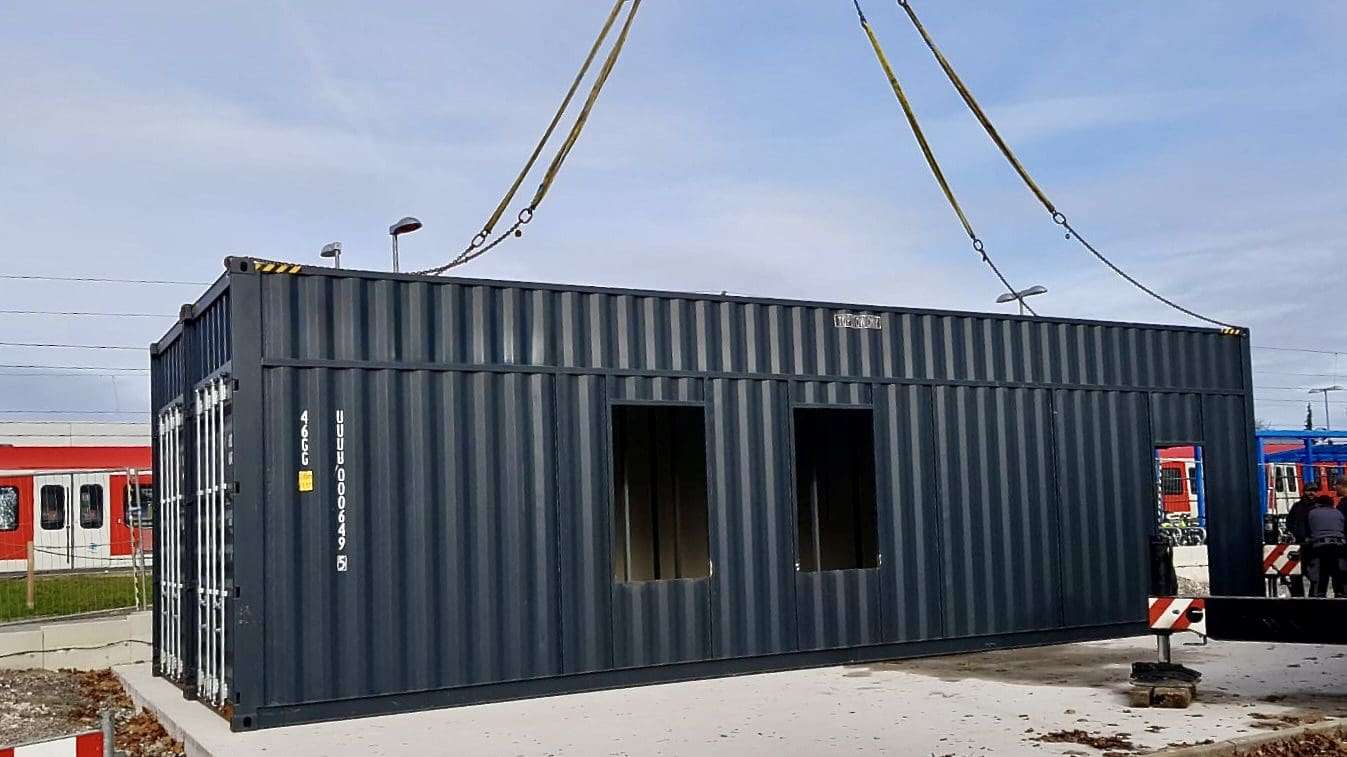
A roll-up door cut into the end or the side wall. The opening needs a welded steel frame, and installed doors typically cost about $1,500 to $3,500.
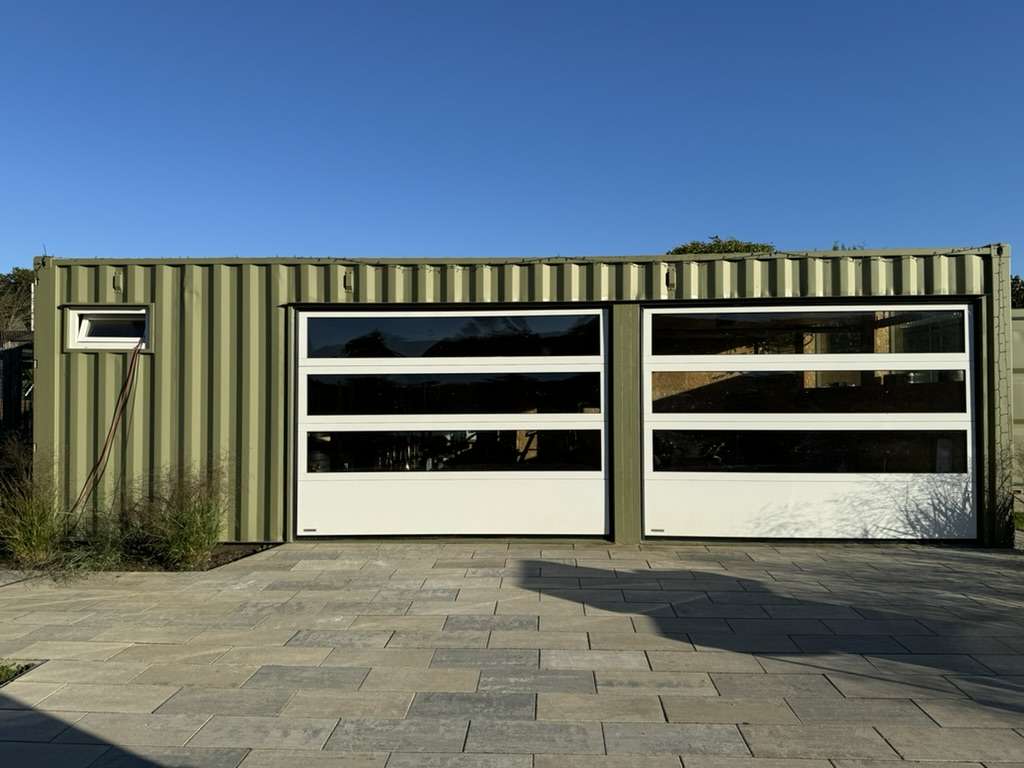
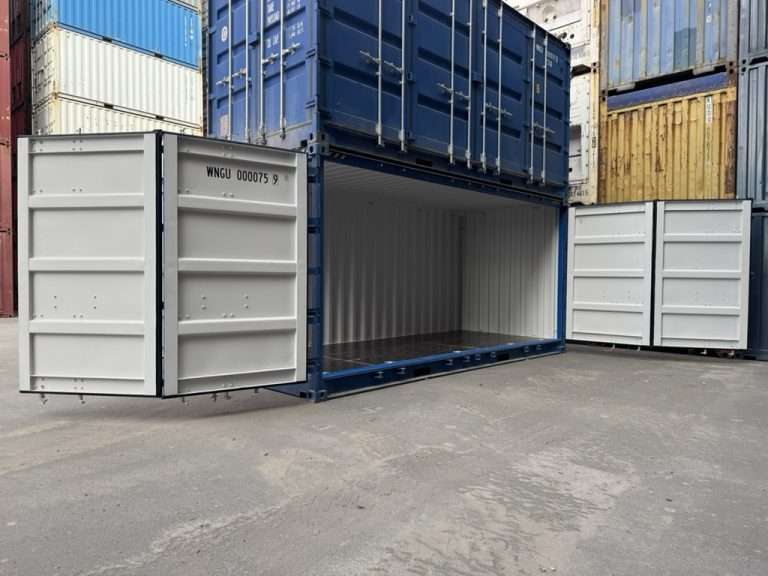
An open side container with doors along the full length, so you can drive in from the side.
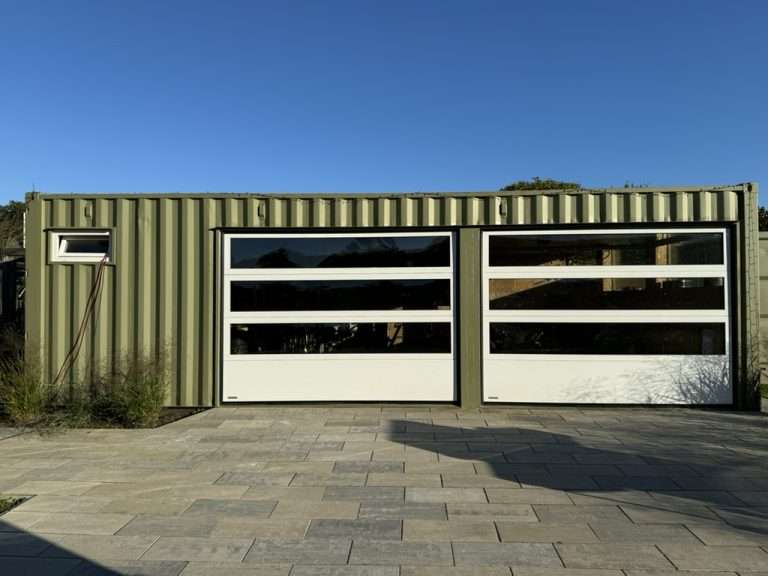
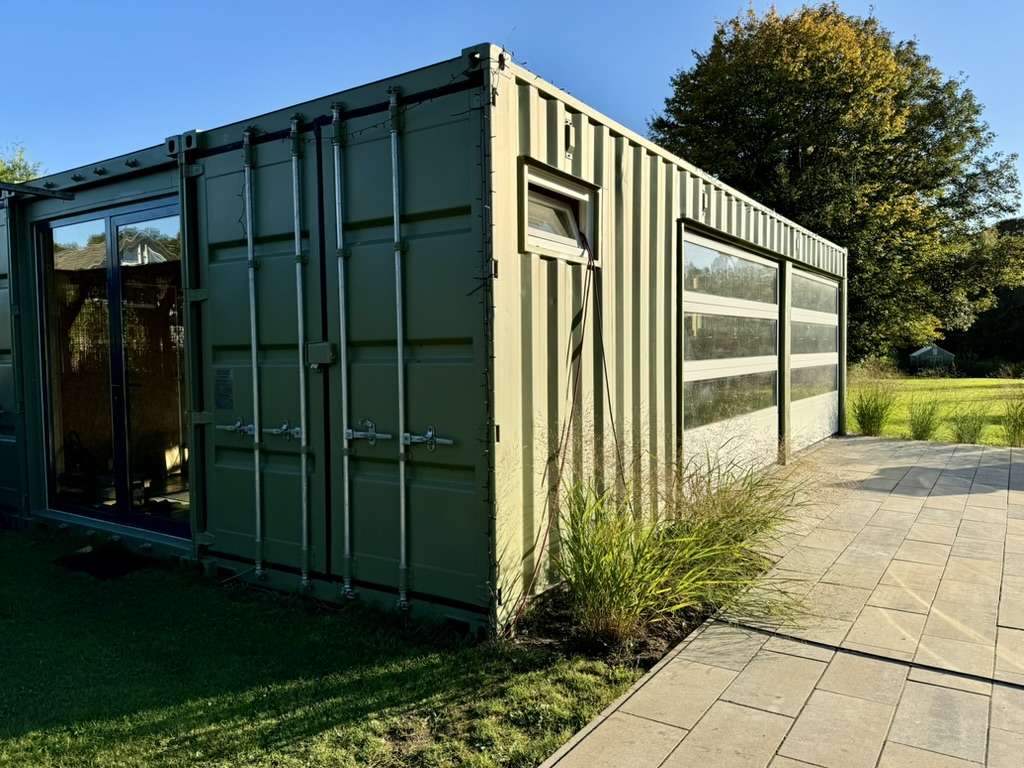
A personnel door next to the cargo doors, so you do not have to open the big doors every time.
Double garage: two containers with a roof
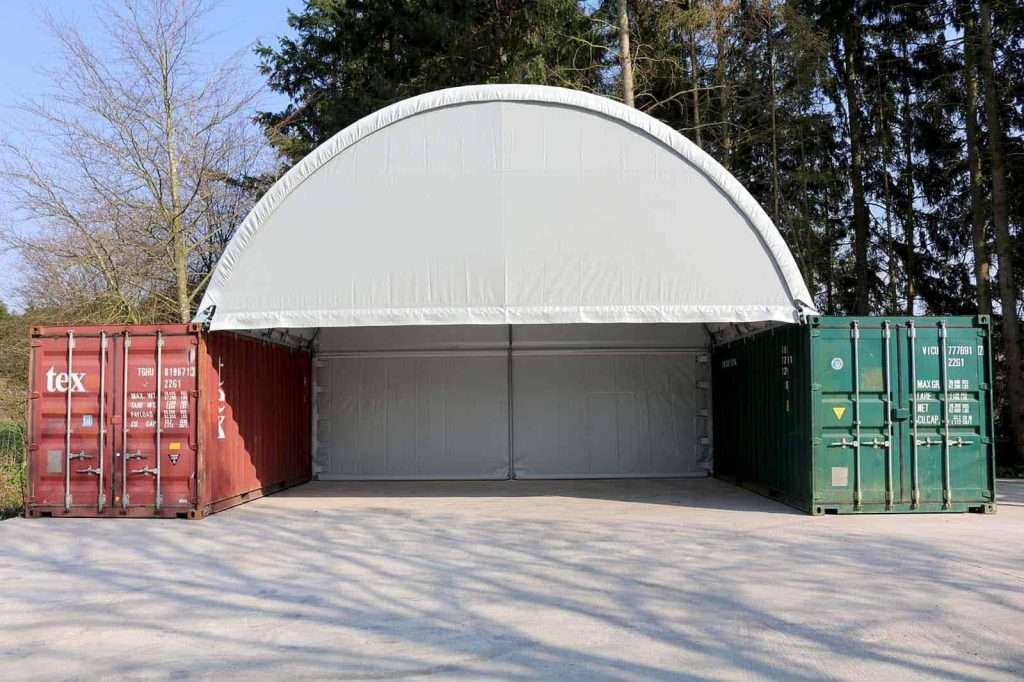
Two 40ft containers placed parallel, 12 to 16 feet apart, with a roof between them create a covered double carport or garage with lockable storage on both sides. The roof can be a steel canopy, an arched cover or a timber truss roof. It has to be engineered for your wind and snow loads and anchored to the containers.
The other option is two containers side by side with the inner walls removed, which gives one room just under 16 feet wide. That needs steel beams where the walls come out. Our guide to joining two shipping containers shows how.
Andy joins two shipping containers into a double wide garage on site, without welding.
Floor, ramp and foundation
Container floors are built to carry forklifts, so the weight of a car is no problem for the floor. The container should sit level on blocks, piers or a slab, which puts the floor several inches above the ground, so plan a short ramp at the doors. A gravel or concrete pad in front keeps the approach firm in wet weather. Our guide to shipping container foundations compares the options.
Ventilation, moisture and safety
Never run an engine inside a closed container. Exhaust fumes build up fast in a steel box. Add vents high and low for air exchange: a wet car brings water inside, and without ventilation it condenses on the roof and walls. In humid climates, insulating the roof helps.
Store fuel cans and propane outside the container, fit a smoke detector if you add power, and keep a fire extinguisher by the door.
Security
A container locks better than most garages. The weak point is the padlock, which bolt cutters can reach. A lock box welded over the lock handle covers the padlock and makes it much harder to attack.
Andy explains why a lock box protects a container padlock from bolt cutters.
Permits and rules
A container used as a garage is usually treated as an accessory building. Zoning decides where it may stand, how close to the property line and how large it may be, and HOA rules may restrict containers altogether. A permanent garage with electrical work usually needs a building permit. Check with your local planning department before you order. Our guide to the shipping container shed covers similar rules for smaller units.
What does a container garage cost?
The container itself starts at about $1,045 for a used 20ft and about $1,395 for a used 40ft at the depot. Delivery depends on the distance, see our guide to shipping container transport cost. A roll-up door, a foundation or pad, vents and electrical work come on top. A simple storage garage with the original doors costs little more than the delivered container, while a double garage with a roof is a larger project that needs a contractor.
Listings
Containers for a garage available now
The sizes most buyers choose for a garage, with current starting prices at US depots. Vetted local suppliers quote delivery to your ZIP code.
Starting prices at the depot, based on current inventory at major US container depots. Delivery, sales tax and local fees are extra and depend on your ZIP code. Your supplier confirms the final price in your quote.
A compact or midsize car fits, but there is little room to open the doors inside. For larger vehicles, or to have space around the car, choose a 40ft.
Can I store a pickup truck in a container?
Most full-size pickups are close to or over 20 feet long, so they need a 40ft container. Check the height and width with the mirrors folded against the door opening of about 7ft 8in by 7ft 6in.
Is a container garage cheaper than a regular garage?
For simple, lockable storage, usually yes, because the structure arrives finished. With roll-up doors, a roof between two containers and electrical work, the cost moves closer to a conventional garage.
Do I need a permit for a container garage?
Often yes, especially for a permanent garage or one with power. Zoning and HOA rules also apply. Check with your local planning department first.
Can I add a roll-up door to a shipping container?
Yes. The opening needs a welded steel frame because the wall carries part of the structure. Installed roll-up doors typically cost about $1,500 to $3,500.
shipping-containers.com is a marketplace, not a dealer or a builder. Send one request with your ZIP code and the containers you need, and vetted local suppliers respond with delivered prices. One request, multiple quotes, no fees. Some suppliers in the network also handle modifications such as roll-up doors. Compare sizes and grades on shipping containers for sale.
Container prices for your city, rule changes in your state, Andy’s newest videos and stock deals when we have them. One email a month, unsubscribe any time.
Andreas Atrott is the founder of CUBX - shipping-containers.com and its sister sites shipping-containers.com.au in Australia and containerbasis.de in Germany. He has spent more than 15 years in the container industry, across sales, modifications, and custom builds, and shares what he has learned on his YouTube channel, Andy Knows Containers. That practical experience shapes how the platform helps US buyers match the right container to their project.
A shipping container is the ultimate blank canvas. The design is clever, but at its core a container is a big steel box you can adapt almost any way you...
A standard shipping container, but taller: the premise behind ‘high cube’ units might be simple, but it makes this type of container particularly well suited to a range of applications....
Shipping containers are good for far more than moving freight across oceans. With the right accessories, you can turn a plain steel box into a storage unit, a site office,...
February 17, 2026
About Us
shipping-containers.com is an independent platform that makes buying a shipping container simple and transparent. Tell us what you need once, and vetted local suppliers across the US send you their quotes. One request, multiple quotes, no fees.
Got questions? Let’s chat.
We are here to make container buying simple. Talk to a real expert, get advice, and find your perfect fit, fast.
Hi, I'm Andy. 15+ years in containers. How can I help?
Shipping Container Homes in New York: Codes, NYC ADUs and Local Bans
How New York handles shipping container homes: the 2025 Uniform Code, NYC ancillary dwelling units, container laws in Buffalo, Sweden and Coxsackie, Adirondack Park review, septic and modular approval.
Shipping Container Homes in California: Codes, ADUs and City Rules
How California handles shipping container homes: the 2025 state codes, the LADBS conversion bulletin, San Diego rules, state ADU law, HCD approval for factory-built units and counties that allow containers only for storage.
Shipping Container Homes in Washington: Codes, ADUs and L&I Rules
How Washington handles shipping container homes: the 2021 state codes, Pierce, King and Ferndale container rules, the two-ADU state law, the energy code wall U-factor and the L&I factory-assembled program.