20ft Shipping Container: Specs, Prices & Where to Buy
Compare 20ft shipping containers for sale across the USA, new and used,
standard and high cube and request quotes from vetted local suppliers
in your region.
About the host Andy is a container industry professional with 15+ years of experience and the creator of Andy knows Containers, an independent YouTube channel focused on helping buyers make informed container decisions. The channel serves a global English-speaking audience, with the majority of viewers based in the United States.
Listings
20ft containers available now
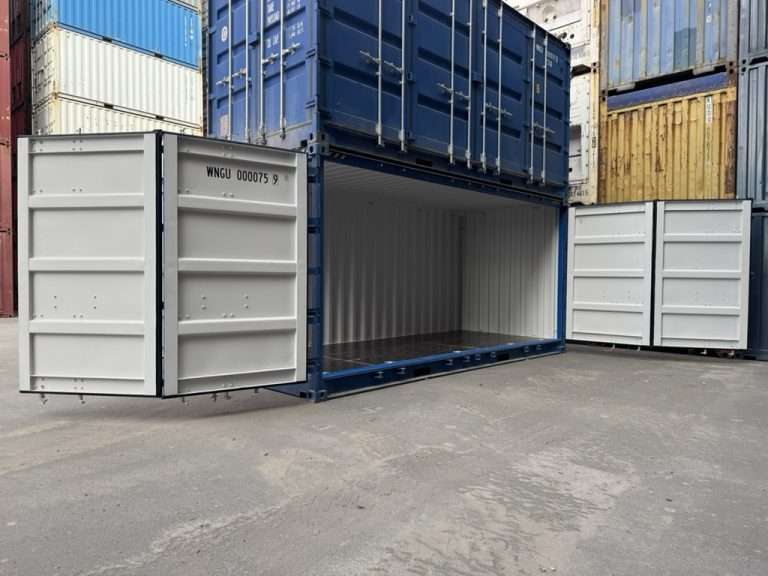
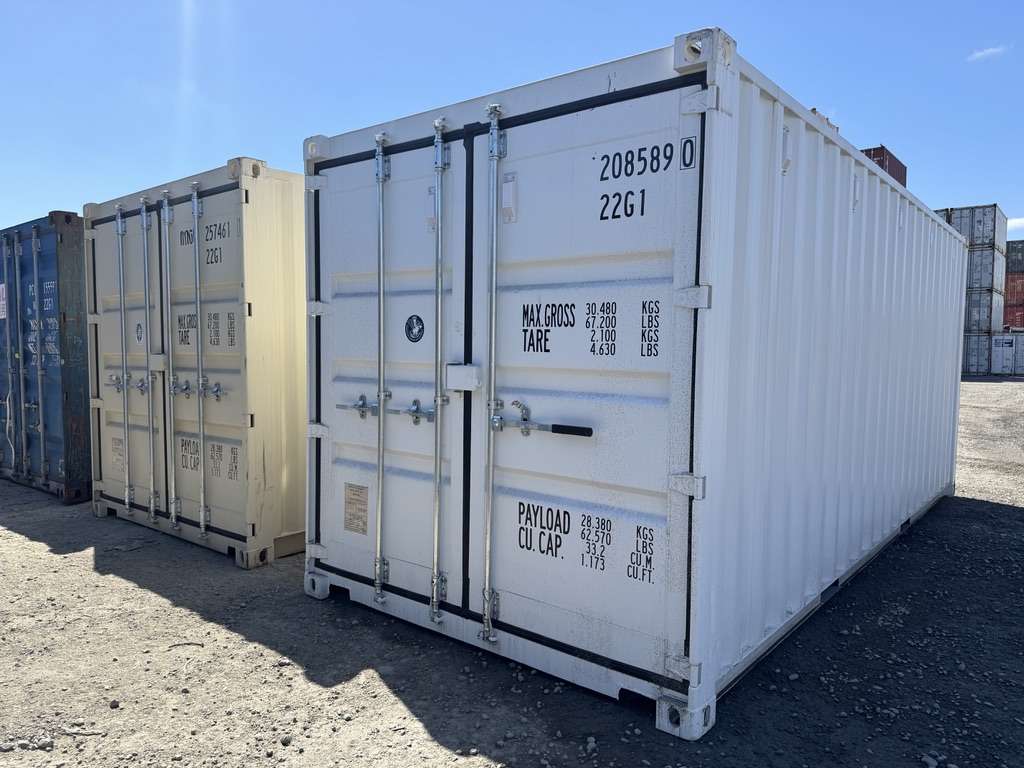
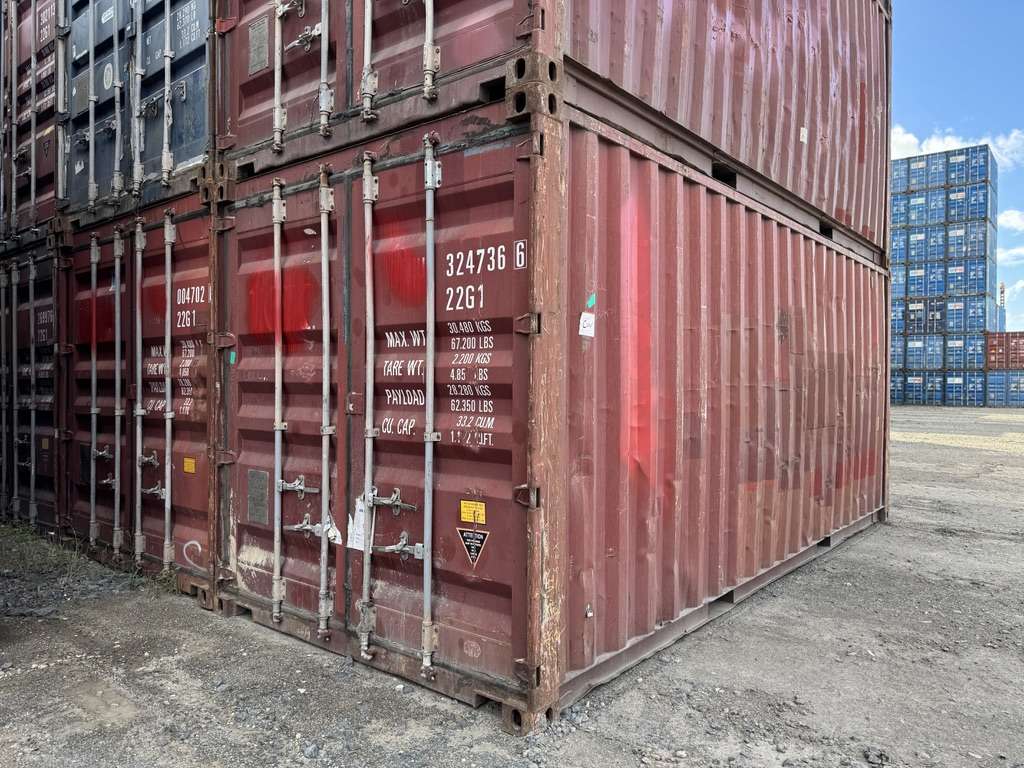
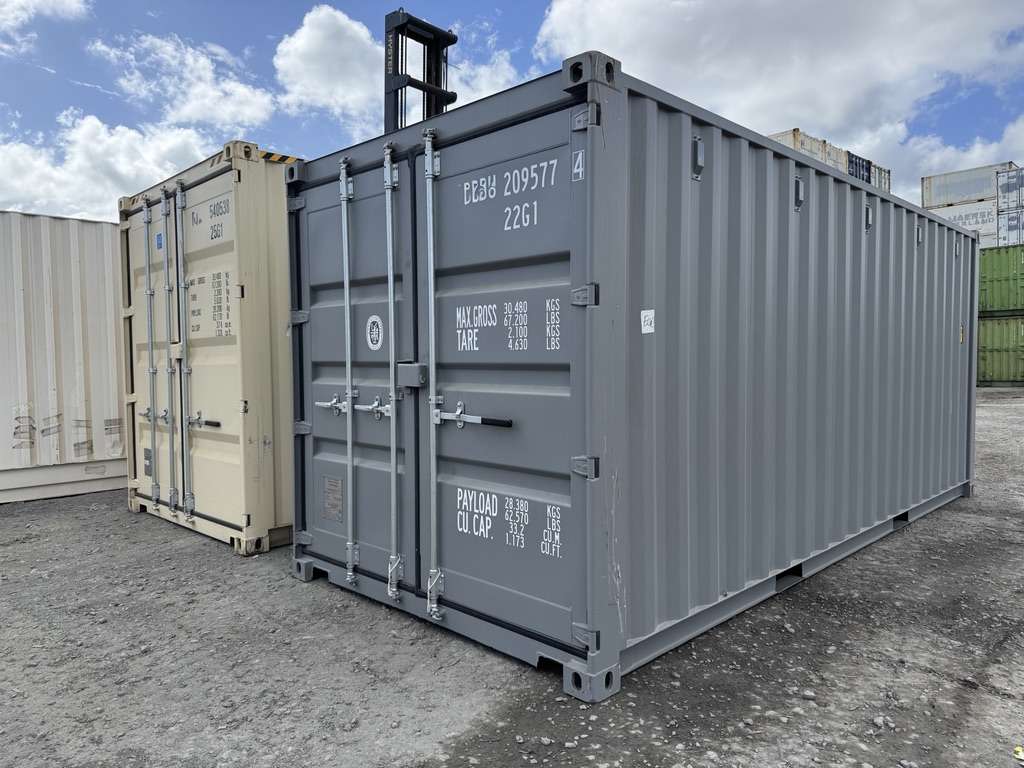
Used, new, high cube and open side 20ft containers with current starting prices at US depots. Pick the one that fits and vetted local suppliers send you delivered quotes for your ZIP code.
Starting prices at the depot, based on current inventory at major US container depots. Delivery, sales tax and local fees are extra and depend on your ZIP code. Your supplier confirms the final price in your quote.
The 20 foot shipping container (also written as 20ft shipping container) is the most widely purchased container size in the US market. It offers a practical balance of internal capacity,
site flexibility, and delivered cost, which is why it’s often the first
option buyers compare when they start looking for a container.
This page covers the full specifications, what 20ft containers are most
commonly used for, how new and used options compare, what drives pricing,
and how to find qualified suppliers in your region.
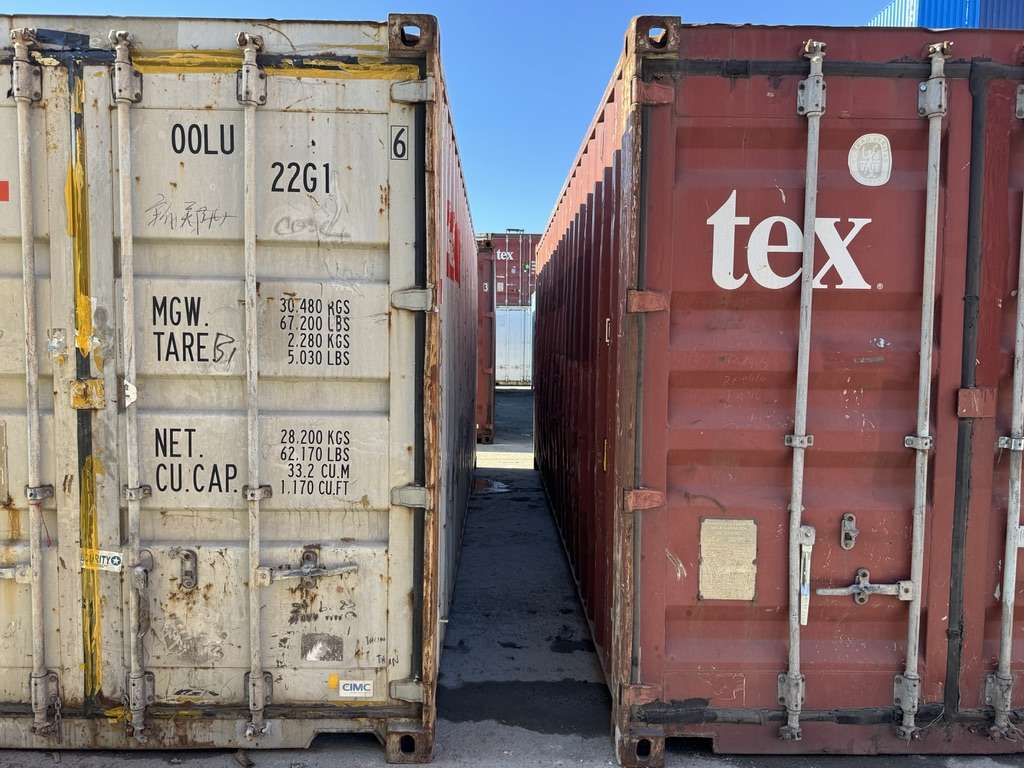
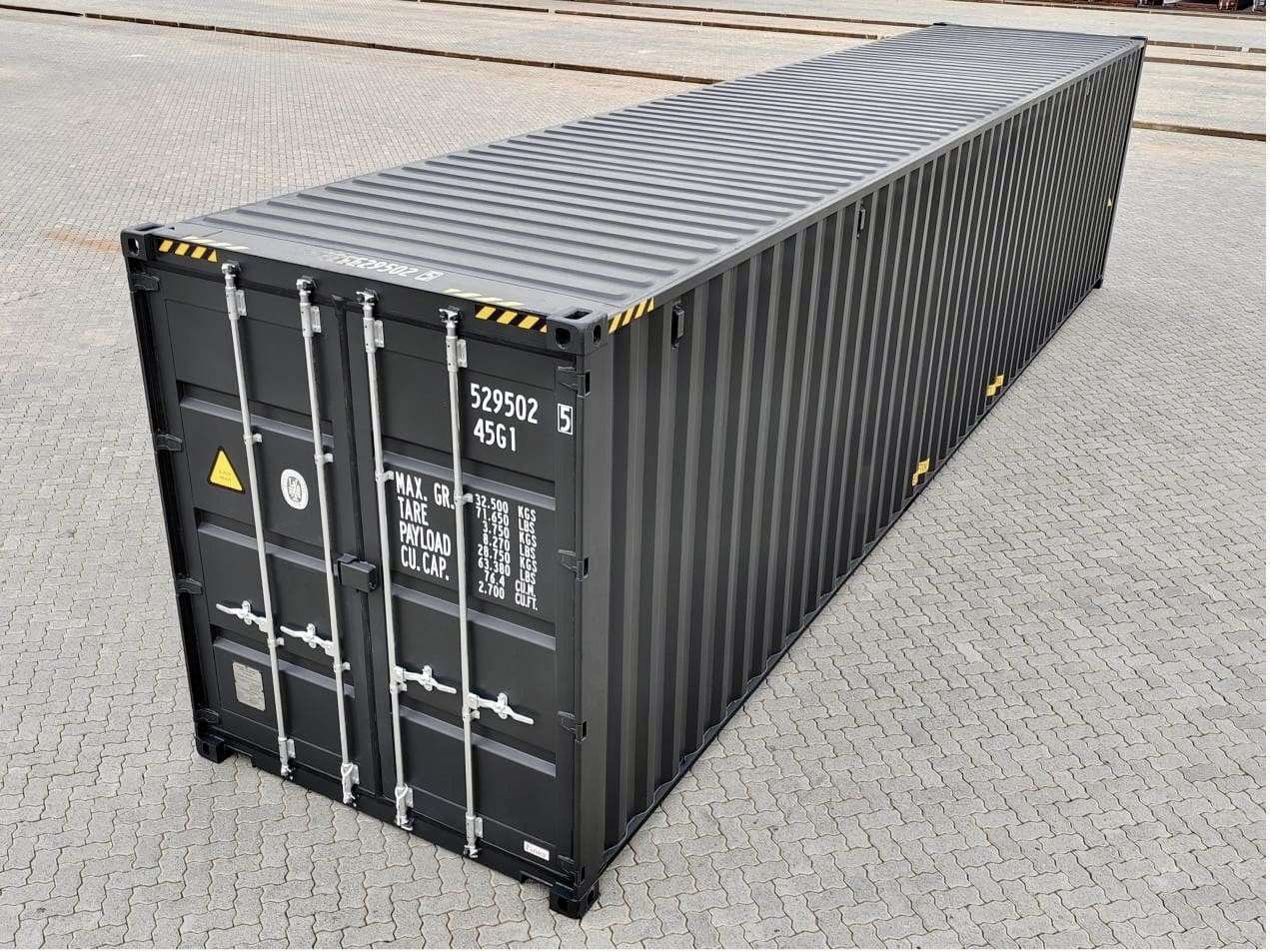
A standard 20ft shipping container is manufactured to ISO 668 dimensions, the international standard that ensures containers stack and transport consistently across sea, rail, and road networks worldwide. Here’s the full specification breakdown. The 20ft container dimensions below cover external, internal, door opening, weight, and cubic capacity for both standard and high cube variants. To check a unit yourself, our guide on how to measure shipping container dimensions shows where to measure and which tolerances are normal.
Measurement
External
Internal
Length
20′ 0″ (6.06 m)
19′ 4″ (5.90 m)
Width
8′ 0″ (2.44 m)
7′ 8″ (2.35 m)
Height (Standard)
8′ 6″ (2.59 m)
7′ 10″ (2.39 m)
Height (High Cube)
9′ 6″ (2.90 m)
8′ 10″ (2.70 m)
Door opening width
–
7′ 8″ (2.34 m)
Door opening height (Standard)
–
7′ 5″ (2.28 m)
Door opening height (High Cube)
–
8′ 5″ (2.57 m)
Tare weight (Standard)
4,630 lbs (2,100 kg)
–
Tare weight (High Cube)
5,027 lbs (2,280 kg)
–
Max gross weight
67,200 lbs (30,480 kg)
–
Max payload (Standard)
62,570 lbs (28,380 kg)
–
Max payload (High Cube)
62,173 lbs (28,200 kg)
–
Cubic capacity (Standard)
–
1,172 cu ft (33.2 m³)
Cubic capacity (High Cube)
–
1,320 cu ft (37.4 m³)
Both standard and high cube 20ft containers share the same floor area. The high cube variant adds approximately 1 foot of vertical interior clearance, useful for taller cargo, modifications with ceiling insulation, or interior fit-outs where headroom matters. Note on payload: the values above reflect ISO 668 container specifications. In US road transport, the practical maximum cargo weight is typically lower, commonly 44,000 lbs on standard trailer chassis, due to federal and state gross vehicle weight limits. For international sea freight, the full ISO payload applies.
Use Cases
What 20ft shipping containers are used for
1. On-site storage
Why:
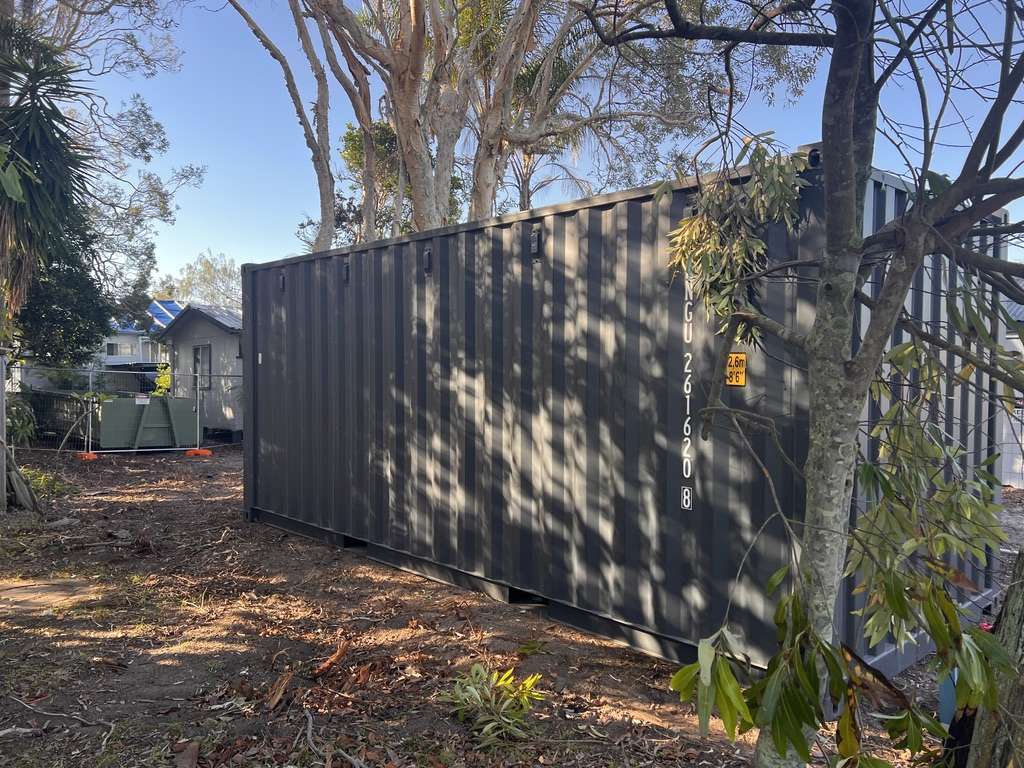
The most common use of a 20ft container: secure, weathertight storage for
construction sites, farms, commercial properties, and residential yards.
160 square feet of floor area is enough for equipment, tools, and bulk
supplies without requiring the placement space a 40ft unit needs.
2. Workshops and garages
Why:
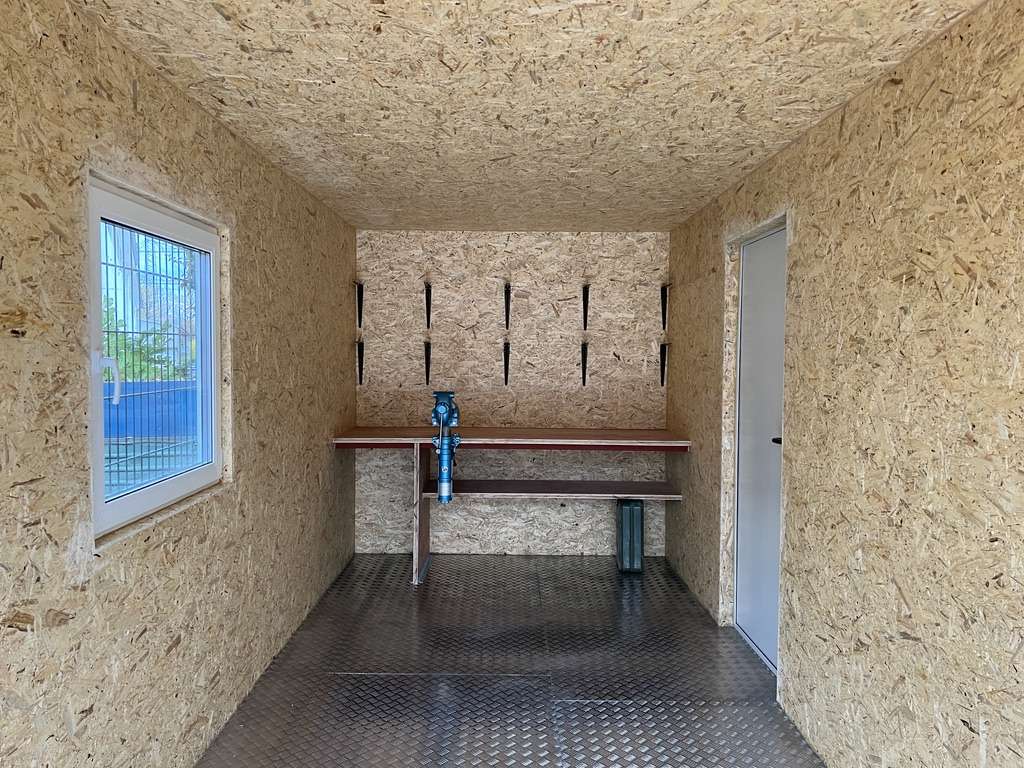
With basic electrical and lighting fit-out, a 20ft container becomes a
fully functional workshop or home garage. The compact footprint works well
on residential lots, and the steel construction provides excellent security
for tools and equipment.
3. Jobsite offices
Why:
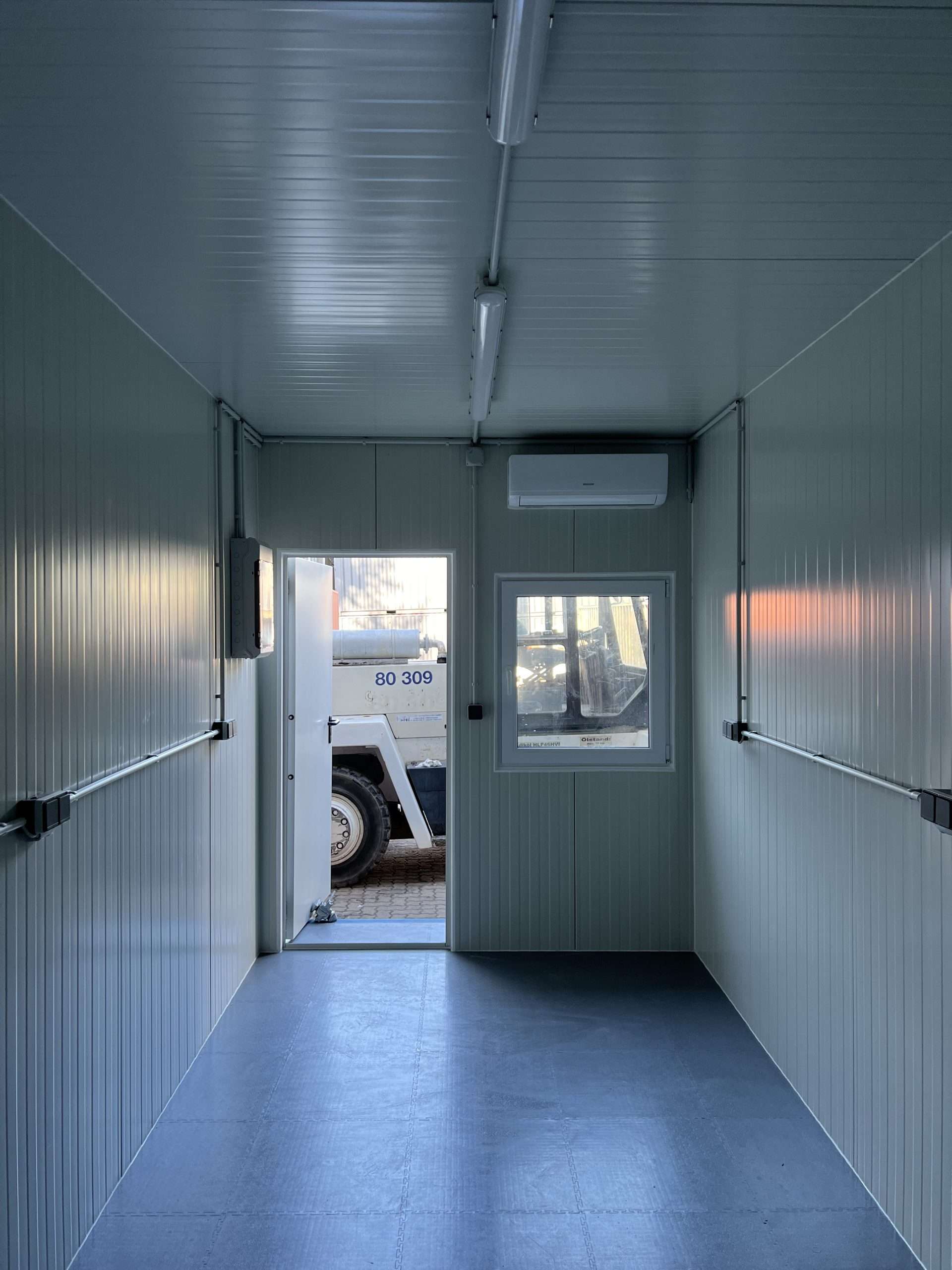
A 20ft container converts efficiently into a 1-2 person jobsite office.
Add windows, door cutouts, HVAC, insulation, and interior finish, and you
have a portable office that moves between projects. Common on US
construction sites, remote projects, and mining operations.
4. Freight and cargo
Why:
The 20ft ISO container is one of the two global standards for sea freight,
used alongside the 40ft for international cargo transport. For US buyers
shipping goods overseas or using intermodal rail, Cargo Worthy (CW) rated
20ft units are the standard specification.
5. Modification base
Why:
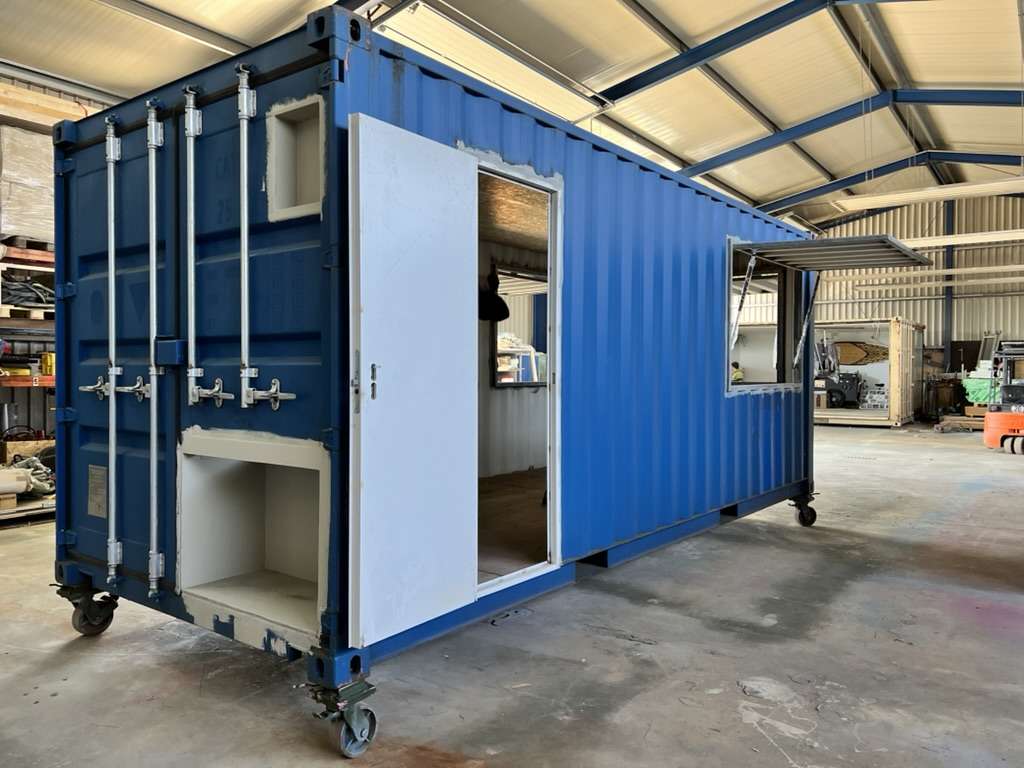
20ft containers serve as the structural shell for smaller modification
projects like tiny retail kiosks, food service pop-ups, mobile studios,
accessory dwelling units, and off-grid cabins. The smaller footprint is
easier to place on constrained sites and requires less foundation work
than a 40ft.
20ft shipping container prices
The delivered price of a 20ft shipping container in the US market depends primarily on four variables: condition grade, depot proximity, delivery distance, and any factory or post-sale modifications. Base container pricing typically falls into three bands:
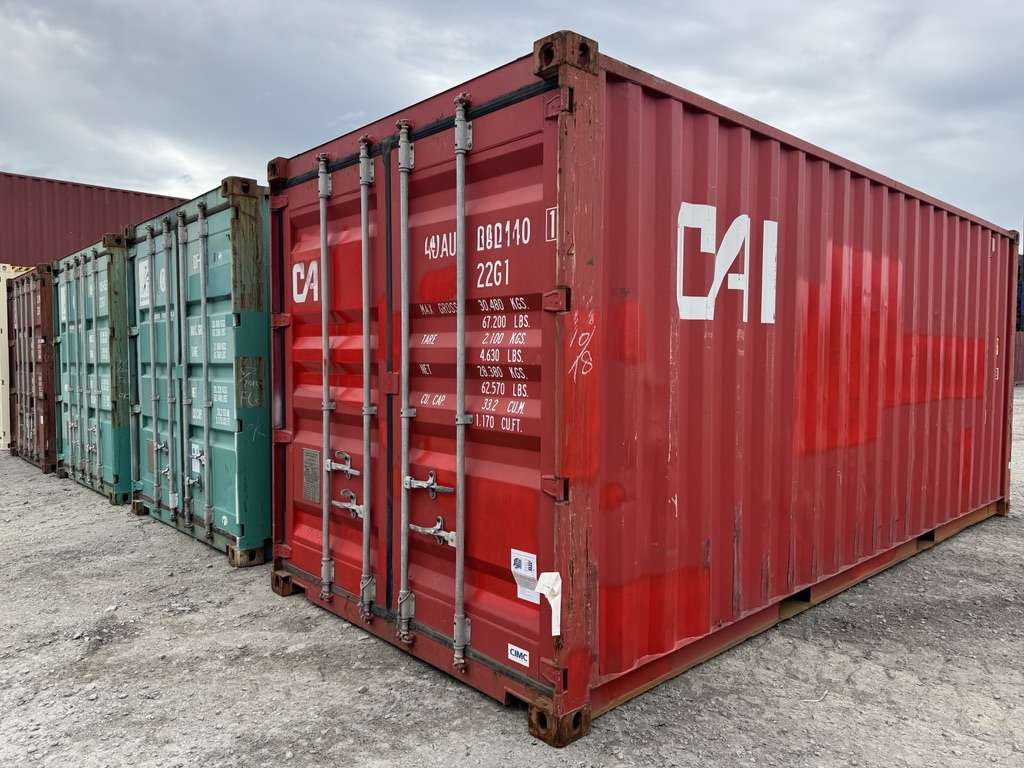
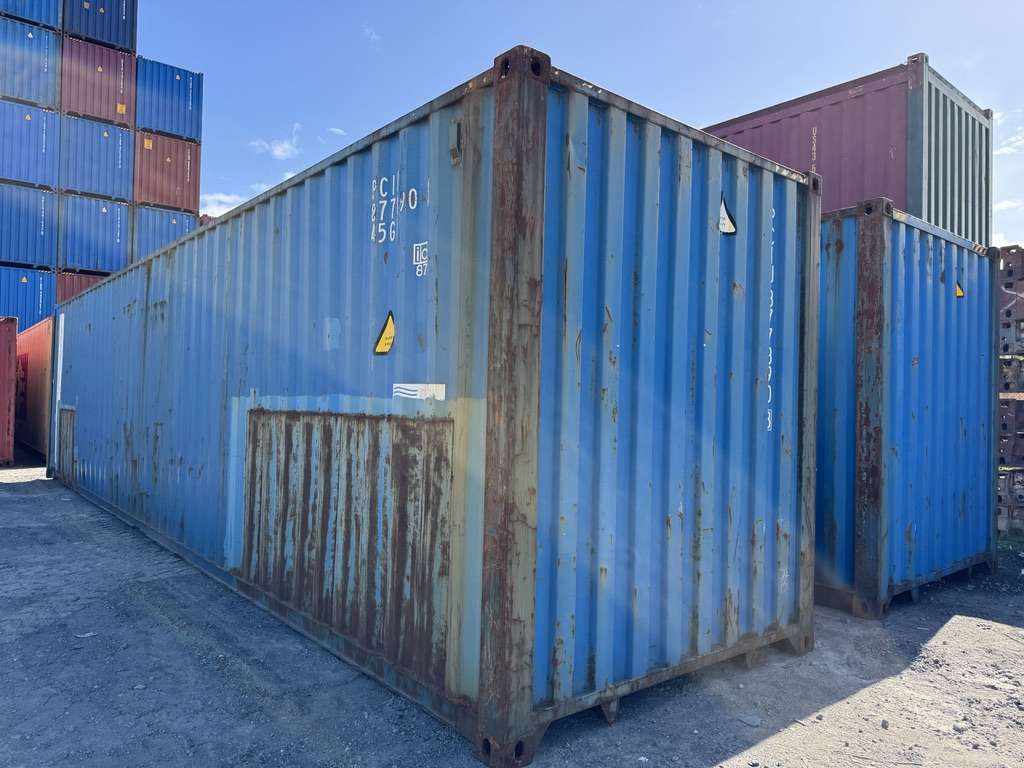
Used WWT (Wind & Water Tight) 20ft: $1,500 to $2,500. Functional and weathertight, with cosmetic wear expected. Surface rust, dents, paint fade. The most common grade for on-site storage, farm use, and jobsite applications where appearance is secondary to function.
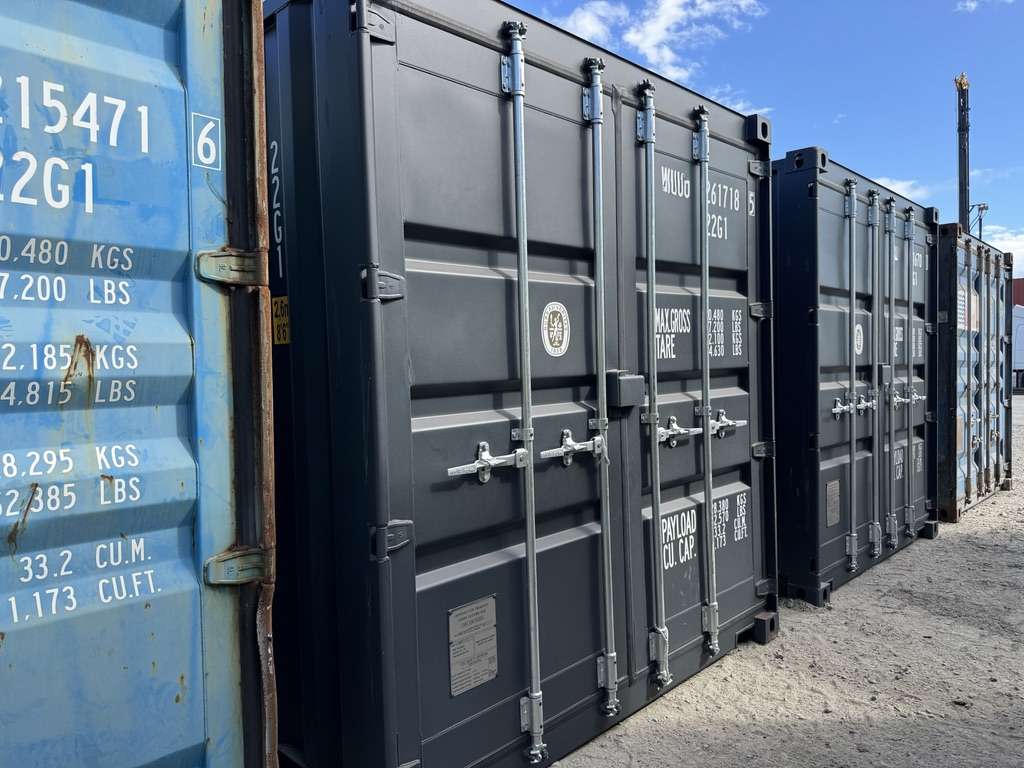
Used CW (Cargo Worthy) 20ft: $2,000 to $3,000. Inspected and certified as structurally sound for international cargo transport. Required for freight use, overseas shipment, and any application where the container will be moved on sea or rail. Better cosmetic condition than WWT.
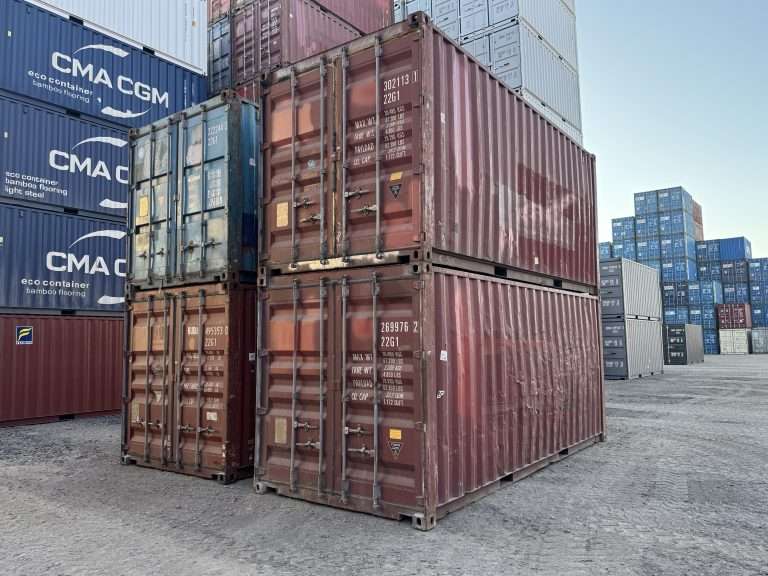
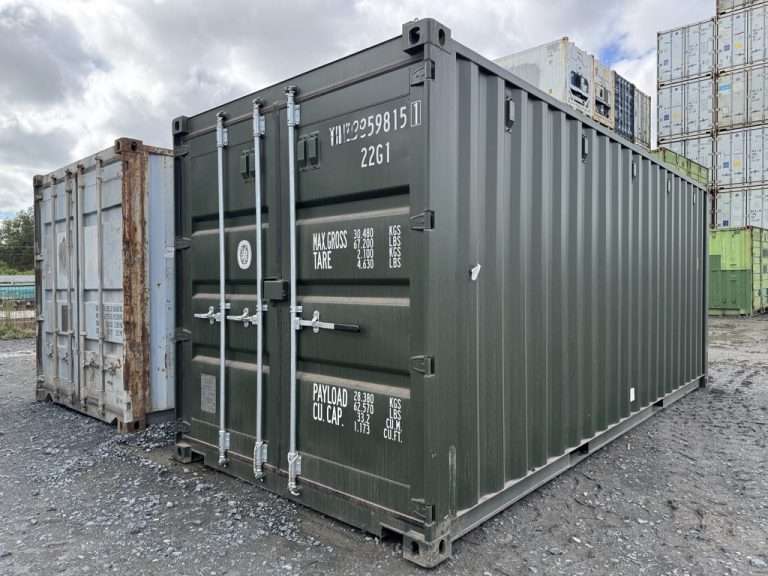
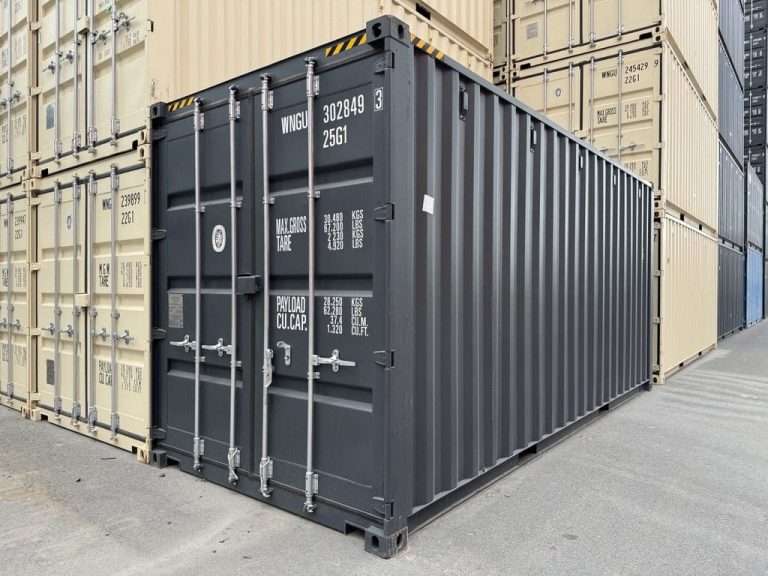
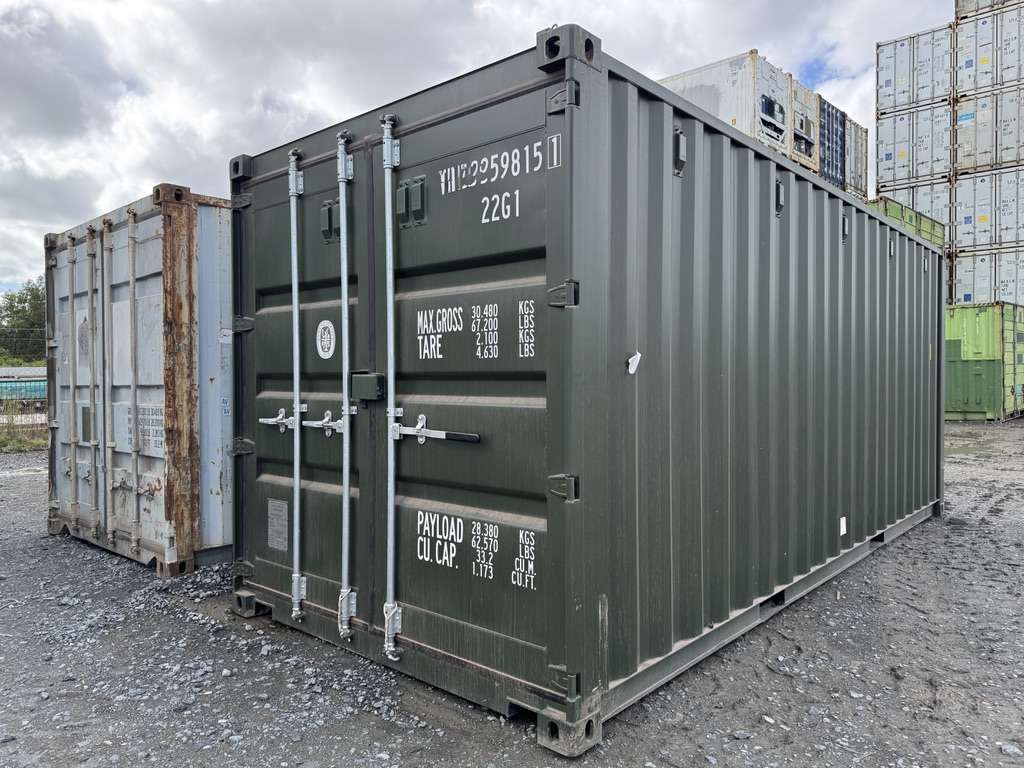
New / One-Trip 20ft: $3,000 to $4,500. Near-factory condition, having completed a single cargo voyage. Minimal cosmetic wear, available in multiple factory colors. Preferred for modifications, retail and customer-facing applications, and projects where condition is a priority.
Note on pricing. These ranges reflect typical US depot prices before delivery. Actual prices vary by supplier, region, and stock. Delivery is quoted separately, typically a few hundred dollars for local hauls up to $1,000+ for long-distance or rural deliveries.
Buyers near major US ports (Houston, Los Angeles, Newark, Miami, Savannah, Seattle) generally see broader supplier choice and lower delivery costs than inland buyers.
20ft vs 40ft shipping container: which should you choose?
The 20ft and 40ft are the two most common ISO container sizes in the US market. The right choice depends on your use case, site access, and budget. Our guide to shipping container sizes helps you match the size to your project. If you need more volume or are planning a larger build, it’s worth comparing the full 40ft shipping container specs and pricing side by side. For exact measurements across all standard sizes, see our shipping container dimensions guide.
Choose a 20ft container if:
Choose a 40ft container if:
Site placement space is limited
Floor space or cubic volume is your primary driver
You want simpler transport and placement
You have room to place and access a 40ft footprint
Your volume needs are under 160 sq ft of floor area
Your use case involves bulk inventory, vehicles, or large equipment
You want a lower entry price point
You’re planning a container home or large modification build
You’re working on a residential lot or constrained commercial site
The cost premium per square foot works in your favor
Where to buy a 20ft shipping container near you
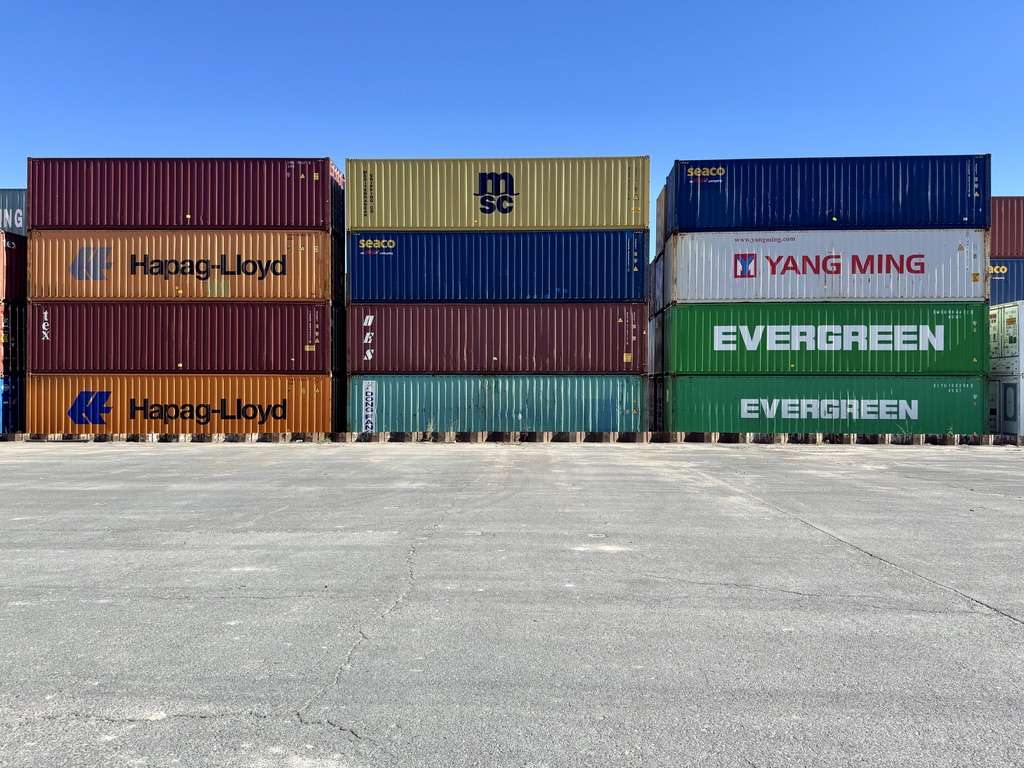
20ft shipping container availability varies significantly by region across the USA. Buyers near major port markets typically have access to the deepest inventory and shortest lead times. Inland markets are served through regional depot networks, often with a short transport leg from the nearest port.
To find suppliers with real stock in your area, the fastest path is to specify your ZIP code, size (20ft standard or high cube), preferred condition, and intended use. Qualified suppliers in the network will respond with delivered quotes, container price plus transport, so you can compare apples to apples.
Shipping container tips, buyer guides, and market insights from the US market.
Shipping Container Homes in New York: Codes, NYC ADUs and Local Bans
How New York handles shipping container homes: the 2025 Uniform Code, NYC ancillary dwelling units, container laws in Buffalo, Sweden and Coxsackie, Adirondack Park review, septic and modular approval.
Shipping Container Homes in California: Codes, ADUs and City Rules
How California handles shipping container homes: the 2025 state codes, the LADBS conversion bulletin, San Diego rules, state ADU law, HCD approval for factory-built units and counties that allow containers only for storage.
Shipping Container Homes in Washington: Codes, ADUs and L&I Rules
How Washington handles shipping container homes: the 2021 state codes, Pierce, King and Ferndale container rules, the two-ADU state law, the energy code wall U-factor and the L&I factory-assembled program.
Container prices for your city, rule changes in your state, Andy’s newest videos and stock deals when we have them. One email a month, unsubscribe any time.
A standard 20ft shipping container measures 20 feet long, 8 feet wide, and 8 feet 6 inches high externally (6.06m × 2.44m × 2.59m). Internal usable space is approximately 19 feet 4 inches long, 7 feet 8 inches wide, and 7 feet 10 inches high. A 20ft high cube container adds approximately 1 foot of internal height.
02
An empty standard 20ft shipping container has a tare weight of approximately 4,630 lbs (2,100 kg). Maximum payload is approximately 62,570 lbs (21,727 kg), giving a maximum gross weight of 67,200 lbs. High cube 20ft units weigh slightly more due to additional steel.
03
9 standard US pallets (48 x 40 in) fit on the floor of a 20ft container when they are loaded square to the walls, or 11 Euro pallets. You will often see 10 quoted, which only works with slightly smaller pallets or a little overhang. With double stacking, capacity can roughly double, depending on pallet height and cargo weight. Our guide on how many pallets fit in a shipping container shows the layouts.
04
For most storage, farm, and jobsite applications, yes. A used WWT or CW 20ft unit delivers the same core function as a new container (secure, weathertight steel storage) at a significantly lower entry price. New one-trip containers are typically specified only when cosmetic condition, customer-facing use, or modification projects justify the premium.
05
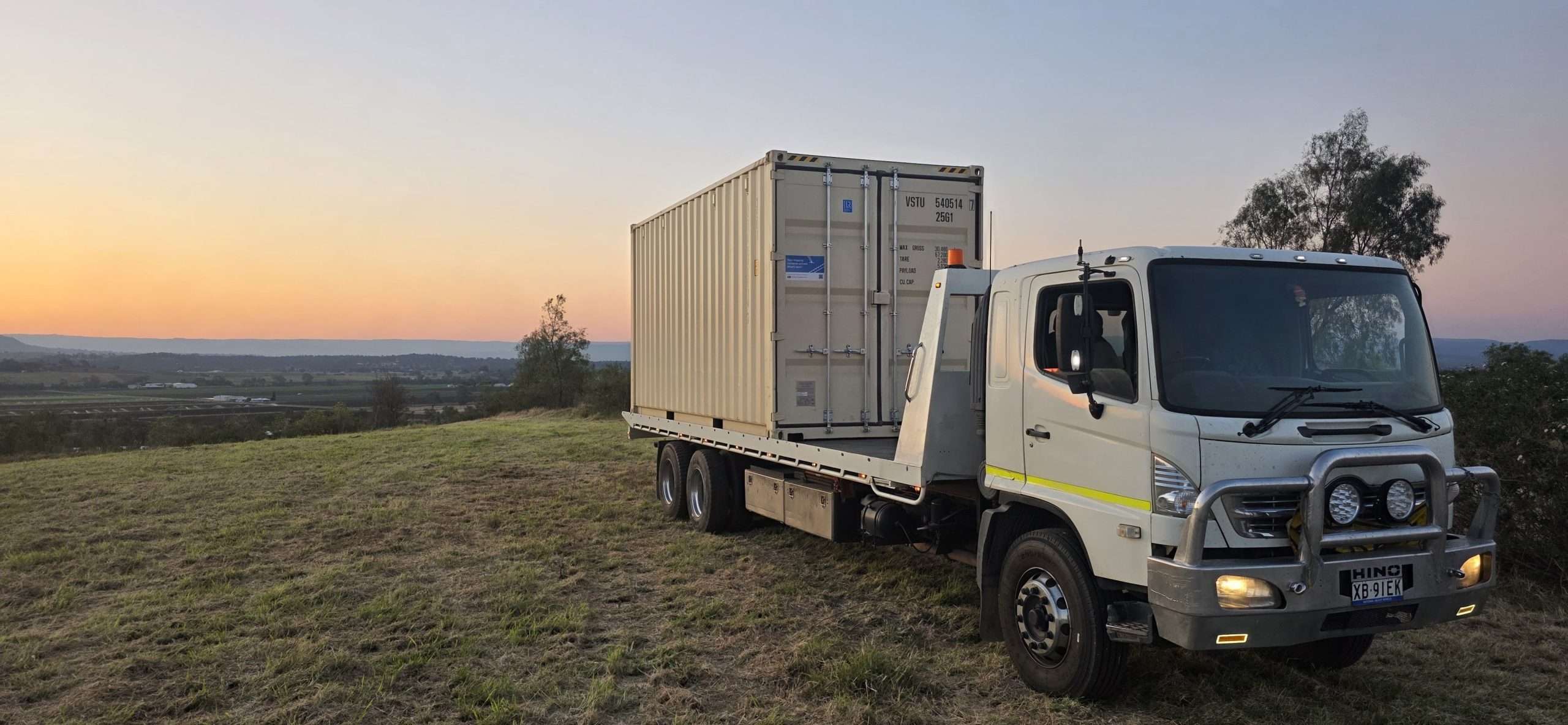
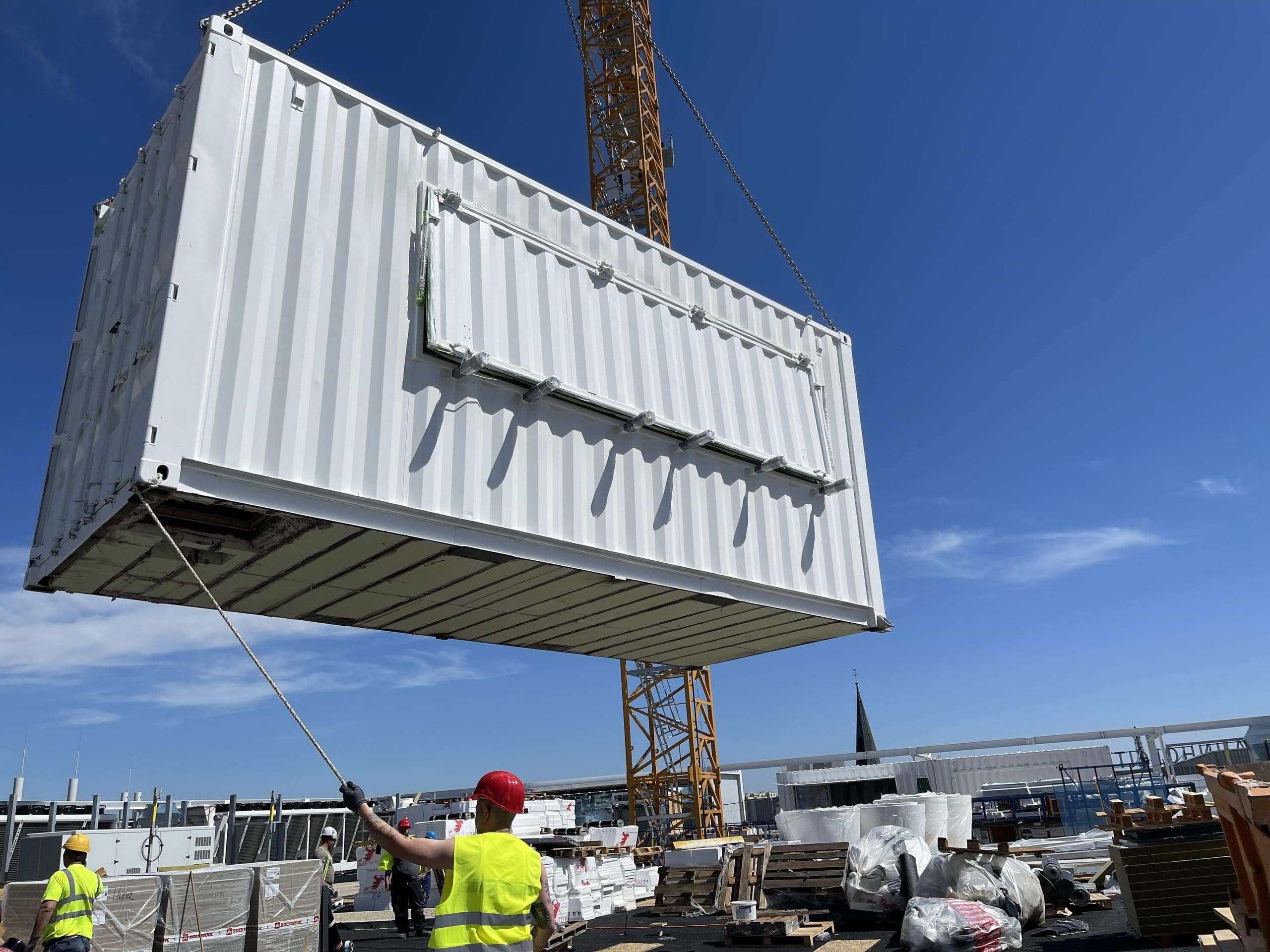
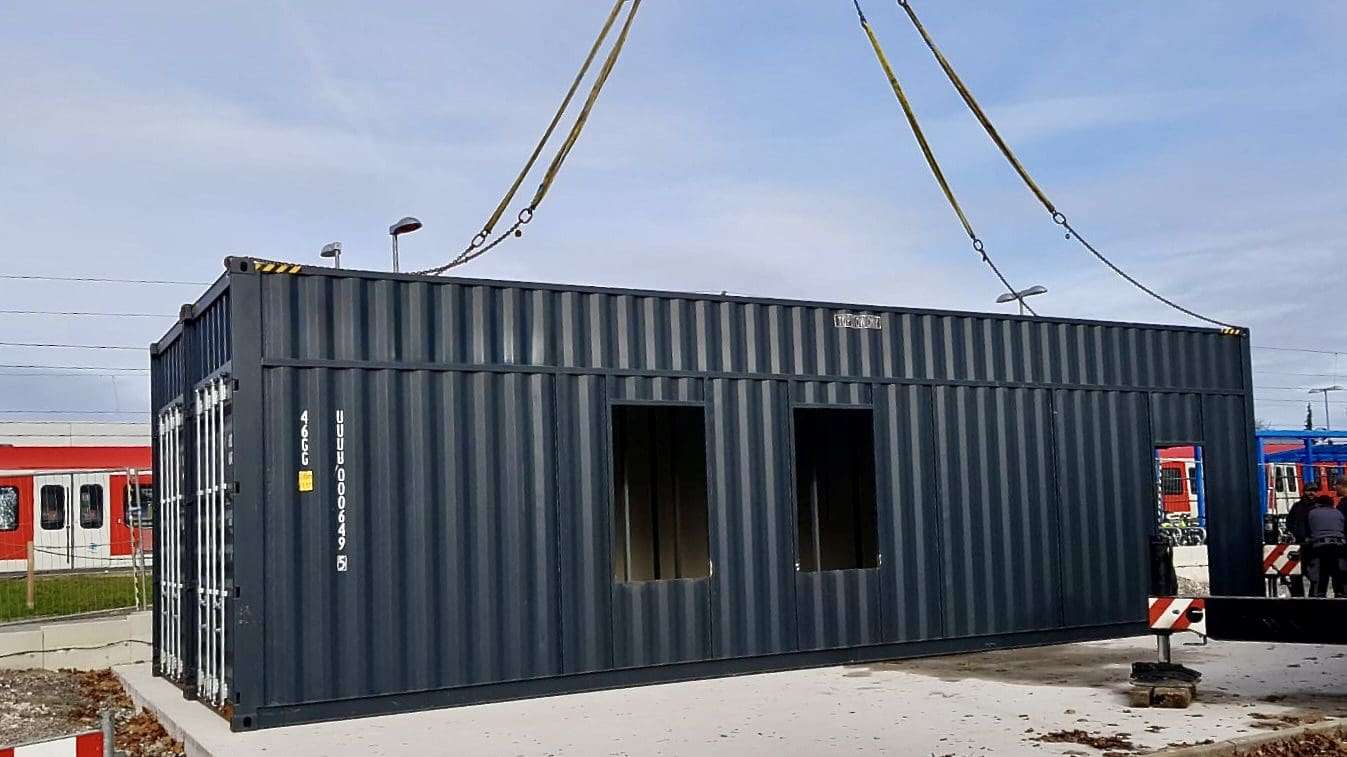
Yes, in most cases. Residential delivery of a 20ft container requires approximately 100 feet of straight-line clearance for the delivery truck, a stable surface for placement (compacted gravel, concrete, or level grass), and clearance from overhead obstructions like trees and power lines. Tilt-bed delivery is standard; crane placement is available for constrained sites at additional cost.
06
The high cube 20ft is identical in length and width to the standard 20ft, but adds approximately 1 foot of external height: 9 feet 6 inches instead of 8 feet 6 inches. Internal headroom increases to roughly 8 feet 10 inches. High cube is preferred for taller cargo, interior modifications with ceiling insulation, or any use case where vertical clearance matters. The price premium over standard height is typically modest.
07
A well-maintained 20ft shipping container typically has a service life of 20 to 25 years. Corten weathering steel develops a protective patina that limits corrosion over time. Service life extends further with regular cleaning, timely touch-up painting on scratches, and protection of the floor and seals. Most used 20ft containers on the US market still have substantial remaining service life.
08
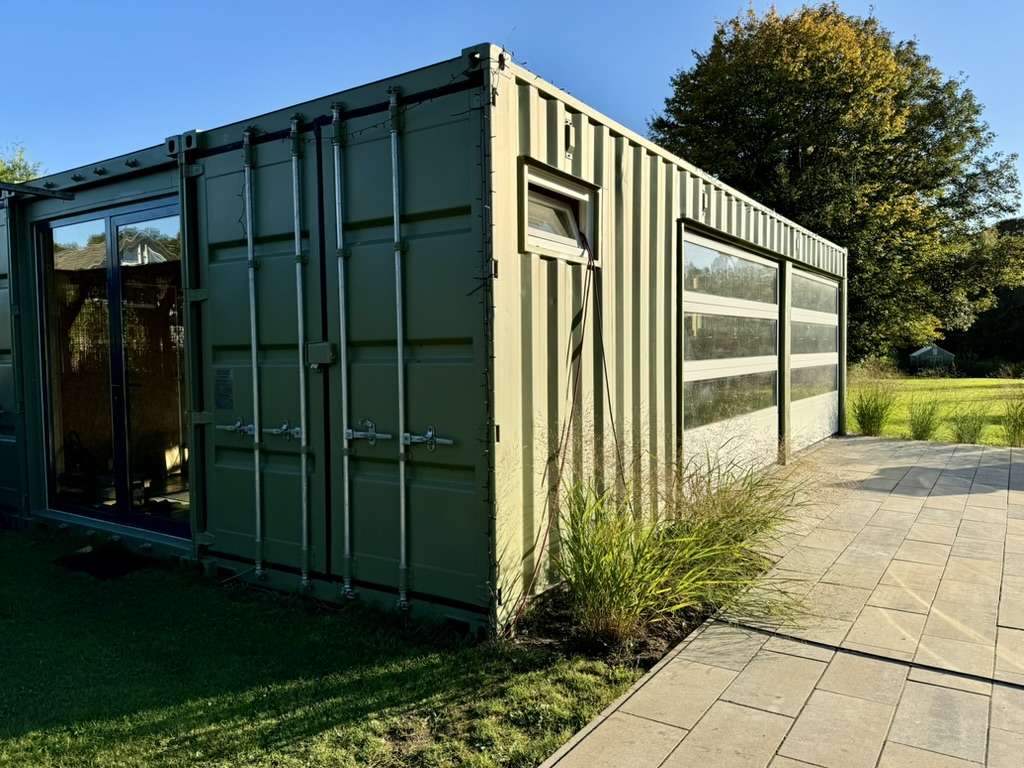
Yes. Common 20ft modifications include door and window cutouts, electrical fit-out, insulation, HVAC installation, interior cladding, roll-up doors, reinforced floors, and custom exterior paint. More ambitious builds convert 20ft units into tiny homes, retail kiosks, and food service outlets. Modifications are typically performed by specialist container modification companies, separately from the container purchase itself.
Related container information
40ft shipping containers
Double the floor area, only 30-60% more in base price. See full specs, pricing context, and where to buy 40ft containers across the US market.
Whether you’re sizing up for storage, planning a modification, or comparing
20ft against 40ft for your project. Get direct guidance from someone who’s
worked with containers for 15+ years.
Use your phone camera to place the container on your property at its real size. You see how much room it takes and how it sits before you buy.
Grade and color
Scan with your phoneThis page opens straight on your phone.
On your phone, tap “View full size”.
Move the phone slowly over the ground until it picks up the surface.
The container appears about 10 ft in front of you, doors facing you, so you see all of it straight away.
Drag with one finger to bring it closer or move it. Twist with two fingers to turn it. You can also walk around it.
Full-size view is not available on this device. Turn the 3D model above with your finger to see it from every side.
Works on iPhone 6s or newer with iOS 12 or later and on most Android phones from 2018 on with Google Play Services for AR. On other devices you can turn the 3D model above and look at it from every side.
External size 20ft: 20 ft × 8 ft × 8 ft 6 in (6.06 × 2.44 × 2.59 m), length × width × height
"*" indicates required fields
Read the latest posts
Shipping Container Homes in New York: Codes, NYC ADUs and Local Bans
How New York handles shipping container homes: the 2025 Uniform Code, NYC ancillary dwelling units, container laws in Buffalo, Sweden and Coxsackie, Adirondack Park review, septic and modular approval.
Shipping Container Homes in California: Codes, ADUs and City Rules
How California handles shipping container homes: the 2025 state codes, the LADBS conversion bulletin, San Diego rules, state ADU law, HCD approval for factory-built units and counties that allow containers only for storage.
Shipping Container Homes in Washington: Codes, ADUs and L&I Rules
How Washington handles shipping container homes: the 2021 state codes, Pierce, King and Ferndale container rules, the two-ADU state law, the energy code wall U-factor and the L&I factory-assembled program.